

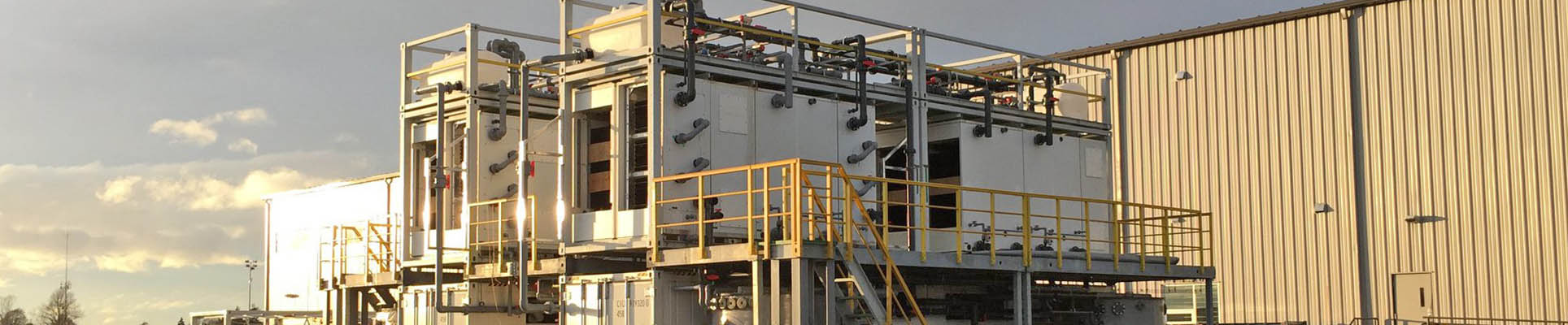

Durable FRP Fittings for Industrial Use | Expert Insights
Understanding FRP Fitting: A Veteran’s Take on Durable Industrial Solutions
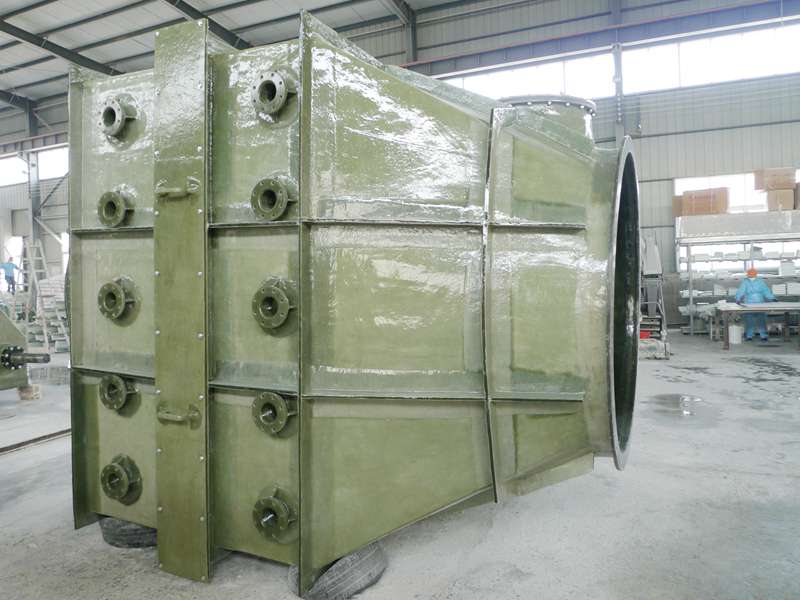
Having spent well over a decade working in the industrial equipment sector, I can say that FRP fitting isn't just another acronym tossed around in pipeline projects or chemical plants. It’s a cornerstone material that quietly saves countless installations from corrosion nightmares and mechanical failures. In real terms, fiberglass-reinforced plastic (FRP) fittings bring the best of strength, chemical resistance, and lightness — a trifecta that's rare to find in metal alternatives.
Oddly enough, when I first got introduced to FRP fittings, I was skeptical. Fiberglass sounded fragile—almost glasslike, right? But after seeing them in high-acid environments and coastal plants where salt corrosion runs rampant, I noticed something different. These fittings are engineered with layers of resin and glass fibers, making them tough enough to last years under pressure and chemical attack. Frankly, many engineers I’ve talked with swear by them for long-term reliability.
What Makes FRP Fittings a Go-To Choice?
The heart of FRP fittings lies in their composite build. Usually made from polyester, vinyl ester, or epoxy resins combined with reinforcing glass fibers, their versatility is impressive. Vinyl ester, for example, offers exceptional chemical and heat resistance, which is handy for aggressive chemicals and steam lines. Polyester is often the cost-effective option for less demanding conditions.
Testing-wise, these fittings go through rigorous mechanical and environmental assessments — think hydrostatic pressure tests, chemical immersion trials, and impact resistance evaluations. It's this attention to detail during manufacturing that gives me confidence when specifying them for critical infrastructure.
| Property | Value |
|---|---|
| Materials | Vinyl Ester, Polyester, Epoxy |
| Pipe Size Range | 1/2" to 48" |
| Pressure Ratings | Up to 250 psi |
| Temperature Range | -40°C to 120°C |
| Chemical Resistance | Excellent to acids, alkalis, and salts |
| Installation | Solvent welding/bonding |
Comparing Leading FRP Fitting Vendors
You might wonder, with the growing popularity of composite fittings, how do suppliers stack up? I’ve seen projects where cost, lead time, and product quality made huge differences. Here is a quick rundown of three prominent players, including the one behind that nifty FRP fitting site:
| Vendor | Material Options | Typical Lead Time | Price Range | Customization |
|---|---|---|---|---|
| Jrain FRP | Vinyl Ester, Polyester | 2-3 weeks | Moderate | High – tailored fittings |
| FiberTech Solutions | Epoxy, Vinyl Ester | 3-4 weeks | High | Moderate |
| CompositePipe Co. | Polyester, Vinyl Ester | 1-2 weeks | Low | Limited |
Real-World Uses and Why They Matter
From my experience, FRP fittings tend to shine in environments where steel would rust away within months — wastewater treatment, chemical processing, or offshore platforms. I recall a particular plant where switching to FRP fittings cut maintenance downtime drastically. Operators noticed fewer leaks and no rust stains, which frankly made everyone’s jobs a little easier. It feels like a small win that adds up over years.
Customization options are also a big deal. Sometimes, you need a bend or reducer that off-the-shelf suppliers don’t carry. That’s where vendors like Jrain FRP really come in handy — their tailored solutions ended up saving a whole project phase from redesign.
To wrap it up, while metals and plastics each have their place, FRP fittings strike a balance of durability, resistance, and cost-effectiveness that’s tough to beat. If you’re in the industrial piping game, it’s worth getting familiar with them — because in complex systems, the right fitting makes all the difference.
— From someone who's seen the wear and tear firsthand.
References and Further Reading
- ASTM Standard D2584 – Composite Materials Testing
- Industrial Piping Journal, “The Rise of FRP in Chemical Plants,” 2022
- “FRP Technology and Applications,” Engineering Handbook, 3rd Ed.
Latest news
-
Industrial High Pressure Fiberglass Pipe Guide and Technical SpecsNewsApr.16,2026
-
Industrial Storage Guide for Fiberglass Chemical TanksNewsApr.09,2026
-
Explore Durable and Customizable Custom Fiberglass Tanks for Your IndustryNewsApr.07,2026
-
Comprehensive Guide to Fiberglass Roof Tanks for Liquid Storage SolutionsNewsApr.04,2026
-
Comprehensive Guide to Durable and Corrosion Resistant Glass Fiber TanksNewsMar.31,2026
-
Comprehensive Guide to Tank Fiberglass Solutions and Their Diverse ApplicationsNewsMar.28,2026