



Comprehensive Guide to FRP Storage Tanks: Durable, Cost-Effective Industrial Solutions
Understanding FRP Storage Tanks: Modern Solutions for Durable Liquid Storage
In an increasingly resource-conscious world, knowing about durable, cost-efficient storage options is vital. FRP storage tanks — fiberglass reinforced plastic tanks — are quietly making waves across industries globally. They hold everything from water and chemicals to industrial liquids while addressing challenges like corrosion, portability, and maintenance downtime. Oddly enough, though, many professionals outside specialty fields may not realize just how transformative these tanks can be.
Why FRP Storage Tanks Matter Globally
The global industrial storage market is projected to grow significantly, driven by sectors such as water treatment, chemical manufacturing, and agriculture. According to the International Organization for Standardization (ISO), materials resistant to corrosion and adaptable across climates are essential to meet sustainability and longevity goals.1 FRP storage tanks fill a niche where traditional metal or concrete tanks struggle — offering a lightweight, strong, and chemically resistant solution. But more on that in a moment.
Scaling projects in remote or developing regions? Corrosion from humidity or chemicals can strike metal tanks quickly, causing costly replacements and risk to stored contents. FRP tanks not only promise longer service life but lower total cost of ownership, making them attractive for humanitarian efforts, disaster relief, and emerging industries alike.
What Is an FRP Storage Tank?
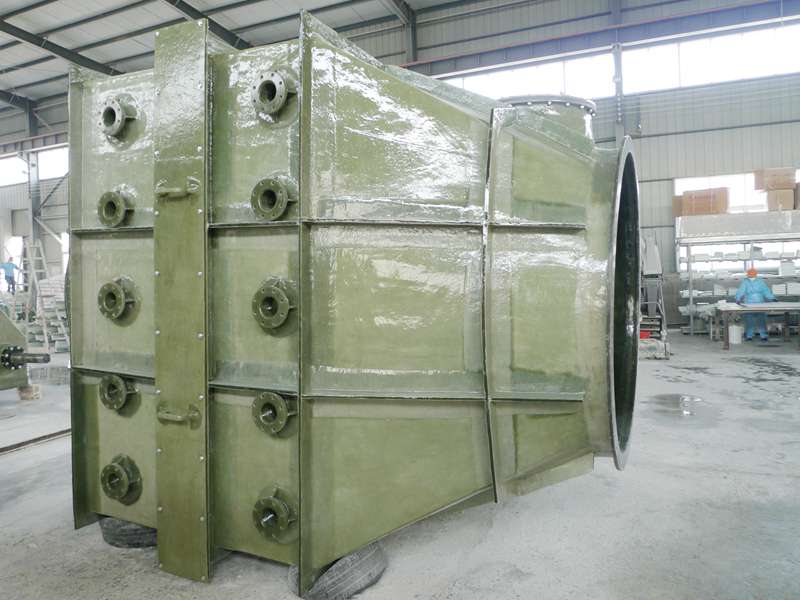
Simply put, an frp storage tank is a container made of fiberglass reinforced plastic — a composite material where fiberglass fibers embedded in a plastic resin matrix provide strength and durability far beyond plastics alone.
This composite structure combines the resilience of glass fibers with corrosion-resistant polymers, resulting in tanks that won’t rust or degrade easily. Compared to conventional steel tanks, they’re lighter and easier to install, which is big when you’re talking large systems or difficult-to-access locations. In humanitarian and industrial use, that flexibility can be a game-changer.
Key Components of FRP Storage Tanks
Durability
The fiberglass skeleton prevents cracks and deformation from impact, while the plastic resin guards against chemical corrosion. This makes the tanks ideal for harsh chemical or saltwater environments.
Corrosion Resistance
Unlike metals prone to oxidation, FRP tanks maintain structural integrity for decades, requiring less maintenance and fewer costly repairs.
Lightweight and Portability
Moving or installing these tanks is less labor-intensive, especially important in remote industrial setups or urgent relief operations.
Cost Efficiency
While initial outlay can be higher than some alternatives, the long service life, low maintenance, and energy savings often lower total lifecycle costs.
Customization and Scalability
FRP tanks come in modular designs that can be tailored in size and shape and combined to meet project-specific capacity requirements.
Environmental Impact
Being corrosion-resistant, these tanks prevent leakage of hazardous materials, protecting soil and groundwater. Plus, many manufacturers now incorporate recycled glass fibers.
FRP Storage Tank Product Specifications
| Specification | Typical Value | Details |
|---|---|---|
| Tank Capacity | 500 - 50,000 liters | Modular up to large industrial sizes |
| Material Composition | Fiberglass Reinforced Plastic | Resin types vary (polyester, vinyl ester) |
| Corrosion Resistance | High | Suitable for acids, alkalis, salts |
| Lifespan | 20+ years | With proper maintenance |
| Weight (empty) | ~30-40% of steel equivalent | Facilitates transport and installation |
| Temperature Range | -40°C to +120°C | Varies by resin type |
Mini Takeaway: FRP storage tanks blend strength and corrosion resistance with adaptability—making them ideal for diverse industrial and humanitarian applications from chemistry to water supply.
Global Applications and Use Cases
Across continents, FRP storage tanks serve critical roles:
- Water Treatment: Municipalities from the US to India use FRP tanks for clean water storage, enjoying long-term leak resistance.
- Chemical Industries: Companies in Europe and East Asia rely on them for acid and alkali containment where steel tanks corrode fast.
- Disaster Relief and Remote Locations: NGOs place lightweight, portable FRP tanks in post-disaster zones, where infrastructure is compromised, ensuring safe water storage.
- Agriculture: In Australia and Africa, farmers employ them for irrigation reserves and nutrient solutions.
For instance, after cyclone events in Southeast Asia, emergency teams have deployed FRP tanks rapidly to provide clean water, a vital step toward re-establishing normalcy.
Vendor Comparison: Popular FRP Storage Tank Providers
| Vendor | Product Range | Customization | Lead Time | Price Range |
|---|---|---|---|---|
| Jrain FRP | 500 - 50,000 liters | High (modular & tailored design) | 4-6 weeks | Competitive |
| Fiberglass Tanks Co. | Up to 20,000 liters | Standard sizes only | 6-8 weeks | Mid-range |
| Global Composite Storage | Custom orders only | Full bespoke design | 8-12 weeks | Premium pricing |
Advantages and Long-Term Value of FRP Storage Tanks
Listen: the biggest selling point here isn’t just immediate cost, but what you save over decades. Low maintenance, absence of internal rusting, and lighter weight reduce downtime and transport costs. Environmentally, these tanks prevent contamination, which is crucial because leaks in metal tanks have led to costly cleanups worldwide.
There’s also an emotional/narrative side — in disaster areas, reliable water storage means keeping people safe, healthy, and dignified. That kind of trust in your equipment feeds innovation and peace of mind.
Future Trends in FRP Storage Tanks
Some exciting things are emerging: greener resins derived from bio-based sources, embedded sensors for real-time monitoring, and AI-assisted design tools optimizing durability and weight. Plus, combined with solar-powered pumps and IoT, FRP tanks are becoming smarter components of sustainable supply chains.
Challenges & Solutions
Of course, FRP tanks aren’t flawless. They can be vulnerable to UV degradation if not coated properly, and not always suitable for extremely high-temperature fluid storage. Transport size restrictions impose limits on very large tanks as well.
Innovations like UV-resistant coatings and modular assembly onsite partly address these issues. Industry standards like ISO 28765 guide manufacturers to improve safety and compatibility.
FAQ: Frequently Asked Questions About FRP Storage Tanks
- Q: How long does an FRP tank typically last compared to steel?
A: With proper maintenance, FRP tanks often outlast steel by 10-15 years due to superior corrosion resistance. - Q: Can FRP tanks be used for potable water storage?
A: Yes, when lined and manufactured to meet drinking water standards, they safely store potable water without contamination. - Q: Are FRP tanks recyclable or environmentally friendly?
A: While FRP recycling is challenging, many manufacturers use recycled fibers, and durable life spans reduce replacement frequency, lowering environmental impact overall. - Q: How quickly can FRP tanks be deployed in emergency relief efforts?
A: Due to their lightweight design, shipment and installation can occur within weeks, often faster than traditional alternatives. - Q: What chemicals can FRP tanks safely store?
A: Most acids, alkalis, salts, and organic solvents are compatible, but resin type should be matched to the specific chemical for safety.
Conclusion: Why FRP Storage Tanks Are a Smart Investment
In real terms, the durability, adaptability, and sustainability of FRP storage tanks make them a compelling choice for an array of industries and use cases — from water treatment plants to emergency relief. They offer a long-term value that’s hard to beat, marrying safety, environmental responsibility, and cost-efficiency. If you want to explore your options or need tailored solutions, don’t hesitate to visit Jrain FRP. They combine expertise with client-focused support, making complex projects more manageable.
Mini takeaway: FRP storage tanks quietly support critical infrastructure worldwide — smart, durable investments with a promising future.
References


Latest news
-
Industrial High Pressure Fiberglass Pipe Guide and Technical SpecsNewsApr.16,2026
-
Industrial Storage Guide for Fiberglass Chemical TanksNewsApr.09,2026
-
Explore Durable and Customizable Custom Fiberglass Tanks for Your IndustryNewsApr.07,2026
-
Comprehensive Guide to Fiberglass Roof Tanks for Liquid Storage SolutionsNewsApr.04,2026
-
Comprehensive Guide to Durable and Corrosion Resistant Glass Fiber TanksNewsMar.31,2026
-
Comprehensive Guide to Tank Fiberglass Solutions and Their Diverse ApplicationsNewsMar.28,2026