

Durable and Safe FRP Handrail Solutions for Modern Industry
Understanding FRP Handrail: A Durable Solution for Modern Safety Needs
If you've ever stopped to think about the handrails you grasp on a bridge, walkway, or public platform, chances are you were touching a material designed to withstand the elements and keep you safe. One such increasingly popular material is frp handrail. But why does it matter globally? Simply put, fiberglass reinforced plastic (FRP) handrails combine durability, lightweight flexibility, and corrosion resistance — answers to challenges industries face across the world from coastal corrosive environments to heavy industrial zones. Understanding FRP handrail translates to safer infrastructure and longer-lasting investments, especially in regions prone to extreme weather or corrosive conditions.
Introduction: The Global Relevance of FRP Handrail
The global expansion of infrastructure and a growing emphasis on public safety, sustainability, and cost-efficiency have brought FRP handrails into the spotlight. According to recent statistics from the International Standards Organization (ISO), corrosion causes billions of dollars annually in infrastructure damage worldwide. For industries from maritime shipping hubs to chemical plants, the need for handrails that resist rust, reduce maintenance, and enhance safety has never been higher.
Oddly enough, traditional steel or aluminum rails, while sturdy at first, often fail prematurely in humid or corrosive environments, prompting a costly cycle of replacement. FRP handrails offer an elegant solution here, addressing not just durability but also ease of installation and customization—critical in fast-paced industrial developments.
What Exactly is an FRP Handrail?
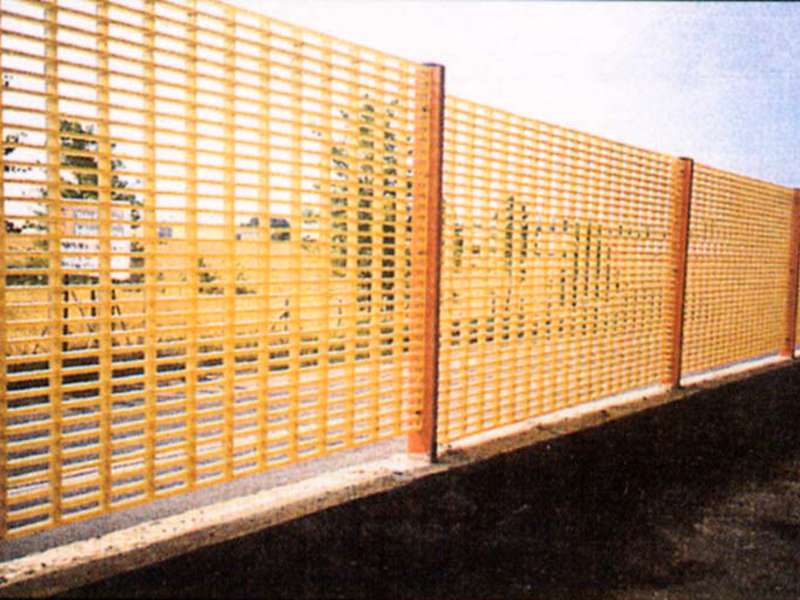
In its simplest terms, an frp handrail is a safety railing made from fiberglass reinforced plastic — that is, plastic reinforced with fine fibers of glass to improve strength and rigidity without adding weight. This composite material resists corrosion, is electrically non-conductive, and does not require painting or frequent upkeep. It’s a modern material born out of industry and humanitarian engineering demands—think of its use in disaster relief structures or corrosive offshore platforms, where quick setup and longevity are essential.
Core Components of FRP Handrails
Durability
FRP handrails resist rust, rot, and UV radiation far better than metals. This makes them ideal for coastal, chemical, or outdoor environments where exposure over time usually deteriorates traditional materials.
Lightweight & Easy Installation
Compared to steel, FRP weighs about 25-50% less, reducing labor costs and installation time. Engineers often note that this reduces reliance on heavy equipment, speeding up project timelines.
Cost Efficiency
While initial costs can be higher than standard materials, the long-term savings on maintenance and replacement often make FRP the more cost-effective choice.
Customization & Scalability
FRP handrails can be produced in various sizes, colors, and styles to meet aesthetic or function-specific demands — from industrial safety rails to decorative architectural features.
Non-Conductivity & Safety
FRP does not conduct electricity, which is a vital safety feature in electrical plants or areas with potential for electrical hazards.
Mini Takeaway: FRP handrail is not just a material—it's a tailored solution blending durability, safety, and adaptability across industries.
FRP Handrail Specifications
| Specification | Typical Value | Unit |
|---|---|---|
| Tensile Strength | 850 - 1,200 | MPa |
| Flexural Modulus | 25,000 - 35,000 | MPa |
| Density | 1.7 - 2.0 | g/cm³ |
| UV Resistance | Excellent | - |
| Electrical Conductivity | Non-Conductive | - |
Global Applications & Use Cases
FRP handrails are everywhere, really — from industrial zones in Southeast Asia, protecting chemical plant workers, to coastal walkways in Europe where corrosion is unbearable for metals. In post-disaster relief operations, NGOs lean on FRP for its rapid deployment and durability. Some remote industrial sites in the Middle East employ FRP rails to minimize the need for maintenance teams under extreme heat.
In real terms, cities investing in green infrastructure now opt for FRP to complement sustainability goals while ensuring public spaces stay safe and visually appealing.
Vendor Comparison: Popular FRP Handrail Providers
| Feature | Jrain FRP | Competitor A | Competitor B |
|---|---|---|---|
| Corrosion Resistance | Exceptional | Good | Moderate |
| Custom Colors | Available | Limited | None |
| Installation Support | Full Service | Partial | None |
| Lead Time | 2-3 weeks | 4-6 weeks | 5-8 weeks |
| Price Range | $$ | $ | $$$ |
Advantages and Long-Term Value
It feels like FRP handrails tick a lot of boxes: from cutting long-term costs to delivering on sustainability. Because they don’t rust, require repainting, or often need replacement, companies enjoy significant savings over years. On an emotional level, workers and end-users gain peace of mind knowing their safety barrier won’t fail unexpectedly. This reliability fosters trust—a crucial factor in industries where lives quite literally depend on robust infrastructure.
Future Trends and Innovations
Looking ahead, the FRP industry is evolving rapidly. New bio-based resins promise more environmentally friendly production processes, reducing carbon footprints compared to traditional composites. Integration with IoT sensors is another rising trend, allowing real-time monitoring of structural integrity — a kind of digital transformation marrying safety and technology. Also, automation in manufacturing helps deliver better consistency and scale while controlling costs. Frankly, these innovations signal an exciting future for frp handrail adoption worldwide.
Challenges & Smart Solutions
Of course, no material is perfect. FRP can face challenges like UV degradation (though UV inhibitors mitigate this), limited high-temperature tolerance, and potential brittleness under impact. However, industry experts advise tailoring resin blends and incorporating hybrid reinforcements to overcome these. Ongoing R&D and field feedback help manufacturers refine products for diverse uses.
FAQ: Frequently Asked Questions About FRP Handrail
- Q: How long do FRP handrails typically last outdoors?
A: Under normal conditions, FRP handrails can last 20-30 years or more with minimal maintenance thanks to their corrosion resistance and UV protection features. However, lifespan varies with environment and care. - Q: Are FRP handrails safe for electrical environments?
A: Yes, FRP is non-conductive, making it a safer option near electrical equipment compared to metal rails, reducing risks of shock or arc flash. - Q: Can FRP handrails be customized for architectural aesthetics?
A: Absolutely. Manufacturers can produce various colors, finishes, and profiles according to project needs, combining function with design. - Q: What maintenance do FRP handrails require?
A: Minimal. Routine cleaning with water and mild detergent is generally sufficient. Unlike steel, no repainting or rust treatment is needed. - Q: How do I import FRP handrails for international projects?
A: Working with specialized suppliers like Jrain FRP ensures compliance with international shipping and customs regulations, plus support with documentation and logistics.
Conclusion
The long-term benefits of choosing frp handrail span its unbeatable durability, safety, and low maintenance needs. Industries worldwide grow more dependent on such solutions for sustainable, cost-effective infrastructure safety. If your project faces corrosion, electrical hazards, or demands fast deployment, FRP handrails are definitely worth a look. Explore cutting-edge options today by visiting https://www.jrain-frp.com where innovation meets real-world safety.
In the end, embracing FRP handrails doesn’t just protect structures — it safeguards people and investments, a little thing with big peace of mind.
References
Latest news
-
Industrial High Pressure Fiberglass Pipe Guide and Technical SpecsNewsApr.16,2026
-
Industrial Storage Guide for Fiberglass Chemical TanksNewsApr.09,2026
-
Explore Durable and Customizable Custom Fiberglass Tanks for Your IndustryNewsApr.07,2026
-
Comprehensive Guide to Fiberglass Roof Tanks for Liquid Storage SolutionsNewsApr.04,2026
-
Comprehensive Guide to Durable and Corrosion Resistant Glass Fiber TanksNewsMar.31,2026
-
Comprehensive Guide to Tank Fiberglass Solutions and Their Diverse ApplicationsNewsMar.28,2026