



Durable & Efficient GRP Insulation Tanks for Industrial Storage
Understanding the GRP insulation tank: An Industrial Perspective
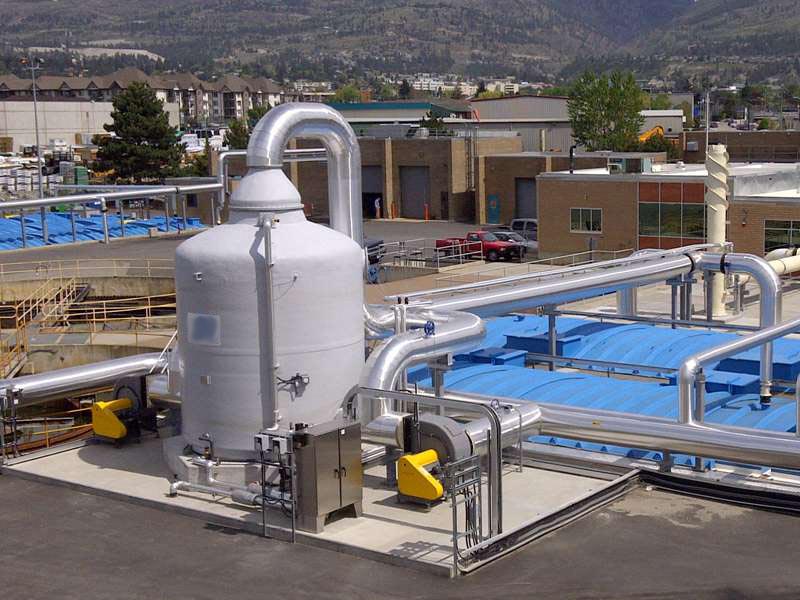
Having spent well over a decade in the industrial equipment sector, I've seen my fair share of tank solutions—from the classics in carbon steel to the more contemporary composite designs. The GRP insulation tank has always struck me as one of those smartly versatile pieces of kit that you often overlook until it makes a real difference. In real terms, glass-reinforced plastic (GRP) insulation tanks bring a blend of durability and thermal performance that’s hard to beat.
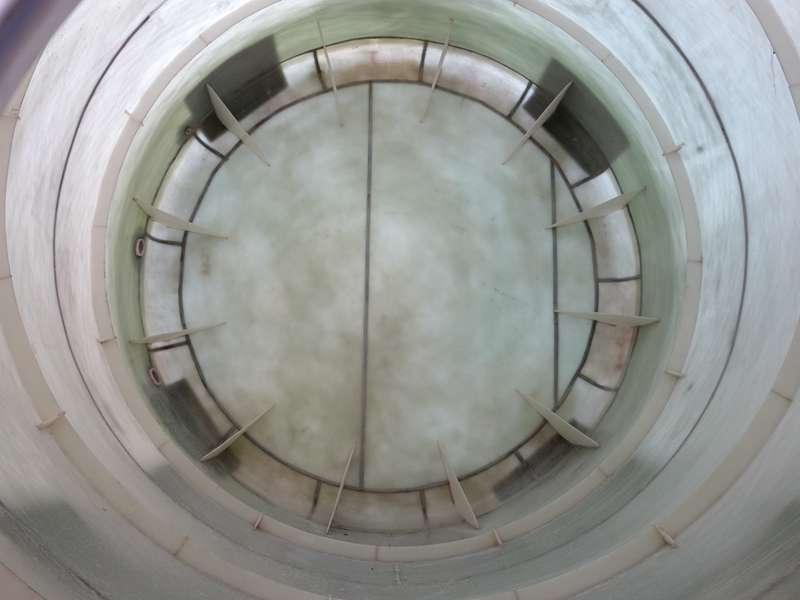
Now, from what I’ve observed, these tanks are not just about storing fluids safely. Their design cleverly integrates insulation directly into the tank walls, which helps maintain temperature stability in processes where heat loss or gain could be a costly problem. Oddly enough, when I first got introduced to GRP tanks, I was struck by how lightweight yet robust they felt—a far cry from the clunky steel containers we used to lug around.
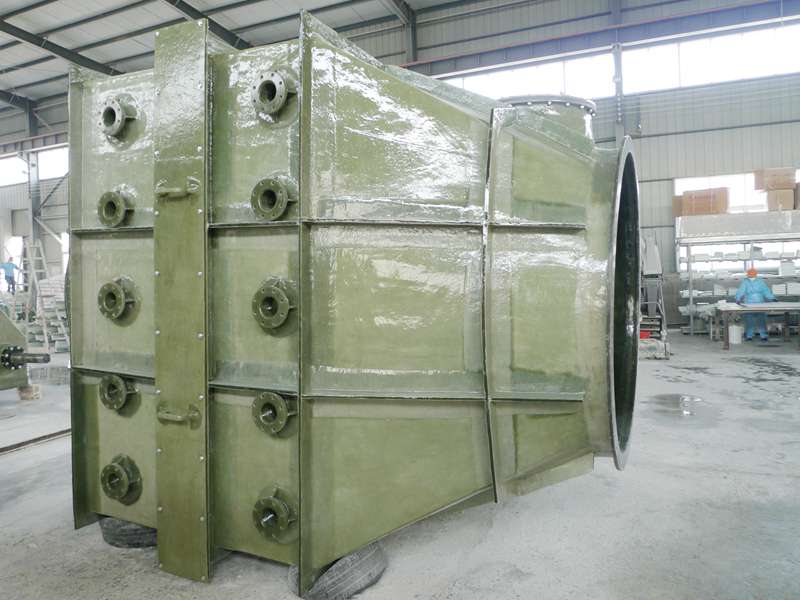
One thing worth highlighting is the material composition. GRP tanks typically combine a polyester resin matrix reinforced with glass fibers. This combination results in excellent corrosion resistance—something chemical plants and wastewater treatment facilities appreciate immensely. In fact, many engineers I've worked with find these tanks to be a game-changer when handling aggressive or corrosive substances. It’s like having the strength of steel but without the susceptibility to rust.
Since thermal insulation is central to these tanks, manufacturers employ various insulating materials like polyurethane foam injected between the inner and outer layers. The result? A tank that keeps contents within specified temperature ranges much longer, lowering energy costs for heating or cooling. I remember a customer who switched from standard steel tanks to GRP insulated versions and reported notable savings on their thermal management bills—enough to justify the upfront investment within the year.
Customization is often a point of pride with these tanks too. Depending on the project’s complexity, they can be sized anywhere from a few hundred liters to several thousand cubic meters. You’ll find options for manholes, integrated mixers, or heating coils, making them suitable for everything from chemical mixing to food processing. It feels like the manufacturers have listened closely to the industrial community’s needs, and that’s always a good sign.
| Feature | Description |
|---|---|
| Material | Glass Reinforced Plastic with Polyester Resin |
| Insulation Type | Polyurethane Foam (core insulation) |
| Temperature Range | -40°C to 120°C |
| Capacity | 500 Liters – 50,000 Liters (customizable) |
| Corrosion Resistance | Excellent for acidic & alkaline fluids |
| Typical Uses | Chemical storage, wastewater, food processing |
If you’re wondering how to choose the right supplier, it’s honestly a mixed bag, but I’ll boil down some essentials. Aside from production quality and adherence to standards, consider after-sales support and delivery timelines—things that might seem minor until you’re under pressure to get a plant back online.
| Vendor | Customization | Lead Time | Price Range | After-Sales Support |
|---|---|---|---|---|
| Jrain FRP | High – tailored tank design & insulation | 4-8 weeks | Mid-Range | Responsive, technical site support |
| Vendor B | Moderate – standard sizes available | 6-10 weeks | Budget | Limited technical support |
| Vendor C | High – extensive customization options | 8-12 weeks | Premium | Comprehensive support & training |
One customer anecdote I recall: a mid-sized brewery switched their fermentation tanks out with GRP insulated tanks from Jrain FRP. They praised the consistent temperature control and noticeably reduced contamination risks thanks to the non-porous lining. That kind of feedback, you know, really drives home why materials and design matter beyond just the specs.
Frankly, for anyone in industries where corrosion and temperature control are constant headaches, a GRP insulation tank is worth serious consideration. While the upfront cost might feel a bit more than traditional steel, the longevity and efficiency gains tend to tip the balance.
In the end, the tech hasn’t stood still since we first started using fiberglass tanks in the 80s—it’s evolved to be smarter, tougher, and more flexible. And I’d say that’s the kind of progress any plant manager or engineer wants on their team.
— From one industry veteran to the next, keep your tanks insulated and your margins intact.
References:
1. Industrial FRP Applications Journal, 2021
2. Chemical Processing Magazine, 2022 Tank Technology Review
3. Personal interviews with process engineers, Midwest USA, 2023


Latest news
-
Industrial High Pressure Fiberglass Pipe Guide and Technical SpecsNewsApr.16,2026
-
Industrial Storage Guide for Fiberglass Chemical TanksNewsApr.09,2026
-
Explore Durable and Customizable Custom Fiberglass Tanks for Your IndustryNewsApr.07,2026
-
Comprehensive Guide to Fiberglass Roof Tanks for Liquid Storage SolutionsNewsApr.04,2026
-
Comprehensive Guide to Durable and Corrosion Resistant Glass Fiber TanksNewsMar.31,2026
-
Comprehensive Guide to Tank Fiberglass Solutions and Their Diverse ApplicationsNewsMar.28,2026