

Durable FRP Cover Solutions for Industrial Equipment | JRAIN FRP
Understanding the FRP Cover: A Practical Guide from Industry Experience
Having spent a good part of my career amid the hum and clatter of industrial equipment, I’ve come to appreciate the quiet unsung hero that is the FRP cover. You don’t always notice it — until something goes wrong without one. Frankly, these covers feel like the protective shield that silently guards against both wear and unexpected environmental punches.
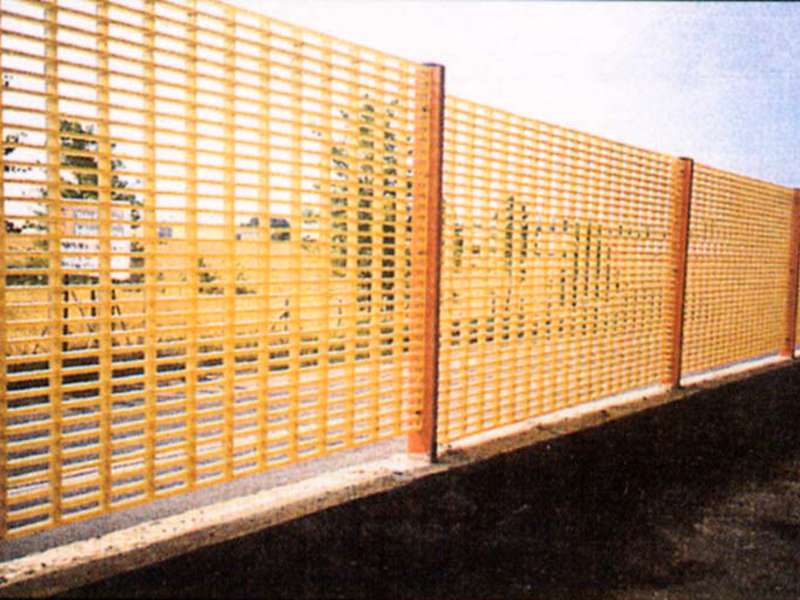
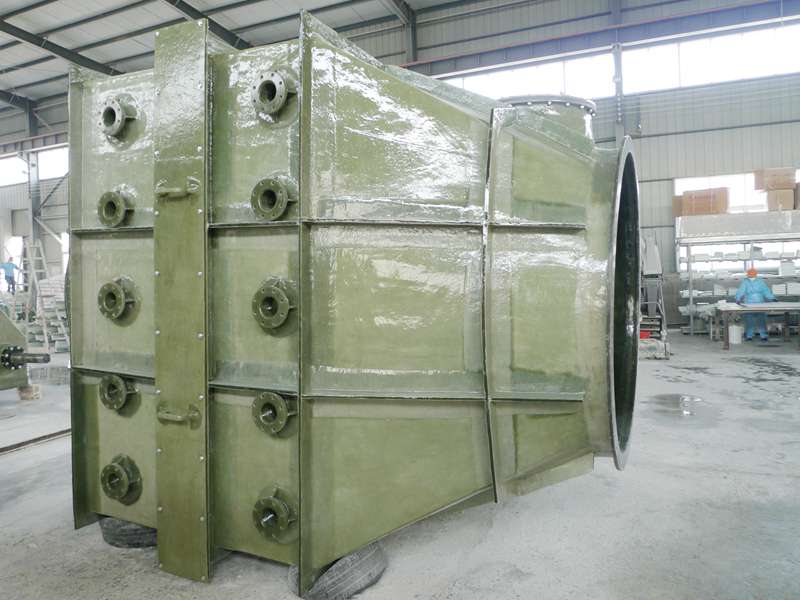
So what exactly is an FRP cover? In real terms, “FRP” stands for Fiber Reinforced Polymer, a composite material consisting of a polymer matrix reinforced with fibers like glass — though sometimes carbon or aramid fibers get tossed in too. This combo yields something lightweight yet remarkably tough, corrosion-resistant, and durable. Oddly enough, the balance between strength and flexibility is what sets these covers apart from traditional metal or plastic alternatives.
Over the years, I’ve noticed a growing trend toward FRP in industrial settings, especially in corrosive or outdoor environments. Engineers and plant managers alike say it stands up to chemical exposure, moisture, and UV rays far better than their old steel or aluminum covers. Of course, performance varies depending on the exact resin and fibers used — but the advancements in resin technology alone (like vinyl ester or epoxy resins) make it even more robust.
Here’s a quick glance at what you might expect from a typical FRP cover specification:
| Feature | Specification |
|---|---|
| Material | Glass fiber reinforced vinyl ester resin |
| Thickness | 6 mm (varies by customization) |
| Color | Light grey or custom colors available |
| UV Resistance | Excellent (tested per ASTM G154) |
| Load Capacity | Up to 500 kg distributed load |
| Fire Rating | Class B1 (flame retardant) |
From my experience, customization is a major plus. You can generally tweak size, thickness, color, even texture. That means your FRP cover fits perfectly and performs reliably — which is often worth the premium. I recall once working with a plant that needed covers that resisted both extreme heat and chemical splash. They went with a customized vinyl-ester based FRP with heavier glass layering, and honestly, it lasted years longer than anyone expected.
When weighing options, it’s smart to compare different vendors to see how their FRP covers stack up. Here’s a comparison highlighting a few key players — something I’ve found useful when advising clients or procuring parts:
| Vendor | Material Quality | Customization | Delivery Time | Warranty |
|---|---|---|---|---|
| JRAIN FRP | High-grade vinyl ester resin + quality fibers | Extensive (size, color, finish) | 3-4 weeks typical | 5 years |
| Alpha Composites | Standard epoxy resins | Moderate (sizes only) | 2-3 weeks | 3 years |
| Beta Plastics | Glass fiber with polyester resin | Limited (color only) | 1-2 weeks | 2 years |
Choosing the right FRP cover really depends on your specific use case. If you’re dealing with harsh chemicals or outdoor exposure, you want to prioritize resin type and UV resistance. For heavy mechanical loads, fiber orientation and thickness are key. I suppose no surprise there, but having options from a reliable supplier like JRAIN FRP makes a real difference — they’ve earned trust by walking the talk with consistent quality.
A little anecdote to end on: there was a midsized wastewater plant I visited a few years back. They’d switched their old steel covers to FRP ones after corrosion ruined their previous line within two years. The plant manager told me they haven't had a single replacement since. You know, that kind of operational peace of mind is priceless—especially when every minute of downtime costs a small fortune.
In the end, FRP covers might not make headlines, but they're workhorses that keep industrial operations ticking smoothly. And honestly? Once you see them in action, it feels like you can’t imagine managing without them.
References:
1. ASTM G154 – Standard Practice for Operating Fluorescent Ultraviolet (UV) Lamp Apparatus for Exposure of Nonmetallic Materials.
2. “Advances in Composite Materials for Industrial Applications,” Journal of Industrial Polymers, 2021.
3. Personal conversations and field visits, 2018–2023.
Latest news
-
Industrial High Pressure Fiberglass Pipe Guide and Technical SpecsNewsApr.16,2026
-
Industrial Storage Guide for Fiberglass Chemical TanksNewsApr.09,2026
-
Explore Durable and Customizable Custom Fiberglass Tanks for Your IndustryNewsApr.07,2026
-
Comprehensive Guide to Fiberglass Roof Tanks for Liquid Storage SolutionsNewsApr.04,2026
-
Comprehensive Guide to Durable and Corrosion Resistant Glass Fiber TanksNewsMar.31,2026
-
Comprehensive Guide to Tank Fiberglass Solutions and Their Diverse ApplicationsNewsMar.28,2026