

Durable FRP Handrail Solutions for Industrial Safety | JRain FRP
Understanding FRP Handrail: Durable Safety for Industrial Settings
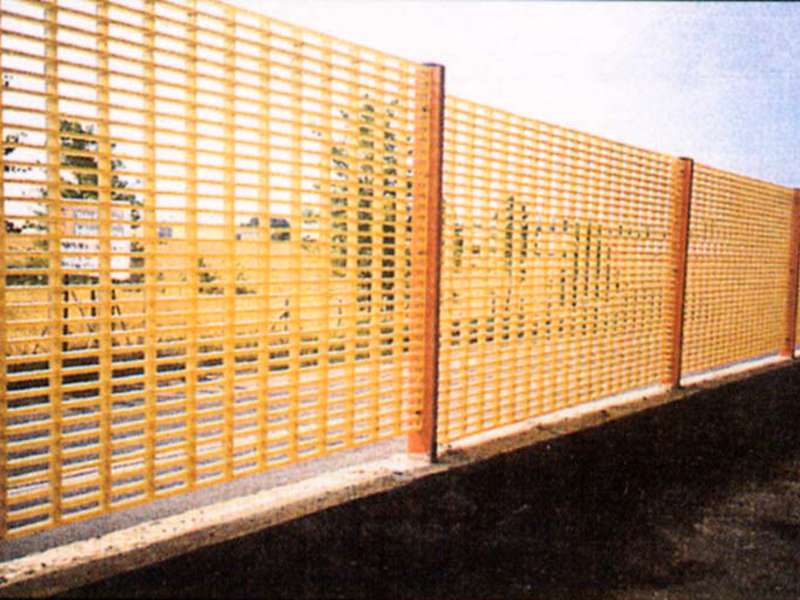
Having worked in the industrial equipment sector for over a decade, I’ve seen a fair share of safety railing solutions come and go. But FRP handrail has steadily gained traction—and for good reasons. This fiber-reinforced polymer material blends strength, corrosion resistance, and low maintenance in a way that feels almost engineered for tough environments.
You know, those old steel handrails that used to rust out or require constant repainting could really wear on maintenance crews. It’s not just the weathering; chemical plants, wastewater treatment facilities, and offshore platforms demand materials that don’t fail under exposure to moisture, chemicals, or salt. Frankly, FRP handrails shine exactly here.
What strikes me is how versatile these handrails are. They can be configured into various profiles—round, square, or even custom shapes. The manufacturing process uses pultrusion (if you’re curious), which pulls the fibers through resins to form strong, rigid profiles that won’t warp or splinter. This reliability is crucial for worker safety.
I once worked with a client who switched from metal to FRP handrails around a large chemical storage yard. They told me that upkeep time dropped by nearly 60% over a year, simply because the handrails were impervious to chemical corrosion. That kind of real-world feedback always stays with me—it’s one thing to read about specs, but quite another to see it in action.
| FRP Handrail Specification | Details |
|---|---|
| Material | Fiber Reinforced Polymer (Glass Fiber + Resin) |
| Corrosion Resistance | Excellent resistance to chemicals, moisture, and UV |
| Weight | Significantly lighter than steel (approx. 1/4 weight) |
| Maintenance | Minimal, no painting or rust treatment necessary |
| Safety Features | Non-conductive, slip-resistant surface options available |
| Customization | Profile shapes, colors, and mounting styles tailored to project needs |
Oddly enough, I’ve noticed that many engineers initially hesitate around FRP because it’s a composite, not metal. But those doubts tend to dissipate after a few onsite inspections and testing. In fact, FRP handrails pass rigorous load and impact testing per ASTM standards, and their non-conductive nature often becomes a safety bonus in electrical environments.
Here’s a quick vendor comparison I pulled together from my recent industry shows and discussions. It’s not exhaustive—you’ll want to reach out for detailed quotes—but it helps highlight the different strengths between suppliers:
| Vendor | Product Range | Customization | Lead Time | Pricing |
|---|---|---|---|---|
| JRain FRP | Extensive (handrails, ladders, gratings) | Highly customizable profiles & coatings | 4-6 weeks typical | Competitive |
| FiberStrong Co. | Focused on handrails & guardrails | Standard profiles, limited colors | 3-5 weeks | Mid-range |
| CorroGuard Solutions | Wide range of industrial composites | Custom fabrication available | 6-8 weeks | Premium |
If you’re in the market for reliable, low-maintenance safety equipment, and especially if your project involves harsh environments, I’d honestly recommend researching FRP handrail systems more closely. Their balance of strength, weight, and corrosion resistance is hard to beat.
In real terms, investing in FRP handrails isn’t just about initial cost—it’s about lifecycle savings, reduced downtime, and better worker safety. Those factors add up, and many facilities I’ve worked with report significant satisfaction years down the line.
A final thought: no material is perfect for every job, but FRP handrails come close for industrial safety barriers. And if you do have questions, I suppose that’s one reason experts exist—to navigate those subtle differences.
References:
- ASTM International, Standards for Pultruded FRP Products
- Industrial Safety Journal, "Comparing Handrail Materials for Corrosive Environments," 2022
- JRain FRP Product Manuals and Technical Data Sheets
Latest news
-
Industrial High Pressure Fiberglass Pipe Guide and Technical SpecsNewsApr.16,2026
-
Industrial Storage Guide for Fiberglass Chemical TanksNewsApr.09,2026
-
Explore Durable and Customizable Custom Fiberglass Tanks for Your IndustryNewsApr.07,2026
-
Comprehensive Guide to Fiberglass Roof Tanks for Liquid Storage SolutionsNewsApr.04,2026
-
Comprehensive Guide to Durable and Corrosion Resistant Glass Fiber TanksNewsMar.31,2026
-
Comprehensive Guide to Tank Fiberglass Solutions and Their Diverse ApplicationsNewsMar.28,2026