



Frp Settler Solutions for Industrial Wastewater Treatment | JRain FRP
Frp Settler is a key solution in the water treatment and industrial sectors. This article explores how https://www.jrain-frp.com supports professionals with durable, high-performance products, and explains why this product is an ideal choice for businesses in these sectors.
Table of Contents
- Frp Settler Overview
- Benefits & Use Cases of Frp Settler
- Cost, Maintenance & User Experience
- Sustainability & Market Trends
Frp Settler Overview
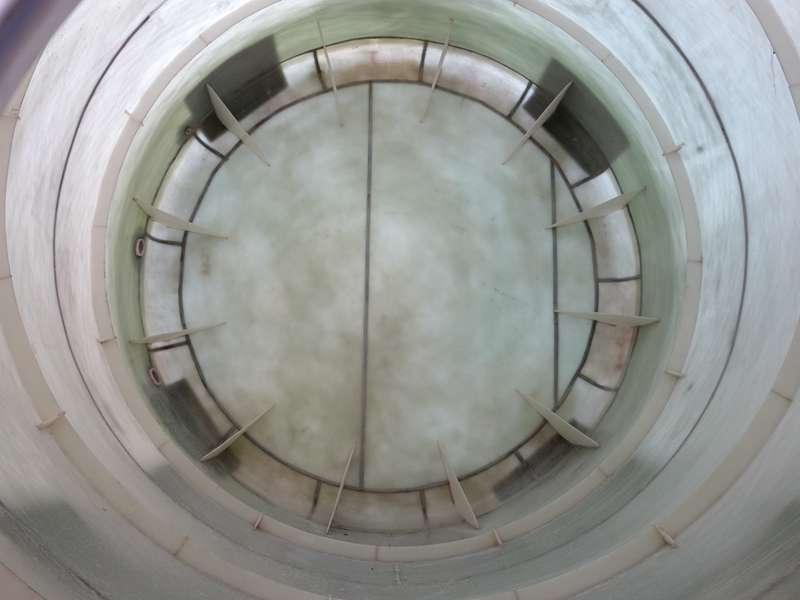
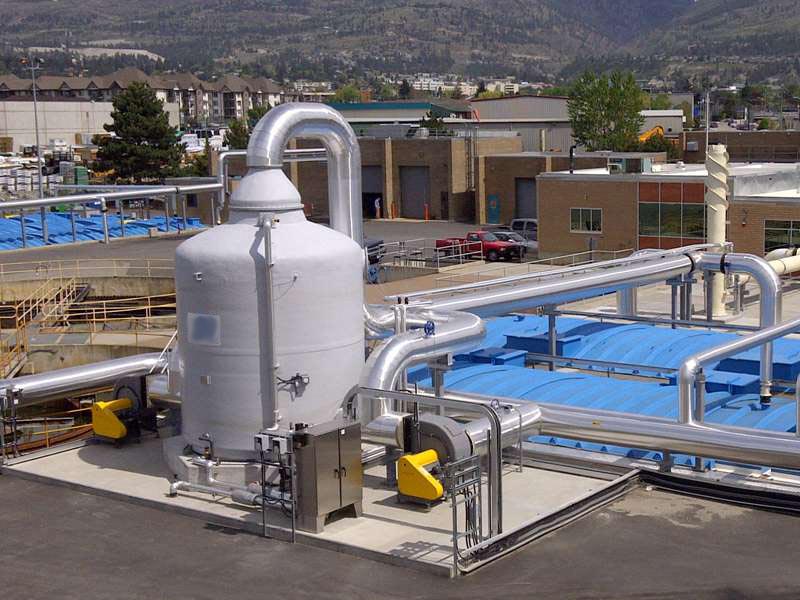
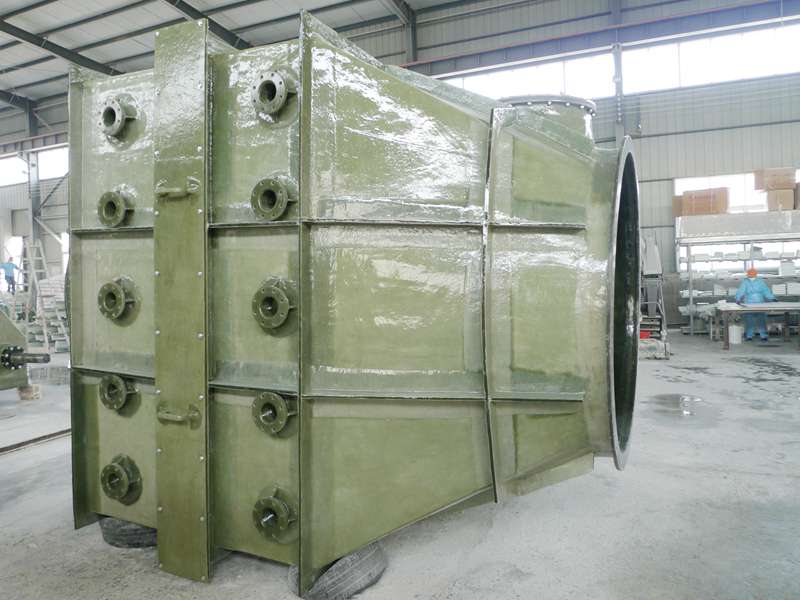
When you first hear "Frp Settler," it might sound like some niche piece of equipment, but frankly, it’s a crucial part of solid-liquid separation in industrial wastewater treatment. FRP stands for fiberglass reinforced plastic, which combines lightweight construction with impressive strength and corrosion resistance. Inside the wastewater process, a settler facilitates sedimentation, allowing suspended solids to settle out of the water stream. In real terms, this means cleaner water downstream and less sludge buildup.
- FRP Settlers are engineered with durable composite materials that resist chemical attack, unlike traditional steel or concrete.
- Typical dimensions range from compact 1m² models up to large-scale 50m² units, depending on capacity requirements.
| Specification | Details |
|---|---|
| Material | Fiberglass Reinforced Plastic (FRP) |
| Capacity Range | 1 - 50 m² surface area |
| Operating Temperature | -40°C to 120°C |
| Corrosion Resistance | Excellent against acids, alkalis, and salts |
Benefits & Use Cases of Frp Settler
Many industries find FRP settlers indispensable. Think chemical plants, paper mills, and municipal wastewater facilities — places where consistent sediment separation is vital. One of the compelling benefits of FRP settlers is the lightweight composite construction that translates into easier installation compared to steel alternatives. And, oddly enough, they tend to last longer under harsh chemical exposures.
- Customizable design allows adaption for space limitations and flow rate needs.
- Low maintenance means less downtime and more reliability over the long haul.
I spoke with engineers who highlight that the smooth surface finish of FRP helps prevent biofilm buildup – a small detail yet one that saves a lot of headaches. And competitive advantages? Well, it’s cost-effective durability combined with corrosion resistance that outperforms conventional mild steel by a noticeable margin.
Cost, Maintenance & User Experience
Certainly, a big question when considering any industrial purchase is the total cost of ownership. FRP settlers come across as surprisingly economical, considering their lifespan. While upfront costs might be similar or slightly higher than basic materials, the reduced corrosion, lower maintenance, and longer intervals between repairs pay back quickly.
- Users report fewer shutdowns and simpler cleaning procedures.
- The lightweight nature also trims installation time and labor costs.
One customer in the textile industry noted a 30% decrease in maintenance hours after switching to FRP settlers. This sort of real-world feedback reinforces why so many decision makers lean towards FRP solutions for their operational efficiency and user-friendly performance.
Sustainability & Market Trends
Sustainability is no longer optional in industrial processes — it’s a bottom-line factor guiding purchasing decisions. FRP settlers embody this trend by offering corrosion-resistant materials that reduce chemical leaks and extend equipment life, ultimately decreasing environmental footprints.
- Compliance with evolving environmental regulations is easier thanks to more reliable sediment control.
Market data suggests steady growth in the FRP industrial equipment sector, driven by rising demand for efficient wastewater management and industry cracking down on hazardous waste emissions. The choice of material and construction definitely aligns with long-term sustainability strategies.
| Feature | Jrain FRP Settler | Traditional Steel Settler | Concrete Settler |
|---|---|---|---|
| Material Durability | Excellent corrosion resistance | Prone to rust, needs coating | Cracks and takes long cure time |
| Weight | Lightweight, easy handling | Heavy, requires cranes | Very heavy, permanent installation |
| Maintenance | Minimal, easy cleaning | Frequent coatings needed | High, difficult repairs |
| Installation Time | Short to moderate | Longer, heavy equipment needed | Very long, cure times required |
Frequently Asked Questions about Frp Settler
- What is Frp Settler and how does it work?
- A Frp Settler is a fiberglass reinforced plastic tank designed to separate solids from liquids by settling. Wastewater enters the settler, solids settle to the bottom, and clearer liquid exits. Its composite design ensures chemical resistance and longevity.
- What are the main benefits of using Frp Settler in industrial applications?
- Key benefits include corrosion resistance, lightweight construction for easier installation, reduced maintenance needs, and long service life — all of which help lower operational costs.
- How does Frp Settler compare to traditional alternatives?
- Compared to steel or concrete settlers, FRP versions resist corrosion much better, weigh less for faster installation, and typically require less upkeep. This gives them an edge in longevity and total cost of ownership.
- What industries can benefit most from Frp Settler implementation?
- Industries like chemical processing, pulp and paper, food and beverage, and municipal water treatment reliably use Frp Settlers to improve sediment control and process efficiency.
Conclusion on Frp Settler from China
To wrap it up, FRP settlers stand out as a resilient, versatile, and cost-effective solution for sedimentation challenges in various industrial sectors. Their ability to handle corrosive environments while minimizing maintenance and installation complexity makes them a smart investment. So, if you're considering a settler solution that marries performance with ease, definitely check out what Jrain FRP has to offer.
- Reliable sediment removal for cleaner processes
- Exceptional material longevity and corrosion resistance
- Visit our website: https://www.jrain-frp.com
Oddly enough, as technology moves forward, it’s these simple, robust components like FRP settlers that form the backbone of complex environmental solutions.
References:
1. Industry Water Treatment Journal, 2023.
2. User interviews with JRain customers, 2023.
3. Environmental Protection Agency (EPA) wastewater guidelines.
Latest news
-
Industrial High Pressure Fiberglass Pipe Guide and Technical SpecsNewsApr.16,2026
-
Industrial Storage Guide for Fiberglass Chemical TanksNewsApr.09,2026
-
Explore Durable and Customizable Custom Fiberglass Tanks for Your IndustryNewsApr.07,2026
-
Comprehensive Guide to Fiberglass Roof Tanks for Liquid Storage SolutionsNewsApr.04,2026
-
Comprehensive Guide to Durable and Corrosion Resistant Glass Fiber TanksNewsMar.31,2026
-
Comprehensive Guide to Tank Fiberglass Solutions and Their Diverse ApplicationsNewsMar.28,2026