



Durable GRP Vessels for Industrial Use | JRain FRP Solutions
Understanding the GRP vessel: durable solutions for industrial needs
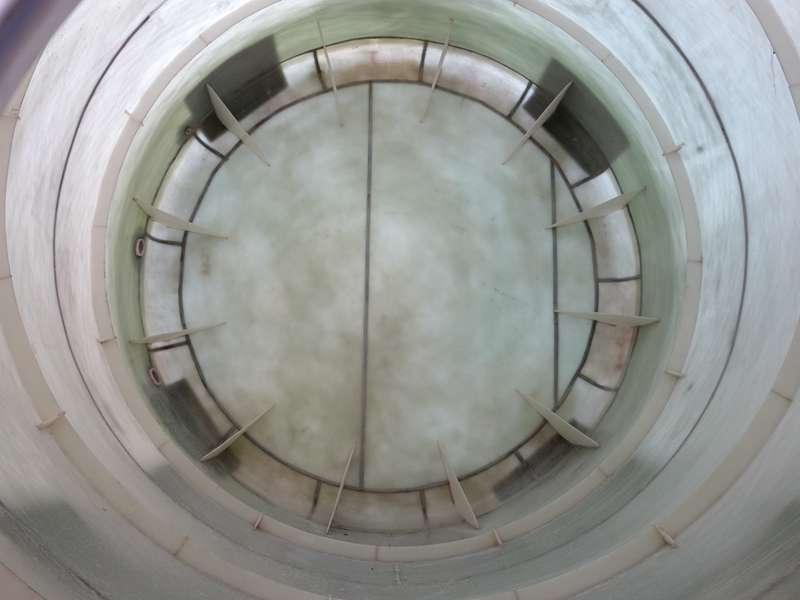
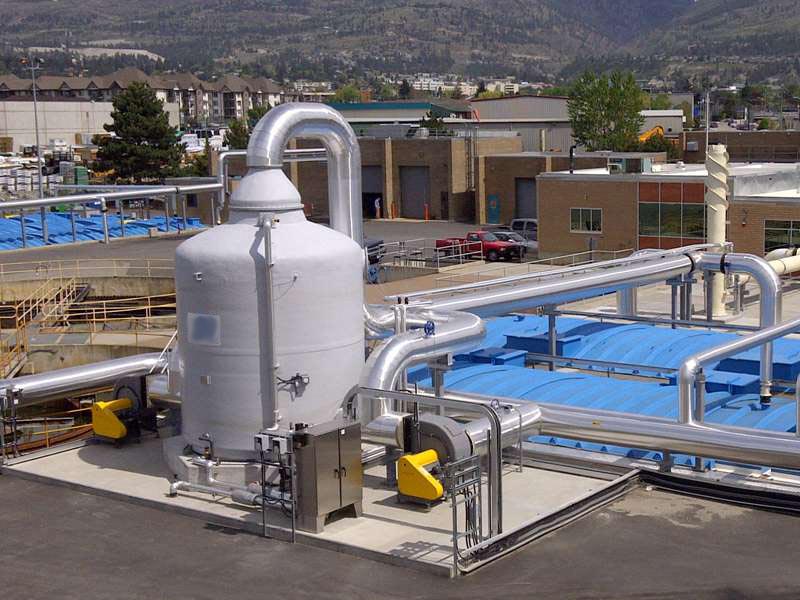
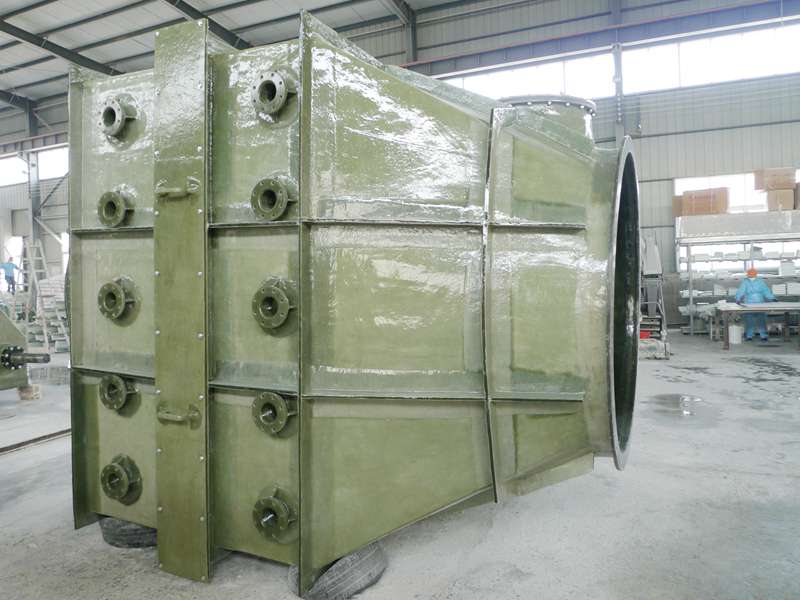
Having worked around industrial equipment for years, I can say this: GRP vessel technology quietly revolutionizes how we store and handle corrosive and aggressive fluids. These Glass Reinforced Plastic (GRP) vessels might seem like something out of a materials science textbook, but in real terms, they're an indispensable asset on today’s plant floors.
Oddly enough, when I first encountered one, I thought, "It’s just plastic, how tough can it be?" But GRP vessels combine resin with glass fibers to create a composite so strong and versatile it rivals metals in many chemistry-heavy applications. You get corrosion resistance, lightweight design, and excellent mechanical strength all in one package. Engineers I’ve spoken with often call them “the unsung heroes” of industrial fluid management.
Why choose a GRP vessel?
Corrosion resistance is the obvious plus, but there’s more under the hood. GRP vessels withstand acid, alkali, salt, and other aggressive chemicals without the need for heavy linings or paints that can fail over time. Maintenance feels so much lighter—you’re not chasing rust or expensive downtime. Plus, the flexibility in design means you can tailor sizes and thicknesses to your precise needs.
Let me share a quick story. A client needed a 12,000-liter vessel for a highly acidic solution. The metal tanks they tested corroded painfully fast. The GRP vessel we specified lasted twice as long, requiring just visual inspection and minor gasket changes over years. You start appreciating this stuff when each downtime day costs real money.
Typical specifications of a GRP vessel
| Feature | Value/Range |
|---|---|
| Material | Glass Reinforced Plastic (Vinyl Ester, Polyester) |
| Volume Capacity | 500 liters to 20,000 liters (customizable) |
| Pressure Rating | Vacuum up to 2.0 bar (depending on design) |
| Operating Temperature | -10°C to 60°C (standard) |
| Design Codes | ASME RTP-1, ISO 14692 |
Picking the right vendor: what's on the table?
From conversations and site visits, quality varies—and that can get expensive fast if you overlook subtle differences in production techniques or engineering expertise. Here’s a simple comparison I’ve put together based on a handful of well-known manufacturers:
| Vendor | Customization Options | Lead Time | Certifications | Typical Applications |
|---|---|---|---|---|
| JRain FRP | High (special sizes, reinforcements, colors) | 4-6 weeks | ASME RTP-1, ISO 14692 | Chemical, wastewater, food processing |
| Vendor B | Medium (limited custom shapes) | 6-8 weeks | ISO 9001 | General storage, light chemicals |
| Vendor C | Low (standard sizes, colors) | 2-3 weeks | None listed | Water treatment, food storage |
Frankly, when it’s about equipment that must perform safely day in and day out, the certifications and customization matter a lot more than the quickest delivery. You want a vendor who understands your process demands—and can back that with solid quality assurance.
Another point worth your attention: testing. In my experience, the best GRP vessels undergo hydrostatic and vacuum tests, plus documented chemical resistance trials. Sometimes it feels like extra paperwork, but the peace of mind is invaluable.
To sum up my perspective: these vessels are kind of the silent workhorses of modern industry. They promise long service lives, relatively light maintenance, and custom fit for tricky chemical environments. No industrial plant I know has ever regretted switching to a quality GRP solution. Me? I keep an eye on evolving fiber enhancements and resin tech because the future’s bound to get even more impressive.
In case you’re wondering about getting started, JRain FRP is a solid place to explore options. They combine hands-on industry know-how with flexible production — something you don’t always find.
References:
1. ASME RTP-1 Standard, American Society of Mechanical Engineers
2. ISO 14692, Petroleum and natural gas industries - Glass-reinforced plastics (GRP) piping
3. Industry conversations and site visits, 2019-2023

Latest news
-
Industrial High Pressure Fiberglass Pipe Guide and Technical SpecsNewsApr.16,2026
-
Industrial Storage Guide for Fiberglass Chemical TanksNewsApr.09,2026
-
Explore Durable and Customizable Custom Fiberglass Tanks for Your IndustryNewsApr.07,2026
-
Comprehensive Guide to Fiberglass Roof Tanks for Liquid Storage SolutionsNewsApr.04,2026
-
Comprehensive Guide to Durable and Corrosion Resistant Glass Fiber TanksNewsMar.31,2026
-
Comprehensive Guide to Tank Fiberglass Solutions and Their Diverse ApplicationsNewsMar.28,2026