



Essential Guide to FRP Insulation Tanks: Durable, Efficient Storage Solutions
Understanding FRP Insulation Tanks: Durable Solutions for Modern Industry
Whenever we talk about industrial storage or insulation in harsh environments, frp insulation tanks inevitably come up. These composite tanks, made by combining fiber-reinforced plastics, are quietly revolutionizing industries worldwide. They're not just containers; they embody a blend of engineering, sustainability, and innovation that addresses some pressing global challenges — from chemical storage safety to water conservation.
Why does that matter? Well, industries from oil refining to wastewater treatment demand storage solutions that withstand corrosion and extreme temperatures, use less energy, and last longer. FRP insulation tanks answer these needs effectively, often replacing traditional materials with something that’s lighter, stronger, and more versatile. In a world where resource efficiency and reliability are crucial, these tanks are quietly shaping a more sustainable future.
Global Context: Why FRP Insulation Tanks Are Gaining Momentum
According to data from the International Organization for Standardization (ISO), industries globally are adopting composite materials to reduce carbon footprints and improve safety measures. The chemical and water treatment sectors, responsible for billions of gallons of fluids daily, increasingly require tanks that resist corrosion without extensive maintenance.
Oddly enough, many regions—including parts of Asia and the Middle East—face extreme climate challenges where steel or concrete tanks falter quickly. FRP insulation tanks provide a timely solution here, offering durability in harsh environments and helping operators meet strict environmental regulations. The World Bank reports that investing in resilient infrastructure like FRP tanks significantly reduces long-term operational risks and costs, particularly in developing economies.
What Exactly Is an FRP Insulation Tank?
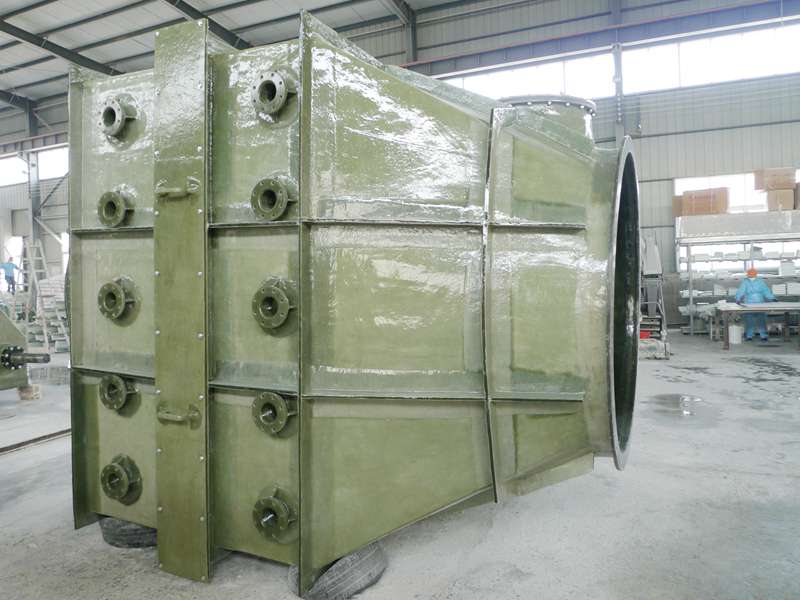
Simply put, an FRP insulation tank is a storage vessel constructed using a composite of fiberglass reinforcement combined with resin. This results in a strong yet lightweight structure that resists corrosion and thermal degradation. The insulation here refers to the foam or other materials sandwiched between FRP layers to maintain stable internal temperatures — critical for chemicals, potable water, and other sensitive liquids.
This isn’t just niche tech. Think about humanitarian efforts or remote industrial zones where conventional tanks need frequent upkeep. FRP insulation tanks, with their superior thermal retention and durability, help protect stored substances and maintain cleanliness, making them essential in contexts ranging from clean water storage to refined chemical processing.
Core Features of FRP Insulation Tanks
1. Durability and Corrosion Resistance
Unlike steel tanks, FRP tanks resist rust, chemical attack, and UV damage. This durability extends service life by decades in many cases. For operators in coastal areas or with aggressive chemicals, this translates to fewer shutdowns and repair costs.
2. Thermal Insulation Capability
The insulation layers inside the tank provide effective temperature regulation, which reduces energy spent on heating or cooling stored liquids. Maintaining steady temperatures, especially in winter or scorching summers, improves product quality and safety.
3. Lightweight and Easy Installation
Compared to concrete or steel, these tanks are much lighter. That means easier transportation and installation, especially in difficult or remote locations — arguably one of the biggest practical advantages.
4. Cost Efficiency Over Long Term
While initial costs can be higher than traditional tanks, the low maintenance and energy savings balance those out over the tank’s lifespan. Many engineers note the "pay-for-performance" aspect of FRP tanks makes them a savvy investment.
5. Customization Potential
The manufacturing process allows for tailored sizes, shapes, and insulation thicknesses depending on the use case, adding to their flexibility in industrial applications.
Mini Takeaway:
FRP insulation tanks combine strength, insulation, and adaptability to address real-world industrial challenges — a blend that’s hard to beat.
Typical Applications Across Industries and Regions
In practical terms, FRP insulation tanks find their way into:
- Water treatment plants in Asia and the Middle East, where corrosion levels are high and consistent thermal control is needed.
- Oil refineries requiring chemical-resistant tanks that maintain product stability despite extreme temperatures.
- Remote mining operations often located in harsh climates and logistics-challenging zones.
- Disaster relief setups, where quick deployment of clean water storage with thermal insulation is critical.
For example, in recent post-flood relief efforts in Southeast Asia, FRP insulation tanks were used for safe potable water storage, supporting thousands with reliable hygiene infrastructure.
Advantages and Long-Term Value of FRP Insulation Tanks
Beyond specs and prices, what’s really compelling is the blend of tangible and emotional benefits that these tanks bring. Sure, they’re cost-effective over the long run, reducing energy use and maintenance. But they also safeguard industries from downtime—a pretty big deal when you’re juggling complex logistics or tight regulatory timelines.
And there’s something deeper: providing safety and dignity. Consider clean water storage in vulnerable communities—reliable tanks mean safer drinking water, fewer illnesses, and ultimately, a better quality of life. It’s innovation serving humanity, which, frankly, is always a worthwhile goal.
Looking Ahead: Future Trends and Innovations
The future for frp insulation tanks looks pretty exciting. Researchers are experimenting with bio-based resins and recycled fibers to make tanks even greener. Digital sensors integrated into tanks enable real-time monitoring of temperature and structural integrity — a part of the growing digital transformation wave sweeping industrial infrastructure.
Automation in manufacturing is speeding up production cycles, while policy trends are pushing for higher sustainability standards worldwide. I wouldn’t be surprised if smart, self-insulating tanks become standard in the next decade or so — especially as climate challenges become more severe.
Challenges and Solutions
Of course, no technology is without challenges. Some hesitations around FRP tanks involve initial cost and concerns about fire resistance or chemical compatibility. Although these issues are real, ongoing advances—like fire-retardant resin formulations and bespoke design options—are steadily addressing them.
Expert engineers often recommend thorough needs analysis and vendor vetting to optimize tank selection and installation. It’s not rocket science, but a thoughtful approach always pays off.
FAQ: Common Questions About FRP Insulation Tanks
- Q: How long do FRP insulation tanks last under harsh chemical exposure?
A: Typically 20–30 years, depending on the specific chemical and maintenance. The corrosion resistance of FRP ensures durability far beyond standard materials in most industrial environments. - Q: Can FRP tanks be customized for unusual shapes or sizes?
A: Yes, customization is one of their key advantages. Manufacturers tailor insulation layers, dimensions, and fittings to meet specialized operational needs. - Q: Are FRP insulation tanks environmentally friendly?
A: They reduce maintenance-related waste and energy consumption. Newer bio-based materials are making them even more sustainable. - Q: How fast can these tanks be deployed in remote areas?
A: Thanks to their lightweight design, delivery and installation often take a fraction of the time compared to steel or concrete options, sometimes in just a few weeks. - Q: What maintenance do FRP insulation tanks require?
A: Minimal – regular inspections for damage and cleaning suffice; no need for frequent repainting or corrosion treatment common with metal tanks.
Conclusion: Your Go-To Solution for Long-Lasting Storage
Pulling everything together, frp insulation tanks are a smart, durable investment for industries requiring reliability and efficiency. They blend technological strength with sustainability, helping global industries rise to modern challenges.
Curious to explore robust storage solutions? Visit our website and see how frp insulation tanks can transform your operations.
Oddly enough, once you start looking into these tanks, it’s hard to imagine going back. Their quiet resilience is kind of inspiring.
References:


Latest news
-
Industrial High Pressure Fiberglass Pipe Guide and Technical SpecsNewsApr.16,2026
-
Industrial Storage Guide for Fiberglass Chemical TanksNewsApr.09,2026
-
Explore Durable and Customizable Custom Fiberglass Tanks for Your IndustryNewsApr.07,2026
-
Comprehensive Guide to Fiberglass Roof Tanks for Liquid Storage SolutionsNewsApr.04,2026
-
Comprehensive Guide to Durable and Corrosion Resistant Glass Fiber TanksNewsMar.31,2026
-
Comprehensive Guide to Tank Fiberglass Solutions and Their Diverse ApplicationsNewsMar.28,2026