

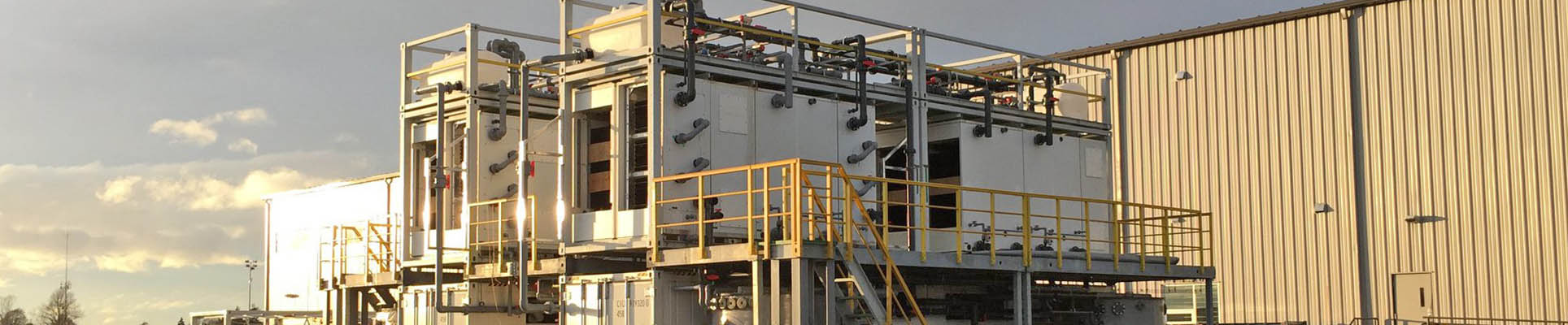

Fiberglass Dual Lamination Product | Durable Industrial FRP Solutions
Fiberglass Dual Lamination Product: A Durable Solution in Industrial Applications
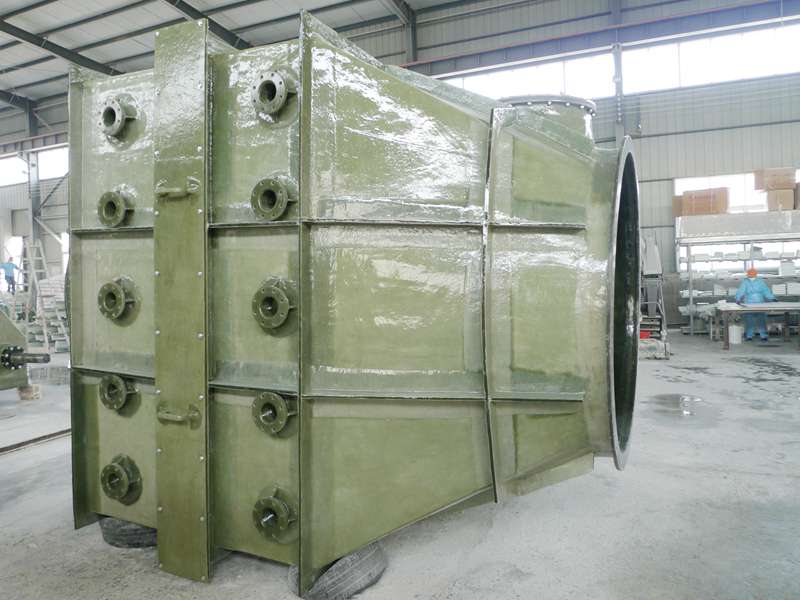
Having spent quite a few years diving deep into industrial equipment, I’ve come across various materials and fabrication techniques that either stand the test of time or, frankly, don’t. One product that deserves steady attention these days is the fiberglass dual lamination product. It’s sort of an unsung hero in corrosion-resistant applications – and I suppose that’s because, while not flashy, it delivers where it counts: longevity and chemical resistance.
Now, a little background in case this is your first rodeo with dual lamination: it’s a process where fiberglass reinforced plastic (FRP) is laminated with two distinct resin layers. The inner layer typically uses a corrosion-resistant resin like vinyl ester or epoxy, while the outer layer provides mechanical strength using general purpose polyester or similar resin. This combo creates a product that’s adept at withstanding harsh chemicals on the inside, while robust enough to endure physical stresses externally. It’s no surprise that chemical processing plants, water treatment facilities, and even food processing industries have become frequent users.
In real terms, what stood out to me was how this product avoids the common pitfalls of traditional FRP—especially delamination over time. I recall consulting on a project where the operators initially overlooked dual lamination’s importance, and sure enough, their single-resin tanks started failing after a couple years in aggressive acid service. They switched to dual laminated tanks, and performance improved (they told me it saved them thousands in downtime). That kind of feedback drives home the real-world value beyond specs sheets and glossy brochures.
Product Specifications at a Glance
| Specification | Details |
|---|---|
| Resin Layers | Inner vinyl ester/epoxy, outer general purpose polyester |
| Laminate Thickness | Typically 1.5 - 3 mm per resin layer |
| Reinforcement | Chopped strand mat and woven roving fiberglass |
| Operating Temperature | Up to 120°C (248°F) depending on resin |
| Typical Applications | Chemical tanks, scrubbers, pipes, acid-resistant vessels |
| Certification | ASTM D3981, ISO 9001-based quality systems |
Beyond just specs, the key part that often slips under the radar is quality control, especially for the interface between the two resin layers. I once witnessed a factory run through microscopic adhesion tests, including peel and shear strength, because weak bonding here leads to catastrophic failure modes. It feels like the industry as a whole is getting better at consistent reproducibility of these products, not long ago a major headache.
Vendor Comparison: Finding the Right Fiberglass Dual Lamination Supplier
| Feature | Jrain FRP | Competitor A | Competitor B |
|---|---|---|---|
| Resin Quality | High-grade vinyl ester & epoxy | Standard vinyl ester | Polyester only |
| Customization | Tailored thickness & layering options | Limited options | Fixed standard specs |
| Certifications | ISO 9001, ASTM approved | ISO 9001 only | None mentioned |
| Lead Time | 4-6 weeks | 6-8 weeks | 8+ weeks |
| Customer Support | Dedicated engineering consult | Basic service | Minimal |
In all honesty, selecting a vendor boils down to more than just price. I remember a longtime operator telling me how the difference between a mediocre supplier and a reliable one is the help you get when things get complicated. With products like fiberglass dual lamination, where the exact resin chemistry and layering can make or break corrosion resistance, that engineering consult can be invaluable—if a vendor offers it.
Also, Jrain FRP stands out for their ability to customize on parameters like resin choice and thickness. This flexibility can tailor tanks or piping to niche chemicals or more aggressive conditions. Oddly enough, not every manufacturer takes this so seriously, which can catch users off-guard.
To sum up: fiberglass dual lamination products represent a very pragmatic answer to many corrosion challenges in industrial environments. When properly specified and sourced, they can extend equipment life dramatically and reduce unplanned maintenance—two things any facility manager will appreciate. And frankly, I find a certain satisfaction knowing that a little extra attention in materials design today keeps production lines humming tomorrow.
A quick takeaway: don’t underestimate the subtle art of resin layering—it’s where durability really begins.
References:
- ASTM D3981 - Standard Practice for Immersion Corrosion Testing of Glass-Reinforced Plastics.
- Jrain FRP Product and Process Documentation, 2023.
- Industry Case Study: Dual Laminate Tanks in Chemical Processing, 2021.
Latest news
-
Industrial High Pressure Fiberglass Pipe Guide and Technical SpecsNewsApr.16,2026
-
Industrial Storage Guide for Fiberglass Chemical TanksNewsApr.09,2026
-
Explore Durable and Customizable Custom Fiberglass Tanks for Your IndustryNewsApr.07,2026
-
Comprehensive Guide to Fiberglass Roof Tanks for Liquid Storage SolutionsNewsApr.04,2026
-
Comprehensive Guide to Durable and Corrosion Resistant Glass Fiber TanksNewsMar.31,2026
-
Comprehensive Guide to Tank Fiberglass Solutions and Their Diverse ApplicationsNewsMar.28,2026