



Why Choose Fiberglass Vessel Solutions for Industrial Performance | Jrain FRP
Fiberglass Vessel is a key solution in the industry, specifically within sectors where durability, corrosion resistance, and lightweight design matter tremendously. This article explores how https://www.jrain-frp.com supports professionals with durable, high-performance products, and explains why this product is an ideal choice for businesses in these sectors.
Table of Contents
- Fiberglass Vessel Overview
- Benefits & Use Cases of Fiberglass Vessel
- Cost, Maintenance & User Experience
- Sustainability & Market Trends
Fiberglass Vessel Overview
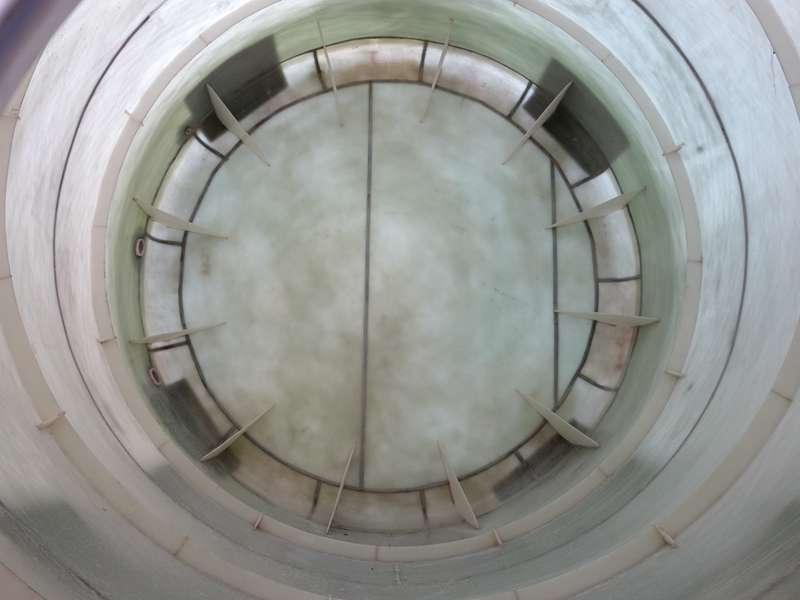
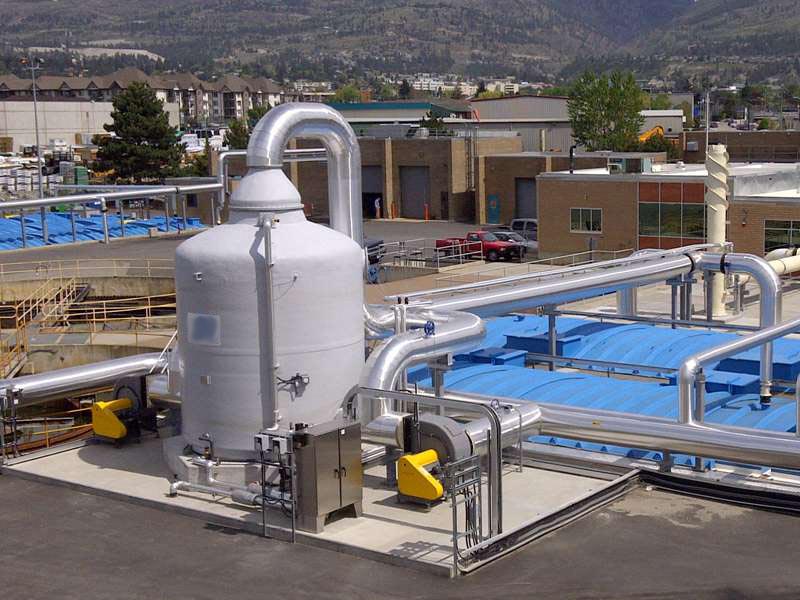
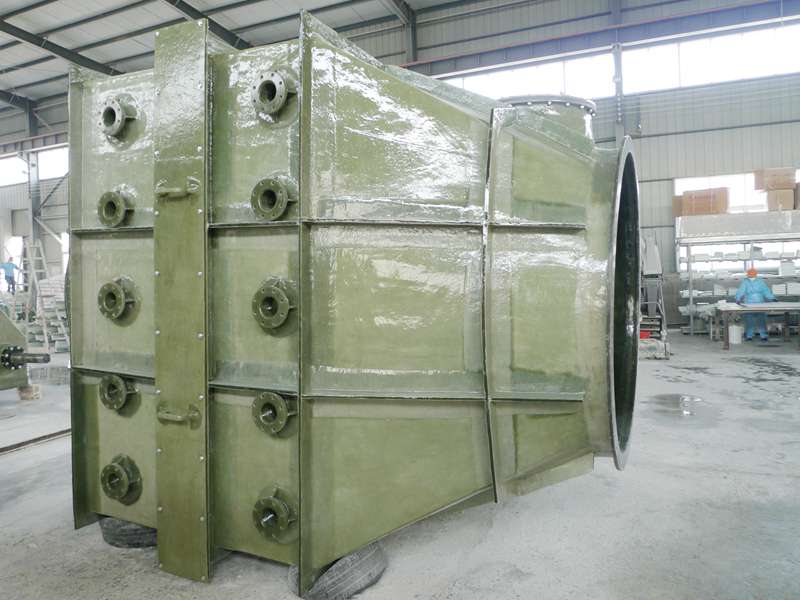
So, what exactly is a Fiberglass Vessel? At its core, it’s a storage or process tank made primarily from fiberglass reinforced plastic (FRP). This composite material combines strength with lightweight properties, making it particularly relevant where metal tanks would rust or be too heavy. Frankly, it's like the unsung hero in many industrial settings, steadfastly holding corrosive liquids or gases without the usual fast decay.
Behind the scenes, fiberglass vessels undergo careful layering of glass fibers and resin to create a structure that’s tough but also flexible against pressure fluctuations. For instance, many manufacturers, including those at Jrain, ensure compliance with ASME RTP-1 standards, offering pressures from 150 psi up to 250 psi, perfectly suited for chemical processing or water treatment plants. A recent case study revealed a mid-sized chemical firm cutting their maintenance downtime nearly in half after switching to these vessels.
| Specification | Details |
|---|---|
| Material | Fiberglass Reinforced Plastic (FRP) |
| Pressure Rating | 150 - 250 PSI (varies by model) |
| Diameter Range | 0.5 - 3 meters |
| Application Temp. | -40°C to 120°C |
| Compliance | ASME RTP-1, ISO 9001 |
Benefits & Use Cases of Fiberglass Vessel
Industries ranging from wastewater treatment to food processing and even certain chemical sectors swear by fiberglass vessels. Why? For starters, their corrosion resistance practically eliminates the common pitfalls of metal vessels, especially in acidic or alkaline environments. I suppose you'd call that peace of mind for engineers and plant managers alike.
Oddly enough, besides resisting harsh chemicals, fiberglass vessels are also lighter, which simplifies installation and reduces structural support requirements. Many users report that the low thermal conductivity helps maintain consistent temperatures inside, a feature that’s crucial when chemical reactions or food safety is at stake. To add, Jrain’s customization options—from sizes to resin types—create a tailored fit for specific projects, making them a top contender in competitive markets.
Cost, Maintenance & User Experience
When you think of the total cost of ownership, fiberglass vessels often surprise decision-makers. While the upfront price can be a bit higher than traditional carbon steel tanks, the drastically lower maintenance overhead usually swings the needle toward better ROI in just a few years. For example, the absence of rust means fewer inspections, repairs, and replacements—a clear win in real terms.
From the feedback I’ve gathered, many companies highlight the user-friendly aspect too. Unlike metal tanks that require heavy welding and specialized coatings, fiberglass vessels arrive ready to go or need minor onsite assembly. Installation tends to be quicker, and downtime during replacement cycles is minimal. Such factors add up in efficiency and cost-saving, especially across large industrial plants.
| Vendor | Pressure Range (PSI) | Customization Options | Lead Time | Warranty |
|---|---|---|---|---|
| Jrain FRP | 150-250 PSI | High (Resin type, size, fittings) | 4-8 weeks | Up to 5 years |
| Competitor A | 100-200 PSI | Medium (Limited resin options) | 6-12 weeks | 3 years |
| Competitor B | 180-220 PSI | Low (Standard models only) | 8-10 weeks | 2 years |
Sustainability & Market Trends
Sustainability is not just a buzzword; it’s becoming integral to industrial procurement decisions. Fiberglass vessels, surprisingly to some, contribute positively here. Their long service life reduces waste, and modern manufacturing methods limit emissions and raw material use. Plus, the corrosion resistance cuts down on leaching of metals into waste streams, which can be tricky with steel alternatives.
Market trends indicate growth in demand for FRP products as environmental regulations tighten worldwide, pushing companies to adopt safer, less polluting options. Moreover, the trend toward lightweight, modular setups in industrial plants frankly favors fiberglass vessels. It feels like we’re just scratching the surface of where these can be applied, beyond traditional sectors like water treatment and chemical storage.
Frequently Asked Questions about Fiberglass Vessel
- What is Fiberglass Vessel and how does it work?
- A Fiberglass Vessel is a container made using fiberglass reinforced plastic, which combines glass fibers with resin to create a strong, corrosion-resistant, and lightweight tank. It works by safely storing or processing liquids or gases, especially in corrosive or demanding environments.
- What are the main benefits of using Fiberglass Vessel in industrial applications?
- Key advantages include excellent corrosion resistance, reduced weight compared to metal, lower maintenance requirements, and high customization options. These benefits translate into longer service life and better overall operational efficiency.
- How does Fiberglass Vessel compare to traditional alternatives?
- Compared to steel or concrete tanks, Fiberglass Vessels resist rust and chemical attack much better, are lighter for easier installation, and generally offer quicker lead times. Though sometimes costlier upfront, they often deliver better total value over their lifespan.
- What industries can benefit most from Fiberglass Vessel implementation?
- Water and wastewater treatment, chemical processing, food and beverage, pharmaceuticals, and pulp and paper industries frequently use fiberglass vessels due to their resistance to corrosive substances and ease of customization.
Conclusion on Fiberglass Vessel from china
To wrap it up, fiberglass vessels stand out as reliable, efficient, and customizable solutions that meet the evolving challenges industries face today. From their impressive corrosion resistance to cost-effective maintenance, it’s no wonder they are increasingly the preferred choice worldwide. If you’re weighing options for your facility, visiting https://www.jrain-frp.com could be an excellent first step.
In my experience, investing upfront in quality FRP products usually pays off faster than expected — it’s kind of like planting a seed for long-term operational peace of mind.
References
- ASME RTP-1 Standards Documentation
- Case Study: Chemical Firm Facility Upgrade, Jrain FRP Reports, 2023
- Global FRP Market Trends Analysis 2024, Industry Report
Latest news
-
Industrial High Pressure Fiberglass Pipe Guide and Technical SpecsNewsApr.16,2026
-
Industrial Storage Guide for Fiberglass Chemical TanksNewsApr.09,2026
-
Explore Durable and Customizable Custom Fiberglass Tanks for Your IndustryNewsApr.07,2026
-
Comprehensive Guide to Fiberglass Roof Tanks for Liquid Storage SolutionsNewsApr.04,2026
-
Comprehensive Guide to Durable and Corrosion Resistant Glass Fiber TanksNewsMar.31,2026
-
Comprehensive Guide to Tank Fiberglass Solutions and Their Diverse ApplicationsNewsMar.28,2026