



Feb . 15, 2025 17:55
Back to list
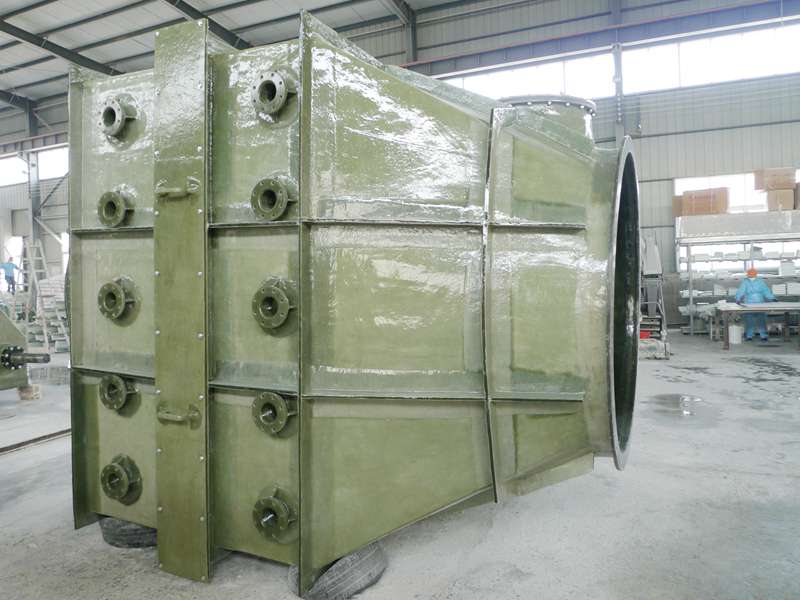
Oblate Tanks
Fire retardant fiberglass has emerged as a pivotal component in the realm of modern construction and industrial applications. Its properties not only contribute to enhanced safety standards but also introduce a robust layer of reliability across various sectors. This article delves into the nuanced benefits and applications of fire retardant fiberglass, underscoring its indispensable role in today's technologically advanced environments.
In terms of authoritativeness, several international standards and certifications govern the production and application of fire retardant fiberglass, validating its effectiveness and ensuring consistency in safety. Organizations such as the Underwriters Laboratories (UL) and the National Fire Protection Association (NFPA) have laid down stringent guidelines that manufacturers must adhere to. These regulations not only testify to the quality and reliability of fire retardant fiberglass but also serve as assurance points for stakeholders and end-users, fostering a greater sense of trust in the material's performance. Moreover, the incorporation of fire retardant fiberglass aligns with sustainable building practices, thereby enhancing its trustworthiness. As industries pivot towards eco-friendly alternatives, fiberglass stands out due to its long lifecycle and lower environmental impact compared to other traditional materials. By minimizing the need for frequent replacements, it not only cuts down on waste but also contributes to cost-efficiency over time. Real-world experiences corroborate the material's efficacy. Numerous case studies illustrate how fire retardant fiberglass installations have successfully mitigated fire hazards in commercial and residential spaces. Renovations in older buildings have increasingly employed fiberglass reinforcements to comply with modern fire safety codes. These adjustments have not only amplified safety but have also added to property value, underscoring the material's multifaceted benefits. In conclusion, fire retardant fiberglass represents a fusion of advanced material science and practical safety solutions. Its role in safeguarding properties and lives, coupled with adherence to stringent safety standards and environmental considerations, reaffirms its status as an indispensable material in today's industrial and construction sectors. As we continue to innovate and enhance fire safety measures, the reliance on such advanced materials only promises to grow, paving the way for safer and more resilient infrastructures worldwide.
In terms of authoritativeness, several international standards and certifications govern the production and application of fire retardant fiberglass, validating its effectiveness and ensuring consistency in safety. Organizations such as the Underwriters Laboratories (UL) and the National Fire Protection Association (NFPA) have laid down stringent guidelines that manufacturers must adhere to. These regulations not only testify to the quality and reliability of fire retardant fiberglass but also serve as assurance points for stakeholders and end-users, fostering a greater sense of trust in the material's performance. Moreover, the incorporation of fire retardant fiberglass aligns with sustainable building practices, thereby enhancing its trustworthiness. As industries pivot towards eco-friendly alternatives, fiberglass stands out due to its long lifecycle and lower environmental impact compared to other traditional materials. By minimizing the need for frequent replacements, it not only cuts down on waste but also contributes to cost-efficiency over time. Real-world experiences corroborate the material's efficacy. Numerous case studies illustrate how fire retardant fiberglass installations have successfully mitigated fire hazards in commercial and residential spaces. Renovations in older buildings have increasingly employed fiberglass reinforcements to comply with modern fire safety codes. These adjustments have not only amplified safety but have also added to property value, underscoring the material's multifaceted benefits. In conclusion, fire retardant fiberglass represents a fusion of advanced material science and practical safety solutions. Its role in safeguarding properties and lives, coupled with adherence to stringent safety standards and environmental considerations, reaffirms its status as an indispensable material in today's industrial and construction sectors. As we continue to innovate and enhance fire safety measures, the reliance on such advanced materials only promises to grow, paving the way for safer and more resilient infrastructures worldwide.
Next:

Latest news
-
Oblate Tanks: Space-Saving, Durable Liquid Storage SolutionsNewsAug.27,2025
-
High-Performance Piping System Solutions for Industry & Commercial UseNewsAug.26,2025
-
Precision Fittings: Durable & Reliable Industrial & Plumbing SolutionsNewsAug.25,2025
-
Practical Steps: Unlock Success with Our Proven GuidesNewsAug.24,2025
-
Transport Tanks: Safe, Durable & Efficient Liquid HaulingNewsAug.23,2025
-
High-Quality Piping Systems for Efficient Flow & DurabilityNewsAug.22,2025