

FRP Customized Products: Durable, Lightweight Solutions for Modern Industry
Understanding FRP Customized Products: Why They Matter Today
In an ever-changing world, where industries constantly seek smarter, lighter, and more flexible materials, frp customized products have emerged as quiet game-changers. But what exactly are these products, and why does the global market suddenly seem so fascinated by them? Frankly, much of it boils down to their adaptability and their compelling marriage of strength with weight savings. Think about infrastructure projects facing increasingly strict environmental standards, or humanitarian organizations looking for rapid deployment shelter solutions — frp customized products often step in to fill these diverse roles efficiently.
With climate change pushing extremes, and industries pushing innovation, grasping the ins and outs of these products sheds light on a future where versatility and sustainability go hand in hand.
The Global Landscape: Why FRP Customized Products Are Gaining Traction
Globally, the use of Fiber Reinforced Polymer (FRP) materials is projected to grow rapidly — the International Standards Organization (ISO) noted a steady 8-10% annual increase in FRP composite applications since 2015. By 2025, the global market for frp customized products could top $35 billion, spanning sectors from construction to automotive. The World Bank highlights infrastructure failures in developing regions, often due to heavy steel corrosion or poor material choices, as a pressing issue FRP composites can tackle because of their corrosion resistance and lightweight nature.
In essence, many industries face a common challenge: how to build strong, durable products that don’t weigh projects down or demand costly maintenance. FRP customized products offer a compelling solution by being tailored to project- or user-specific needs, ensuring maximum efficiency.
Mini Takeaway:
FRP customized products matter globally because they provide strong, lightweight alternatives to traditional materials that are crucial for infrastructure resilience and industrial innovation.
What Exactly Are FRP Customized Products?
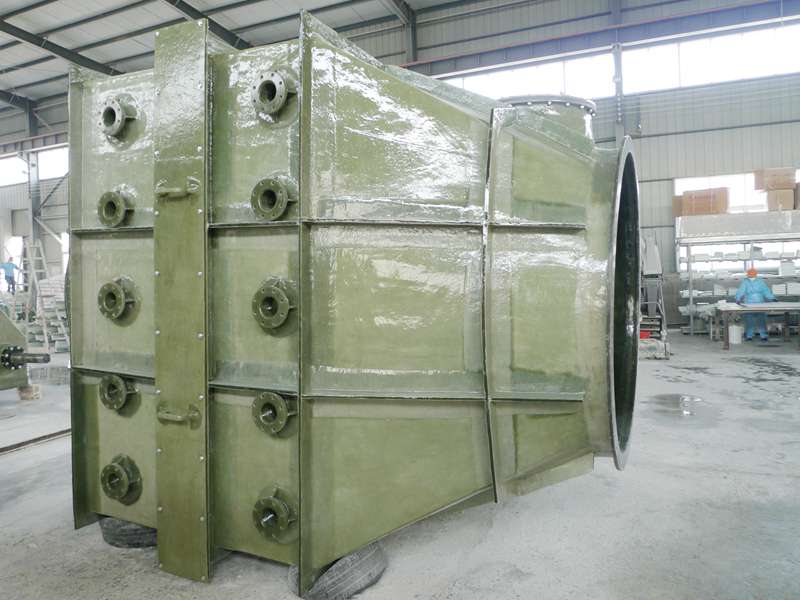
At its core, a frp customized product is any fiber-reinforced polymer material shaped or engineered to meet unique requirements. Fiber reinforcements (commonly glass, carbon, or aramid fibers) are embedded within polymer matrices (like epoxy or polyester resins), resulting in composites that are extremely strong and light.
Customization can cover size, shape, fiber orientation, or even resin formulation — which means industries can get products optimized for mechanical strength, flexibility, or even fire resistance. This blend of customization and performance makes these products invaluable for sectors such as aerospace, automotive, civil engineering, and disaster relief equipment.
Mini Takeaway:
FRP customized products combine fibers and polymers in tailored ways, creating versatile, high-performance composites suited to many modern challenges.
Core Attributes of FRP Customized Products
Durability
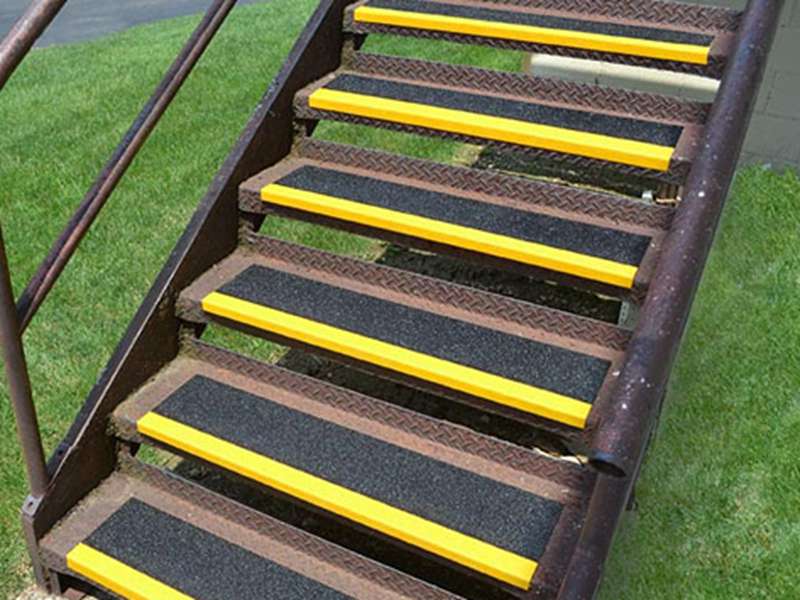
FRP composites outrun many materials when it comes to corrosion resistance. I remember reading about coastal bridges suffering early steel corrosion — FRP alternatives, by contrast, can last decades with minimal upkeep.
Lightweight Strength
One of the things that always stands out about FRP products is how they deliver strength without bulk. This helps reduce transportation costs and installation times — vital when working in remote industrial zones where every kg matters.
Tailored Design Flexibility
Their customizable nature allows engineers to design specific load-bearing directions by orienting fibers precisely. This means no wasted material and perfect fits for specialized roles.
Cost Efficiency in Life-Cycle
While upfront costs might be higher than traditional materials, the long-term savings in maintenance and energy use often tip the scale in favor of FRP customized products.
Environmental Resistance
Whether it’s exposure to UV, chemicals, or saltwater, these composites are generally tough — a solid suit of armor for tough environments.
Mini Takeaway:
The strength of FRP customized products lies in their durability, lightweight construction, design flexibility, and cost efficiency over time.
How FRP Customized Products Are Changing Real-World Applications
From flood-prone regions deploying fast-assembly shelters to automotive giants pushing fuel efficiency with lighter vehicle panels, FRP customized products have quietly made their mark worldwide.
- Disaster Relief: In countries like Bangladesh, NGOs use FRP panels for quick-to-assemble housing, which withstands humidity and storms better than conventional materials.
- Infrastructure: Post-earthquake bridge repairs in Chile have leaned heavily on tailored FRP wraps for reinforcing damaged concrete sections fast.
- Transportation: Europe’s high-speed trains increasingly use FRP composites in interiors to save weight and improve aesthetics.
- Energy Sector: Offshore wind turbine blades crafted with carbon fiber FRP customized products improve performance and minimize failures.
Mini Takeaway:
FRP customized products are crucial in diverse fields — from lifesaving shelters to the sleek trains and renewable energy projects defining our future.
Specifications: Typical FRP Customized Product Features
| Specification | Typical Range | Use Case Insight |
|---|---|---|
| Fiber Type | Glass, Carbon, Aramid | Chosen based on needed strength and flexibility |
| Resin Matrix | Epoxy, Polyester, Vinyl Ester | Determines environmental resistance and bonding |
| Tensile Strength | 250-1500 MPa | Depends heavily on fiber type and orientation |
| Weight | 1.5 - 2.0 g/cm³ | Roughly 30-70% lighter than steel equivalents |
| Thermal Resistance | Up to 150°C | Suitable for most outdoor and industrial conditions |
Vendor Comparison: Leading FRP Customized Product Providers
| Company | Customization Range | Industry Focus | Lead Time | Global Reach |
|---|---|---|---|---|
| Jrain FRP | High - full custom design & prototyping | Construction, Automotive, Energy | 4-6 weeks | Asia, Europe, North America |
| FiberComp Solutions | Medium - select product modifications | Marine, Infrastructure | 3-5 weeks | Europe, Middle East |
| CompoTech Inc. | Low - standardized catalog products | Automotive, Appliances | 2-4 weeks | North America, Asia |
Advantages and Lasting Impact of FRP Customized Products
Why bother customizing FRP products? It’s not just about bells and whistles; the advantages are very real. From a cost standpoint, many engineers I spoke with find that asset value life dramatically improves because these composites ward off rust, fatigue, and chemical deterioration.
On a social level, improved safety and dignity arise when disaster shelters or public transport use these materials — imagine shelter walls that won’t leak or crumble during storms, or train panels that won’t fail catastrophically. Long-term environmental benefits are often understated but crucial too: lighter weight means less fuel consumed during transport and installation, lowering carbon footprints over time.
What’s Next? Future Trends & Innovations
The horizon for frp customized products looks bright and a bit futuristic. Nanomaterial enhancements promise even stronger, lighter composites, while digital design tools enable ultra-precise fiber placement to optimize every millimeter of product.
Green chemistry resins are on the rise, cutting volatile organic compounds (VOCs) and environmental impact. Automated manufacturing is speeding up lead times. Oddly enough, the increasing importance of circular economy policies means these composites must become more recyclable — a challenge being tackled with bio-based fibers and resins.
Challenges and How Industry Tackles Them
No product is perfect. FRP customized products, despite their many strengths, face hurdles like manufacturing complexity, higher initial costs, and recycling difficulties. Yet, many companies are investing in additive manufacturing to reduce waste in production and exploring hybrid materials to balance cost and performance.
Furthermore, the need to educate stakeholders (from architects to disaster planners) remains high. After all, adoption lags if decision-makers don’t fully understand what fiber orientation or resin choice really means for project success.
Frequently Asked Questions About FRP Customized Products
- What makes FRP customized products better than conventional materials for construction?
- FRP customized products offer superior corrosion resistance, significantly reduced weight, and design flexibility that traditional steel or concrete cannot match. This translates to longer lifespans, easier installation, and tailored mechanical properties suited to specific project needs.
- How long can an FRP customized product last in harsh environments?
- Depending on fiber and resin combinations, FRP products can last 25-50 years in outdoor settings, often outperforming steel that may corrode rapidly, especially in coastal or industrial zones.
- Are FRP composites environmentally friendly?
- While manufacturing involves synthetic polymers, newer bio-based resins and recyclable fiber technologies are improving FRP’s green profile. Their lightweight nature also reduces transport energy, contributing to sustainability.
- Can NGOs easily source FRP customized products for humanitarian projects?
- Yes, many manufacturers offer tailored solutions with international shipping capabilities. Partnering with specialized companies like Jrain FRP helps NGOs meet strict project demands quickly and cost-effectively.
Conclusion: Why FRP Customized Products Are Here to Stay
When I take a step back, the appeal of frp customized products really boils down to their adaptability in solving an array of global challenges — from infrastructure durability to humanitarian aid. Their lightweight durability, tailored designs, and long-term cost savings align nicely with the biggest modern demands: safety, sustainability, and innovation.
If you want to explore tailored solutions that fit your project perfectly, it’s definitely worth looking into specialized vendors that can customize fiber choices and resin formulations just for you. For a deep dive into options and services, visit Jrain FRP — who seem quite on top of the latest technologies and international trends.
Here’s to building smarter and stronger, with a little fiber finesse.
References:
Latest news
-
Industrial High Pressure Fiberglass Pipe Guide and Technical SpecsNewsApr.16,2026
-
Industrial Storage Guide for Fiberglass Chemical TanksNewsApr.09,2026
-
Explore Durable and Customizable Custom Fiberglass Tanks for Your IndustryNewsApr.07,2026
-
Comprehensive Guide to Fiberglass Roof Tanks for Liquid Storage SolutionsNewsApr.04,2026
-
Comprehensive Guide to Durable and Corrosion Resistant Glass Fiber TanksNewsMar.31,2026
-
Comprehensive Guide to Tank Fiberglass Solutions and Their Diverse ApplicationsNewsMar.28,2026