In the high-stakes environments of energy production, the demand for materials that can withstand extreme chemical aggression and thermal stress is paramount. The adoption of fiberglass products for thermal and nuclear power has revolutionized how plants manage corrosion and structural integrity, providing a lightweight yet incredibly robust alternative to traditional metals. By integrating advanced polymer resins with high-strength glass fibers, these components ensure that critical infrastructure remains operational under the most grueling conditions.
Globally, the shift toward more sustainable and efficient power generation has put a spotlight on the lifecycle costs of plant maintenance. Traditional steel and alloy systems often succumb to pitting and stress-corrosion cracking, leading to unplanned outages and costly repairs. The implementation of specialized fiberglass products for thermal and nuclear power addresses these vulnerabilities, offering a non-conductive, non-corrosive solution that extends the service life of piping, tanks, and scrubbing systems.
Understanding the technical nuances of Fiber Reinforced Plastics (FRP) is not just about material selection; it is about ensuring the safety and reliability of the global energy grid. From the cooling towers of thermal plants to the stringent containment requirements of nuclear facilities, these composites provide a unique combination of durability and versatility. This guide explores how these advanced materials are engineered to meet the rigorous standards of the power industry, ensuring maximum uptime and operational safety.
The Role of FRP in Modern Power Plant Infrastructure
Fiberglass Reinforced Plastics (FRP) serve as the backbone for many auxiliary systems in power generation. In thermal plants, where flue gas desulfurization (FGD) units handle highly acidic slurries, the use of fiberglass products for thermal and nuclear power is essential to prevent catastrophic pipe failure. These materials are engineered to be chemically inert, ensuring that they do not react with the aggressive chemicals used in water treatment or emission control.
In the nuclear sector, the requirements are even more stringent. FRP is utilized in cooling water systems, drainage, and waste containment where electrical insulation and corrosion resistance are non-negotiable. By reducing the reliance on heavy metals, plants can lower their overall structural load and eliminate the risk of galvanic corrosion, which is a common failure point in hybrid metal-plastic systems.
Technical Specifications of High-Performance Composites
The effectiveness of fiberglass products for thermal and nuclear power lies in the synergy between the reinforcement glass fibers and the resin matrix. Depending on the application, vinyl ester resins are frequently chosen for their superior resistance to acids and alkalis, while epoxy resins are employed where higher mechanical strength and heat resistance are required. This allows engineers to tailor the material properties to the specific chemical environment of the plant.
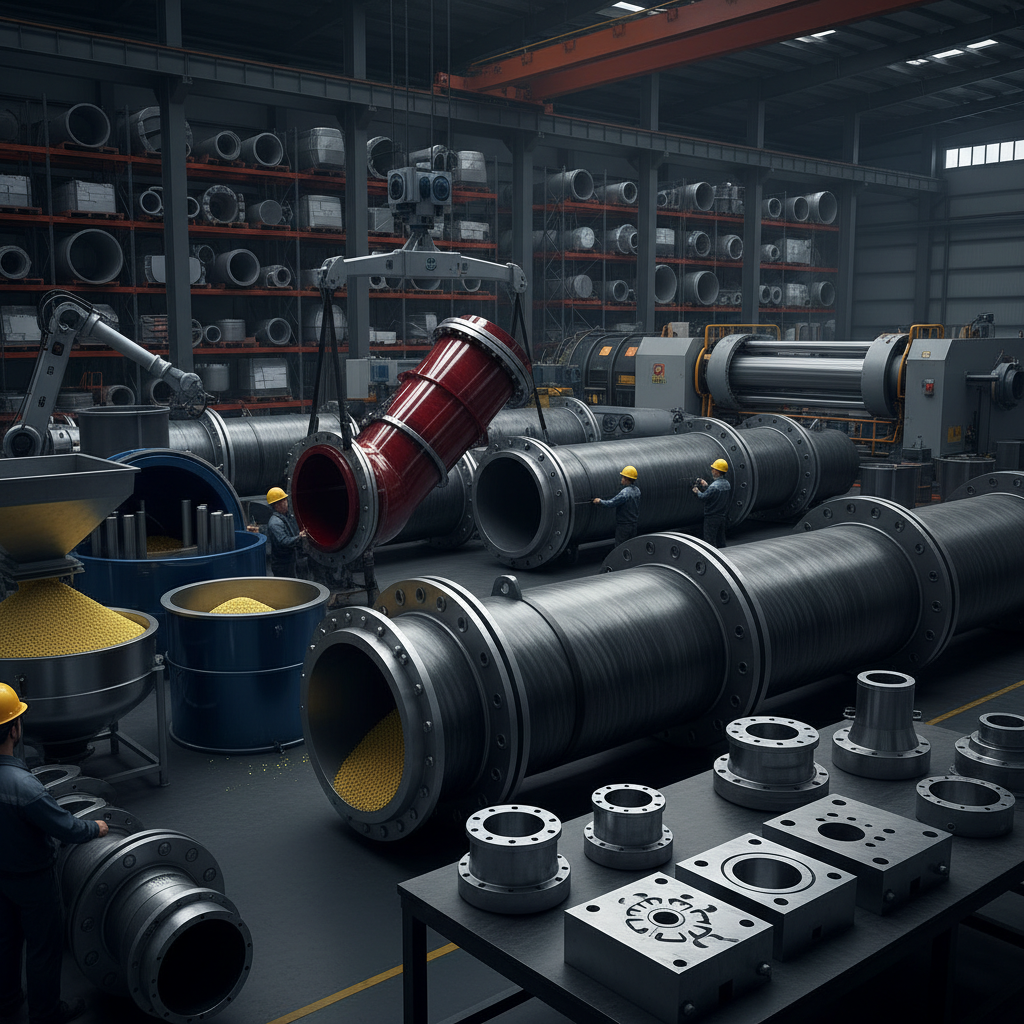
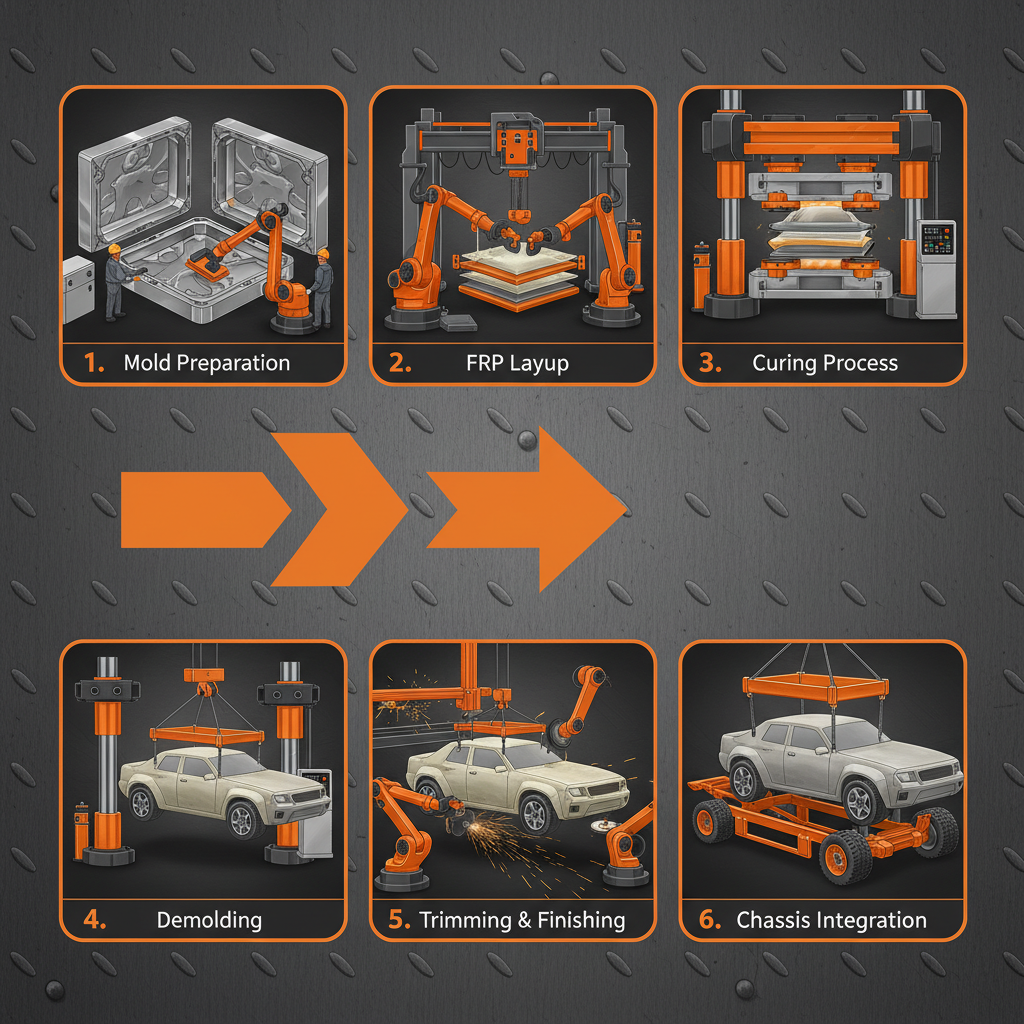
Furthermore, the manufacturing process—whether through filament winding for tanks and pipes or pultrusion for gratings and handrails—determines the directional strength of the product. For instance, filament-wound fiberglass products for thermal and nuclear power can be designed to withstand immense internal pressures, making them ideal for large-scale storage vessels and high-pressure piping systems.
Thermal stability is another critical specification. Modern composites are infused with additives that increase their glass transition temperature (Tg), allowing them to maintain structural integrity even when exposed to the residual heat of thermal power cycles. This ensures that the material does not soften or deform, maintaining a tight seal and preventing hazardous leaks in critical zones.
Critical Factors for Thermal and Nuclear Applications
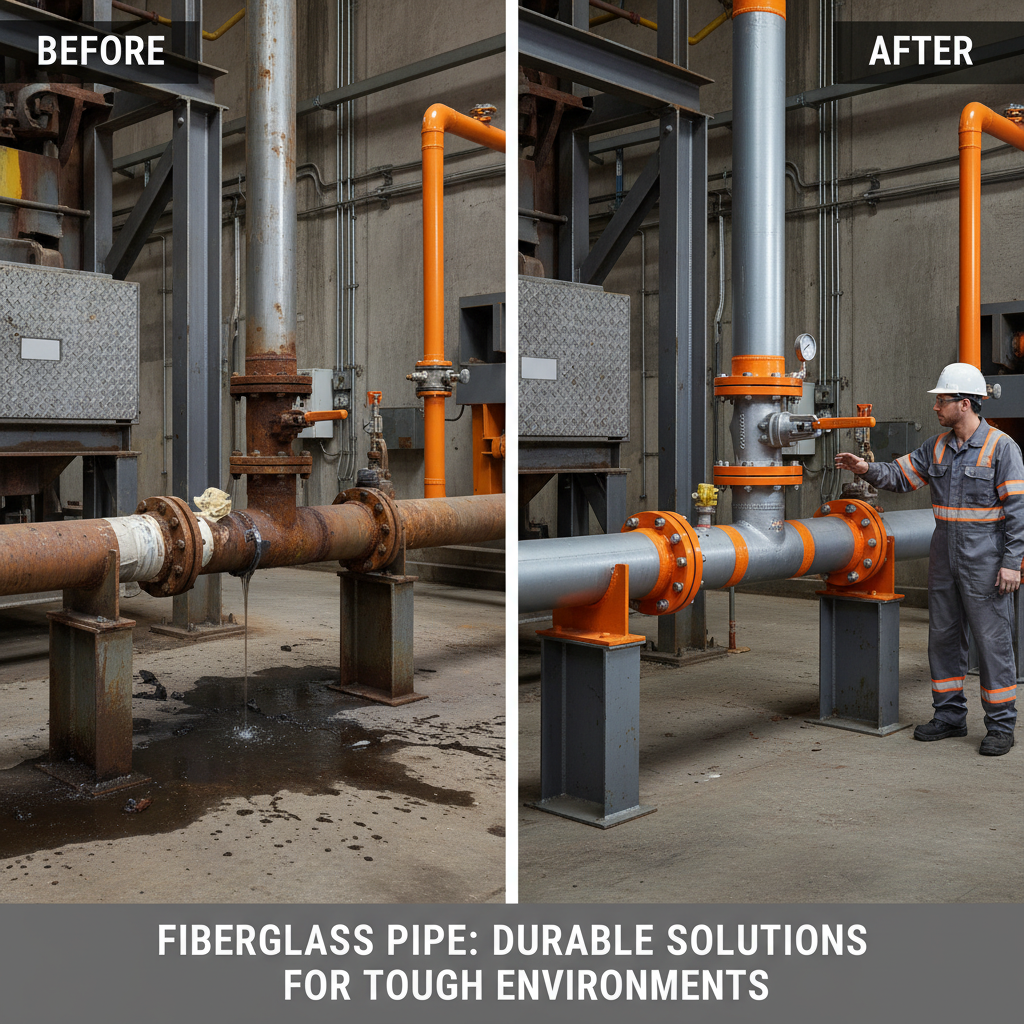
Durability is the primary driver when selecting fiberglass products for thermal and nuclear power. Unlike carbon steel, which requires constant painting and cathodic protection, FRP is inherently resistant to oxidation. This eliminates the need for frequent recoating cycles and reduces the manpower required for routine inspections in hazardous areas.
Scalability and customization are equally important. Whether it is a bespoke fiberglass products for thermal and nuclear power customized tank or a complex duct system, the ability to mold these materials into any geometry allows for optimized space utilization within the cramped confines of a power plant's turbine hall or chemical processing wing.
Cost-efficiency is realized not through the initial purchase price, but through the Total Cost of Ownership (TCO). The lightweight nature of fiberglass products for thermal and nuclear power significantly reduces installation costs, as lighter cranes and fewer support structures are needed, accelerating the construction timeline of new facilities.
Comparative Performance Analysis of FRP Systems
When comparing FRP to traditional alloys, the performance metrics often reveal a stark contrast in longevity. In environments involving chloride-rich cooling water, stainless steel may still suffer from pitting, whereas fiberglass products for thermal and nuclear power remain completely unaffected. This leads to a significant reduction in unplanned downtime, which is the most expensive aspect of power plant operation.
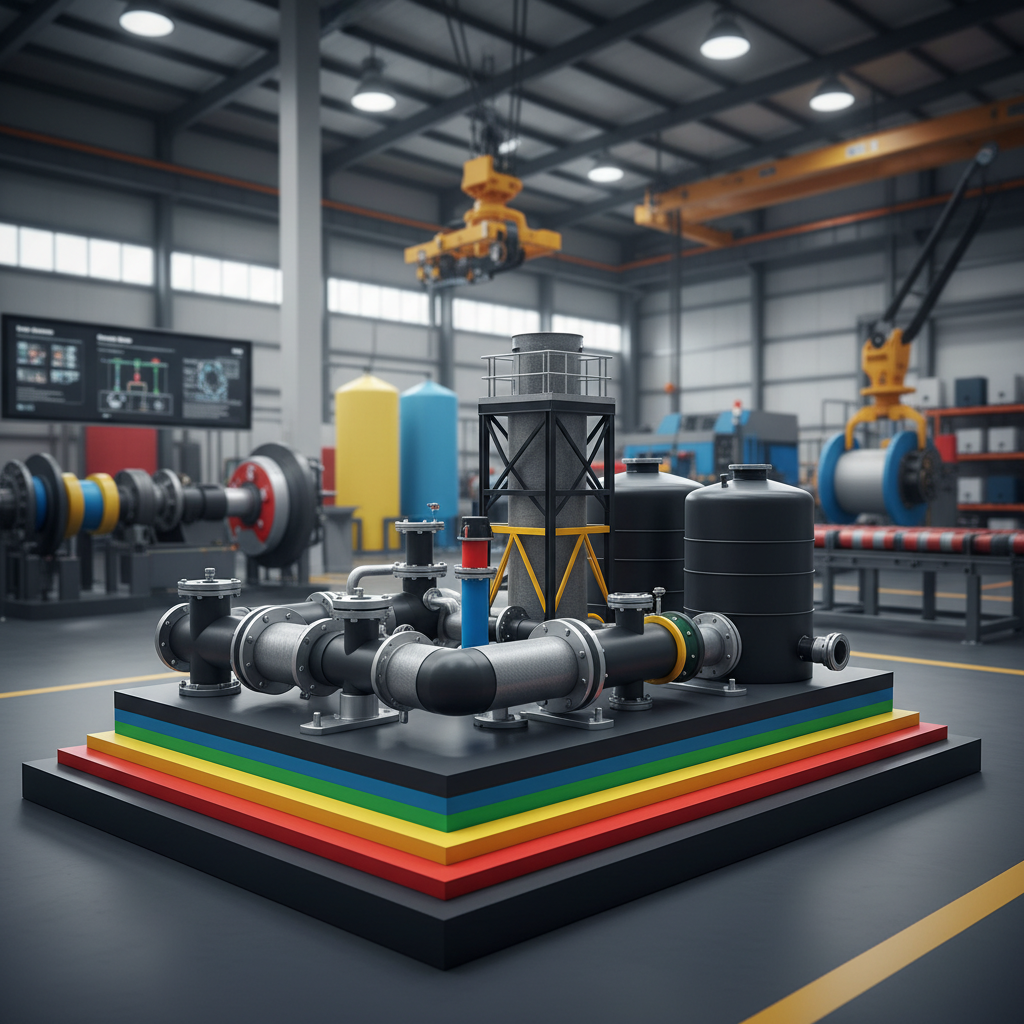
To better visualize this, we analyze various categories of composite solutions used in power plants. From chemical scrubbing systems to structural gratings, the "Performance Rating" reflects a combination of corrosion resistance, weight-to-strength ratio, and ease of maintenance.
Performance Ratings of Fiberglass Products for Thermal and Nuclear Power
Global Implementation and Case Studies
Across North America and Europe, nuclear power plants have transitioned their secondary cooling loops to fiberglass products for thermal and nuclear power to combat the aggressive nature of seawater cooling. In these regions, ISO standards for material safety are strictly followed, ensuring that FRP components can withstand seismic events without brittle failure.
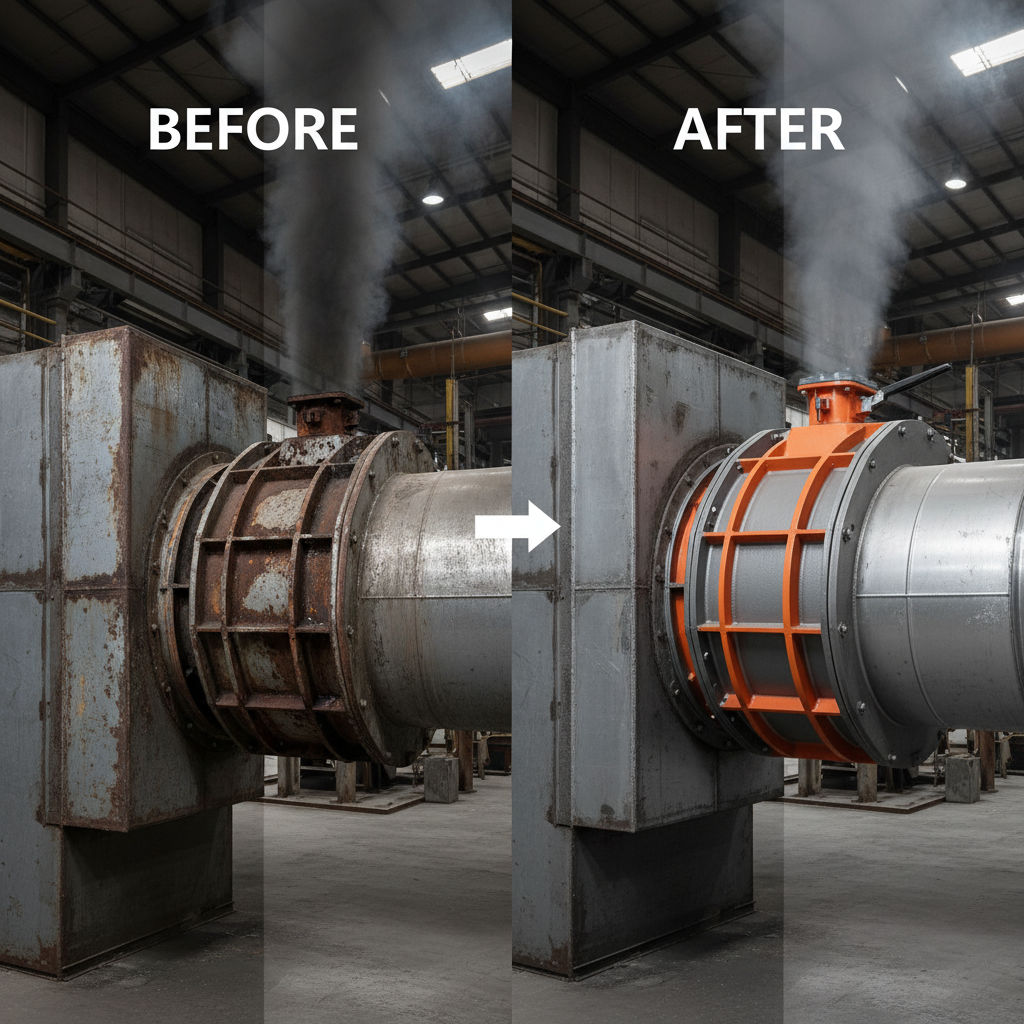
In the rapidly expanding energy markets of Asia, thermal power plants are integrating FRP scrubbers and duct systems to meet tightening environmental regulations. By utilizing these lightweight composites, plants can retrofit existing structures with new emission-control technology without needing to reinforce the original concrete foundations, saving millions in structural overhead.
Sustainability and Long-Term Economic Value
The shift toward fiberglass products for thermal and nuclear power is deeply intertwined with global sustainability goals. Because these materials do not rust, they eliminate the need for toxic anti-corrosive coatings and the associated chemical runoff that can contaminate local groundwater. This makes them an environmentally superior choice for plants located near sensitive ecological zones.
From a logical perspective, the reduced weight of FRP components leads to lower energy consumption during transport and installation. When considering the 30-to-50-year lifespan of a power plant, the reduction in replacement frequency translates into a massive decrease in material waste and a lower carbon footprint for the facility's maintenance cycle.
Emotionally, the use of high-grade composites provides "peace of mind" for plant operators. The reliability of fiberglass products for thermal and nuclear power means fewer emergency shutdowns and a safer working environment for personnel, who are no longer exposed to the hazards of failing, corroded metal pipes.
Future Innovations in Nuclear-Grade Fiberglass
The next generation of fiberglass products for thermal and nuclear power is focusing on "smart composites." By embedding fiber-optic sensors directly into the resin matrix during winding, engineers can monitor structural health in real-time. This allows for predictive maintenance, where potential weaknesses are detected via data analytics before they lead to a leak.
Furthermore, the industry is exploring bio-based resins to further reduce the environmental impact of FRP production. These new resins aim to match the chemical resistance of vinyl esters while being derived from renewable sources, aligning power generation with the circular economy.
As nuclear fusion and Small Modular Reactors (SMRs) enter the prototype stage, the demand for extremely high-temperature resistant fiberglass will grow. Innovations in ceramic-fiber hybrids are expected to push the thermal limits of fiberglass products for thermal and nuclear power even further, enabling their use in core-adjacent systems.
Comparison of FRP Material Specifications by Power Application
| Application Area |
Resin Type |
Corrosion Resistance |
Service Life (Yrs) |
| Cooling Water Piping |
Vinyl Ester |
Excellent (Saltwater) |
30+ |
| FGD Scrubbers |
Specialized Vinyl Ester |
High (Acidic Slurry) |
20+ |
| Nuclear Waste Tanks |
High-Grade Epoxy |
Superior (Chemicals) |
40+ |
| Walkways & Gratings |
Isophthalic Polyester |
Good (General) |
25+ |
| Ventilation Ducts |
Vinyl Ester |
Excellent (Vapors) |
20+ |
| Chemical Dosing Tanks |
Novolac Vinyl Ester |
Maximum (High Temp) |
30+ |
FAQS
Yes, specifically engineered fiberglass products for thermal and nuclear power use specialized resins that maintain their properties under low-to-moderate radiation levels. While they aren't used for the primary reactor vessel, they are ideal for secondary containment, cooling systems, and waste management where corrosion resistance is the priority.
While the raw material cost can be competitive, the real savings in fiberglass products for thermal and nuclear power come from installation and maintenance. FRP is significantly lighter, reducing labor and equipment costs, and it eliminates the need for expensive cathodic protection and painting required for stainless steel.
Standard FRP has limits, but high-temperature grades using Novolac resins or ceramic reinforcements can handle significantly higher heat. It is crucial to specify the exact operating temperature during the design phase to ensure the correct resin matrix is selected for your specific power plant application.
Depending on the chemical exposure and environmental conditions, fiberglass products for thermal and nuclear power typically last between 20 and 50 years. This far exceeds the lifespan of most metallic tanks, which often require major rehabilitation every 10 to 15 years due to internal corrosion.
Yes, one of the biggest advantages of FRP gratings and handrails in power plants is their electrical insulation properties. This significantly reduces the risk of electrical accidents for technicians working near high-voltage equipment, unlike metal gratings which can become energized.
Quality is verified through rigorous testing, including hydrostatic pressure tests for piping and tanks, barcol hardness tests for resin cure, and ultrasonic inspection for laminate voids. Most suppliers adhere to ASTM and ISO standards to ensure every component meets the safety requirements of the energy sector.
Conclusion
The integration of fiberglass products for thermal and nuclear power represents a strategic shift toward materials that prioritize longevity, safety, and efficiency. By overcoming the inherent weaknesses of metals—namely corrosion and weight—FRP allows power plant operators to reduce maintenance overhead and extend the operational life of critical infrastructure. From the chemical resistance of vinyl ester tanks to the electrical safety of composite gratings, these materials provide a comprehensive solution for the modern energy landscape.
Looking forward, the continued evolution of "smart" composites and sustainable resins will further solidify the role of FRP in the green energy transition. As the industry moves toward more compact and efficient reactor designs, the versatility of fiberglass will be indispensable. For those seeking to optimize their plant's reliability and reduce TCO, investing in high-quality composite solutions is no longer optional—it is a necessity for operational excellence. Visit our website: www.jrain-frp.com