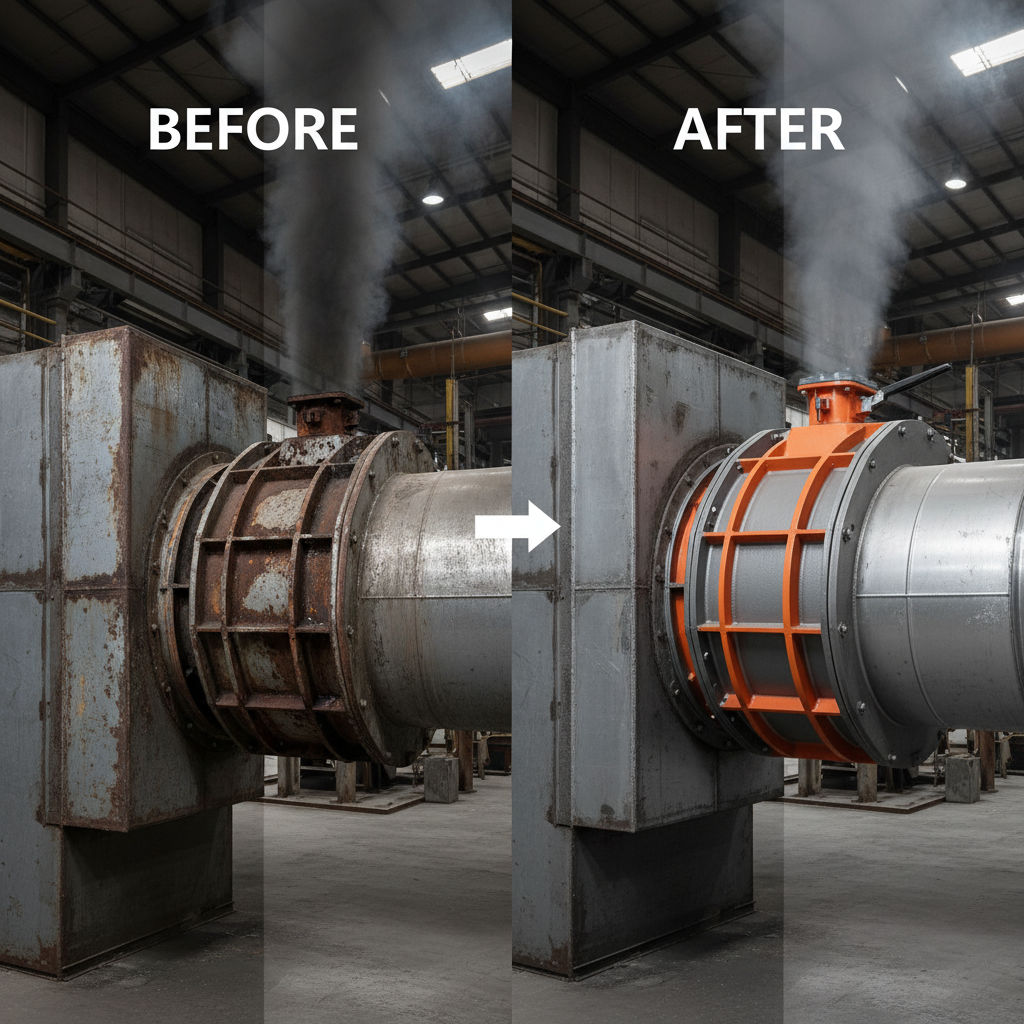
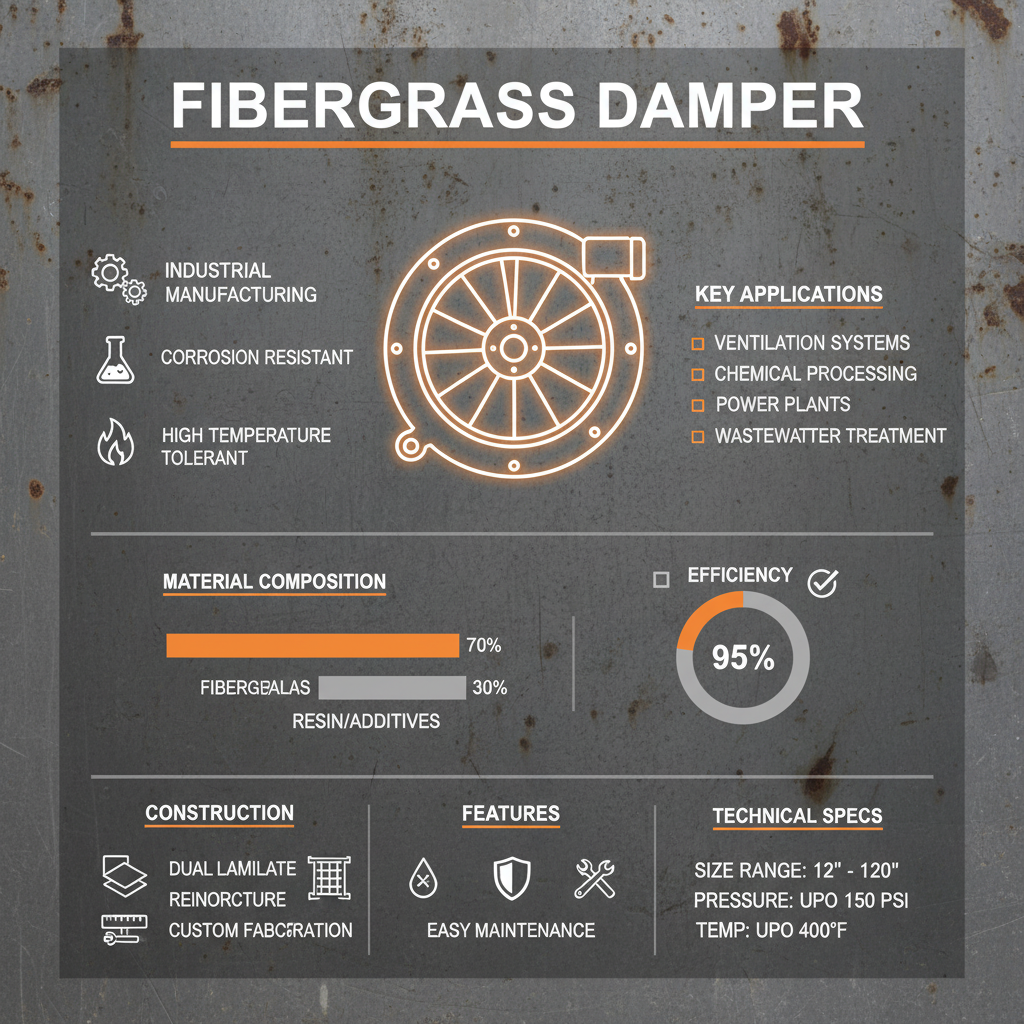
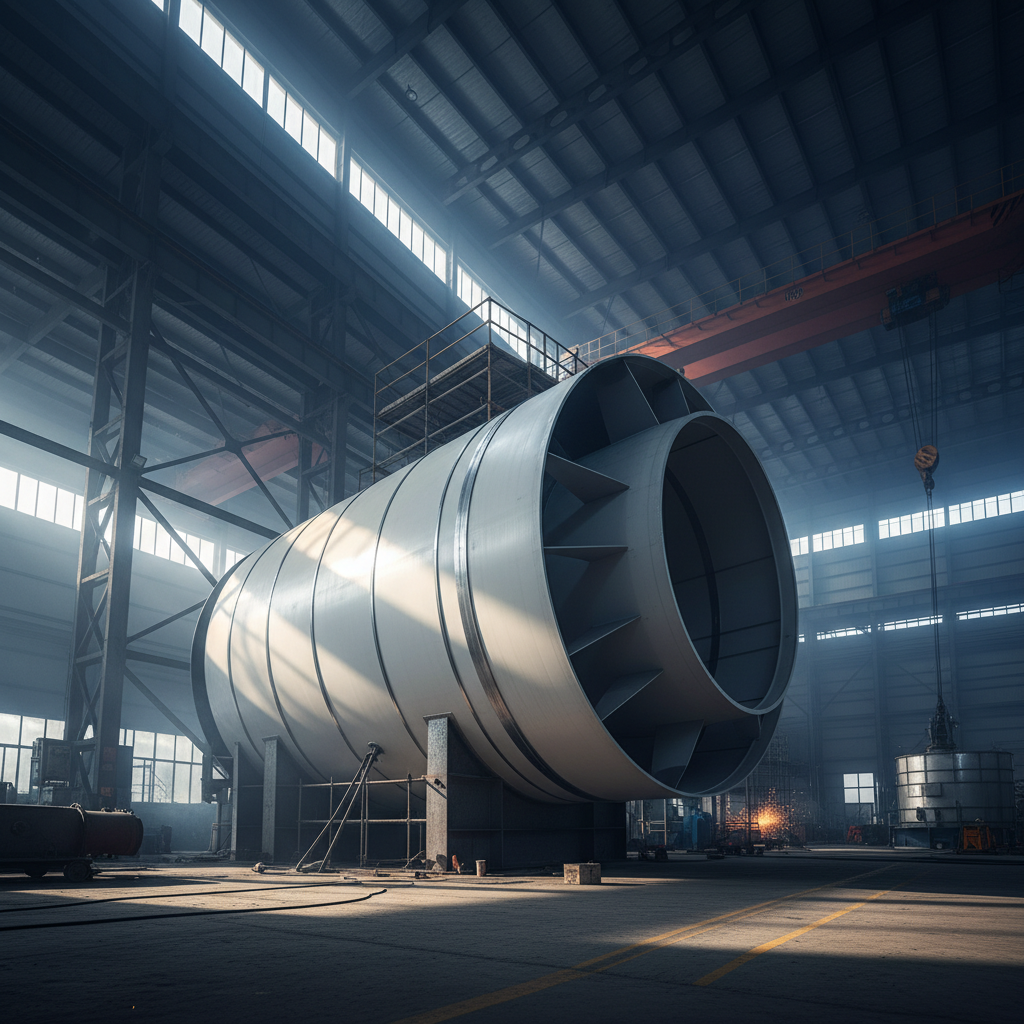
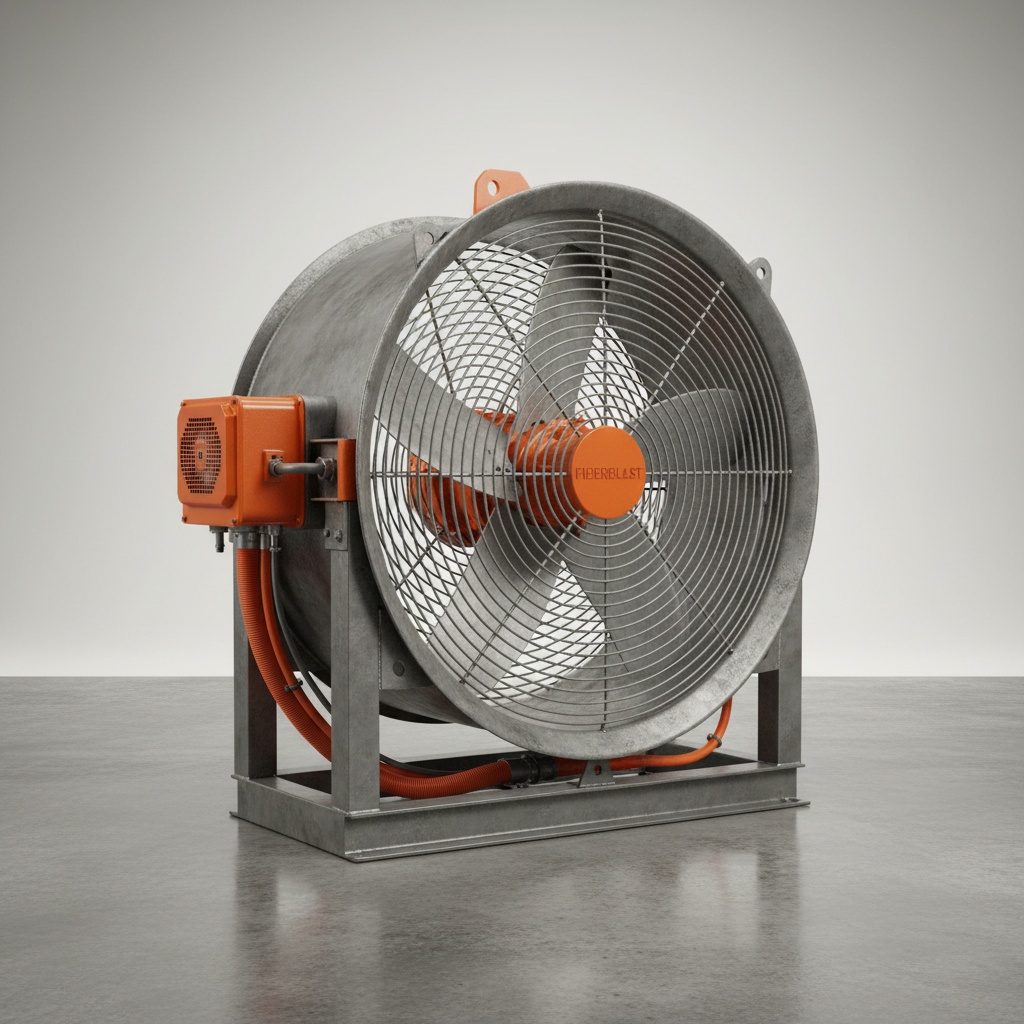
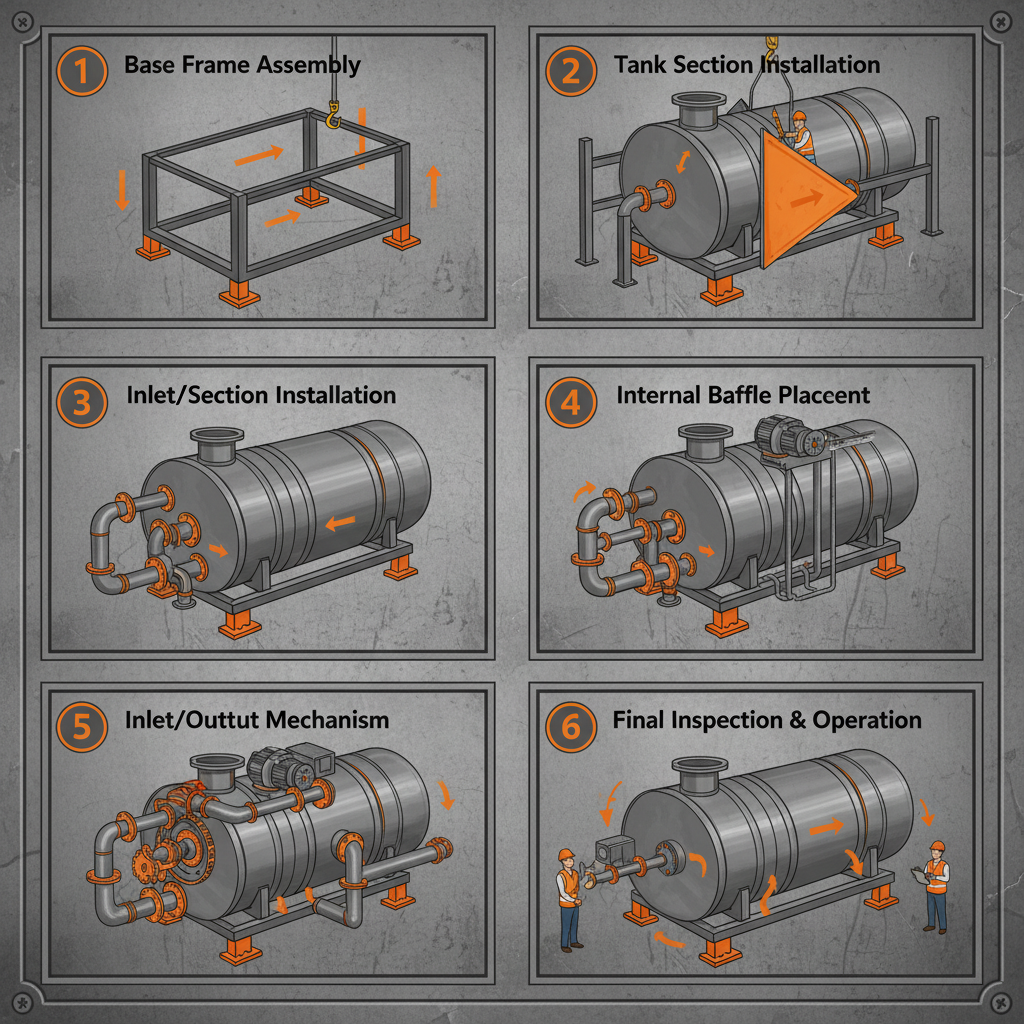
In the demanding world of industrial fluid and gas management, the fiberglass damper has emerged as a critical component for controlling flow rates and regulating pressure within ducting systems. Unlike traditional metal dampers that succumb to the ravages of oxidation and chemical erosion, these reinforced polymer solutions offer a synthesis of lightweight agility and heavy-duty endurance. Understanding the mechanics and material science behind these components is essential for engineers seeking to optimize system longevity and operational safety.
Globally, the shift toward composite materials is driven by the need for higher efficiency in sectors like chemical processing, wastewater treatment, and marine engineering. The integration of a fiberglass damper allows facilities to maintain precise control over air or liquid streams while drastically reducing the frequency of maintenance shutdowns. As industries push toward "zero-leakage" and "zero-corrosion" goals, the adoption of FRP (Fiber Reinforced Plastic) technology becomes not just an advantage, but a necessity.
By exploring the nuances of fiberglass construction, from the resin chemistry to the mechanical actuation, businesses can achieve a lower total cost of ownership. This guide provides a comprehensive deep dive into why the fiberglass damper is the superior choice for modern corrosive environments, detailing its technical specifications, global applications, and the future of flow-control innovation.
Global Relevance of Fiberglass Damper Technology
The global industrial landscape is currently facing a crisis of material degradation. According to various ISO standards and industrial reports, corrosion costs global economies billions of dollars annually, particularly in the chemical and petrochemical sectors. The fiberglass damper addresses this challenge head-on by replacing vulnerable carbon steel and stainless steel with high-performance composites that are naturally inert to most acids and alkalis.
In regions like Southeast Asia and the Gulf Coast, where high humidity and saline air accelerate metal decay, the adoption of FRP solutions has seen a marked increase. By implementing a fiberglass damper, plant managers can ensure that airflow regulation remains consistent without the risk of the damper blades "freezing" due to rust, which is a common cause of system failure in critical ventilation and scrubbing units.
Defining the Mechanics of a Fiberglass Damper
At its core, a fiberglass damper is a flow-control device constructed from fiber-reinforced plastic, consisting of a frame and a series of adjustable blades. These blades can be oriented to either completely block, partially restrict, or fully open the passage of gases or liquids. The "fiberglass" aspect refers to the use of glass fibers embedded in a polymer resin matrix, which creates a material with an exceptional strength-to-weight ratio.
Modern industry relies on these devices to manage the delicate balance of pressure and temperature within complex duct systems. Whether it is used in a scrubber system to control the velocity of exhaust fumes or in a desalination plant to manage brine flow, the fiberglass damper ensures that the system operates within its designed parameters, preventing equipment overload and enhancing safety.
Unlike traditional mechanical dampers, the FRP version is designed to resist "stiction" (static friction) and chemical bonding. This means that even after years of exposure to caustic vapors, the actuator can still move the blades with precision, ensuring that the humanitarian and industrial needs for clean air and water are met with reliable infrastructure.
Core Components for Maximum Durability
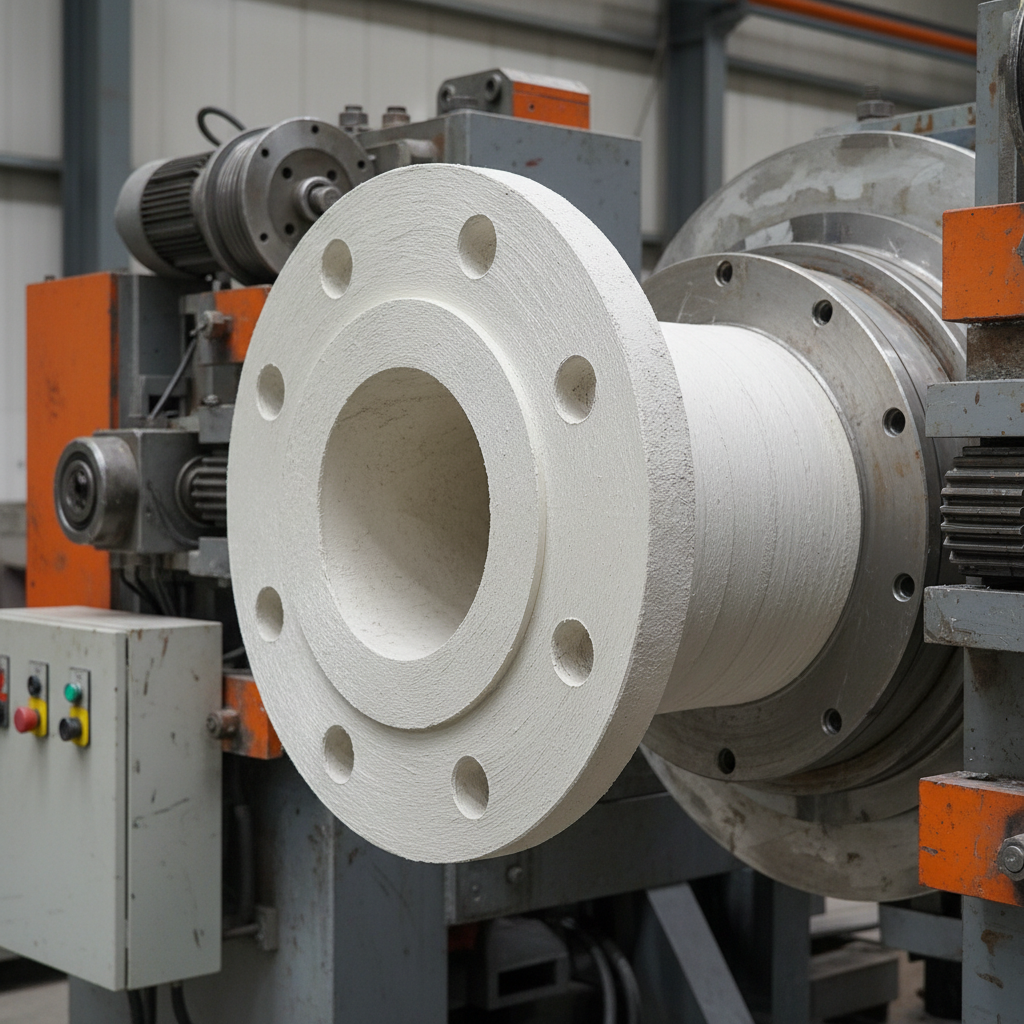
The structural integrity of a fiberglass damper begins with the resin selection. Depending on the environment, vinyl ester or epoxy resins are used to ensure the damper can withstand specific chemical concentrations, preventing the "fiber bloom" effect where the resin degrades and exposes the glass fibers.
Reinforcement layers are the second critical factor. By utilizing multi-axial glass fabrics and chopped strand mats, the fiberglass damper achieves the necessary rigidity to prevent blade warping under high-pressure differentials, a common flaw in lower-quality plastic alternatives.
Finally, the sealing mechanism and linkage system are engineered for low friction. High-grade PTFE or specialized composite bushings are often integrated into the fiberglass damper assembly to ensure that the moving parts do not wear down, maintaining a tight seal that prevents leakage and optimizes energy efficiency.
Performance Metrics and Efficiency Gains
Evaluating the efficiency of a fiberglass damper involves analyzing its pressure drop across various open-percentage levels. Because the surface of the FRP can be finished to an extremely smooth level, the turbulence generated is significantly lower than that of corroded metal surfaces, leading to better airflow dynamics.
Furthermore, the weight reduction provided by fiberglass allows for the use of smaller, more energy-efficient actuators. A fiberglass damper requires less torque to operate than a heavy steel equivalent, reducing the electricity consumption of the control system and decreasing the mechanical stress on the supporting ductwork.
Comparative Performance of Fiber-Reinforced Damper Models
Industrial Applications Across Global Sectors
In the realm of environmental protection, the fiberglass damper is indispensable for flue gas desulfurization (FGD) systems. These systems handle aggressive slurry and acidic gases that would destroy metal components in months; however, the chemical resistance of FRP ensures that the flow can be modulated for years without failure.
Beyond heavy industry, these components are widely used in marine environments for boat ventilation and engine room exhaust. The saltwater atmosphere is notoriously corrosive, but a fiberglass damper remains impervious to salt spray, providing ship owners with a reliable, low-maintenance solution for airflow management in the harshest conditions on earth.
Long-Term Value and Sustainability Benefits
The value proposition of a fiberglass damper extends far beyond the initial purchase price. When calculating the Life Cycle Cost (LCC), the reduction in replacement frequency and the elimination of expensive anti-corrosion coatings provide a massive financial advantage. Companies can shift their budget from reactive repairs to proactive system optimization.
From a sustainability perspective, the longevity of FRP reduces the volume of industrial waste. Instead of scrapping rusted metal dampers every few years, a single fiberglass damper can last for decades. This alignment with "green" building and industrial standards helps corporations meet their ESG (Environmental, Social, and Governance) targets.
Moreover, the safety implications are profound. A failed damper in a chemical plant can lead to hazardous gas leaks or pressure build-ups. By trusting the structural reliability of a fiberglass damper, operators gain peace of mind, knowing that the critical isolation points of their facility are secure and dependable.
Future Innovations in FRP Flow Control
The next generation of the fiberglass damper is moving toward "Smart Damper" technology. By integrating IoT sensors directly into the composite structure, operators can monitor blade position and flow velocity in real-time via digital twins, allowing for predictive maintenance before a failure occurs.
Material science is also evolving with the introduction of bio-resins and recycled carbon fibers. These innovations will make the fiberglass damper even more eco-friendly, reducing the carbon footprint of the manufacturing process while increasing the stiffness and thermal resistance of the final product.
As automation becomes the standard, we expect to see more fiberglass damper systems featuring fully automated, precision-stepped actuators that can adjust flow based on AI-driven atmospheric data, further optimizing energy use in large-scale industrial ventilation systems.
Comparative Analysis of Fiber-Reinforced Damper Material Specifications
| Material Grade |
Corrosion Resistance |
Max Temp Limit |
Service Life (Years) |
| Standard Polyester |
Moderate |
60°C |
10-15 |
| Vinyl Ester Grade |
High |
105°C |
20-25 |
| Epoxy Composite |
Very High |
150°C |
30+ |
| Phenolic Resin |
High/Fire-Resistant |
200°C |
20-30 |
| Hybrid Carbon/Glass |
Excellent |
120°C |
25-35 |
| Dual Laminate (FRP/PVC) |
Extreme |
80°C |
30+ |
FAQS
The primary advantage is total corrosion immunity. While stainless steel resists rust better than carbon steel, it can still be attacked by specific chlorides and strong acids. A fiberglass damper is chemically inert to a wider range of substances and is significantly lighter, reducing the structural load on the ducting system while eliminating the need for periodic painting or coating.
Depending on the resin used (e.g., Vinyl Ester or Epoxy), a high-quality fiberglass damper can easily last between 20 to 30 years. This longevity is due to the material's inherent resistance to chemical degradation and environmental weathering, which prevents the structural thinning that typically plagues metal dampers in acidic environments.
Yes, but it depends on the resin. Standard polyesters have lower thermal limits, but specialty phenolic or high-Tg epoxy resins allow the fiberglass damper to operate in high-temperature zones without losing structural rigidity or warping. It is essential to specify the operating temperature during the design phase to ensure the correct resin matrix is selected.
Actually, they are easier to install. Because a fiberglass damper is much lighter than metal, it requires less heavy lifting equipment and can be maneuvered into tight spaces more easily. Most are designed as "drop-in" replacements that match the dimensions of standard metal dampers, making the transition seamless.
Absolutely. While the initial cost may be comparable or slightly higher than basic steel, the cost-effectiveness is realized through the elimination of maintenance costs and replacements. From an eco-perspective, the extended service life reduces the waste stream and the energy required for frequent manufacturing cycles, making the fiberglass damper a sustainable choice.
Maintenance is minimal. Unlike metal, there is no need to scrape rust or apply protective coatings. Periodic inspection of the actuator linkages and lubrication of the pivot points (if not using self-lubricating bushings) are the only requirements. This allows the fiberglass damper to operate reliably with almost zero downtime.
Conclusion
In summary, the fiberglass damper represents the pinnacle of modern flow-control engineering, blending the strength of glass fibers with the chemical resilience of advanced polymers. By solving the perennial problem of corrosion and reducing the mechanical burden on industrial systems, these components ensure safer, more efficient, and more sustainable operations across the globe. From the depths of marine vessels to the heights of chemical scrubbers, the transition to FRP is a logical step for any facility prioritizing longevity and reliability.
Looking forward, as we embrace the era of Industry 4.0, the integration of smart sensors and bio-composites will further elevate the role of the fiberglass damper in environmental stewardship. We encourage engineers and procurement managers to move beyond traditional metal constraints and invest in composite technology to future-proof their infrastructure. For customized solutions and technical consultations, visit our website: www.jrain-frp.com