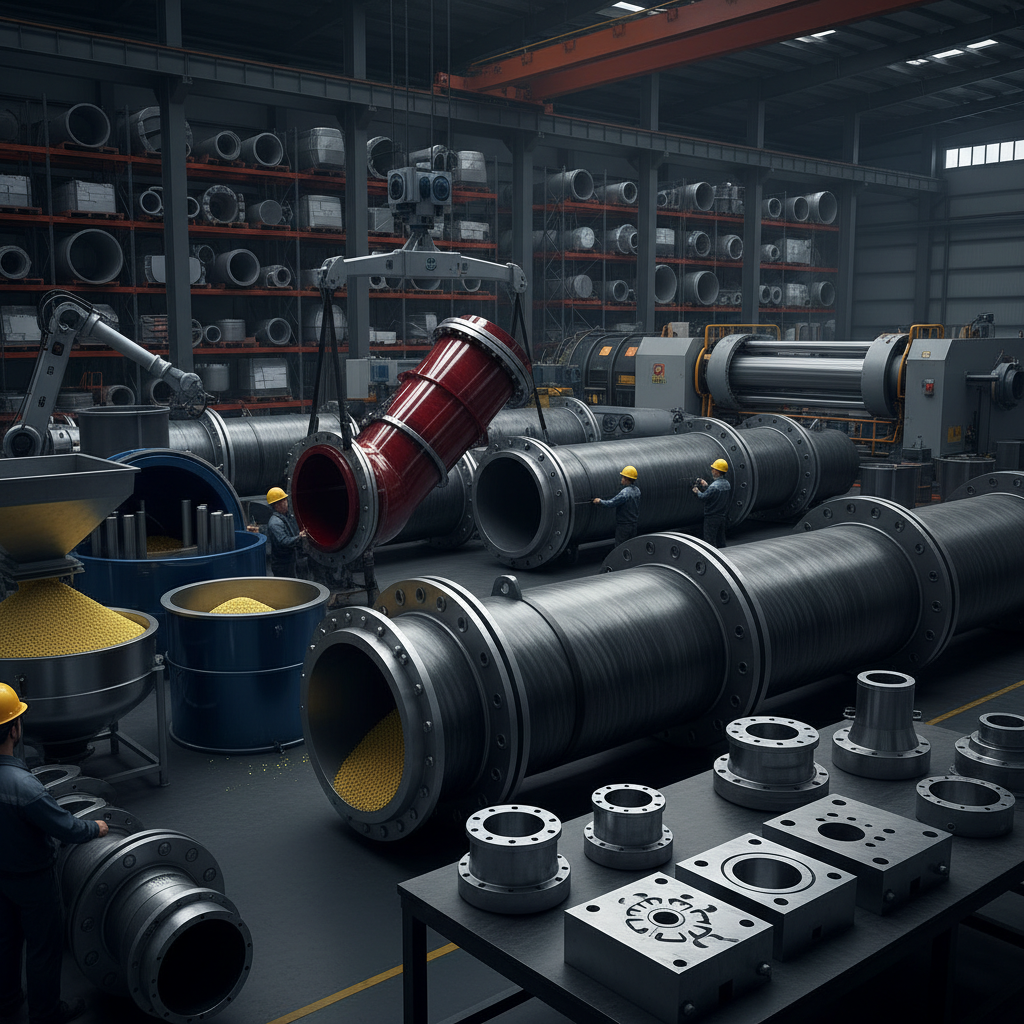
In the demanding landscape of industrial ventilation and air handling, the emergence of the fiberglass fan has revolutionized how engineers approach corrosive environments. By combining the strength of glass-reinforced plastics with aerodynamic precision, these systems offer a viable alternative to traditional metal fans that often succumb to oxidation and chemical degradation within months of operation.
Across the globe, industries ranging from chemical processing to wastewater treatment are shifting toward composite materials to reduce operational downtime. The integration of a high-performance fiberglass fan ensures that critical airflow is maintained even when transporting caustic fumes or operating in high-humidity coastal zones, where salt spray would typically erode steel components.
Understanding the nuances of these systems—from their material composition to their energy efficiency—is essential for any facility manager aiming to optimize lifecycle costs. This guide explores the technical superiority, global applications, and future trajectory of the fiberglass fan, providing a comprehensive blueprint for sustainable industrial airflow management.
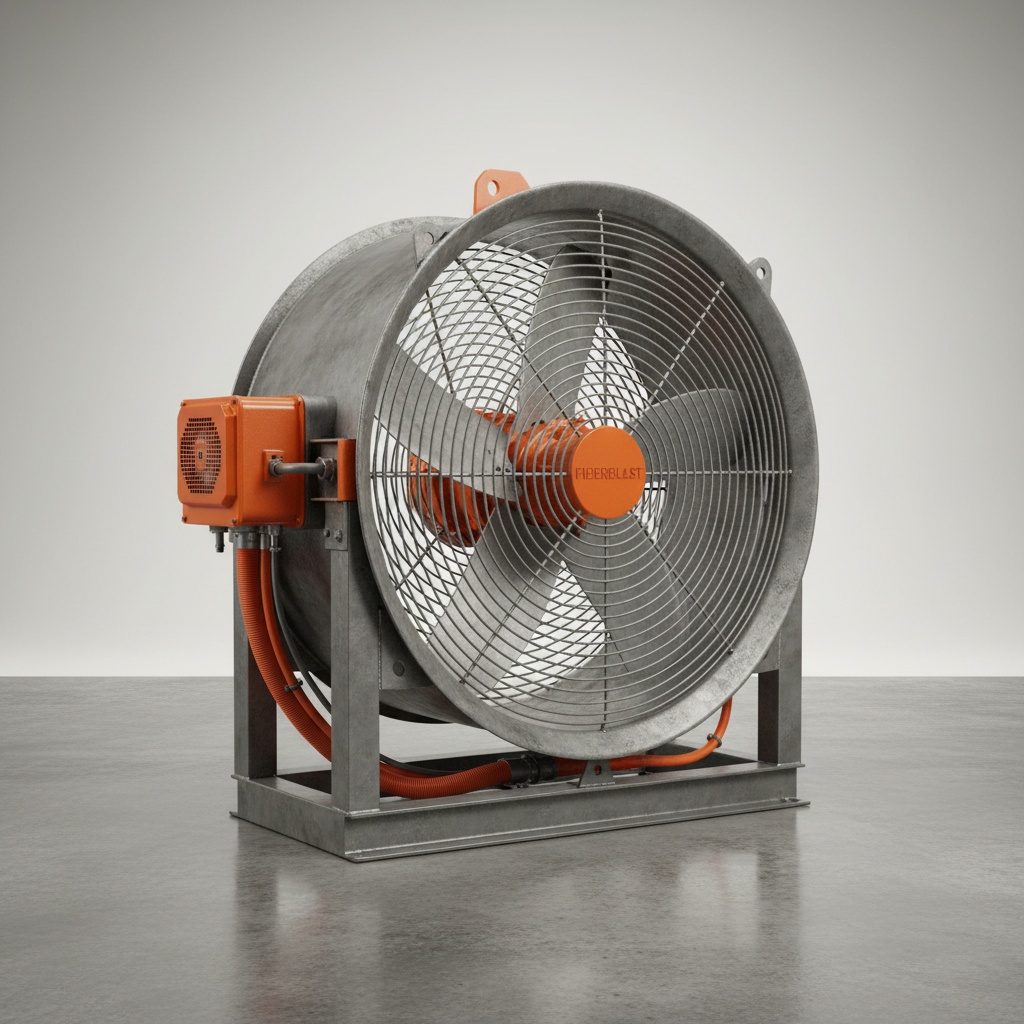
The global industrial sector is currently facing a critical challenge: the rapid deterioration of infrastructure due to aggressive chemical exposure. According to ISO standards for corrosion protection, traditional metallic fans in chemical plants often require replacement every 2-5 years, leading to massive capital expenditure and unplanned outages. The adoption of a fiberglass fan directly addresses this vulnerability by utilizing Fiber Reinforced Plastic (FRP), which is inherently inert to most acids and alkalis.
By transitioning to composite airflow solutions, companies can significantly reduce their maintenance footprints. The lightweight nature of the fiberglass fan not only lowers the structural load on facility roofs and supports but also reduces the energy required for the motor to overcome the inertia of the impeller, creating a ripple effect of efficiency across the entire production line.
This architectural shift is not merely about material replacement; it is about optimizing the fan for humanitarian and environmental needs. For instance, in water treatment facilities that utilize chlorine or sulfur-based chemicals, a standard fan would fail rapidly. The fiberglass fan ensures that toxic gases are safely evacuated from the workspace, protecting human operators and ensuring compliance with strict occupational health and safety regulations.
Modern designs often incorporate "Dual Laminate" technology, where a thermoplastic liner (like PVC or PP) is reinforced with an external fiberglass layer. This hybrid approach allows the fiberglass fan to handle the most extreme pH levels while maintaining the rigid structural integrity needed to handle high static pressures without deformation.
Durability is the cornerstone of the fiberglass fan. The use of UV-stabilized resins prevents the composite from becoming brittle under direct sunlight, which is crucial for outdoor installation in regions like the Middle East or Southeast Asia. This ensures that the structural integrity of the fan remains intact over decades, not just years.
Scalability and customization are equally vital. A fiberglass fan can be precision-molded to meet specific CFM (Cubic Feet per Minute) requirements, allowing engineers to tailor the blade pitch and housing geometry to the specific airflow dynamics of a particular plant, thereby eliminating the waste associated with "off-the-shelf" oversized units.
Finally, cost-efficiency is realized through the reduction of "Total Cost of Ownership" (TCO). While the initial procurement of a fiberglass fan might be higher than a basic galvanized steel unit, the elimination of painting, coating, and frequent corrosion-related replacements makes it the more economical choice over a 10-year horizon.
The deployment of the fiberglass fan spans various high-stakes environments globally. In the semiconductor industry in Taiwan and South Korea, these fans are used to manage the corrosive exhaust from etching and cleaning processes. Without the chemical resistance of FRP, the precision air-handling systems would fail, risking millions of dollars in wafer production.
In remote industrial zones, such as mining operations in Australia or oil refineries in the Gulf Coast, the fiberglass fan is prized for its low maintenance. In these areas, bringing in a specialized crew for fan repair is prohibitively expensive; therefore, the "install and forget" reliability of composite fans is a strategic operational advantage.
Beyond the logic of cost, there is an emotional value tied to safety and trust. Plant operators can work with the peace of mind that their ventilation system will not fail during a critical chemical leak. The reliability of the fiberglass fan creates a safer workplace, enhancing employee dignity and corporate responsibility.
The future of the fiberglass fan is being shaped by the digital transformation of industry. We are seeing the integration of IoT sensors directly into the FRP housing to monitor vibration and airflow in real-time. This allows for "predictive maintenance," where the system alerts engineers to a bearing issue long before it leads to a catastrophic failure.
Moreover, the development of bio-based resins is making the fiberglass fan even greener. By replacing petroleum-based resins with plant-derived polymers, the industry is moving toward a circular economy where ventilation components are not only durable but also more environmentally friendly to produce.
Automation in manufacturing, such as 3D printing of composite molds, is also reducing the lead time for customized fiberglass fan units. This means that highly specialized designs for unique chemical environments can be delivered to the customer faster and with higher geometric precision than ever before.
Despite the advantages, some firms hesitate due to the perceived complexity of installing composite systems. The primary challenge often lies in the connection points between the fiberglass fan and existing metal ductwork. This can be solved through the use of specialized FRP-to-Metal transition flanges and high-grade chemical gaskets that prevent leakage at the interfaces.
Another concern is the impact of extreme temperatures. While FRP is excellent for corrosion, very high heat can degrade certain resins. The solution is the application of high-Tg (glass transition temperature) resins or ceramic-reinforced fiberglass, allowing the fiberglass fan to operate in heat-intensive processes without losing structural rigidity.
Finally, the lack of localized technical expertise in some regions can hinder adoption. By partnering with experienced manufacturers who provide comprehensive installation guides and remote support, companies can successfully integrate the fiberglass fan into their systems, ensuring that the theoretical benefits are translated into real-world operational gains.
| Material Type | Corrosion Resistance | Weight-to-Strength Ratio | Maintenance Interval |
|---|---|---|---|
| Standard Fiberglass Fan | Excellent (10/10) | Very High | 5-10 Years |
| Galvanized Steel | Low (3/10) | Medium | 1-2 Years |
| Stainless Steel 316 | High (7/10) | Low | 3-5 Years |
| Polypropylene (PP) | Very High (9/10) | High | 2-4 Years |
| Dual Laminate FRP | Superior (10/10) | High | 7-12 Years |
| Aluminum Alloy | Moderate (5/10) | High | 2-3 Years |
While stainless steel is strong, it is still susceptible to pitting and stress-corrosion cracking when exposed to chlorides or strong acids. A fiberglass fan is made from inert polymers and glass fibers that do not react with these chemicals, resulting in a significantly longer service life and lower maintenance costs in aggressive environments.
Depending on the resin quality and the specific chemicals present, a high-quality fiberglass fan can easily last 15 to 25 years. Unlike metal fans that rust in humid or salty air, FRP does not oxidize, meaning the structural integrity remains stable for decades with minimal upkeep.
Yes. Because FRP is significantly lighter than steel or stainless steel, the rotational inertia of the impeller is reduced. This means the motor requires less torque to reach operational speeds and consumes less electricity to maintain airflow, leading to lower energy bills and reduced wear on the drive system.
Absolutely. One of the primary benefits of the fiberglass fan is the molding process. Manufacturers can adjust the blade angle, diameter, and housing volume to precisely match the static pressure and CFM needs of a specific industrial application, ensuring optimal efficiency.
Fiberglass is non-conductive and non-sparking, which makes it an excellent choice for hazardous areas where flammable gases are present. When paired with an explosion-proof motor, a fiberglass fan provides a safer environment by eliminating the risk of mechanical sparks from the fan housing or blades.
The best practice is to use FRP transition adapters. These are molded pieces that provide a secure, corrosion-resistant bridge between the fiberglass fan and the steel ductwork. Using chemical-resistant gaskets and flexible connectors can further prevent stress fractures and air leaks.
The transition toward the fiberglass fan represents a critical evolution in industrial engineering, moving away from the "replace and repair" cycle of metals toward a "install and sustain" philosophy. By leveraging the inherent chemical resistance, lightweight strength, and customizable nature of FRP, industries can ensure safer operations, significantly lower TCO, and a reduced environmental impact.
Looking forward, as the industry embraces IoT and bio-resins, these airflow solutions will become even more intelligent and sustainable. For any facility dealing with corrosive air or seeking to optimize energy efficiency, the adoption of a high-performance fiberglass fan is no longer just an option—it is a strategic necessity. Visit our website: www.jrain-frp.com