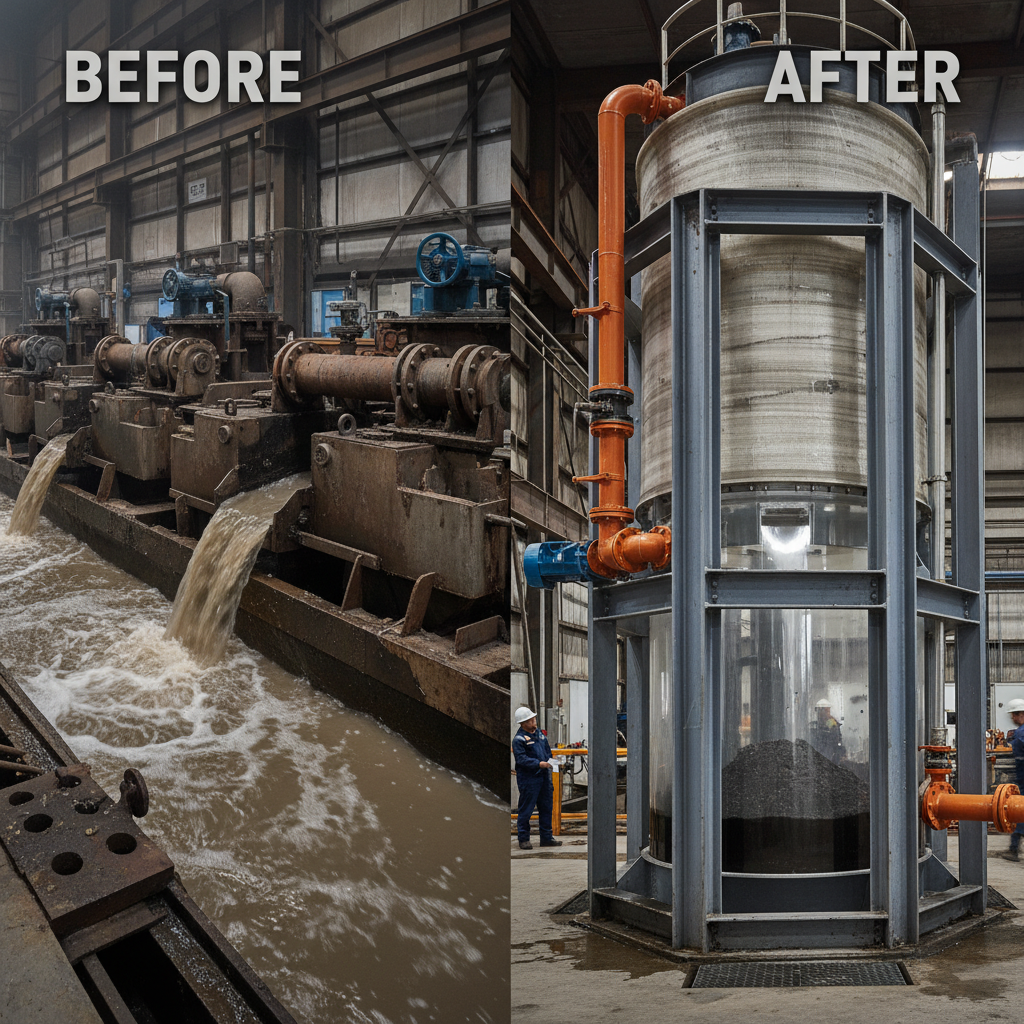
In the realm of industrial water treatment and chemical processing, the efficiency of solids separation is paramount. A fiberglass settler serves as a critical component designed to facilitate the sedimentation of suspended solids from a liquid medium, utilizing the unique properties of Fiber Reinforced Plastic (FRP). By providing a stable, corrosion-resistant environment, these systems ensure that effluent meets stringent environmental standards while protecting downstream equipment from abrasive wear.
The global shift toward sustainable infrastructure has placed a spotlight on materials that offer longevity without the heavy maintenance costs associated with steel or concrete. The adoption of a fiberglass settler allows industries to operate in highly aggressive chemical environments—such as those found in mining, wastewater treatment, and chemical manufacturing—where traditional materials would fail rapidly due to oxidation or acid attack.
Understanding the technical nuances of these systems is essential for plant managers and engineers aiming to optimize their flow rates and purification levels. From the structural integrity provided by the winding process to the chemical inertness of the resin liners, every aspect of a fiberglass settler is engineered to maximize uptime and minimize the ecological footprint of industrial operations.
The Engineering Logic of Fiberglass Settler Design
The design of a fiberglass settler is rooted in the principles of fluid dynamics and gravitational sedimentation. By controlling the velocity of the incoming liquid, the system allows heavier particles to settle at the bottom while the clarified liquid overflows from the top. This process is meticulously engineered to prevent turbulence, which could otherwise resuspend the settled solids and compromise the purity of the discharge.
Modern engineering focuses on the "surface loading rate," ensuring that the area of the settler is sufficient for the specific gravity of the particles being removed. Using FRP allows for the creation of large-diameter vessels with seamless interiors, which eliminates the "dead zones" common in bolted steel tanks, thereby optimizing the hydraulic efficiency of the entire separation process.
Critical Material Advantages of FRP in Settlers
The primary reason for choosing a fiberglass settler over traditional concrete or metal options is the exceptional corrosion resistance of Fiber Reinforced Plastic. In many industrial applications, settlers deal with acidic or alkaline wastewater that would eat through carbon steel in months. FRP remains inert, significantly extending the equipment's lifecycle and reducing the need for expensive epoxy linings or frequent repainting.
Beyond chemical resistance, the strength-to-weight ratio of fiberglass is a game-changer for installation. Because FRP is significantly lighter than concrete, these settlers can be transported as prefabricated units and installed in remote locations with minimal heavy machinery. This reduces the on-site construction time and minimizes the risk of structural flaws that often occur during field-poured concrete projects.
Furthermore, the non-conductive nature of fiberglass prevents galvanic corrosion and electrical hazards in complex plant environments. This inherent safety feature, combined with the ability to customize the resin type—such as using vinyl ester for extreme chemical resistance—makes the fiberglass settler the gold standard for hazardous fluid management.
Core Components and Structural Integration
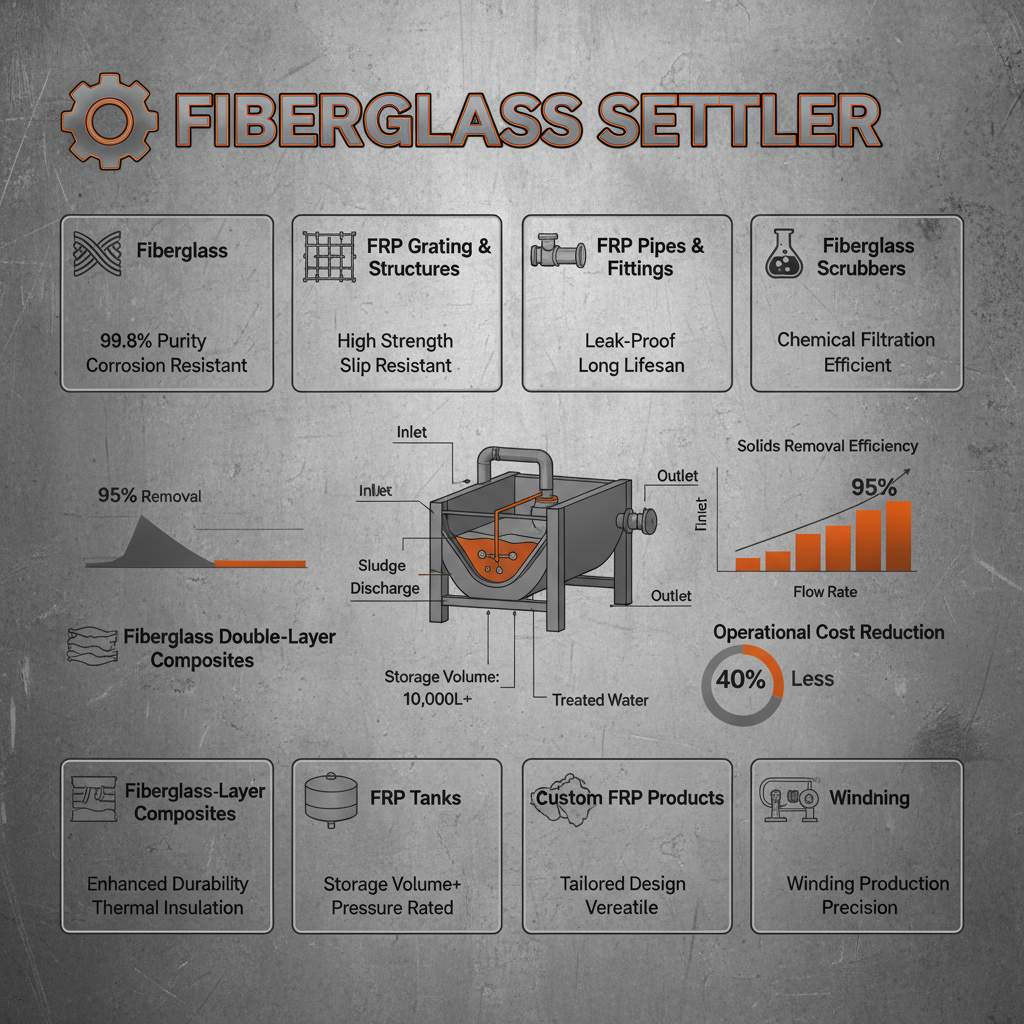
A high-performance fiberglass settler consists of several integrated components: the main settling body, the inlet diffuser, the sludge collection hopper, and the effluent weir. The inlet diffuser is particularly critical, as it dissipates the energy of the incoming flow to ensure a laminar transition, which is essential for effective particle precipitation.
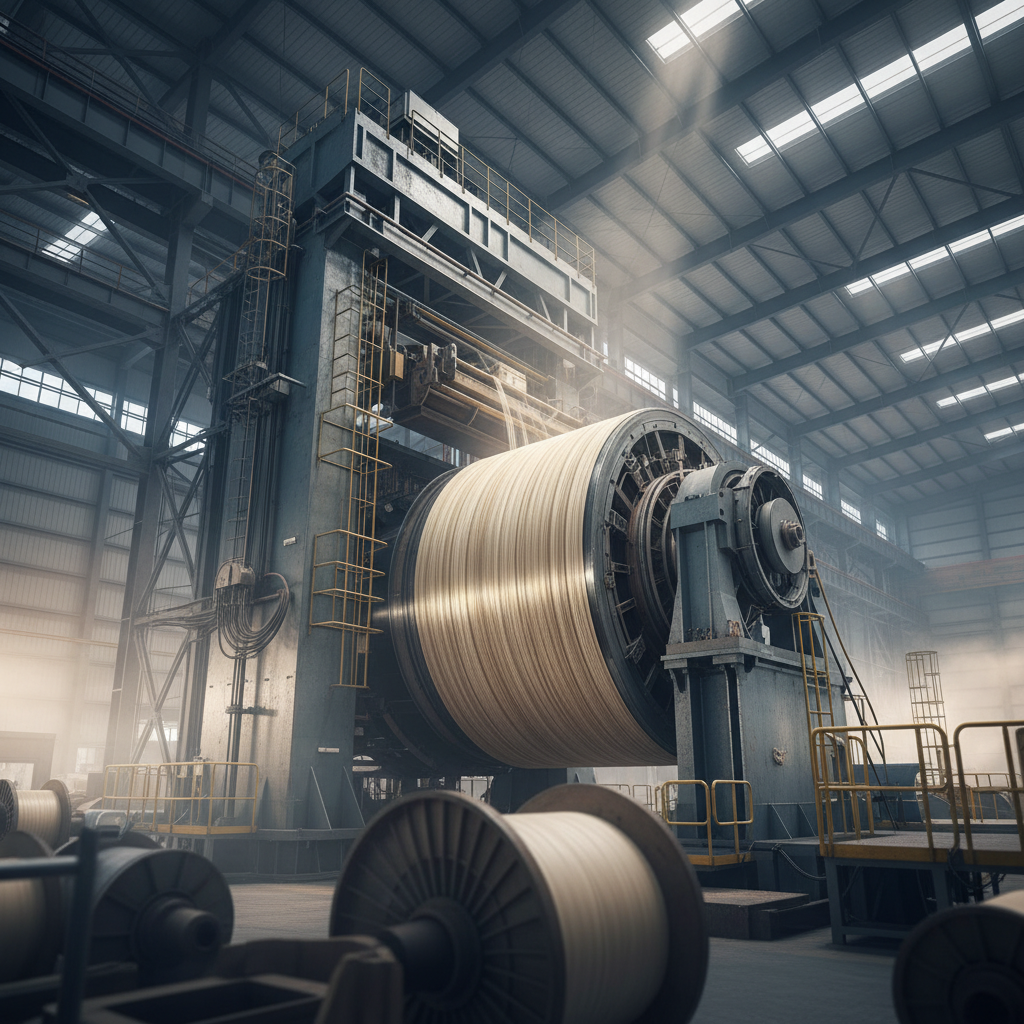
The structural integrity of the fiberglass settler is achieved through a combination of continuous filament winding and hand-layup processes. This hybrid approach ensures that the walls can withstand high hydrostatic pressure while the internal surfaces remain glass-smooth to prevent the accumulation of biological slime or chemical scale.
Integration with other FRP systems, such as piping and pumps, creates a monolithic, leak-proof environment. By utilizing the same material for the fiberglass settler and its connecting ducts, engineers avoid the stress concentrations and corrosion cells that typically form at the junctions of dissimilar materials.
Performance Metrics and Efficiency Analysis
Evaluating the efficiency of a fiberglass settler involves analyzing the Total Suspended Solids (TSS) removal rate. A well-designed system can remove upwards of 90% of settleable solids, depending on the flow rate and particle size. The smooth internal walls of FRP reduce friction losses, allowing for a more consistent flow velocity throughout the vessel.
Operational reliability is measured not just by the purity of the water, but by the ease of sludge removal. Many fiberglass settlers incorporate conical bottoms that facilitate the gravity-fed removal of accumulated solids, reducing the need for manual cleaning and lowering the overall operational expenditure (OPEX) of the facility.
Comparative Efficiency of Settler Configurations
Global Industrial Applications and Use Cases
The versatility of the fiberglass settler makes it indispensable across various sectors. In the mining industry, particularly in the Americas and Australia, FRP settlers are used to remove tailings and minerals from process water, allowing the water to be recycled back into the plant, which is critical in water-scarce regions.
In municipal wastewater treatment plants across Europe and Asia, these settlers are employed as primary clarifiers. Their ability to handle fluctuating loads and resist the corrosive nature of biological waste ensures that cities can maintain clean water standards without the constant threat of structural failure in their sewage infrastructure.
Long-Term Value and Sustainability Impact
From a financial perspective, the total cost of ownership (TCO) for a fiberglass settler is significantly lower than that of metal alternatives. While the initial investment may be comparable, the elimination of annual painting, cathodic protection, and liner replacements results in massive savings over a 20-to-30-year lifecycle.
Sustainability is another core driver. By preventing leaks through seamless construction, FRP settlers protect groundwater from industrial contamination. Additionally, the energy efficiency gained from optimized hydraulic flows reduces the pumping power required to move fluids through the treatment chain.
The psychological value of "set-and-forget" infrastructure cannot be overstated. Plant operators gain peace of mind knowing that their fiberglass settler will not succumb to the invisible creep of corrosion, allowing them to focus on process optimization rather than emergency repairs.
Future Innovations in Settler Technology
The next generation of fiberglass settler technology is integrating "smart" monitoring systems. Embedded sensors can now detect sludge levels in real-time, triggering automatic discharge valves to maintain peak efficiency without the need for manual sampling, blending IoT with traditional FRP fabrication.
We are also seeing a move toward bio-resins and recyclable fiberglass reinforcements to further enhance the green credentials of industrial equipment. These materials aim to reduce the carbon footprint of the manufacturing process while maintaining the rigorous mechanical properties required for heavy-duty settling operations.
Modular, "plug-and-play" settler arrays are also emerging. Instead of one massive tank, multiple smaller fiberglass settler units can be linked together, allowing plants to scale their capacity up or down based on demand without interrupting the rest of the process.
Comparative Analysis of Settler Material Performance
| Material Type |
Corrosion Resistance |
Installation Speed |
Lifecycle Cost |
| FRP (Standard) |
Excellent |
Fast |
Low |
| Carbon Steel |
Poor |
Moderate |
High |
| Stainless Steel |
Good |
Moderate |
Medium |
| Reinforced Concrete |
Moderate |
Slow |
Medium |
| HDPE Plastic |
Excellent |
Fast |
Low |
| FRP (Dual Laminate) |
Superior |
Moderate |
Very Low |
FAQS
While concrete is durable, it is prone to cracking and chemical erosion over time, especially in acidic environments. A fiberglass settler is chemically inert, meaning it does not rust or degrade when exposed to corrosive wastewater. When properly engineered, an FRP system can match or exceed the lifespan of concrete without requiring the expensive structural rehabilitations or relining that concrete tanks eventually need.
Yes, provided they are designed with the correct filament winding pattern. By adjusting the angle and thickness of the glass fibers and the type of resin used, the settler can be engineered to withstand significant hydrostatic pressures. This makes them suitable for large-scale industrial applications where depth and volume are required for efficient sedimentation.
Maintenance for a fiberglass settler is minimal compared to metal tanks. There is no need for sanding or painting. The primary maintenance involves the periodic removal of settled sludge and checking the integrity of the effluent weirs. Because the surface is smooth, biological fouling is reduced, requiring fewer chemical cleansings.
They contribute to sustainability in several ways: they prevent groundwater leaks through seamless construction, they enable water recycling in mining and industry, and they have a lower carbon footprint during transport due to their light weight. Furthermore, their long service life reduces the frequency of replacement and the associated material waste.
Sizing depends on the "settling velocity" of your specific particles and the total flow rate of your liquid. You must calculate the surface overflow rate (SOR) to ensure particles have enough time to reach the bottom before the liquid exits the system. We recommend consulting with an FRP engineer to balance the footprint of the vessel with the required purity levels.
Absolutely. One of the greatest advantages of FRP is the ability to choose the resin. Whether you need an orthophthalic resin for general use, a isophthalic resin for better water resistance, or a vinyl ester resin for aggressive acids and solvents, the fiberglass settler can be tailored to the specific chemistry of your process.
Conclusion
The integration of a fiberglass settler into industrial water treatment represents a strategic move toward efficiency, durability, and environmental responsibility. By combining the principles of gravitational sedimentation with the advanced material properties of Fiber Reinforced Plastic, industries can achieve superior solids separation while virtually eliminating the risks of corrosion and structural decay. From the initial reduction in installation time to the long-term collapse of maintenance costs, the value proposition of FRP is clear.
As we look toward a future of smarter, greener industrialization, the role of high-performance composites will only grow. Investing in high-quality, customized settlers not only ensures compliance with today's environmental regulations but also prepares your facility for the operational demands of tomorrow. We invite you to optimize your process and secure your infrastructure for the long haul. Visit our website: www.jrain-frp.com