The maritime industry is currently undergoing a significant material revolution, shifting away from traditional heavy metals toward advanced composites to enhance vessel efficiency and longevity. Among these innovations, fiberglass pipes and fittings for ship building have emerged as a critical solution for transporting fluids in the most aggressive saltwater environments. By integrating high-strength glass fibers with specialized resin matrices, these components offer an unparalleled combination of lightness and resilience.
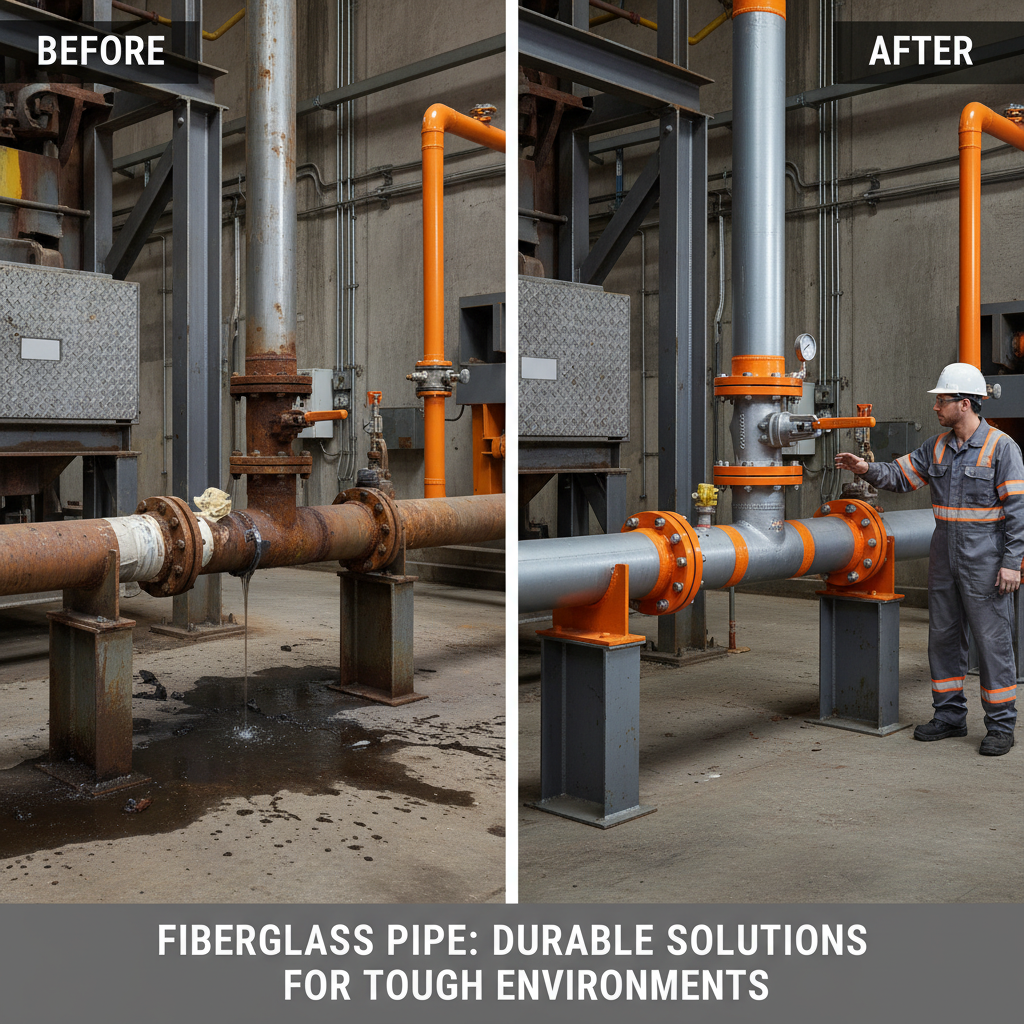
Implementing fiberglass pipes and fittings for ship building is not merely a matter of swapping materials; it is a strategic decision to eliminate the perpetual cycle of corrosion and costly maintenance. In an era where operational uptime is paramount, the shift toward FRP (Fiber Reinforced Polymer) ensures that critical ship systems—from bilge and ballast to potable water—remain leak-free and structurally sound over decades of service.
Understanding the technical nuances of these piping systems allows shipbuilders to optimize the overall weight of the vessel, which directly correlates to improved fuel efficiency and higher cargo capacity. As global maritime regulations tighten regarding emissions and environmental impact, the adoption of durable, sustainable materials like fiberglass pipes and fittings for ship building becomes a competitive necessity for modern naval architecture.
Global Relevance of FRP Piping in Maritime Engineering
On a global scale, the maritime sector accounts for a massive portion of international trade, but it faces a persistent enemy: chloride-induced corrosion. According to industry benchmarks and ISO standards for marine materials, the cost of corrosion in ships can reach billions of dollars annually in repairs and premature decommissioning. This challenge has accelerated the demand for fiberglass pipes and fittings for ship building, which provide a chemically inert alternative to steel and copper.
The shift toward FRP is particularly evident in the Asia-Pacific and European shipyards, where the drive for "Green Shipping" is pushing designers to reduce vessel weight. By utilizing fiberglass systems, engineers can significantly lower the center of gravity and increase the payload of the vessel, making fiberglass pipes and fittings for ship building a cornerstone of modern, efficient naval design.
Defining Fiberglass Pipes and Fittings for Ship Building
In simple terms, fiberglass pipes and fittings for ship building are high-performance conduits made from a composite of glass fibers embedded in a thermosetting plastic resin, such as vinyl ester or epoxy. Unlike traditional pipes, these are engineered to handle the specific mechanical stresses of a ship's hull, including vibration, thermal expansion, and the crushing pressure of deep-sea environments.
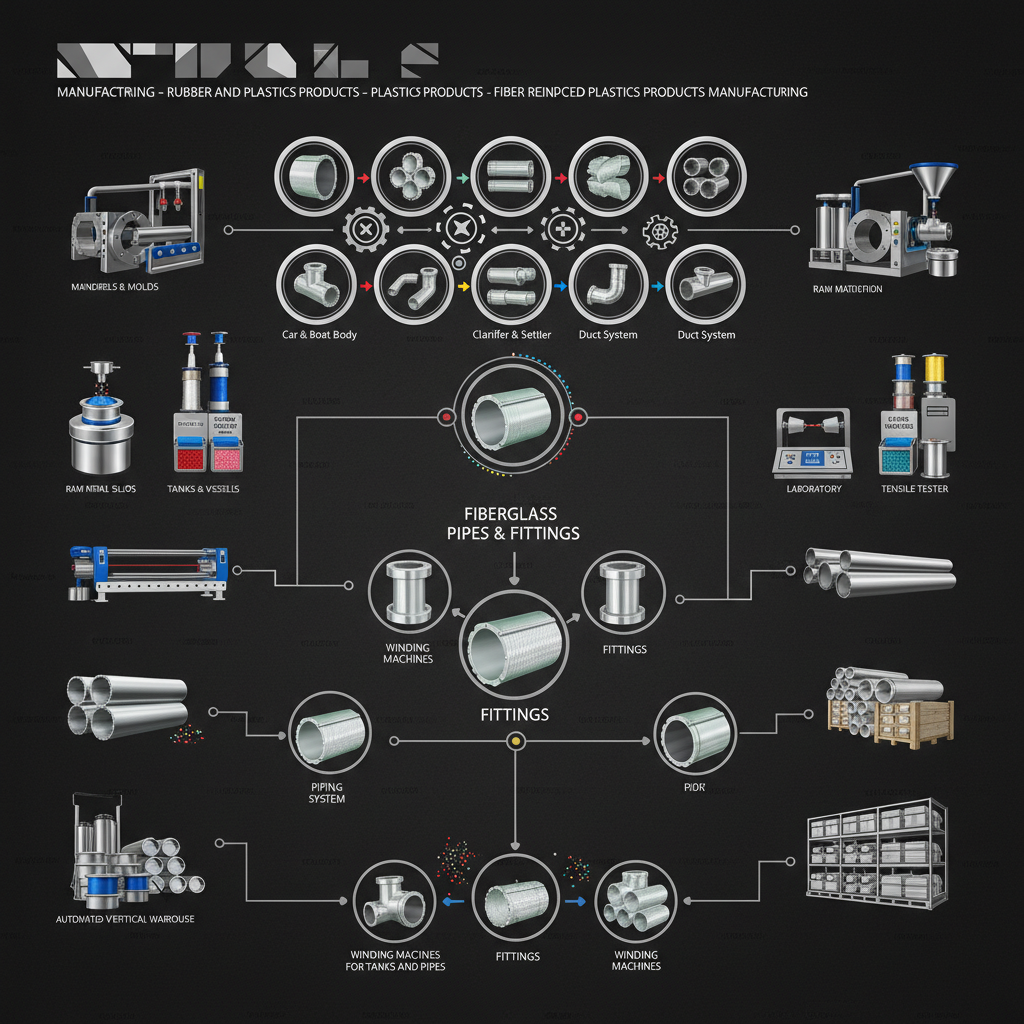
These systems encompass a wide array of components, including elbows, tees, reducers, and flanges, all designed to create a seamless, leak-proof network. The "fiberglass" aspect provides the tensile strength, while the "resin" provides the chemical barrier, ensuring that the internal fluid—whether it be seawater, fuel, or chemicals—never degrades the pipe wall.
Beyond technical specifications, these components address a fundamental humanitarian and safety need: the prevention of catastrophic leaks. In passenger ferries or naval vessels, the failure of a piping system can lead to flooding or toxic exposure. By implementing high-grade fiberglass pipes and fittings for ship building, shipbuilders ensure a higher standard of safety for crews and passengers alike.
Core Technical Factors of Marine Composite Piping
One of the most critical factors of fiberglass pipes and fittings for ship building is Corrosion Resistance. Unlike steel, which requires constant painting and cathodic protection to survive in saltwater, FRP is naturally immune to rust and galvanic corrosion, drastically reducing the need for dry-dock maintenance.
Strength-to-Weight Ratio is another pivotal advantage. fiberglass pipes and fittings for ship building can be engineered to match the pressure ratings of steel while weighing up to 75% less. This weight reduction is vital for maintaining vessel stability and improving the overall fuel economy of the ship.
Finally, the Installation Flexibility and Longevity of these systems cannot be overlooked. Because FRP can be joined using adhesive bonding or specialized flange systems, it allows for faster installation in the tight confines of a ship's engine room, ensuring that fiberglass pipes and fittings for ship building provide value from the first day of construction through the end of the vessel's life cycle.
Comparative Performance of FRP vs Metallic Systems
When evaluating the transition to composite materials, it is essential to look at the data. Traditional metallic systems often suffer from pitting and scaling, which increases friction and reduces flow efficiency over time. In contrast, the smooth internal bore of fiberglass pipes and fittings for ship building minimizes turbulence and prevents the buildup of biological growth.
From a lifecycle cost perspective, while the initial material cost of high-end composites can be higher than basic carbon steel, the absence of corrosion-related failures makes them the more economical choice over a 20-year period. The following chart illustrates the performance rating across key metrics.
Performance Metrics: Fiberglass Pipes and Fittings for Ship Building
Global Applications and Use Cases in Naval Architecture
The application of fiberglass pipes and fittings for ship building spans across various vessel types. In commercial oil tankers, these systems are used for ballast water management, where the constant exposure to saltwater and atmospheric oxygen would devastate steel pipes within a few years. In luxury cruise ships, they are used for greywater and sewage systems to ensure hygiene and eliminate odors caused by pipe degradation.
Furthermore, in specialized offshore platforms and remote industrial zones—such as Arctic exploration vessels—these composites are preferred because they maintain their structural integrity in extreme temperature fluctuations. By reducing the thermal conductivity compared to metals, fiberglass pipes and fittings for ship building also help in maintaining the temperature of transported fluids, reducing energy loss.
Long-Term Value and Sustainability Gains
The long-term value of adopting fiberglass pipes and fittings for ship building extends beyond the balance sheet. From a sustainability angle, the reduction in vessel weight leads to a direct decrease in carbon emissions per nautical mile. This aligns with the IMO (International Maritime Organization) goals to decarbonize the shipping industry, making FRP an environmentally responsible choice.
Emotionally, the transition provides peace of mind for ship operators. The trust that comes from knowing a piping system will not succumb to hidden corrosion in the middle of the ocean is invaluable. It enhances the dignity of the crew's working environment by reducing the need for hazardous, emergency "patch-up" repairs in cramped and dangerous hull sections.
Moreover, the durability of these materials means fewer replacements over the ship's lifespan. This reduces the amount of industrial waste and the energy required for the manufacture and transport of replacement parts, cementing fiberglass pipes and fittings for ship building as a pillar of sustainable naval infrastructure.
Future Trends and Innovations in Composite Piping
Looking forward, the integration of "Smart Piping" is the next frontier for fiberglass pipes and fittings for ship building. We are seeing the development of composite pipes with embedded fiber-optic sensors that can detect leaks or structural stress in real-time, allowing for predictive maintenance rather than reactive repairs.
Additionally, the shift toward bio-based resins is gaining momentum. By replacing petroleum-derived resins with sustainable alternatives, the production of fiberglass pipes and fittings for ship building will become even more eco-friendly, reducing the overall carbon footprint of the shipbuilding process.
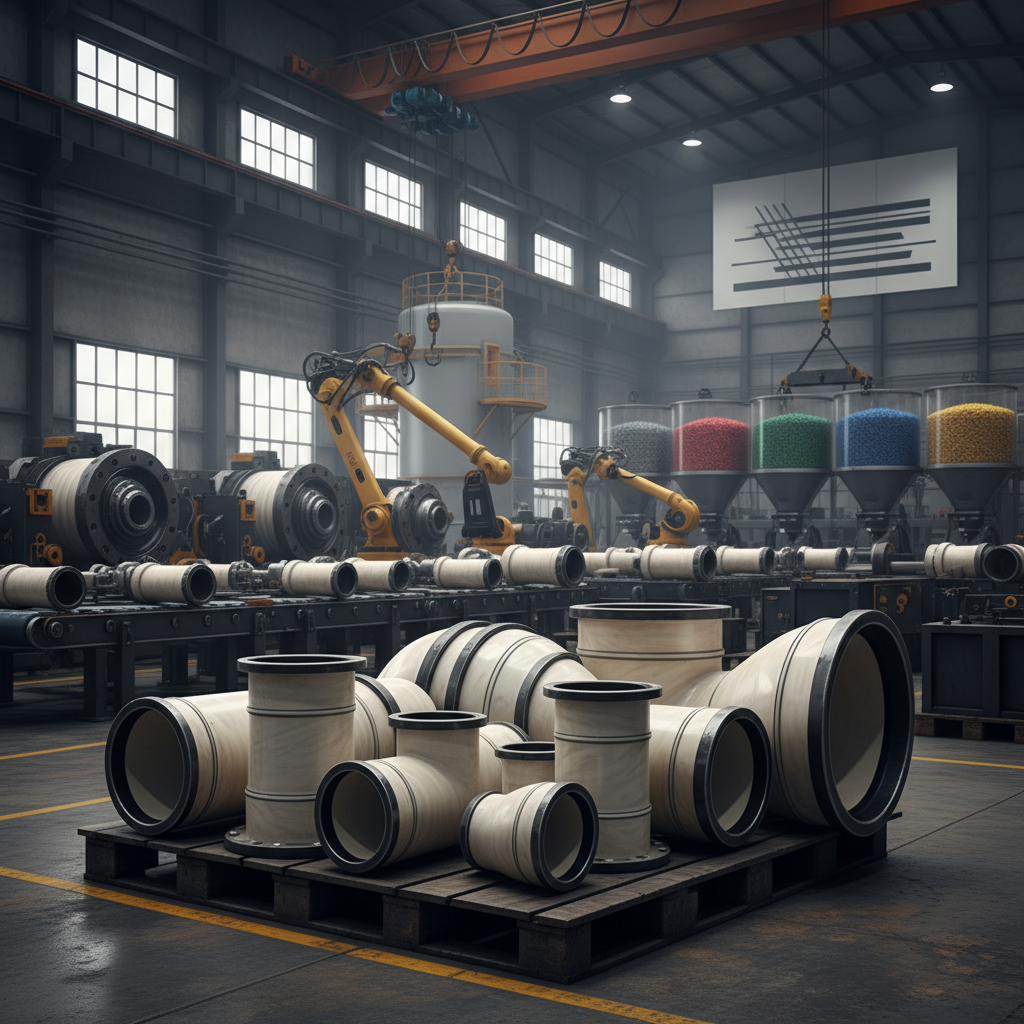
Automation in manufacturing, specifically through advanced filament winding and 3D printing of composite fittings, is allowing for more complex geometries. This means fiberglass pipes and fittings for ship building can be tailored perfectly to the unique contours of a ship's hull, further optimizing space and reducing the number of joints.
Technical Analysis of FRP Piping Implementation Across Vessel Types
| Vessel Category |
Primary Application |
Critical Requirement |
Efficiency Gain |
| Oil Tanker |
Ballast Systems |
High Corrosion Resistance |
9/10 |
| Cruise Ship |
Potable Water/Sewage |
Hygiene & Weight |
8/10 |
| Naval Vessel |
Cooling Systems |
Vibration Dampening |
7/10 |
| Fishing Trawler |
Fish Hold Drainage |
Chemical Resistance |
9/10 |
| Offshore Rig |
Chemical Injection |
Extreme Pressure |
8/10 |
| Cargo Ship |
Bilge Water Systems |
Long-term Durability |
9/10 |
FAQS
The primary advantage is the complete immunity to saltwater corrosion. While steel pipes rust and require frequent painting and replacement, fiberglass composites maintain their integrity without oxidation. Additionally, FRP is significantly lighter, which reduces the vessel's overall weight, improving fuel efficiency and cargo capacity.
Depending on the resin used (such as vinyl ester or epoxy), these systems are designed to last 20 to 50 years. Because they do not suffer from the same degradation mechanisms as metals, their service life often exceeds that of the vessel itself, provided they are installed according to engineering specifications.
Yes. By adjusting the glass fiber orientation and the thickness of the pipe walls, engineers can create fiberglass pipes and fittings for ship building that match or exceed the pressure ratings of steel. They are widely used in high-pressure ballast and cooling systems across the globe.
Actually, it is often simpler. FRP components are lighter and easier to maneuver in tight spaces. While they require specific bonding agents or flange gaskets, the lack of heavy welding equipment reduces installation time and safety risks on the shipyard floor.
Yes, they contribute to environmental goals by reducing fuel consumption through weight reduction. Furthermore, they eliminate the need for toxic anti-corrosive coatings. Many are now being produced with low-VOC resins to meet strict global environmental standards.
Yes, through the use of specialized transition fittings and flanges. This allows ship owners to replace the most corrosion-prone sections of their piping with fiberglass without needing to overhaul the entire system, providing a cost-effective upgrade path.
Conclusion
In summary, fiberglass pipes and fittings for ship building represent a fundamental shift toward a more durable, efficient, and sustainable maritime future. By solving the age-old problem of corrosion and offering a superior strength-to-weight ratio, these composite systems empower shipbuilders to create vessels that are not only cheaper to maintain but safer and more environmentally friendly.
As the industry moves toward smarter, greener shipping, the integration of advanced FRP materials will only accelerate. For ship owners and naval architects looking to optimize their fleets for the next generation of maritime challenges, investing in high-quality composite piping is no longer optional—it is the definitive path to operational excellence. Visit our website: www.jrain-frp.com