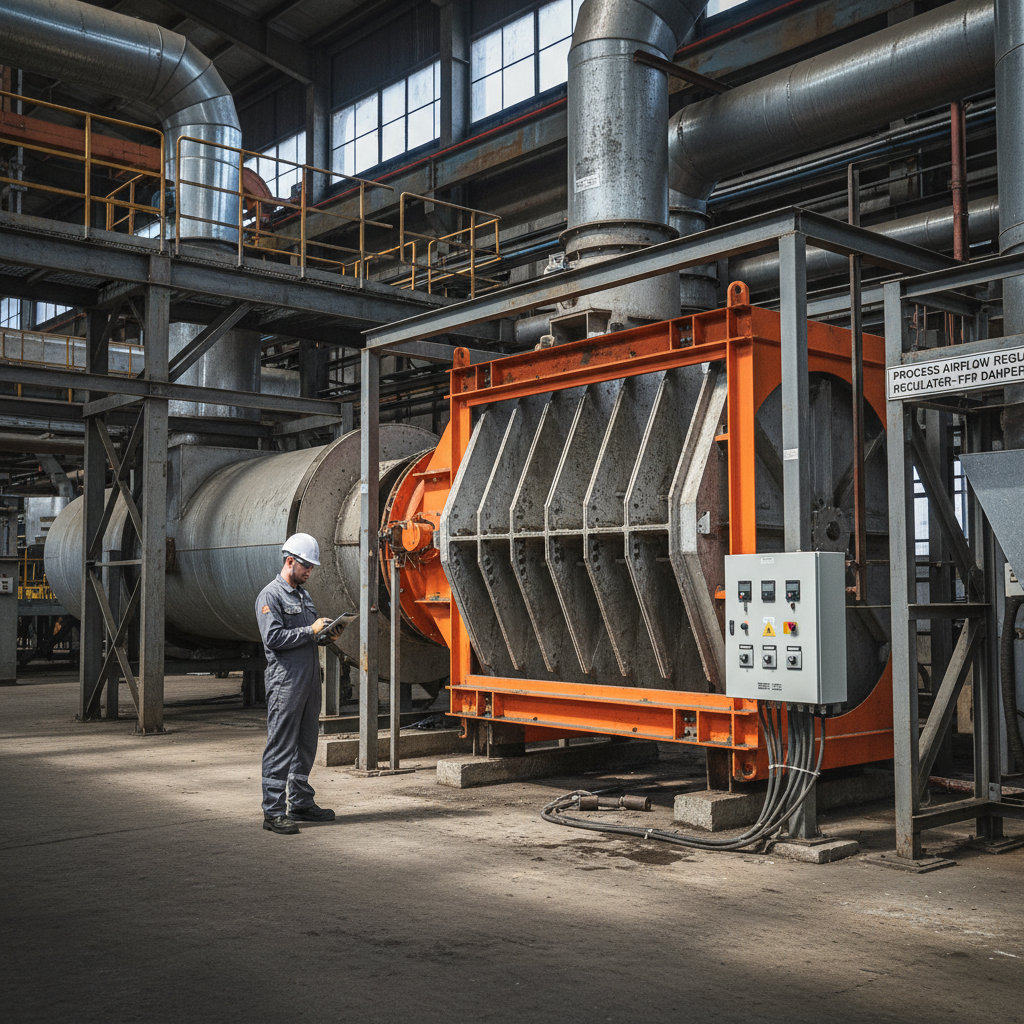
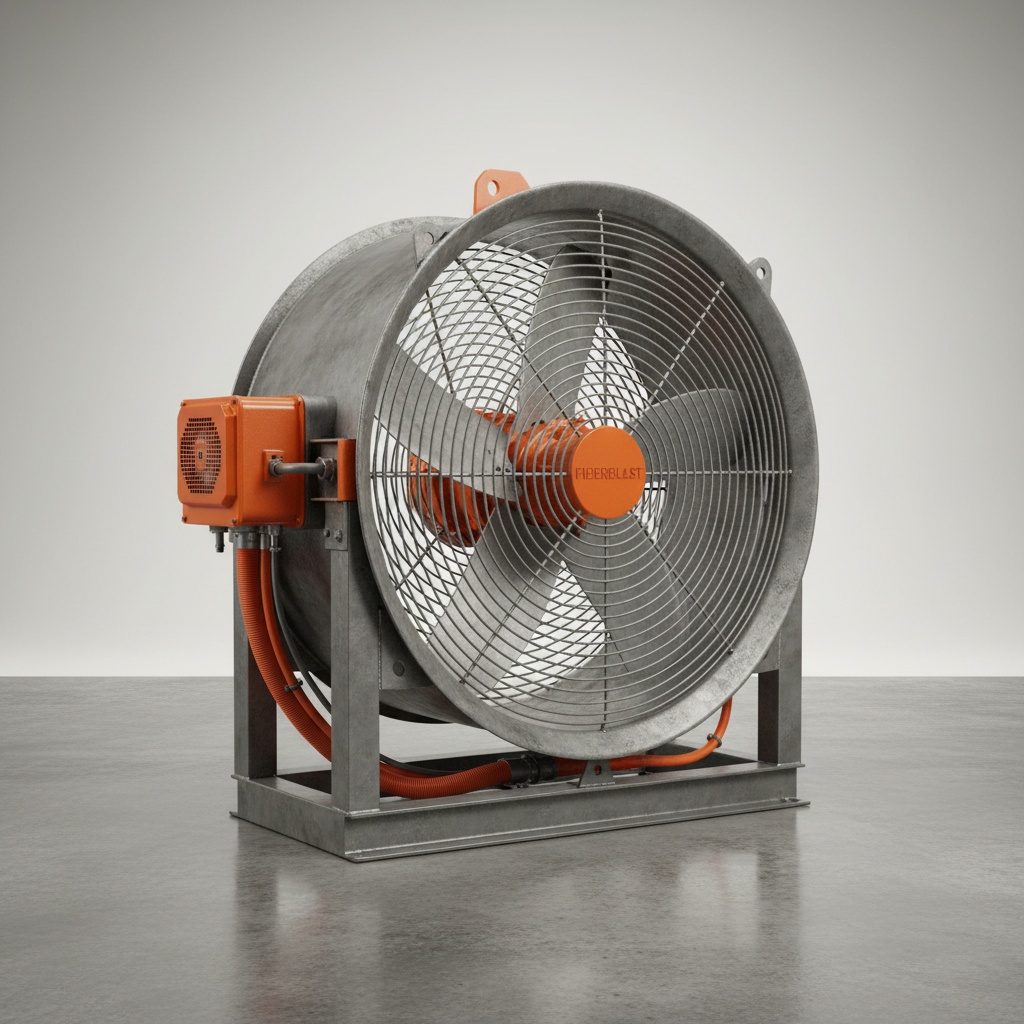
In the demanding world of industrial gas filtration and liquid separation, the efficiency of a fiberglass demister stands as a critical barrier against equipment degradation and environmental contamination. These specialized components are engineered to remove entrained droplets from gas streams, ensuring that downstream processes remain uncontaminated and operational efficiency is maximized across various chemical and manufacturing sectors.
The global transition toward stricter emission standards and the need for high-purity processing have propelled the adoption of fiber-reinforced plastics. By leveraging the inherent corrosion resistance of fiberglass, these demisters provide a robust solution for handling aggressive chemicals that would typically corrode metallic alternatives, thereby reducing maintenance overhead and extending the lifecycle of industrial scrubbers and tanks.
Understanding the technical nuances of a fiberglass demister—from its surface area density to its pressure drop characteristics—allows engineers to optimize the balance between separation efficiency and energy consumption. As industries strive for sustainable growth, the integration of high-performance FRP materials becomes not just a technical choice, but a strategic investment in operational reliability and environmental stewardship.
Global Industrial Relevance of Fiberglass Demisters
Across the globe, the demand for high-performance gas-liquid separation has surged, particularly in regions with heavy chemical processing hubs like East Asia, North America, and Europe. Following ISO quality management standards, the implementation of a fiberglass demister is often mandatory to prevent "carry-over," where liquid droplets are accidentally carried into the atmosphere or subsequent processing stages, leading to potential hazardous leaks or product purity loss.
The challenge is amplified by the corrosive nature of modern industrial effluents. Metal-based separators often fail within months when exposed to acidic vapors, necessitating frequent shutdowns. Fiberglass-reinforced plastic (FRP) has emerged as the gold standard, offering an unparalleled strength-to-weight ratio and chemical inertness that ensures continuous operation even in the most aggressive environments.
Defining the Mechanics of Fiberglass Demisters
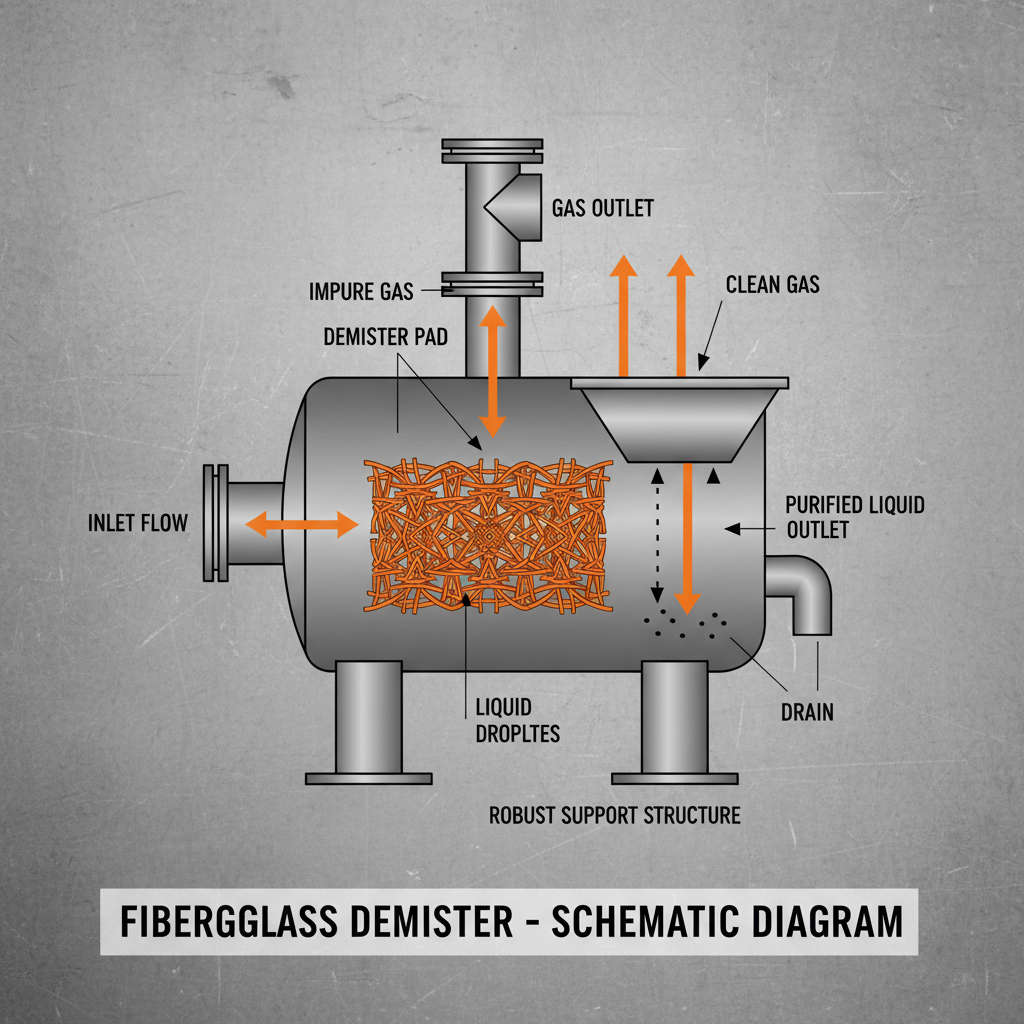
In simple terms, a fiberglass demister is a mesh-like structure composed of interwoven glass fibers designed to intercept liquid droplets from a moving gas stream. As the gas passes through the dense network of fibers, the droplets collide with the surfaces, coalesce into larger drops, and eventually gravitate downward due to their weight, leaving the exiting gas clear and dry.
This process is fundamental to modern industrial hygiene and safety. By effectively scrubbing the gas stream, these units prevent the formation of corrosive condensate in piping systems and protect downstream fans and blowers from liquid impingement, which can cause severe mechanical erosion and premature failure of rotating equipment.
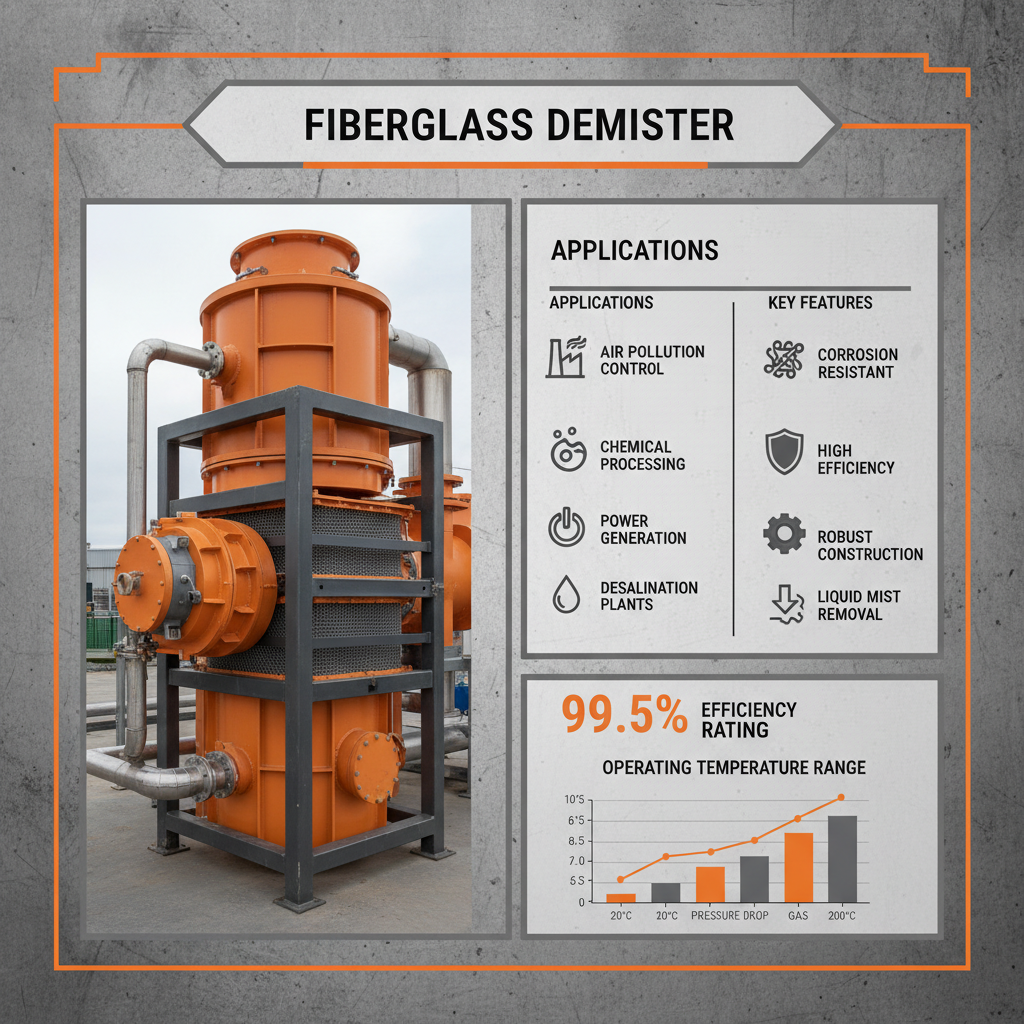
From a humanitarian and environmental perspective, the use of FRP demisters is essential for air pollution control. By ensuring that toxic liquid aerosols are captured before they reach the stack, these components help industries comply with strict environmental regulations, reducing the footprint of chemical plants on surrounding residential communities.
Core Components of High-Efficiency Demisters
The primary factor determining the performance of a fiberglass demister is its fiber density and weave pattern. A tighter weave increases the surface area available for droplet collision, thereby enhancing the separation efficiency, though it must be balanced against the resulting pressure drop to maintain energy efficiency.
Durability is further enhanced by the specific resin matrix used to bind the glass fibers. Whether utilizing vinyl ester or epoxy resins, the chemical compatibility of the binder ensures that the demister does not degrade when exposed to high temperatures or extreme pH levels, maintaining structural integrity over years of service.
Scalability is another core component; these systems are designed to be modular. Whether installed in a small-scale laboratory scrubber or a massive industrial clarifier, the fiberglass demister can be customized in thickness and diameter to match the specific flow rates and vessel geometries of the project.
Strategic Applications Across Global Industries
The application of fiberglass demisters spans a vast array of sectors. In the oil and gas industry, they are pivotal in gas dehydration units and separators, where they prevent liquid hydrocarbon carry-over. In the chemical sector, they are integrated into Fiberglass Scrubbers and Rectangular Tanks to neutralize acidic exhaust gases before they are vented into the atmosphere.
Real-world examples include their use in remote industrial zones in Southeast Asia, where high humidity and salt-laden air make metal components impractical. Similarly, in waste-water treatment plants across Europe, FRP demisters are used in aeration tanks and clarifiers to manage foam and mist, ensuring that the treatment process remains efficient and odor-controlled.
Comparative Performance of Fiberglass Demister Variations
Long-Term Economic and Sustainable Value
The adoption of a fiberglass demister offers significant tangible benefits, most notably the reduction in Total Cost of Ownership (TCO). While the initial investment may be comparable to high-grade alloys, the virtual elimination of corrosion-related replacements means that the lifecycle cost is substantially lower. This reliability translates into fewer unplanned outages and consistent production yields.
Beyond the financial metrics, there is a powerful sustainability angle. By preventing the escape of chemical droplets into the environment, FRP demisters protect local biodiversity and ensure air quality. The use of recyclable thermoset resins in newer generations of these products further aligns industrial operations with "Green Chemistry" goals, fostering trust between corporations and the communities they operate in.
Future Innovations in FRP Separation Technology
The future of fiberglass demister technology is moving toward "smart" filtration. We are seeing the integration of embedded sensors within the FRP matrix that can monitor pressure drop in real-time. This allows for predictive maintenance, where operators are notified exactly when a demister pad requires cleaning or replacement, rather than relying on rigid, often inefficient, time-based schedules.
Material science is also evolving, with the introduction of nano-coatings that can make the fibers hydrophobic or hydrophilic depending on the desired application. These coatings can drastically reduce the risk of "fouling" or clogging in streams with high particulate loads, thereby extending the service interval and reducing the amount of cleaning chemicals required.
Furthermore, the trend toward automation in the manufacturing of these components—using precision 3D winding and automated molding—is ensuring tighter tolerances and more consistent performance. As these technologies mature, the efficiency of gas-liquid separation will continue to rise, enabling industries to operate at higher capacities without increasing their environmental footprint.
Overcoming Common Implementation Challenges
One of the most common challenges in implementing a fiberglass demister is the risk of "flooding," where the liquid accumulation exceeds the drainage capacity of the mesh, causing the liquid to be pushed through the filter. Expert insights suggest that optimizing the gas velocity and installing a proper drainage sump beneath the demister pad can effectively mitigate this risk.
Another limitation is the potential for fouling when dealing with sticky or polymer-rich streams. To overcome this, engineers are increasingly employing a "multi-stage" approach: using a coarse pre-demister to capture larger droplets followed by a high-density fine mesh for final polishing. This hybrid configuration prevents the fine mesh from clogging prematurely.
Lastly, improper installation can lead to "gas bypassing," where the gas finds a path of least resistance around the edges of the demister rather than through it. The solution lies in precision-engineered FRP seals and gaskets that ensure a perfect fit within the vessel, guaranteeing that 100% of the gas stream is processed through the fiber matrix.
Technical Analysis of Fiberglass Demister Performance Factors
|
Material Grade
|
Corrosion Resistance
|
Max Operating Temp
|
Efficiency Score (1-10)
|
| Standard E-Glass/Polyester |
Moderate |
80°C |
6 |
| C-Glass/Vinyl Ester |
High |
120°C |
8 |
| S-Glass/Epoxy Resin |
Extreme |
180°C |
9 |
| High-Density FRP Blend |
High |
110°C |
10 |
| Chemical-Grade E-CR Glass |
Extreme |
150°C |
9 |
| Coated Hybrid Fiber |
High |
130°C |
8 |
FAQS
The primary advantage is chemical resistance. While stainless steel can corrode in the presence of chlorides or strong acids, fiberglass (FRP) is naturally inert to a wide range of aggressive chemicals. Additionally, FRP is significantly lighter, making installation easier in large-scale tanks, and often provides a better cost-to-lifespan ratio in highly corrosive environments.
Maintenance intervals vary based on the "dirtiness" of the gas stream. In clean chemical processes, they can last several years. However, in streams with high particulate loads, quarterly inspections are recommended. Cleaning can often be done via a water-wash system, but if the fibers become chemically degraded or physically crushed, a full replacement is necessary to maintain separation efficiency.
Yes, but it depends on the resin. Standard polyester resins have lower heat thresholds, while specialized epoxy or high-Tg vinyl ester resins can handle temperatures exceeding 150°C. It is crucial to match the resin type to the process temperature to prevent the mesh from softening or losing its structural geometry.
Flooding occurs when the volume of captured liquid exceeds the rate at which it can drain through the mesh, causing liquid to build up and eventually be carried over by the gas. This is prevented by ensuring the gas velocity is within the designed range and by providing an unobstructed, gravity-fed drainage path beneath the demister element.
Absolutely. Demister density is usually specified by the volume of fiber per unit volume of the pad. Higher density improves the capture of smaller droplets (micron-level) but increases the pressure drop. We work with engineers to calculate the optimal density that achieves the required purity without overloading the system's fans or blowers.
Yes, they contribute significantly to environmental protection by preventing the release of hazardous aerosols into the atmosphere. Furthermore, the longevity of FRP materials reduces the frequency of waste generation compared to metal components that rust quickly. Many modern manufacturers are also incorporating sustainable resins to further reduce the ecological footprint.
Conclusion
The integration of a fiberglass demister is a cornerstone of efficient, safe, and sustainable industrial gas management. By combining the inherent chemical resilience of fiber-reinforced plastics with precision-engineered mesh geometries, these components effectively eliminate liquid carry-over, protect downstream equipment, and ensure strict adherence to environmental emission standards. From reducing maintenance costs to enhancing process purity, the value proposition of FRP demisters is evident across the chemical, energy, and waste-treatment sectors.
As we look toward the future, the evolution of "smart" materials and automated manufacturing will only further refine the capabilities of gas-liquid separation. For industries seeking to optimize their operational uptime and reduce their environmental impact, investing in high-quality, customized FRP separation solutions is no longer optional—it is a necessity for remaining competitive in a green economy. To explore the best separation solutions for your facility, visit our website: www.jrain-frp.com