



Innovative Solutions in Molded Fiberglass Manufacturing and Design Techniques
The Rise of Molded Fiberglass Versatility and Innovation in Modern Manufacturing
Molded fiberglass, a composite material consisting of glass fibers and a resin matrix, has become an essential component in various industries due to its impressive strength-to-weight ratio, durability, and flexibility in design. As industries increasingly focus on efficiency and sustainability, molded fiberglass has emerged as a favored choice, paving the way for innovative applications across multiple sectors.
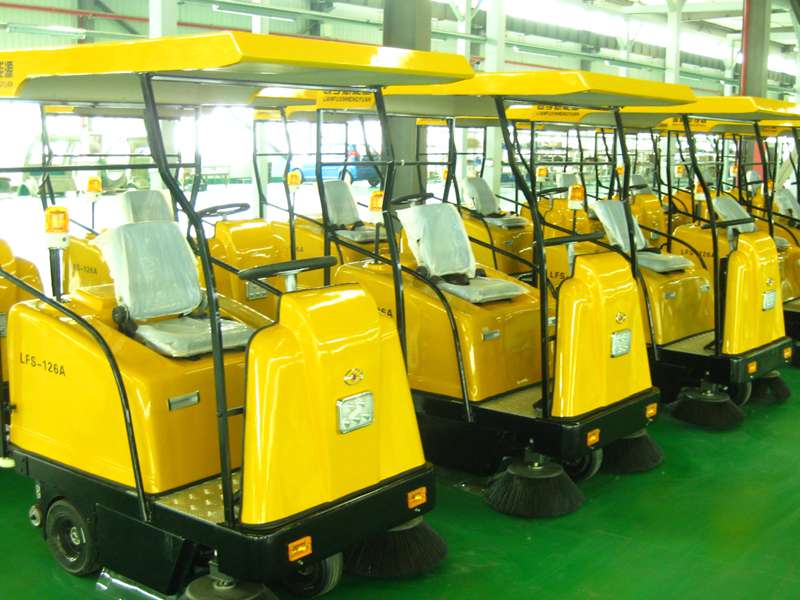
One of the most prominent features of molded fiberglass is its lightweight characteristic, which is particularly advantageous in the automotive and aerospace industries. Vehicles constructed with molded fiberglass components can exhibit significant fuel efficiency due to the reduction in overall weight. In the aerospace sector, where every ounce counts, the adoption of molded fiberglass results in reduced operational costs and improved performance. Aircraft manufacturers are increasingly turning to this material for its ability to withstand extreme conditions while maintaining structural integrity.
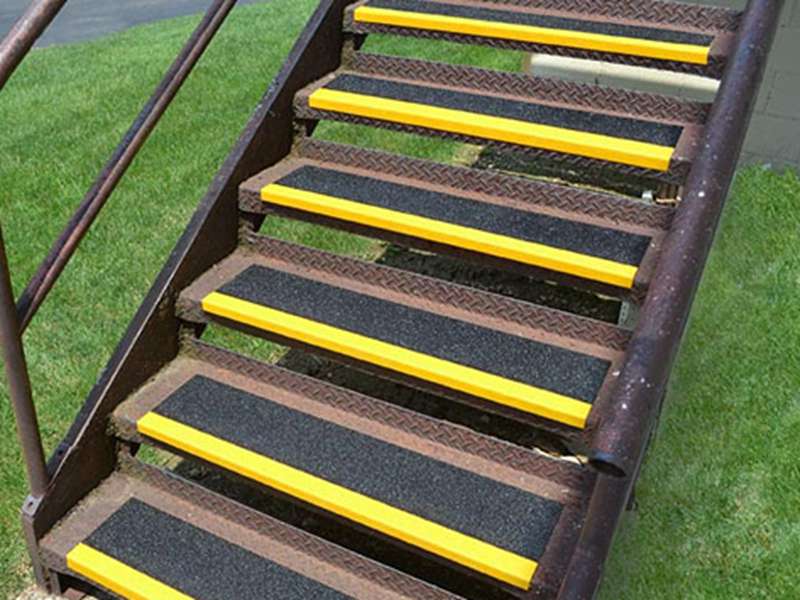
In addition to its lightweight properties, molded fiberglass is renowned for its corrosion resistance. Unlike traditional materials such as metal, which may suffer from rust and degradation when exposed to harsh environments, fiberglass maintains its durability over time. This feature makes it an ideal choice for marine applications, where exposure to saltwater can be detrimental to many other materials. From boat hulls to sun decks, molded fiberglass is used extensively in the construction of marine vessels and related structures, ensuring longevity and reduced maintenance costs.
The design versatility of molded fiberglass also stands out as a significant advantage. Manufacturing processes, such as hand lay-up, spray-up, and compression molding, allow for intricate shapes and complex designs that would be challenging to achieve with conventional materials. This flexibility makes molded fiberglass a popular choice for custom applications, ranging from architectural elements to consumer products. Designers and engineers appreciate the freedom it offers in creating innovative and aesthetic solutions tailored to specific needs.
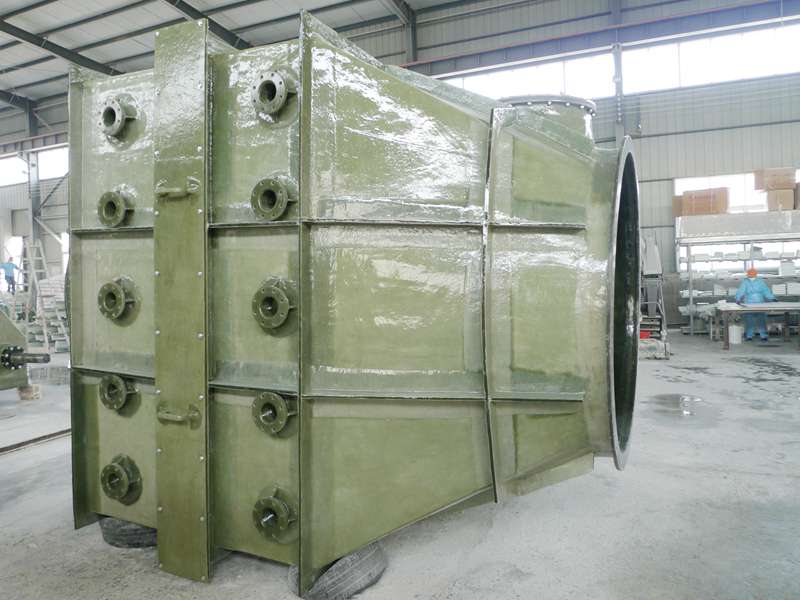
molded fiberglass
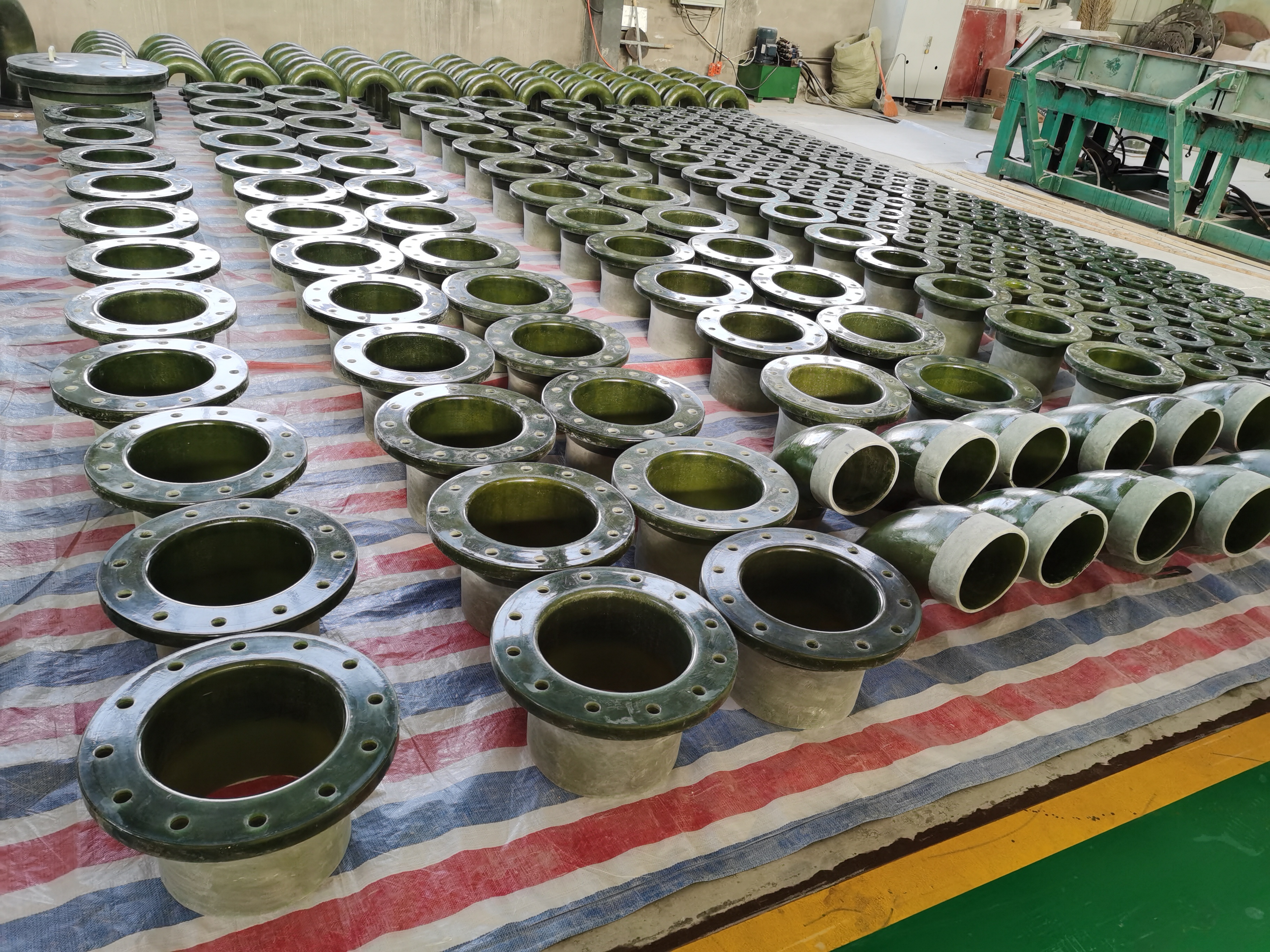
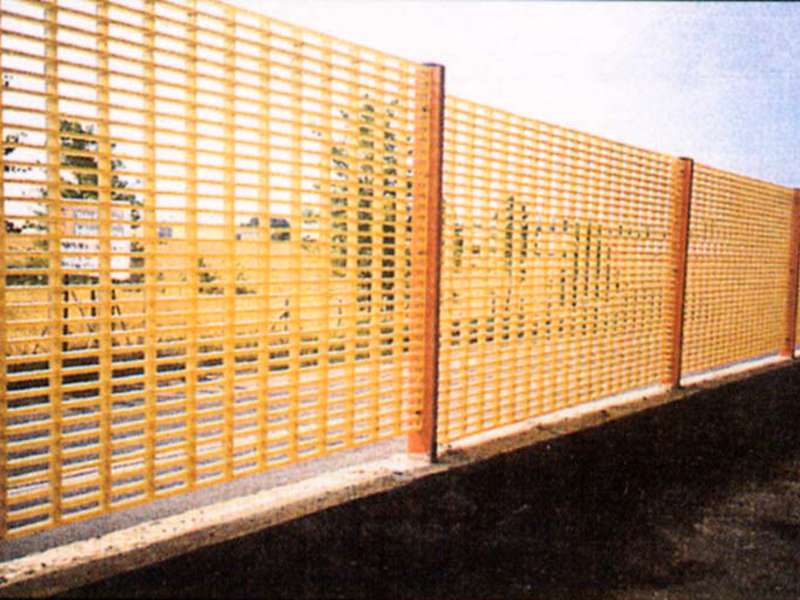
The construction industry has also seen a marked increase in the use of molded fiberglass, particularly in the form of fiberglass-reinforced polymer (FRP) composites. These materials are employed in building facades, bridges, and even structural components due to their exceptional strength and resistance to environmental influences, such as UV rays and chemicals. As urban centers continue to grow, the demand for durable, lightweight construction materials is likely to soar, positioning molded fiberglass as a frontrunner in sustainable building practices.
Sustainability is a crucial consideration for modern manufacturing, and molded fiberglass fits this criterion well. The durability and longevity of fiberglass products reduce the need for frequent replacements, leading to lower lifecycle emissions. Additionally, advancements in recycling technologies are seeing fiberglass composites being reclaimed and reused, further minimizing environmental impact. As a result, manufacturers who prioritize eco-friendly practices are increasingly incorporating molded fiberglass into their production lines.
Despite its many advantages, molded fiberglass is not without challenges. The initial cost of production can be higher compared to traditional materials, which may deter some manufacturers in price-sensitive markets. However, the long-term benefits—such as reduced maintenance costs and improved performance—often outweigh these initial investments. Furthermore, as technology progresses and methods become more efficient, we can anticipate decreases in production costs, making molded fiberglass an even more attractive option for various industries.
In conclusion, molded fiberglass stands out as a multifaceted material that is transforming modern manufacturing across several sectors. Its lightweight, corrosion-resistant properties, coupled with design versatility and sustainability, position it as a key player in the future of industries ranging from automotive to construction. As innovation continues to drive advancements in fiberglass technology, we expect to see even broader applications, further solidifying its role as a foundational material in the era of modern manufacturing. The ongoing research and development in this field will likely enhance its properties and applications, inviting new possibilities that meet the evolving demands of society.
Latest news
-
Oblate Tanks: Space-Saving, Durable Liquid Storage SolutionsNewsAug.27,2025
-
High-Performance Piping System Solutions for Industry & Commercial UseNewsAug.26,2025
-
Precision Fittings: Durable & Reliable Industrial & Plumbing SolutionsNewsAug.25,2025
-
Practical Steps: Unlock Success with Our Proven GuidesNewsAug.24,2025
-
Transport Tanks: Safe, Durable & Efficient Liquid HaulingNewsAug.23,2025
-
High-Quality Piping Systems for Efficient Flow & DurabilityNewsAug.22,2025