

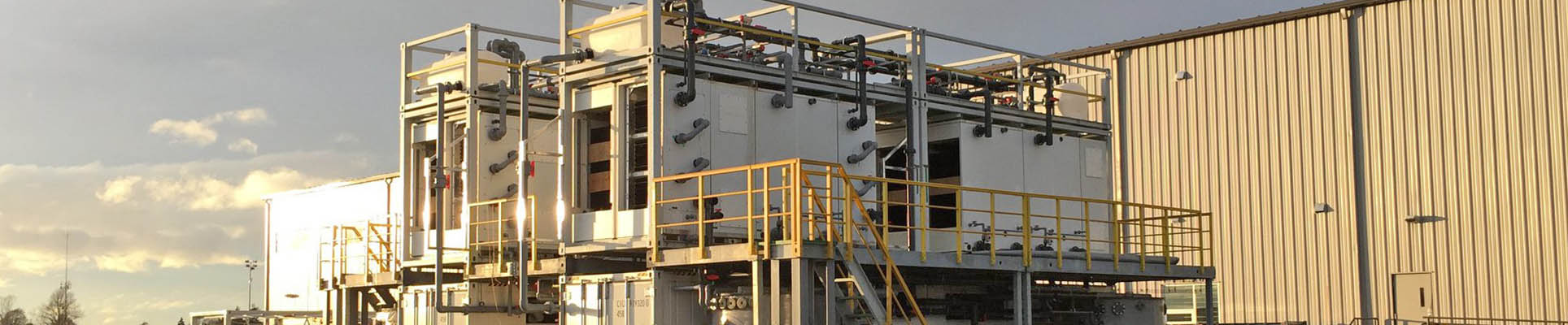

Understanding GRP Dual Lamination Products for Enhanced Durability and Protection
Why GRP Dual Lamination Products Are Changing the Durability Game
If you’ve ever wondered how industries manage to build structures that stand the test of time—and weather—you’re not alone. The term grp dual lamination products for enhanced durability and protection has been popping up increasingly, especially in industrial and environmental sectors worldwide. But what exactly are these products? And why do they matter? At heart, these solutions blend innovation with resilience, creating materials that not only endure harsh conditions but do so while economizing on maintenance efforts and costs. Given today’s climate challenges and the demand for sustainable infrastructure, understanding these products matters more than ever.
Mini takeaway: GRP dual lamination offers a smart path to long-lasting, cost-effective materials essential for modern industries facing tough environments.
The Global Context: Why Durability Is a Worldwide Concern
The world is moving faster, industrializing rapidly, and, frankly, facing some wild climate swings that can wreck otherwise sturdy materials. According to the International Organization for Standardization (ISO), ensuring durability and protection in industrial materials directly impacts infrastructure lifespan and operational safety. Meanwhile, UN environmental reports highlight that climate-induced corrosion and material degradation cost industries billions in repairs annually.
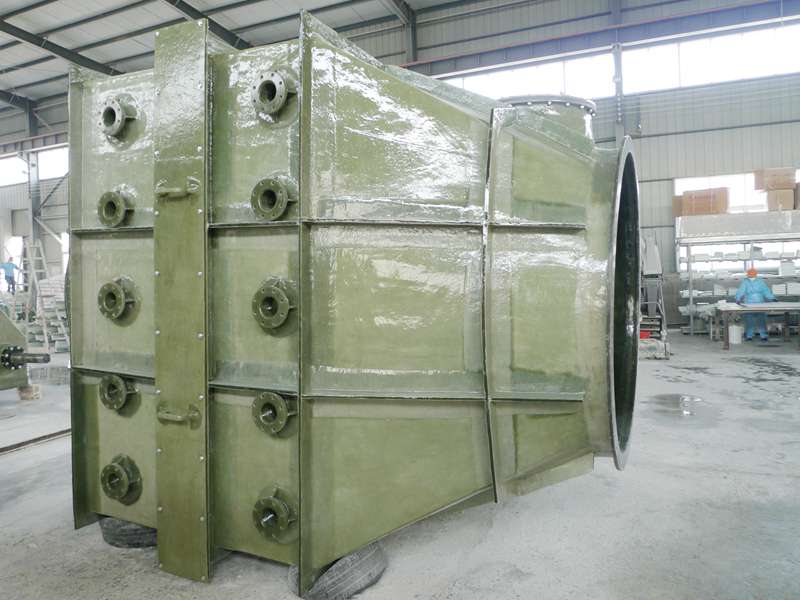
GRP dual lamination products help address these challenges by reinforcing composite materials with an extra bonded layer that enhances water, chemical, and weather resistance. This technology is used globally, from wastewater treatment plants in Asia to chemical factories in Europe and off-shore platforms in the Americas.
Mini takeaway: As industries worldwide grapple with material degradation, GRP dual lamination emerges as a critical solution for durability and environmental protection.
What Are GRP Dual Lamination Products? Breaking It Down Simply
At its core, GRP (Glass Reinforced Plastic) dual lamination means applying two distinct layers—or laminates—of resin and reinforcing fibers on a product’s surface. One layer generally ensures mechanical strength, and the other provides a protective barrier against harsh agents like UV radiation, chemicals, or moisture. Think of it as a fortified sandwich wall that keeps the fragile core safe.
This combination allows product designers and engineers to tailor the outer surface for specific challenges without compromising the base material’s flexibility or strength. Industries that rely heavily on corrosion-resistant pipes, tanks, and ducts have found these products an indispensable part of their toolkit for decades.
Mini takeaway: Dual lamination means a double layer of protection, designed to keep GRP products tough and lasting even in punishing environments.
Core Components of GRP Dual Lamination for Practical Use
1. Durability
The dual laminate creates a tough chemical and abrasion-resistant barrier, increasing product life by 30-50% compared to single-layer GRP. Simply put, durability here isn’t just a buzzword—it translates to less frequent replacements and reduced downtime for operations.
2. Enhanced Corrosion Resistance
Industries like oil & gas or wastewater treatment handle corrosive fluids daily. The outer laminate uses resins targeted to neutralize or resist these attacks, which keeps inner reinforcements intact and functional.
3. Customization Flexibility
Depending on the environment, manufacturers can play with resin types, fiber orientations, and curing methods in each laminate layer. This adaptability lets engineers design parts specifically suited for local needs—be it extreme cold, salt spray, or UV exposure.
4. Cost Efficiency
While initial costs may seem higher than single-layer products, experts note that lifetime value is markedly better because maintenance and replacement cycles are extended.
5. Lightweight & Easy Handling
Even with dual lamination, these products stay far lighter than metals with equivalent strength, which lowers transport and installation costs—an often overlooked but huge advantage.
Mini takeaway: Each core component addresses a real-world pain point, from corrosion to cost, ultimately making these products a smart investment.
Real-World Applications: Where Does GRP Dual Lamination Really Shine?
- Water and Wastewater Treatment Plants: Pipes and tanks exposed to chemicals and varying pH use dual-laminated GRP to avoid corrosion-related failures.
- Chemical Processing Industry: Storage vessels require materials resistant to aggressive solvents and acids, for which dual lamination is ideal.
- Marine and Offshore Installations: Saltwater is unforgiving; these products help protect underwater structures and reduce repair frequency.
- Infrastructure and Construction: In places with heavy pollution or extreme climates, dual-laminated interfaces provide longevity for bridges, tunnels, and cladding.
- Disaster Relief and Remote Field Operations: Lightweight and robust GRP units can be deployed quickly for temporary storage or pipelines in tough terrains.
Mini takeaway: The versatility and reliability of these products make them indispensable from bustling urban centers to the most remote industrial zones.
Advantages & Long-Term Value: Beyond the Material
Adopting grp dual lamination products for enhanced durability and performance means more than just ticking technical boxes. It means:
- Reduction in environmental impact: Longer lifespans reduce waste and the need for replacement manufacturing.
- Safety and Trust: Failure rates drop, reducing hazardous leaks or breakdowns.
- Economic Savings: Less downtime and maintenance save operational budgets. Many facility managers say it’s worth every cent upfront.
- Innovation Edge: Dual lamination allows for smart material combinations, opening doors to future customizations like sensor integration.
- Dignity and Reliability: Particularly in humanitarian contexts, durable water or chemical containment means providing reliable resources and safer environments.
Mini takeaway: The payoff isn’t just technical; it’s also social, environmental, and economic—forming a comprehensive value proposition.
Emerging Trends & Innovations in GRP Dual Lamination
Moving forward, a few trends are stirring the pot:
- Eco-friendly Resins: Biobased and recyclable resin formulations aim to reduce the carbon footprint of composite products.
- Digital Manufacturing: Automation and 3D printing methods are improving precision in layering, reducing defects and waste.
- Smart Composites: Embedding sensors in laminated layers for real-time condition monitoring is becoming viable.
- Green Energy Applications: Wind turbine blade coatings and solar farm components increasingly rely on dual lamination for enhanced weatherability.
Mini takeaway: Technological advances will only expand the benefits and possibilities of dual lamination — so staying current is critical.
Challenges & How Experts Are Overcoming Them
It’s not all smooth sailing. Common hurdles include:
- Higher Initial Cost: Though long-term savings offset this, upfront budgets can be tricky for smaller operations.
- Complex Manufacturing: Requires specialized equipment and expertise, limiting production to fewer factories worldwide.
- Repair Complexity: Fixing multi-layer composites demands training and specific materials.
Solutions? Some companies are developing modular production setups to cut initial investments or offering training programs for maintenance crews. Also, newer resin systems allow simpler repair techniques without compromising strength.
Mini takeaway: While challenges exist, innovation and knowledge-sharing are steadily lowering these barriers.
GRP Dual Lamination Product Specification Overview
| Specification | Typical Value / Range | Notes |
|---|---|---|
| Outer Laminate Thickness | 0.4 – 0.8 mm | Depending on chemical resistance needed |
| Mechanical Laminate Thickness | 1.5 – 3.0 mm | Provides structural strength |
| Resin Type | Vinyl ester / Polyester / Epoxy | Selected per application |
| Glass Fiber Type | E-glass / C-glass | E-glass is most common |
| Operating Temperature Range | -40 to 120°C | Varies with resin |
| Typical Weight | 1.6 – 2.0 g/cm³ | Depends on layering |
Vendor Comparison for GRP Dual Lamination Solutions
| Vendor | Specialization | Lead Time | Customization Options | Geographic Reach |
|---|---|---|---|---|
| Jrain FRP | Industrial dual laminated pipes & tanks | 4-6 weeks | Wide (resins, sizes, fiber types) | Asia, Middle East, Europe |
| Duraflex Composites | Chemical resistant laminates, custom designs | 6-8 weeks | Moderate | North America, Europe |
| Resinox Global | Lightweight structural solutions | 3-5 weeks | Limited | Europe, Middle East |
Frequently Asked Questions About GRP Dual Lamination Products
1. How does dual lamination improve durability compared to single-layer GRP?
Dual lamination adds a second layer focused on protection, typically chemically resistant, over the mechanical layer. This multi-layer approach helps the product resist corrosion, abrasion, and environmental stresses much better, effectively doubling the lifespan in many cases.
2. Are these GRP dual lamination products cost-effective in the long run?
Yes. While the upfront costs can be higher, the reduced maintenance, fewer replacements, and less downtime often lead to overall savings. Many facility managers find this to be a smart investment.
3. Can these dual laminated solutions be customized for specific industries?
Absolutely. Manufacturers adjust resin systems, fiber reinforcements, and laminate thicknesses to suit chemical exposures, temperature ranges, and mechanical loads in various sectors like marine, chemical processing, or water treatment.
4. How do I source GRP dual lamination products internationally?
Leading manufacturers such as Jrain FRP offer global shipping and customization services. Working with vetted suppliers who understand international regulations helps facilitate smooth import and deployment.
5. What environmental benefits do these products provide?
The longevity and durability lead to less frequent manufacturing and disposal, reducing environmental footprint. Some vendors are also pioneering eco-friendly resin systems to enhance sustainability further.
Conclusion: Durable Solutions for a Demanding World
GRP dual lamination products for enhanced durability and resilience are more than just technical marvels—they are solutions tailored for a rapidly evolving world that demands longevity, safety, and cost efficiency. Whether it’s protecting infrastructure from harsh chemicals, enabling reliable water management, or driving innovations in green energy, these materials are integral players.
For those looking to invest in proven, customizable, and globally recognized solutions, I highly recommend exploring grp dual lamination products for enhanced durability and from trusted suppliers like Jrain FRP. Their expertise in blending innovation with practical needs is a strong foundation for sustainable industrial growth.
Now, if only everything in life came with such a clear, layered protection ready to last decades…
References
Latest news
-
Industrial High Pressure Fiberglass Pipe Guide and Technical SpecsNewsApr.16,2026
-
Industrial Storage Guide for Fiberglass Chemical TanksNewsApr.09,2026
-
Explore Durable and Customizable Custom Fiberglass Tanks for Your IndustryNewsApr.07,2026
-
Comprehensive Guide to Fiberglass Roof Tanks for Liquid Storage SolutionsNewsApr.04,2026
-
Comprehensive Guide to Durable and Corrosion Resistant Glass Fiber TanksNewsMar.31,2026
-
Comprehensive Guide to Tank Fiberglass Solutions and Their Diverse ApplicationsNewsMar.28,2026