


Exploring the Advantages of FRP Pipeline Systems for Modern Industries
Understanding FRP Pipeline Systems: A Comprehensive Guide
Fiber Reinforced Polymer (FRP) pipelines are revolutionizing industries ranging from oil and gas to water management. They offer a compelling alternative to traditional materials like steel, thanks to their superior corrosion resistance, lightweight nature, and long service life. This article delves into the world of FRP pipelines, exploring their benefits, applications, construction, and future trends. Choosing the right pipeline material is a critical decision impacting long-term costs and operational efficiency. JRAIN-FRP provides high quality FRP pipeline solutions for all your needs.
What is an FRP Pipeline?
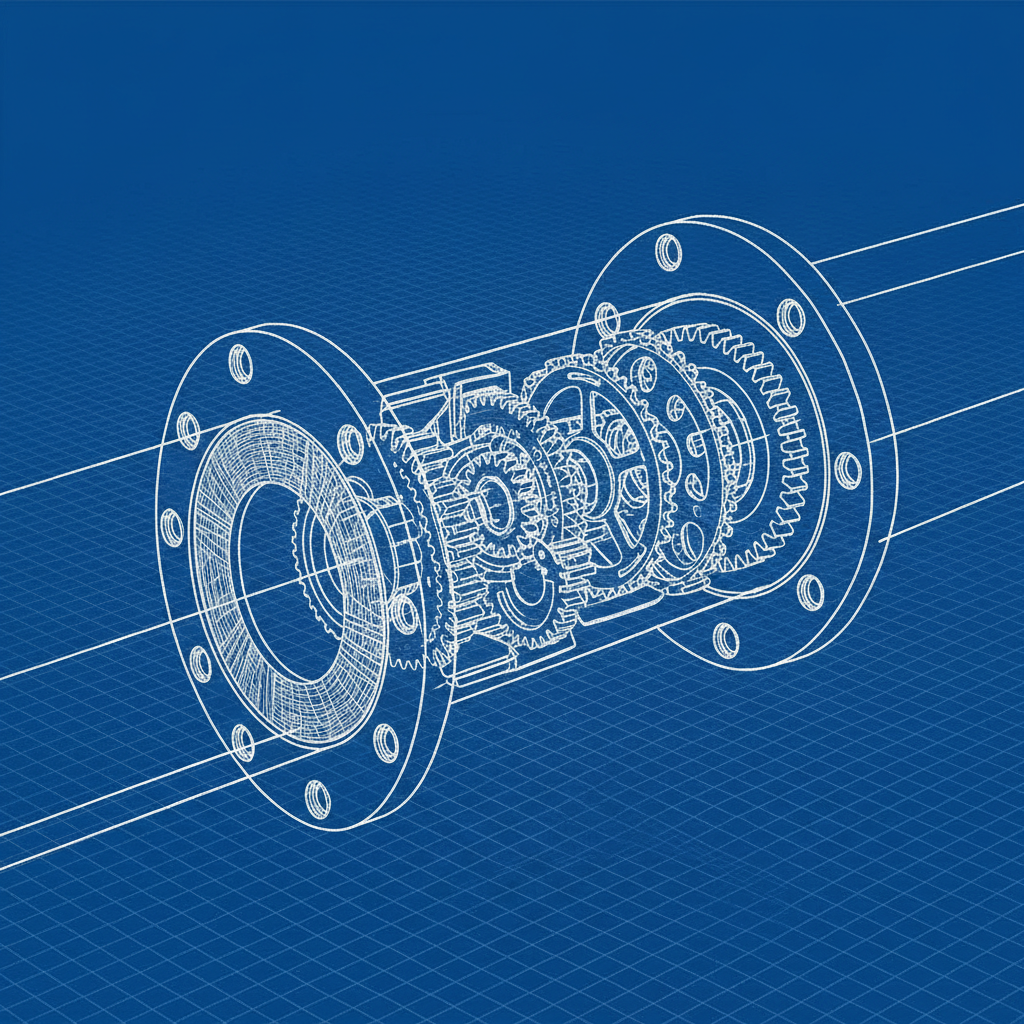
An FRP pipeline is constructed using a combination of reinforcing fibers (like glass, carbon, or aramid) embedded in a resin matrix (typically epoxy, vinyl ester, or polyester). This composite material delivers exceptional strength-to-weight ratios and resists corrosion effectively. The specific composition of the FRP—the type of fiber, resin, and manufacturing process—determines its performance characteristics. These pipelines are designed for a wide range of applications where durability and reliability are paramount. JRAIN-FRP's pipelines are engineered for long-term performance and are customisable.
Key Highlights: FRP pipelines offer superior corrosion resistance, a lightweight design, and extended service life compared to traditional materials.
Benefits of Using FRP Pipelines
The advantages of FRP pipelines are numerous. Firstly, they exhibit exceptional resistance to corrosion, significantly reducing maintenance costs and extending operational lifespan, particularly in harsh environments. Secondly, their lightweight nature simplifies installation, reducing labor and equipment requirements. Thirdly, FRP pipelines offer excellent hydraulic properties, minimizing friction loss and maximizing flow rates. Finally, they require minimal or no external cathodic protection, further reducing long-term expenses. Compared to steel pipelines, FRP solutions provide a substantial return on investment.
Key Benefits:
• Superior Corrosion Resistance
• Lightweight for Easier Installation
• Excellent Hydraulic Properties
• Reduced Maintenance Costs
FRP Pipeline Applications: A Diverse Range
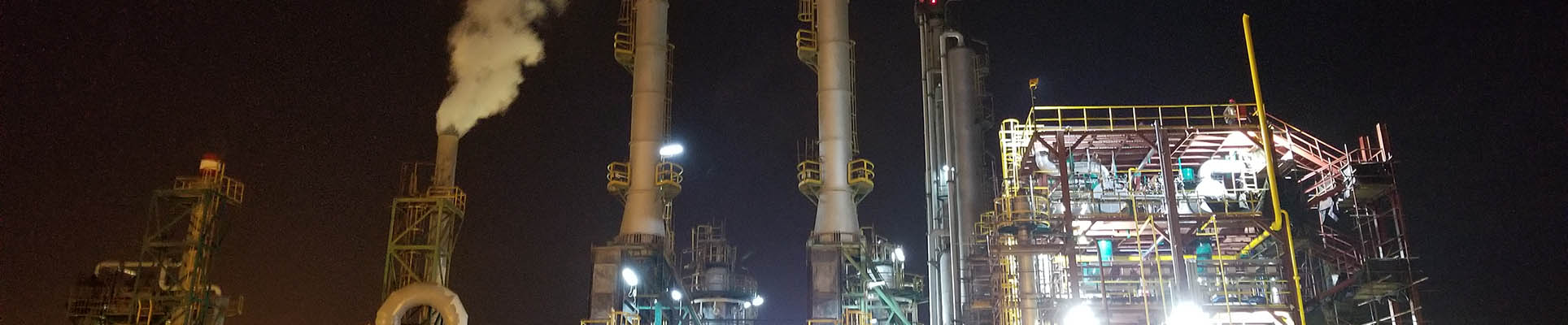
FRP pipelines are utilized across a broad spectrum of industries and applications. They are widely adopted in the oil and gas sector for transporting crude oil, natural gas, and produced water. In the water and wastewater treatment industry, they provide reliable solutions for potable water distribution, sewage conveyance, and industrial effluent management. Furthermore, FRP pipelines are finding increasing use in chemical processing, power generation, and mining operations. Their ability to handle aggressive chemicals and high pressures makes them ideal for demanding environments. JRAIN-FRP is specializing in customization for these applications.
FRP vs. Traditional Pipeline Materials: A Comparative Analysis
Comparing FRP to traditional materials like steel, ductile iron, and concrete reveals significant advantages. Steel, while strong, is susceptible to corrosion, requiring expensive coatings and cathodic protection. Ductile iron can also corrode and is heavier than FRP. Concrete pipelines are prone to cracking and can leach chemicals into the transported fluid. FRP, on the other hand, avoids these drawbacks, offering a long-lasting, lightweight, and corrosion-resistant solution. The initial cost of FRP may be higher, but the reduced lifecycle costs often make it the more economical choice.
Manufacturing Processes for FRP Pipelines
Several manufacturing methods are employed to create FRP pipelines, each with its own advantages. Filament winding is a common technique, where continuous fibers are wrapped around a mandrel in a precise pattern. Pulltrusion involves pulling fibers and resin through a heated die to create constant-profile pipes. Spray-up lamination applies resin and chopped fibers directly onto a mold. The choice of manufacturing process depends on the pipe diameter, wall thickness, and application requirements. JRAIN-FRP utilizes advanced manufacturing techniques to ensure consistent quality and performance.
Conclusion: The Future of Pipeline Technology
FRP pipelines represent a significant advancement in pipeline technology, offering a sustainable, cost-effective, and reliable solution for a wide range of applications. Their superior performance characteristics and long-term benefits make them an increasingly attractive alternative to traditional materials. As technology continues to evolve, we can expect to see even more innovative applications of FRP in the pipeline industry. Invest in the future with JRAIN-FRP.
Frequently Asked Questions (FAQs)
What is the typical lifespan of an FRP pipeline?
FRP pipelines typically have a lifespan of 50-100 years, significantly longer than traditional materials. This longevity is due to their inherent corrosion resistance and durable construction. However, the exact lifespan depends on factors such as operating pressure, temperature, and the specific chemicals being transported. Regular inspections and maintenance are recommended to ensure optimal performance and extend the pipeline's service life. JRAIN-FRP provides comprehensive support for pipeline longevity.
Are FRP pipelines suitable for high-pressure applications?
Yes, FRP pipelines can be engineered to withstand high pressures. The design parameters, including wall thickness, fiber orientation, and resin type, are carefully calculated to meet specific pressure requirements. FRP offers a higher strength-to-weight ratio than many traditional materials, allowing for lighter-weight pipelines that can handle substantial pressures safely and reliably. JRAIN-FRP specializes in high pressure applications.
What types of resins are commonly used in FRP pipeline construction?
Commonly used resins include epoxy, vinyl ester, and polyester. Epoxy resins offer excellent mechanical properties and chemical resistance, making them suitable for demanding applications. Vinyl ester resins provide a good balance of corrosion resistance and cost-effectiveness. Polyester resins are more economical but may have lower chemical resistance. The selection of resin depends on the specific application and the fluids being transported. JRAIN-FRP can help select the best resins based on your needs.
How does temperature affect the performance of FRP pipelines?
Temperature can affect the mechanical properties of both the resin and the fibers in an FRP pipeline. Elevated temperatures can reduce the strength and stiffness of the resin, while extreme cold can make the material more brittle. FRP pipelines are designed to operate within specific temperature ranges, and exceeding these limits can compromise their performance. Proper material selection and design considerations are crucial for ensuring long-term reliability in varying temperature conditions.
Latest news
-
Industrial High Pressure Fiberglass Pipe Guide and Technical SpecsNewsApr.16,2026
-
Industrial Storage Guide for Fiberglass Chemical TanksNewsApr.09,2026
-
Explore Durable and Customizable Custom Fiberglass Tanks for Your IndustryNewsApr.07,2026
-
Comprehensive Guide to Fiberglass Roof Tanks for Liquid Storage SolutionsNewsApr.04,2026
-
Comprehensive Guide to Durable and Corrosion Resistant Glass Fiber TanksNewsMar.31,2026
-
Comprehensive Guide to Tank Fiberglass Solutions and Their Diverse ApplicationsNewsMar.28,2026