



Understanding Fiberglass Dual Lamination for High Performance Composite Structures
Understanding Fiberglass Dual Lamination for Superior Composite Structures
Fiberglass dual lamination is a crucial process in creating high-performance composite materials, widely used across industries like marine, automotive, aerospace, and construction. This technique enhances the strength, durability, and overall quality of fiberglass structures. At Jrain FRP, we specialize in advanced fiberglass solutions, and understanding the nuances of dual lamination is key to delivering exceptional products. This article delves into the process, benefits, applications, and considerations for fiberglass dual lamination, offering a comprehensive guide for engineers, designers, and anyone involved in composite manufacturing.
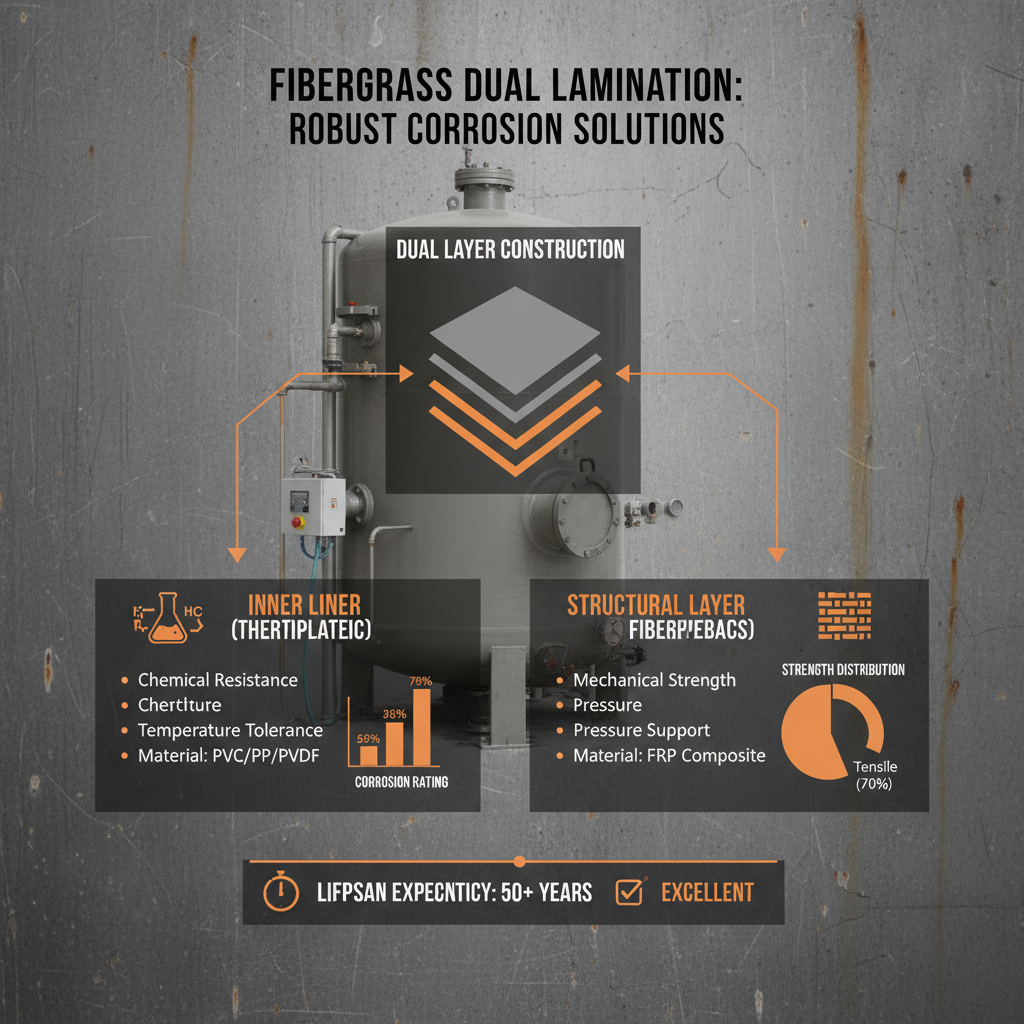
What is Fiberglass Dual Lamination?
Fiberglass dual lamination involves applying two separate layers of fiberglass reinforcement to a mold, typically over a core material. Unlike single-layer lamination, this process allows for optimized fiber orientation in each layer, maximizing strength in multiple directions. The first layer, often referred to as the ‘structural layer’, focuses on providing the primary load-bearing capacity. The second layer, the ‘surface layer’, is designed for improved cosmetic finish, UV resistance, and protection against environmental factors. This combination results in a composite that’s stronger, more durable, and more aesthetically pleasing. The choice of resin systems, fiberglass type, and lamination sequence are critical for achieving desired properties. You can explore our range of fiberglass products for various applications.
Key Highlights: Dual lamination optimizes fiber orientation for superior strength in multiple directions, providing a robust and reliable composite structure.
Benefits of Utilizing Fiberglass Dual Lamination
The benefits of fiberglass dual lamination are numerous. Firstly, it significantly increases the strength-to-weight ratio, making it ideal for applications where weight reduction is critical. Secondly, it offers enhanced impact resistance and fatigue life, leading to more durable products. Thirdly, the independent control of each layer allows for tailored properties – for instance, a UV-resistant outer layer for outdoor use. Furthermore, dual lamination can reduce the risk of delamination, a common failure mode in composite structures. This results in a longer lifespan and reduced maintenance costs. Jrain FRP’s expertise ensures optimal benefits are realized through careful material selection and process control.
Key Advantages:
• Increased strength-to-weight ratio
• Enhanced impact resistance and fatigue life
• Tailored material properties
• Reduced risk of delamination
Fiberglass Dual Lamination vs. Single-Layer Lamination: A Detailed Comparison
While single-layer lamination is simpler and more cost-effective for basic applications, fiberglass dual lamination offers significant advantages for demanding scenarios. The key difference lies in the ability to optimize fiber orientation and material properties within each layer. This provides greater control over the final product's performance characteristics. Single-layer lamination may be sufficient for purely aesthetic applications, but for structural components requiring high strength, impact resistance, and durability, dual lamination is the preferred choice.
Applications of Fiberglass Dual Lamination
Fiberglass dual lamination finds diverse applications where high performance is paramount. These include boat hulls and decks, automotive body panels, aircraft components, wind turbine blades, and high-pressure tanks. In the marine industry, dual lamination ensures watertight integrity and structural strength. Automotive applications benefit from lightweighting and improved crash resistance. The aerospace sector relies on its exceptional strength-to-weight ratio for optimal fuel efficiency. Jrain FRP can tailor dual lamination solutions to meet the specific demands of your industry.
Considerations for Successful Dual Lamination
Successful fiberglass dual lamination requires careful consideration of several factors. These include resin selection (epoxy, polyester, or vinyl ester), fiberglass type (chopped strand mat, woven roving, or unidirectional fabric), laminate stacking sequence, and curing parameters. Proper surface preparation and adhesion between layers are also crucial. Vacuum bagging and resin infusion techniques are often employed to ensure complete wet-out and minimize voids. Jrain FRP provides expert guidance in all aspects of the dual lamination process.
Conclusion: Harnessing the Power of Fiberglass Dual Lamination
Fiberglass dual lamination is a powerful technique for creating high-performance composite structures. Its superior strength, durability, and design flexibility make it an ideal choice for a wide range of applications. By partnering with Jrain FRP, you can leverage our expertise to optimize your designs and ensure exceptional results.
Frequently Asked Questions (FAQs)
What types of resins are commonly used in fiberglass dual lamination?
Several resin systems are suitable for fiberglass dual lamination, each offering unique properties. Polyester resins are cost-effective and widely used for general-purpose applications. Vinyl ester resins provide improved corrosion resistance and strength. Epoxy resins offer the highest strength, stiffness, and adhesion, making them ideal for demanding applications like aerospace and marine structures. The choice of resin depends on the specific requirements of the project, including cost, performance, and environmental factors. At Jrain FRP, we can help you select the optimal resin system for your needs.
What are the benefits of using vacuum bagging in dual lamination?
Vacuum bagging is a crucial technique in dual lamination that applies atmospheric pressure to consolidate the laminate layers, removing excess resin and entrapped air. This results in a higher fiber volume fraction, leading to increased strength and stiffness. Vacuum bagging also improves laminate surface finish and reduces the risk of voids, enhancing the overall quality and durability of the composite structure. It ensures proper resin distribution and a void-free laminate, maximizing performance and minimizing the potential for failure.
How does the stacking sequence affect the properties of a dual laminated fiberglass part?
The stacking sequence, or the order in which different types of fiberglass reinforcement are layered, significantly influences the mechanical properties of the final part. Aligning fibers with the primary stress directions maximizes strength and stiffness in those directions. For example, a layer of unidirectional fiberglass oriented along the length of a beam will provide greater bending resistance. Careful consideration of the stacking sequence allows engineers to tailor the composite's properties to specific load conditions and optimize performance. Jrain FRP offers design consultation to help optimize stacking sequences for your application.
What quality control measures are important during fiberglass dual lamination?
Maintaining stringent quality control is essential throughout the dual lamination process. This includes inspecting raw materials for defects, verifying resin-to-fiber ratio, monitoring temperature and pressure during curing, and performing non-destructive testing (NDT) to detect voids or delaminations. Visual inspection, ultrasonic testing, and tap testing are commonly used NDT methods. Proper documentation and adherence to established procedures are crucial for ensuring consistent quality and reliable performance. Jrain FRP maintains rigorous quality control standards throughout all our manufacturing processes.
Latest news
-
Industrial High Pressure Fiberglass Pipe Guide and Technical SpecsNewsApr.16,2026
-
Industrial Storage Guide for Fiberglass Chemical TanksNewsApr.09,2026
-
Explore Durable and Customizable Custom Fiberglass Tanks for Your IndustryNewsApr.07,2026
-
Comprehensive Guide to Fiberglass Roof Tanks for Liquid Storage SolutionsNewsApr.04,2026
-
Comprehensive Guide to Durable and Corrosion Resistant Glass Fiber TanksNewsMar.31,2026
-
Comprehensive Guide to Tank Fiberglass Solutions and Their Diverse ApplicationsNewsMar.28,2026