



Comprehensive Guide to Tank Fiberglass Solutions and Their Diverse Applications
Tank Fiberglass: A Comprehensive Guide
Fiberglass tanks are a cornerstone of many industries, offering a reliable and cost-effective solution for storing a wide range of liquids. This article will provide a thorough overview of tank fiberglass, covering their benefits, applications, manufacturing process, and considerations for choosing the right tank for your specific needs. Understanding the nuances of fiberglass tanks is crucial for making informed decisions that ensure safety, longevity, and optimal performance.
What is a Fiberglass Tank?
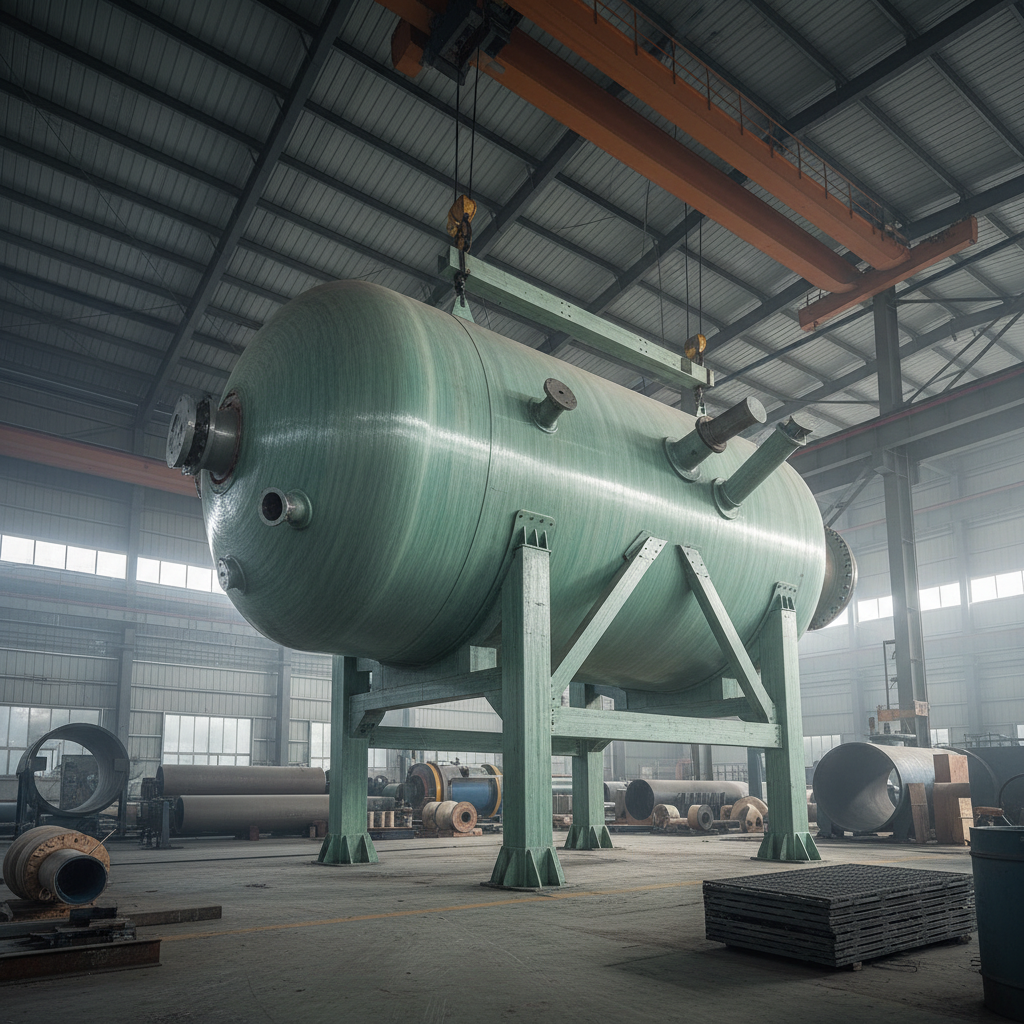
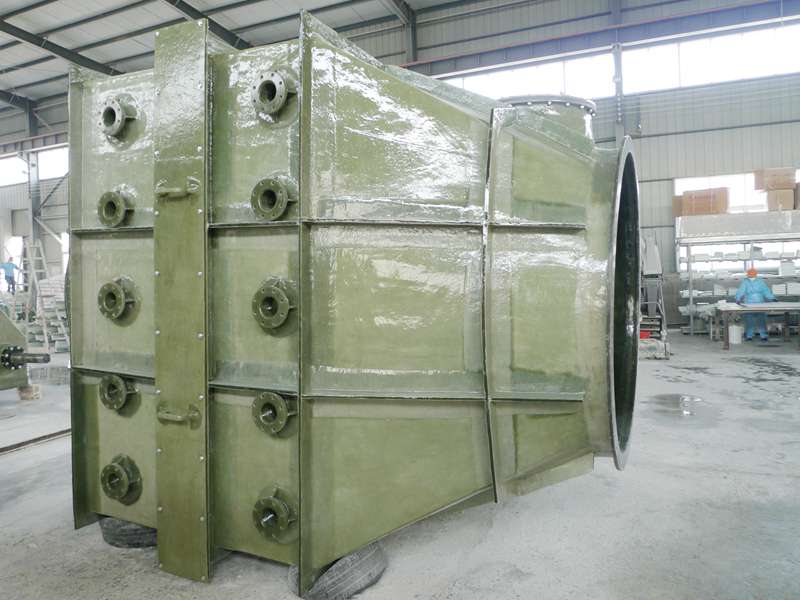
A fiberglass tank, also known as a Fiber Reinforced Polymer (FRP) tank, is a storage container constructed from fiberglass-reinforced plastic. These tanks are created through a layering process, combining glass fibers with a polymer matrix – typically polyester, vinyl ester, or epoxy resin. This combination yields a tank that is remarkably strong, lightweight, and corrosion-resistant. The versatility of fiberglass tanks makes them suitable for various applications, ranging from chemical storage and water treatment to agricultural purposes.
Key Highlights: Fiberglass tanks combine the strength of glass fibers with the protective properties of resin, creating a robust and corrosion-resistant storage solution.
Key Benefits of Using Tank Fiberglass
Choosing fiberglass tanks offers a multitude of advantages over traditional materials like steel or concrete. Firstly, they are highly resistant to corrosion, even when storing aggressive chemicals. Secondly, their lightweight nature reduces transportation and installation costs. They also require minimal maintenance compared to steel tanks, leading to long-term cost savings. Furthermore, fiberglass is a non-conductive material, making these tanks safe for use with flammable liquids. The design flexibility of fiberglass allows for custom tank configurations to meet specific requirements.
Key Advantages:
• Corrosion Resistance
• Lightweight
• Low Maintenance
• Non-Conductive
Applications of Tank Fiberglass
Fiberglass tanks find widespread application across numerous industries. In the chemical processing industry, they safely store corrosive acids, bases, and solvents. Water and wastewater treatment facilities utilize them for water storage, disinfection, and chemical feed. Agriculture relies on them for fertilizer and pesticide storage. Other applications include food processing, pharmaceuticals, oil and gas, and even fire suppression systems. The adaptability of fiberglass tanks makes them a versatile solution for diverse liquid storage needs.
Manufacturing Process of Tank Fiberglass
The manufacturing of fiberglass tanks typically involves several key steps. First, a mold is prepared to define the tank's shape and size. Then, layers of glass fiber reinforcement are applied to the mold, often using automated winding or hand lay-up techniques. Each layer is saturated with a resin, which hardens to create a strong, cohesive structure. After curing, the tank is demolded and undergoes quality control inspections to ensure it meets specified standards. Various design options, such as adding ribs or supports, are implemented during the manufacturing process to enhance structural integrity.
Choosing the Right Tank Fiberglass: Key Considerations
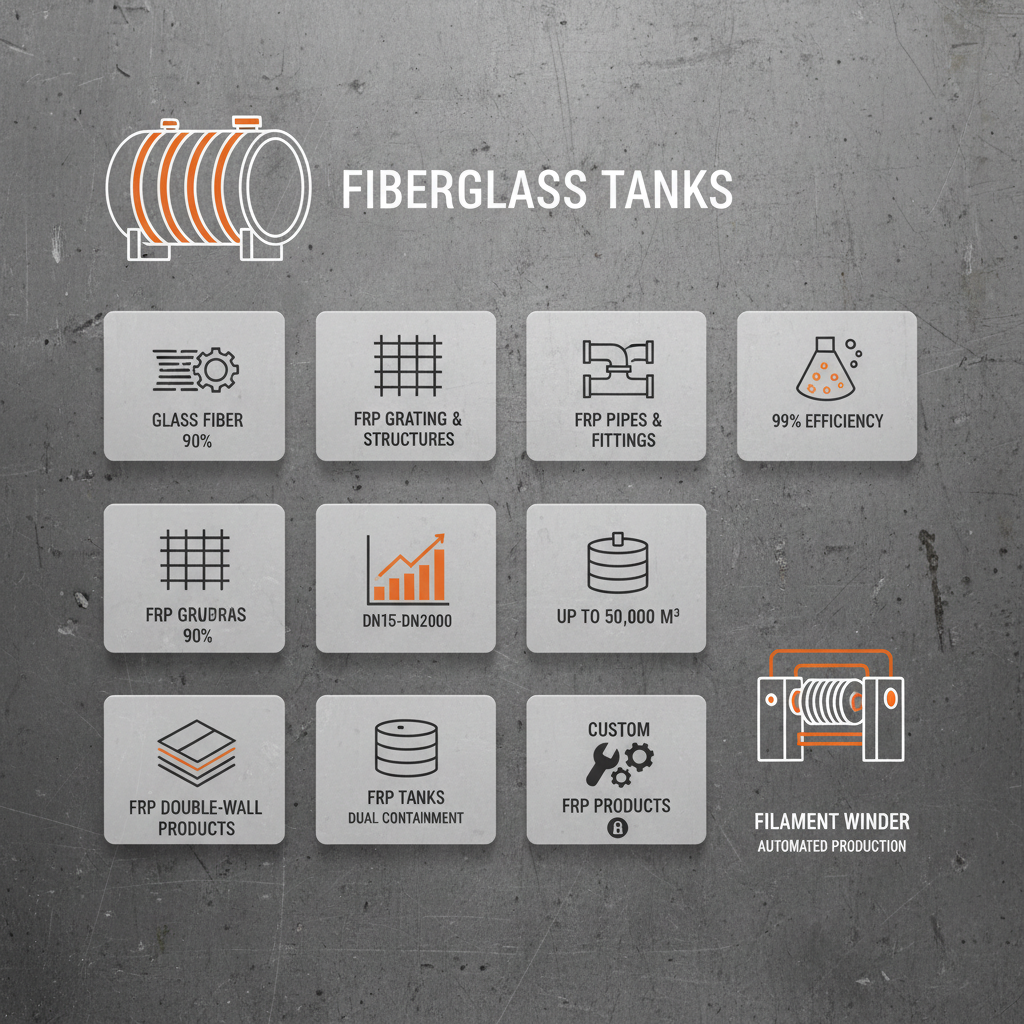
Selecting the appropriate tank fiberglass requires careful consideration of several factors. The chemical compatibility of the tank material with the stored liquid is paramount. The tank's size and capacity should be accurately determined based on storage needs. Environmental factors, such as temperature and UV exposure, must also be considered. Choosing a reputable manufacturer with proven quality control procedures is crucial to ensure the tank's longevity and reliability.
Conclusion: Investing in Reliable Fiberglass Tank Solutions
Fiberglass tanks offer a compelling combination of durability, corrosion resistance, and cost-effectiveness. By carefully considering your specific application and choosing a reputable manufacturer like JRAIN FRP, you can ensure a long-lasting and reliable storage solution. Investing in quality fiberglass tanks is an investment in the safety and efficiency of your operations.
Frequently Asked Questions (FAQs)
What is the typical lifespan of a fiberglass tank?
The lifespan of a fiberglass tank typically ranges from 20 to 50 years, depending on the quality of materials, manufacturing process, and the nature of the stored liquid. Regular inspections are crucial for identifying potential issues early on. With proper maintenance and adherence to recommended operating conditions, a well-constructed fiberglass tank can provide decades of reliable service. Factors like UV exposure and extreme temperatures can impact longevity, so protective measures should be considered.
Are fiberglass tanks suitable for storing potable water?
Yes, fiberglass tanks specifically manufactured for potable water storage are suitable for this purpose. These tanks are typically made with resins that meet NSF/ANSI Standard 61, ensuring that no harmful substances leach into the water. It is crucial to verify that the tank has the appropriate certification before using it for potable water storage. Regular cleaning and disinfection are also essential to maintain water quality.
What maintenance is required for fiberglass tanks?
Fiberglass tanks require minimal maintenance compared to steel tanks. Regular visual inspections for cracks, leaks, or damage are essential. Cleaning the tank periodically, especially if storing liquids that can leave residue, is also recommended. Avoid abrasive cleaning materials that can damage the gel coat. For tanks storing corrosive substances, it’s advisable to check the thickness of the tank wall periodically to ensure structural integrity.



Latest news
-
Industrial High Pressure Fiberglass Pipe Guide and Technical SpecsNewsApr.16,2026
-
Industrial Storage Guide for Fiberglass Chemical TanksNewsApr.09,2026
-
Explore Durable and Customizable Custom Fiberglass Tanks for Your IndustryNewsApr.07,2026
-
Comprehensive Guide to Fiberglass Roof Tanks for Liquid Storage SolutionsNewsApr.04,2026
-
Comprehensive Guide to Durable and Corrosion Resistant Glass Fiber TanksNewsMar.31,2026
-
Comprehensive Guide to Tank Fiberglass Solutions and Their Diverse ApplicationsNewsMar.28,2026