



Industrial Storage Guide for Fiberglass Chemical Tanks
The Ultimate Guide to Fiberglass Chemical Tanks for Industrial Storage
In the demanding world of industrial chemical handling, the integrity of storage equipment is non-negotiable. fiberglass chemical tanks have emerged as the gold standard for storing aggressive substances, offering an unparalleled combination of corrosion resistance and structural strength. Unlike traditional metal containers that succumb to oxidation and chemical erosion, FRP (Fiber Reinforced Plastic) solutions provide a long-term, low-maintenance alternative. Whether you are managing a wastewater treatment plant or a high-precision pharmaceutical lab, selecting the right material is critical for safety and environmental compliance. This guide explores why these tanks are the preferred choice for modern industry.
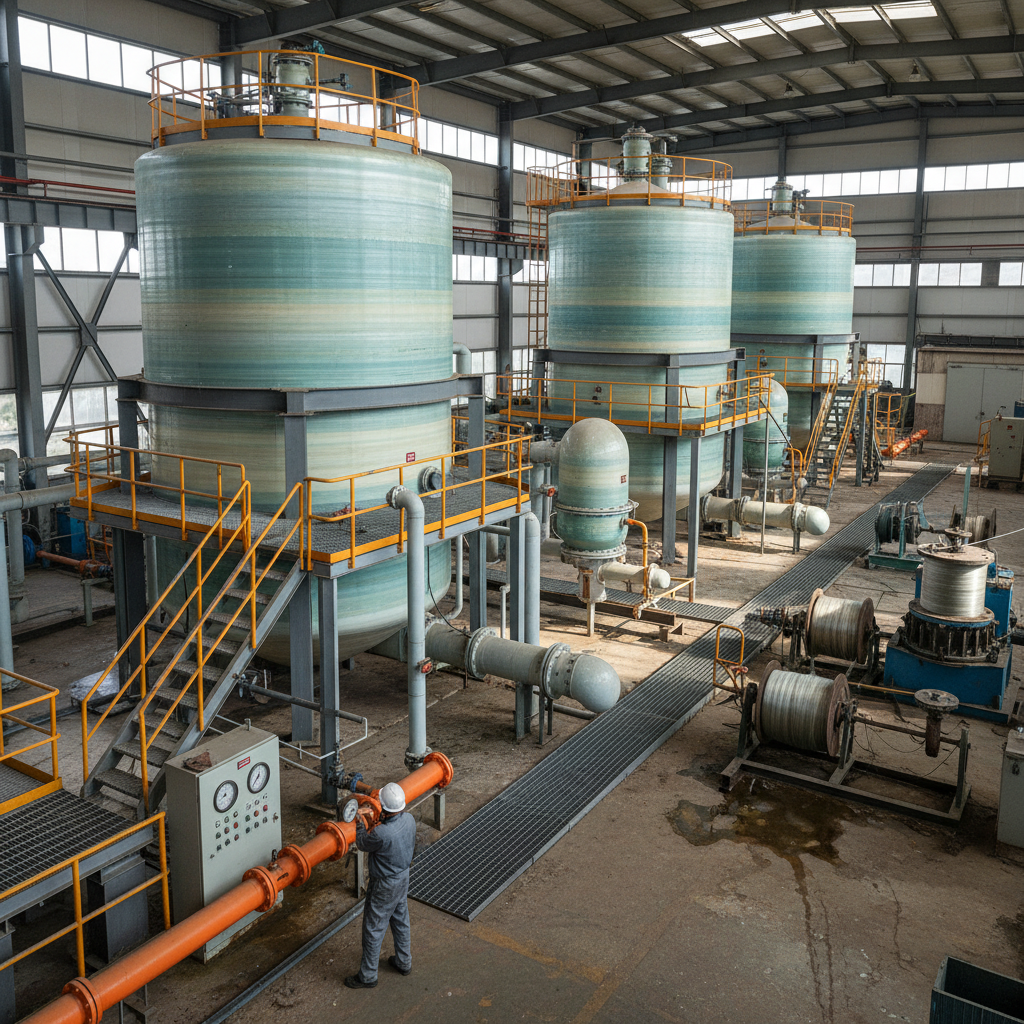
Unmatched Corrosion Resistance of Fiberglass Chemical Tanks
The primary advantage of using fiberglass chemical tanks is their inherent immunity to rust and corrosion. These tanks are engineered using a combination of high-strength glass fibers and specialized resin systems—such as vinyl ester or epoxy—that create an impermeable barrier against acids, bases, and organic solvents. This chemical inertness ensures that the stored medium does not contaminate the tank walls, nor does the tank leach materials into the chemical. This stability is vital for maintaining the purity of chemicals and extending the operational lifespan of the asset, significantly reducing the frequency of costly replacements.
Pro Tip: Choosing the specific resin type (e.g., Bisphenol-A epoxy) is the most critical step in ensuring the tank can handle the specific pH level and temperature of your chemical agent.
Structural Strength and Design Flexibility
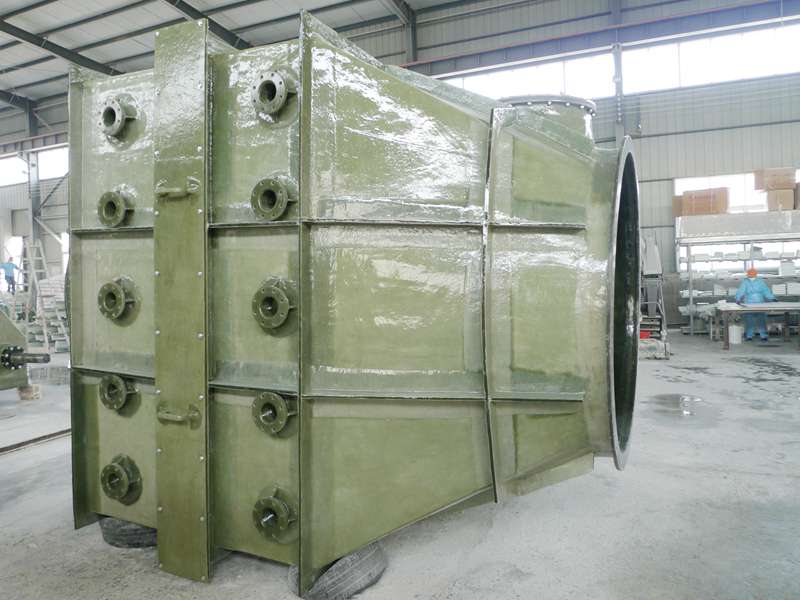
Beyond chemical resistance, these tanks offer an impressive strength-to-weight ratio. Fiberglass is significantly lighter than steel, which simplifies transportation and installation, reducing the need for heavy-duty cranes and reinforced foundations. Furthermore, the molding process allows for high design flexibility. fiberglass chemical tanks can be customized in various shapes—cylindrical, rectangular, or custom-engineered geometries—to fit perfectly within limited facility footprints. This adaptability ensures that storage efficiency is maximized without compromising the structural integrity of the vessel.
Comparative Analysis: Fiberglass vs. Stainless Steel Tanks
When deciding between materials, many engineers compare FRP with stainless steel. While steel is strong, it is susceptible to pitting and chloride-induced corrosion. In contrast, fiberglass chemical tanks provide a more stable environment for highly corrosive acids. The following table highlights the key differences to help you make an informed decision based on your operational needs.
Common Applications for Fiberglass Chemical Tanks
The versatility of fiberglass chemical tanks makes them essential across various high-stakes industries. In water treatment, they are used for chlorine and alum storage. In the petrochemical sector, they hold aggressive catalysts and solvents. They are also widely utilized in agriculture for fertilizer storage and in the mining industry for leaching agents. Because they can be engineered to withstand specific temperature ranges and pressures, they provide a safe and secure solution for virtually any liquid chemical storage need.
Standard Specifications for FRP Storage Solutions
To ensure safety and performance, fiberglass chemical tanks are manufactured according to strict international standards (such as ASTM or ASME). The thickness of the wall is determined by the volume of the liquid and the specific gravity of the chemical. Below is a general specification table typically found in industrial-grade FRP tank configurations:
Maintaining and Inspecting Your Storage Systems
While fiberglass chemical tanks are low-maintenance, periodic inspections are essential to ensure long-term safety. Experts recommend checking for "crazing" (fine cracks in the resin) or signs of UV degradation if the tank is stored outdoors. Using UV-resistant topcoats can further protect the shell. Regular checks of the fittings and seals prevent leaks, ensuring that your facility remains compliant with environmental regulations and safe for all personnel.
Conclusion: The Smart Investment in Chemical Storage
Choosing fiberglass chemical tanks is more than just a material choice; it is a strategic decision to enhance safety, reduce operational costs, and ensure environmental protection. With their superior corrosion resistance, structural flexibility, and low maintenance requirements, FRP tanks far outperform traditional alternatives in aggressive chemical environments. By partnering with experts in FRP fabrication, industries can secure a storage solution that stands the test of time and chemistry.
Frequently Asked Questions (FAQs)
How do I choose the right resin for my fiberglass chemical tank?
Selecting the correct resin depends entirely on the chemical composition, concentration, and temperature of the fluid you intend to store. For example, Vinyl Ester resins are typically used for strong acids and bases due to their high corrosion resistance. Epoxy resins are preferred for applications requiring higher mechanical strength and heat resistance. We recommend providing a full Chemical Compatibility Chart to your manufacturer to ensure the resin selected can withstand the specific aggressive properties of your medium without degrading over time.
Are fiberglass tanks safe for pressurized chemicals?
Yes, but they must be specifically engineered for pressure. While standard atmospheric storage tanks are common, pressure vessels are created using a process called "filament winding," which wraps continuous glass fibers around a mandrel under high tension. This creates a much denser and stronger wall capable of handling internal pressure. It is critical to specify the maximum operating pressure during the design phase so the tank can be built to the appropriate safety factor and certified under standards like ASME.
Can these tanks be repaired if they get damaged?
One of the greatest advantages of FRP is that it is repairable. Unlike steel, which may require complex welding and immediate recoating to prevent rust, fiberglass can be repaired using a "patch and laminate" process. This involves grinding the damaged area, applying a compatible resin, and layering new glass reinforcement. When done correctly by a professional, the repaired section can restore the tank's full structural integrity. This makes fiberglass chemical tanks a highly sustainable long-term investment.
Do FRP tanks require special foundations?
Because FRP tanks are significantly lighter than steel, they often put less stress on the ground. However, a level, reinforced concrete pad is still highly recommended to prevent uneven settling, which could cause structural stress or tilting. The foundation should be designed based on the "full load" weight (tank weight plus the weight of the chemical). For very large tanks, additional support rings or saddles may be used to distribute the load evenly across the base, ensuring the tank remains stable during seismic events or high winds.



Latest news
-
Industrial High Pressure Fiberglass Pipe Guide and Technical SpecsNewsApr.16,2026
-
Industrial Storage Guide for Fiberglass Chemical TanksNewsApr.09,2026
-
Explore Durable and Customizable Custom Fiberglass Tanks for Your IndustryNewsApr.07,2026
-
Comprehensive Guide to Fiberglass Roof Tanks for Liquid Storage SolutionsNewsApr.04,2026
-
Comprehensive Guide to Durable and Corrosion Resistant Glass Fiber TanksNewsMar.31,2026
-
Comprehensive Guide to Tank Fiberglass Solutions and Their Diverse ApplicationsNewsMar.28,2026