

Comprehensive Guide to Molded Fiberglass Grating Benefits and Applications
Understanding Molded Fiberglass Grating: A Comprehensive Guide
Molded fiberglass grating offers a robust and versatile solution for a variety of industrial and commercial applications. Combining strength, durability, and corrosion resistance, it's become a preferred alternative to traditional materials like steel and aluminum. This article delves into the benefits, applications, specifications, and key considerations when choosing molded fiberglass grating, providing a thorough overview for engineers, contractors, and facility managers. Investing in the right grating material can dramatically reduce maintenance costs and enhance workplace safety.
Key Benefits of Molded Fiberglass Grating
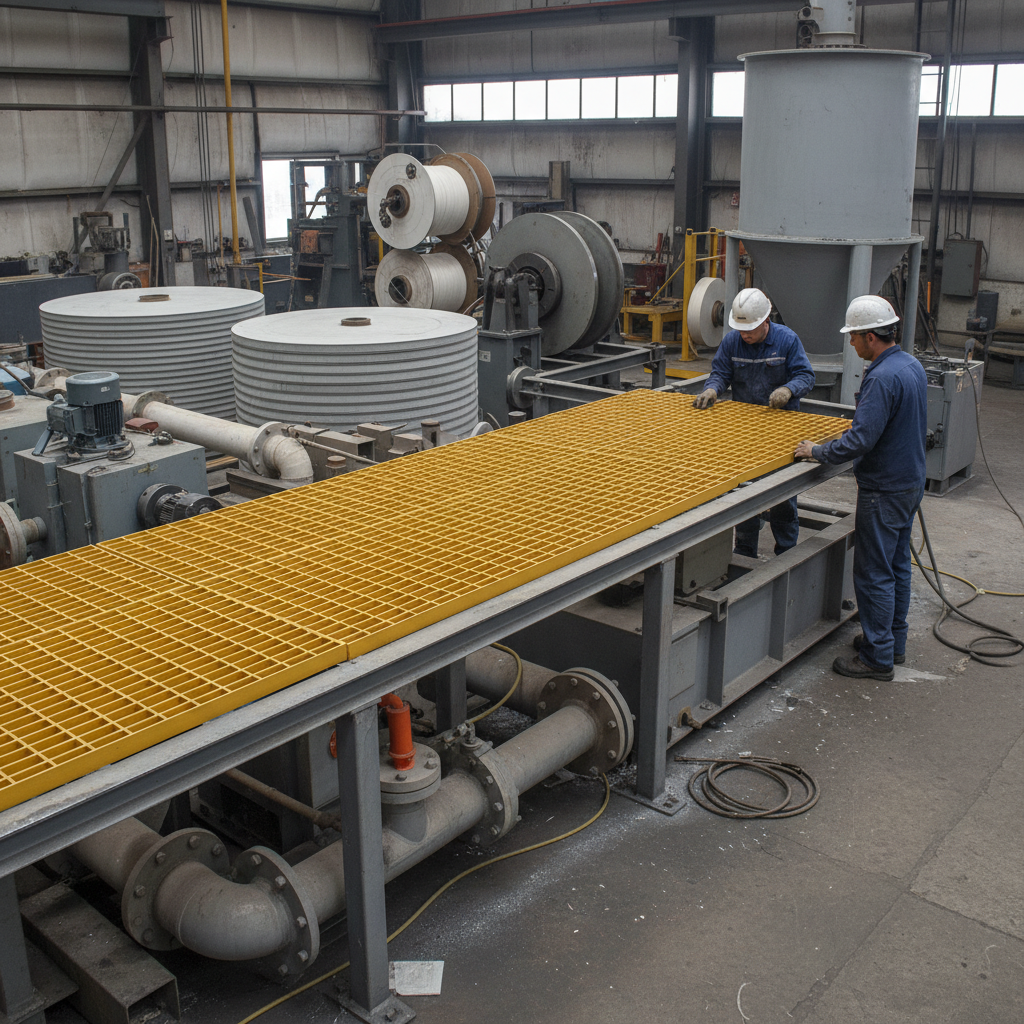
The advantages of utilizing molded fiberglass grating are numerous. Firstly, it is significantly lighter than steel, simplifying installation and reducing support structure requirements. Secondly, it offers exceptional corrosion resistance, even in harsh chemical environments, making it ideal for applications in wastewater treatment plants, chemical processing facilities, and marine environments. Thirdly, fiberglass grating is non-conductive, providing enhanced safety in electrical applications. It also requires minimal maintenance, saving on long-term costs. Finally, its inherent flame-retardant properties contribute to a safer work environment.
Key Highlights: Lightweight, corrosion resistant, non-conductive, low maintenance, flame retardant. These properties make it a sustainable and cost-effective choice for various industrial applications.
Applications of Molded Fiberglass Grating
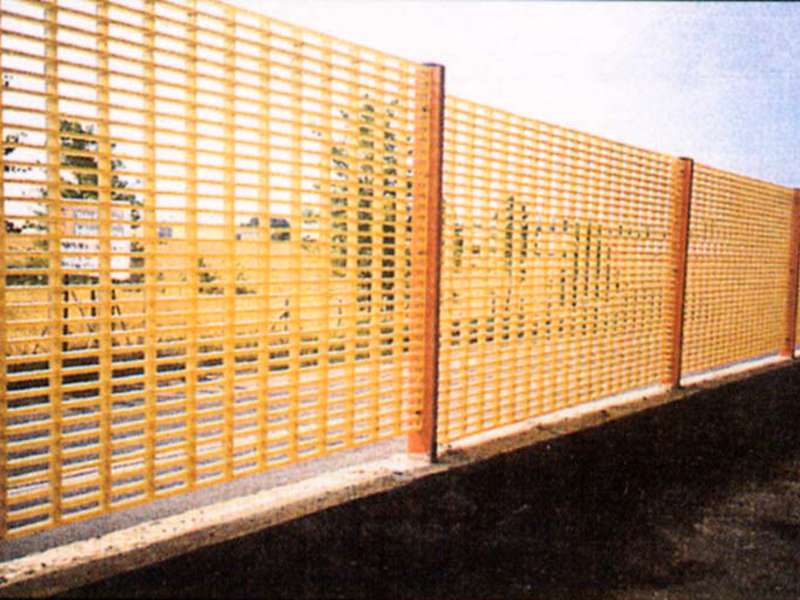
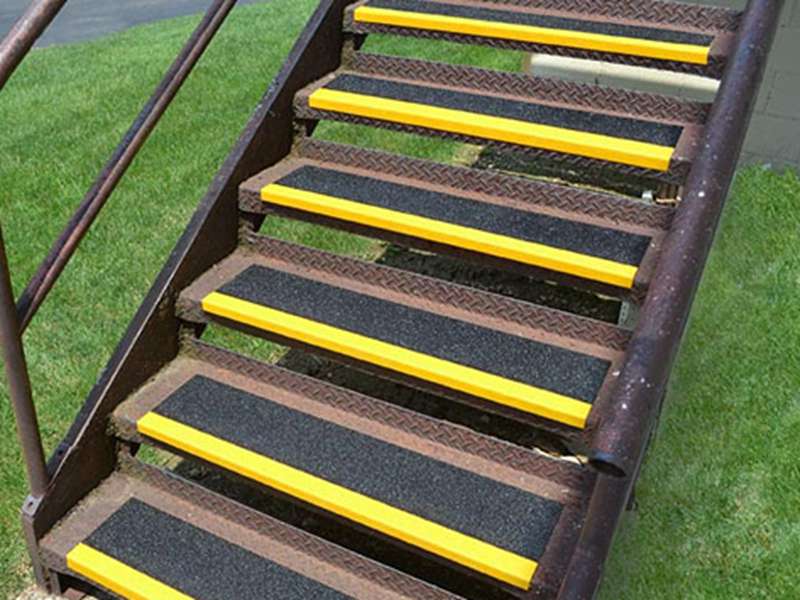
Molded fiberglass grating is incredibly versatile and can be found in a wide range of applications. Common uses include walkways, platforms, stair treads, trench covers, and drainage systems. Industries benefiting from this material include chemical processing, oil and gas, pulp and paper, wastewater treatment, power generation, and marine environments. Its durability and resistance to harsh conditions make it particularly well-suited for areas exposed to corrosive chemicals, saltwater, or extreme temperatures. It’s a practical and long-lasting solution for challenging operational environments.
Application Areas:
• Walkways & Platforms
• Stair Treads
• Trench Covers
• Drainage Systems
Molded Fiberglass Grating vs. Steel Grating: A Comparative Analysis
Comparing molded fiberglass grating to traditional steel grating reveals significant differences. While steel offers high strength, it is susceptible to corrosion, requiring regular maintenance and painting. Fiberglass grating eliminates these issues, offering long-term cost savings. Steel is also significantly heavier than fiberglass, increasing installation costs and potentially requiring additional structural support. Finally, steel is conductive, posing electrical hazards, whereas fiberglass is non-conductive, enhancing safety.
Selecting the Right Molded Fiberglass Grating: Key Considerations
Choosing the appropriate molded fiberglass grating requires careful consideration of several factors. Load capacity is paramount – ensure the grating can safely support the intended weight. Mesh size is another critical aspect, influencing slip resistance and drainage. Resin type also plays a crucial role, impacting chemical resistance and temperature performance. Finally, consider the specific environmental conditions, such as UV exposure and potential for impact.
Product Specifications & Standards
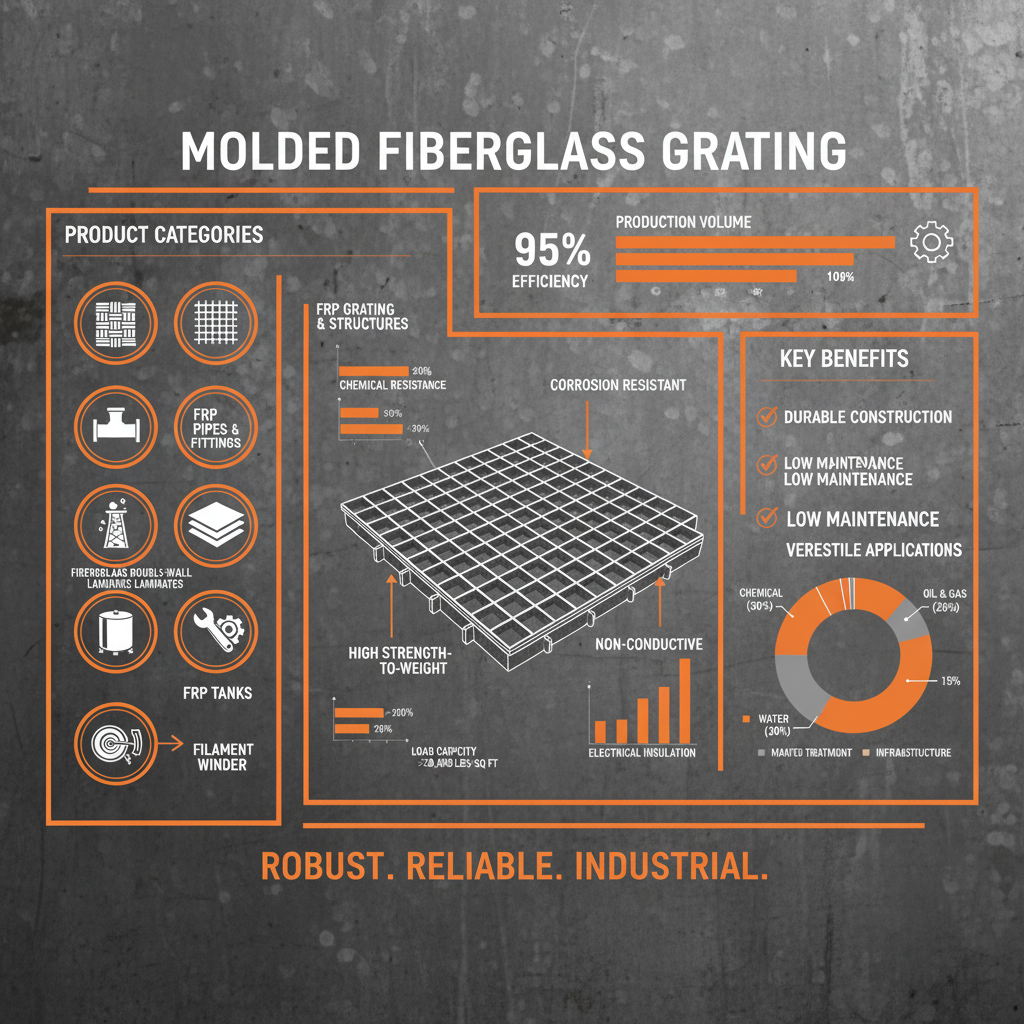
Our molded fiberglass grating is manufactured to meet stringent industry standards, including ASTM E84 for flame spread and smoke development. We offer a variety of mesh sizes, resin types (such as polyester, vinyl ester, and epoxy), and thicknesses to accommodate diverse application requirements. Here's a quick reference to typical specifications:
Conclusion: Choosing the Right Grating for Lasting Performance
Investing in high-quality molded fiberglass grating from a reputable supplier like JRain FRP is a strategic decision that offers long-term benefits. Its superior durability, corrosion resistance, and safety features make it an ideal solution for a wide range of applications. By carefully considering your specific needs and consulting with experts, you can ensure a reliable and cost-effective solution for your project.
Frequently Asked Questions (FAQs)
What is the expected lifespan of molded fiberglass grating?
The lifespan of molded fiberglass grating is significantly longer than traditional materials like steel, often exceeding 20 years with proper installation and minimal maintenance. The exact lifespan depends on the environment and the level of exposure to harsh chemicals or UV radiation. Regular inspections are recommended to identify and address any potential issues, but generally, it offers a long-term, reliable solution with minimal replacement costs. Choosing a high-quality resin type and appropriate thickness further extends its durability.
Can fiberglass grating be cut to size on-site?
Yes, molded fiberglass grating can be cut to size on-site using standard power tools such as circular saws with fiberglass-rated blades or abrasive cut-off saws. However, it's important to take appropriate safety precautions, including wearing eye protection and a dust mask, as cutting fiberglass can release small particles. Proper ventilation is also recommended. Always follow the manufacturer's guidelines for cutting and handling the material.
Is fiberglass grating slippery when wet?
The slip resistance of fiberglass grating depends on the mesh surface. Grating with a finer mesh typically provides better traction, even when wet. Some manufacturers also offer grating with a specialized anti-slip surface coating. Choosing the appropriate mesh size and considering the application environment are crucial to ensure safe walking surfaces. We offer several options designed for high-traffic and potentially wet areas.
What are the fire-resistance properties of fiberglass grating?
Fiberglass grating is inherently flame-retardant and typically meets or exceeds ASTM E84 standards for flame spread and smoke development. While it will not burn, it may soften or melt at extremely high temperatures. This makes it a safer alternative to combustible materials in many applications. However, always refer to the specific product data sheet for detailed fire-resistance information.
Latest news
-
Industrial High Pressure Fiberglass Pipe Guide and Technical SpecsNewsApr.16,2026
-
Industrial Storage Guide for Fiberglass Chemical TanksNewsApr.09,2026
-
Explore Durable and Customizable Custom Fiberglass Tanks for Your IndustryNewsApr.07,2026
-
Comprehensive Guide to Fiberglass Roof Tanks for Liquid Storage SolutionsNewsApr.04,2026
-
Comprehensive Guide to Durable and Corrosion Resistant Glass Fiber TanksNewsMar.31,2026
-
Comprehensive Guide to Tank Fiberglass Solutions and Their Diverse ApplicationsNewsMar.28,2026