



Fiberglass Storage Tank Solutions for Industrial Excellence | Jrain FRP
Fiberglass Storage Tank is a key solution in the industry, specifically within chemical processing, water treatment, and agriculture sectors. This article explores how https://www.jrain-frp.com supports professionals with durable, high-performance products, and explains why this product is an ideal choice for businesses in these sectors.
Table of Contents
- Fiberglass Storage Tank Overview
- Benefits & Use Cases of Fiberglass Storage Tank
- Cost, Maintenance & User Experience
- Sustainability & Market Trends
Fiberglass Storage Tank Overview
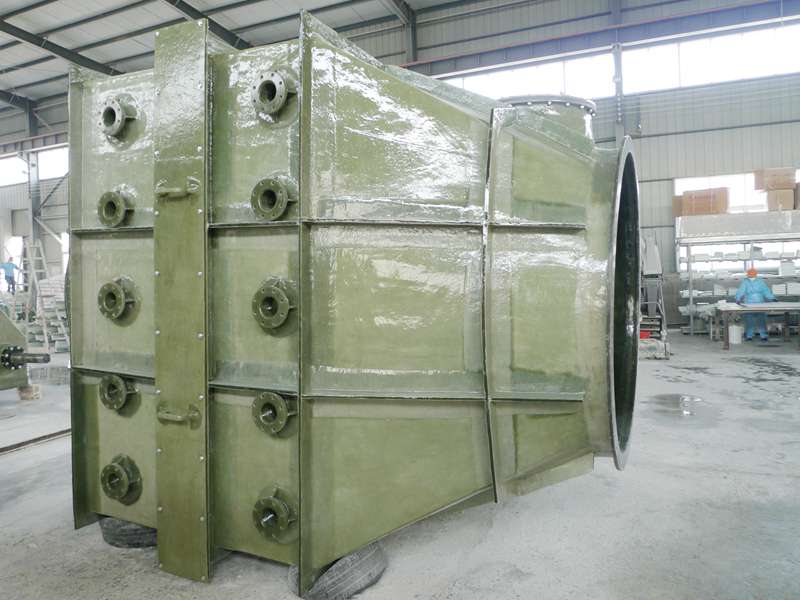
Fiberglass Storage Tanks are specialized containers made from fiberglass reinforced plastic (FRP), designed to store liquids and chemicals safely and efficiently. Their importance spans across several industrial sectors because of their corrosion resistance and lightweight nature. Oddly enough, many decision makers overlook how these tanks outclass metal alternatives, especially in hostile environments where rust and chemical reaction are serious risks.
- Typically fabricated by layering fiberglass mats with resin, these tanks boast impressive strength and durability.
- For instance, a Jrain FRP tank tested for chemical storage has reported service life exceeding 20 years in harsh conditions.
| Specification | Details |
|---|---|
| Material | Fiberglass Reinforced Plastic (FRP) |
| Typical Capacities | 500 - 50,000 gallons |
| Temperature Range | -40°C to 60°C (-40°F to 140°F) |
| Common Uses | Chemical storage, water treatment, agricultural liquids |
| Expected Lifespan | 20+ years with proper maintenance |
Benefits & Use Cases of Fiberglass Storage Tank
In real terms, the biggest draw to fiberglass storage tanks is their chemical resistance. They don’t corrode, scale, or rust, which, frankly, saves companies tens of thousands in replacements and repairs. Beyond that, they’re easy to install due to being lightweight, and they come in customizable shapes and sizes.
- Chemical and wastewater plants rely on these tanks to handle aggressive substances that would degrade steel tanks.
- An agricultural company, for example, uses them extensively for fertilizers and pesticides because no contamination or leaks occur.
- Features like UV resistance and impact durability add to their value in outdoor applications.
Cost, Maintenance & User Experience
Now, cost-wise, fiberglass tanks often have a higher upfront price than basic steel, but the total cost of ownership is usually lower. You don’t get those surprise rust-related failures, and maintenance is fairly minimal — a quick inspection and occasional cleaning mostly. Many engineers I’ve spoken to say the ROI comes down to less downtime and longer service life.
- Users highlight the ease of transporting and installing FRP tanks compared to metallic ones.
- Data from companies using Jrain fiberglass tanks shows a reduction in maintenance costs averaging 30% over five years.
| Vendor | Material Quality | Customization | Lead Time | Warranty |
|---|---|---|---|---|
| Jrain FRP | High-grade Vinylester resin | Tailored to specs | 4-6 weeks | 5 years standard |
| Competitor A | Standard Polyester resin | Limited options | 6-8 weeks | 3 years |
| Competitor B | Fiberglass with Epoxy coating | Standard sizes only | 5 weeks | 4 years |
Sustainability & Market Trends
Sustainability is popping up as a front-runner in choosing storage tanks. Fiberglass tanks tend to have a smaller environmental footprint compared to steel — less energy-intensive manufacturing and longer service lifetimes reduce waste. Plus, FRP materials are often recyclable, which isn’t something people immediately think about. Regulations in chemical handling also push companies toward corrosion-resistant, leak-proof tanks — another win for fiberglass.
- Market analysts forecast steady growth in FRP storage solutions over the next decade, reflecting both regulatory pressure and improved material tech.
Frequently Asked Questions about Fiberglass Storage Tank
- What is Fiberglass Storage Tank and how does it work?
- A Fiberglass Storage Tank is a container made from layers of fiberglass reinforced plastic, designed to safely store liquids such as chemicals or water. Its strength comes from the composite materials, which resist corrosion and structural damage. Basically, it's tough yet lightweight, and the resin matrix keeps it sealed and durable.
- What are the main benefits of using Fiberglass Storage Tank in industrial applications?
- The main benefits include chemical resistance, lightweight design for easier handling, long service life without corrosion, and often lower total cost of ownership compared to steel tanks. Plus, customization options make them a fit for varied industrial needs.
- How does Fiberglass Storage Tank compare to traditional alternatives?
- Compared to steel or concrete tanks, fiberglass tanks don’t rust or degrade from chemical exposure. They’re also usually lighter and quicker to install. The trade-off is typically upfront cost, but with higher durability and less maintenance, the balance often favors fiberglass.
- What industries can benefit most from Fiberglass Storage Tank implementation?
- Chemical manufacturing, wastewater treatment, agriculture, food processing, and mining sectors all find fiberglass tanks invaluable. For example, agriculture companies use them for storing fertilizers and water because they ensure purity with no contamination.
Conclusion on Fiberglass Storage Tank from china
In summary, fiberglass storage tanks offer a compelling blend of durability, chemical resistance, and cost-effectiveness that make them a standout choice for many industries worldwide. If your business is seeking a reliable storage solution that balances upfront investment with long-term value, these tanks are worth serious consideration. Visit our website: https://www.jrain-frp.com to explore options tailored to your specific needs.
A brief reflection: Fiberglass storage tanks might not be the flashiest equipment on the plant floor, but their quiet reliability often means they’re fundamental to operational success. As industries push for safer, greener processes, I suppose these tanks will quietly gain even more ground — the unsung hero of liquid storage.
- Jrain FRP Customer Case Studies, 2023
- “The Rise of FRP Tanks,” Industrial Storage Journal, 2022
- EPA Regulations on Chemical Storage, Official Documentation, 2024



Latest news
-
Industrial High Pressure Fiberglass Pipe Guide and Technical SpecsNewsApr.16,2026
-
Industrial Storage Guide for Fiberglass Chemical TanksNewsApr.09,2026
-
Explore Durable and Customizable Custom Fiberglass Tanks for Your IndustryNewsApr.07,2026
-
Comprehensive Guide to Fiberglass Roof Tanks for Liquid Storage SolutionsNewsApr.04,2026
-
Comprehensive Guide to Durable and Corrosion Resistant Glass Fiber TanksNewsMar.31,2026
-
Comprehensive Guide to Tank Fiberglass Solutions and Their Diverse ApplicationsNewsMar.28,2026