

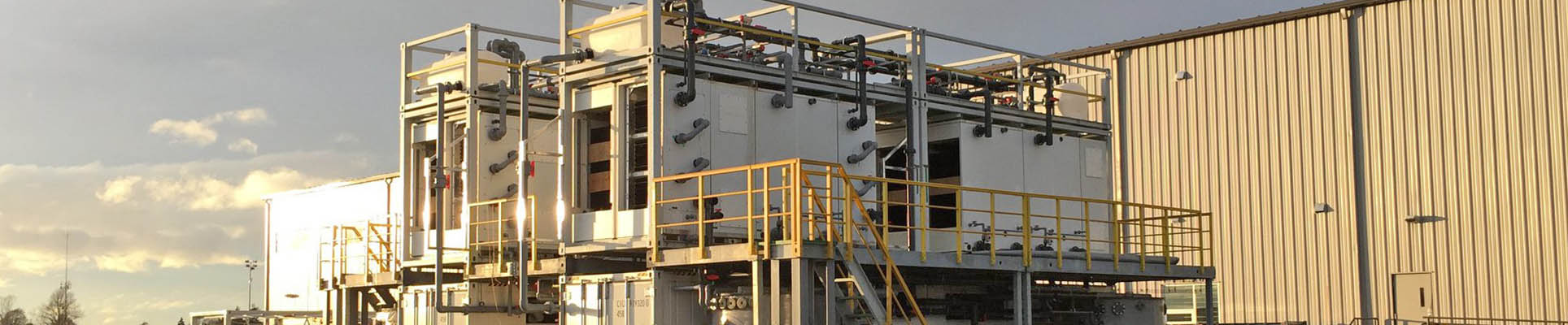

Fiberglass Customized Product: Durable & Tailored Solutions for Industry | JRAIN FRP
Fiberglass Customized Product is a key solution in the industry, specifically within sectors that demand durability and tailored performance. This article explores how https://www.jrain-frp.com supports professionals with durable, high-performance products, and explains why this product is an ideal choice for businesses in these sectors.
Table of Contents
- Fiberglass Customized Product Overview
- Benefits & Use Cases of Fiberglass Customized Product
- Cost, Maintenance & User Experience
- Sustainability & Market Trends
Fiberglass Customized Product Overview
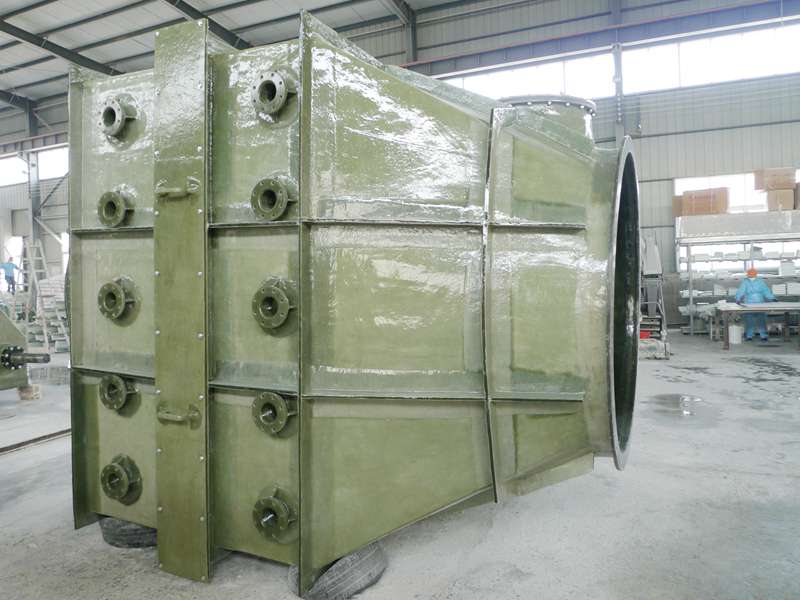
Simply put, a Fiberglass Customized Product refers to tailored components or finished goods fabricated with fiberglass-reinforced plastic (FRP), molded to meet exact specifications for industrial use. This isn’t your off-the-shelf item; it’s designed to fit specialized needs where strength, corrosion resistance, and weight-saving matter—in other words, pretty much every challenging environment you can think of.
Technically speaking, these products combine glass fibers with resin matrices, typically polyester or vinyl ester, to yield remarkable tensile strength and longevity. For instance, a case study with industrial wastewater treatment plants showed that using fiberglass customized components lowered maintenance frequency by over 40%, mostly thanks to superior chemical resistance and custom fit to existing systems. Oddly enough, the blend of flexibility in design plus robustness often surprises less technical stakeholders—it's almost like getting the best of both worlds.
| Specification | Details |
|---|---|
| Material Composition | Fiberglass Reinforced Plastic (polyester/vinyl ester resin) |
| Density | 1.75 - 2.0 g/cm³ (depending on resin type) |
| Tensile Strength | Up to 150 MPa |
| Temperature Range | -40°C to 120°C |
| Customization Options | Shape, size, color, reinforcement layering |
Benefits & Use Cases of Fiberglass Customized Product
You might wonder where exactly these products shine. In practice, fiberglass customized products serve a broad spectrum—from chemical tanks and piping in harsh environments, to load-bearing panels in construction, to lightweight parts in transport. Basically, if an application demands corrosion resistance combined with structural integrity, these do the trick.
The competitive edge lies in adaptability. Many decision makers I chatted with value the fact that such products can be engineered to precise tolerances, integrating seamlessly with existing equipment—reducing downtime and installation headaches. Another not-so-obvious advantage is the non-conductive nature of fiberglass, making these products invaluable in electrical applications or anywhere safety from galvanic corrosion is crucial.
Vendor Comparison Table
| Vendor | Customization Level | Lead Time | After-Sales Support |
|---|---|---|---|
| JRAIN FRP | Extensive (full customization) | 4-6 weeks | Dedicated engineering & tech support |
| Competitor A | Limited templates | 6-8 weeks | Basic customer service |
| Competitor B | Moderate customization | 5-7 weeks | Tech hotline only |
Cost, Maintenance & User Experience
One might hesitate considering upfront cost, but frankly, fiberglass customized products often prove their worth in the long run. Their total cost of ownership frequently beats alternatives like stainless steel or aluminum due to lower maintenance requirements and longer lifecycle, especially in corrosive environments.
Clients from industrial sectors have reported tangible ROI improvements—because downtime plummets when parts fit perfectly and resist harsh conditions. Maintenance staff enjoy the ease of cleaning and inspection too, which isn’t always obvious till you’ve managed traditional metal components corroding away.
It feels like the user experience, often overlooked, is key: from consultation through delivery, vendors like JRAIN FRP emphasize collaboration, making customization both precise and manageable. You don’t just get a product; you get tailored guidance from spec to install.
Sustainability & Market Trends
The sustainability angle is increasingly important in procurement. Fiberglass products, because of their long life and resistance to corrosion, reduce waste from replacements. While they are plastic-based, advances in resin technology are making recycled or bio-based resin options more common, which I suppose is a nod in the right direction.
Plus, regulations in industries like water treatment or offshore platforms push for materials that minimize environmental impact—not just through durability but also via non-toxic composition and recyclability. Market trends show rising adoption, partly because businesses want to future-proof assets and avoid the hidden costs of inferior materials.
Frequently Asked Questions about Fiberglass Customized Product
- What is Fiberglass Customized Product and how does it work?
- It’s a component or product tailored to specific needs made by combining glass fibers with plastic resin. This composite creates lightweight yet strong parts resistant to corrosion and impact, ideal for industrial applications.
- What are the main benefits of using Fiberglass Customized Product in industrial applications?
- Durability against chemicals, reduced maintenance, customizable shapes, lightweight design, and non-conductive properties make them cost-effective and reliable over time.
- How does Fiberglass Customized Product compare to traditional alternatives?
- Compared to metals like steel or aluminum, fiberglass is often lighter, corrosion-proof, and can be shaped more easily while requiring less upkeep, which means better lifespan and overall savings.
- What industries can benefit most from Fiberglass Customized Product implementation?
- Industries such as chemical processing, waste water treatment, construction, electrical utilities, and transportation leverage tailored fiberglass parts for durability and specialized performance.
Conclusion on Fiberglass Customized Product from china
All things considered, fiberglass customized products offer a winning combination of performance, flexibility, and cost-effectiveness that’s hard to beat. Particularly for B2B decision makers looking to minimize downtime and optimize maintenance cycles, these products are a smart investment. If you want reliable partners who understand the nuances, it pays to connect with JRAIN FRP and explore some tailor-made solutions that truly fit your operations.
- Precise customization meets industrial-grade durability.
- Visit our website: https://www.jrain-frp.com
Reflecting briefly, the evolving material science behind fiberglass composites hints at even broader applications going forward, and it’s worth keeping an eye on innovations that further marry sustainability with strength.
- Case Study: Industrial Wastewater Systems, JRAIN FRP internal report, 2023.
- Market Analysis on FRP Composites, Industrial Materials Journal, 2024.
- Customer Feedback Survey, JRAIN FRP B2B Clients, 2023.
Latest news
-
Industrial High Pressure Fiberglass Pipe Guide and Technical SpecsNewsApr.16,2026
-
Industrial Storage Guide for Fiberglass Chemical TanksNewsApr.09,2026
-
Explore Durable and Customizable Custom Fiberglass Tanks for Your IndustryNewsApr.07,2026
-
Comprehensive Guide to Fiberglass Roof Tanks for Liquid Storage SolutionsNewsApr.04,2026
-
Comprehensive Guide to Durable and Corrosion Resistant Glass Fiber TanksNewsMar.31,2026
-
Comprehensive Guide to Tank Fiberglass Solutions and Their Diverse ApplicationsNewsMar.28,2026