

Fiberglass Fitting: Durable Industrial Solutions from Jrain Fiberglass
Fiberglass Fitting is a key solution in the industry, specifically within sectors requiring corrosion resistance and structural integrity. This article explores how https://www.jrain-frp.com supports professionals with durable, high-performance products, and explains why this product is an ideal choice for businesses in these sectors.
Table of Contents
- Fiberglass Fitting Overview
- Benefits & Use Cases of Fiberglass Fitting
- Cost, Maintenance & User Experience
- Sustainability & Market Trends
Fiberglass Fitting Overview
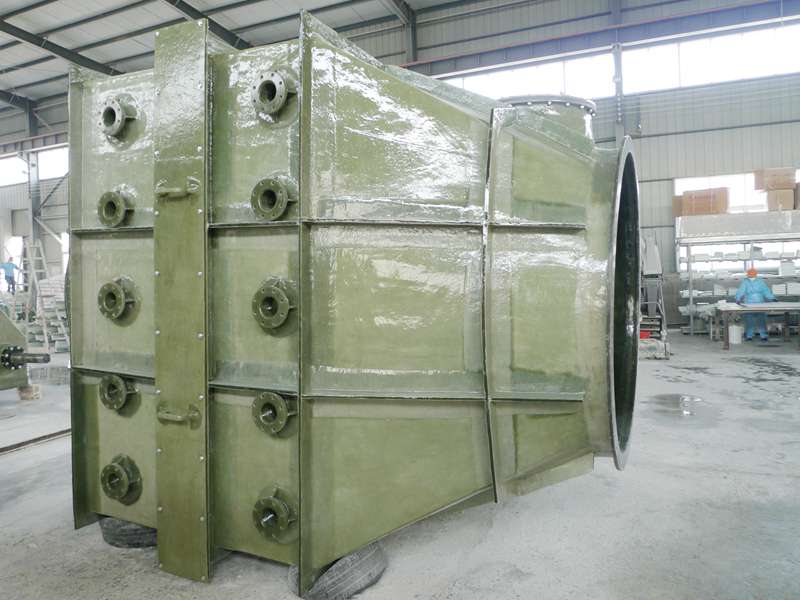
When you first hear “fiberglass fitting,” it might sound a bit technical or even obscure outside specialized circles. But in real terms, fiber-reinforced plastic (FRP) fittings are essential components in piping systems, offering a robust alternative to metal or traditional materials. They connect pipes and equipment, supporting industries that confront corrosion, high temperatures, and chemical exposure daily. Frankly, this product type is where engineering meets practical resilience.
Technically, fiberglass fittings combine glass fibers embedded in a resin matrix—usually polyester, vinyl ester, or epoxy—which produces a lightweight yet incredibly strong structure. This construction allows them to withstand aggressive chemicals and extreme weather without rusting or degrading. For example, a recent case study involved a wastewater treatment plant that replaced conventional steel fittings with fiberglass versions; the result was zero corrosion after five years, which is a game-changer when maintenance costs can skyrocket otherwise.
| Specification | Details |
|---|---|
| Material | Glass fibers with Polyester / Vinyl Ester Resin |
| Temperature Range | -40°C to 120°C (-40°F to 248°F) |
| Pressure Rating | Up to 10 bar (145 psi) |
| Corrosion Resistance | Excellent vs. chemical & saltwater exposure |
| Standards | ASTM D4101; ISO 9001 Certified Manufacturing |
Benefits & Use Cases of Fiberglass Fitting
The benefits of fiberglass fittings are numerous, but what really stands out to those in the field is their notable resilience combined with versatility. Many engineers highlight how they reduce downtime and maintenance thanks to their outstanding corrosion resistance. Industries like chemical processing, water treatment, and marine infrastructure widely adopt these fittings to cope with harsh environments where metal parts would corrode quickly.
Additionally, fiberglass fittings are lighter than metal options, which oddly enough, eases installation and reduces labor costs. Here’s a quick rundown of circumstances where these fittings shine:
- Acid and alkali handling systems where corrosion is aggressive
- Coastal and offshore structures exposed to salt spray
- Food and beverage industry piping needing hygienic materials
- Cooling water systems where non-conductivity is a plus
Because of these advantages, companies like Jrain Fiberglass are gaining traction. Their products do not just meet industry specs; they often exceed expectations on durability and seamless fit. Competitive features include customizable shapes, seamless joints, and tailored resin choices for different chemical exposures.
Cost, Maintenance & User Experience
When facing investment decisions, stakeholders often wonder about cost-effectiveness. Fiberglass fittings may occasionally have a higher upfront price compared to standard metals, but the total cost of ownership tends to be significantly lower over time. Why? Because they drastically cut down on repairs, replacements, and labor for maintenance.
I’ve heard feedback from plant managers who mention that shifting to fiberglass fittings reduced unexpected downtime by up to 30%. That translates to real operational savings, especially in large-scale production facilities. Moreover, customer reports show ease of installation and handling—fiberglass fittings maneuvers well even in tight spaces due to their lightweight design.
| Vendor | Price Range | Customization | Warranty |
|---|---|---|---|
| Jrain Fiberglass | $$$ (Mid-High) | Full custom shapes & sizes | 5 years |
| Competitor A | $$ (Mid) | Limited options | 3 years |
| Competitor B | $ (Low) | Standard sizes only | 1 year |
Sustainability & Market Trends
Sustainability has become a front-and-center concern, and fiberglass fittings play a surprisingly positive role here. Since the material resists corrosion and degradation, product lifespans stretch longer, reducing waste and resource usage for replacements. In addition, many manufacturers are evolving to use greener resins and recycling methods to lower environmental footprints.
Interestingly, regulatory pressures on industries handling chemicals or wastewater are tightening, amplifying demand for materials that can reliably comply without downsides. This trend suggests that the market for fiberglass fittings will grow steadily, which is good news for suppliers and buyers alike — a kind of safe investment in durability and compliance. Plus, as digital manufacturing and automation get integrated, production efficiency is only set to improve.
Frequently Asked Questions about Fiberglass Fitting
- What is Fiberglass Fitting and how does it work?
- Fiberglass fitting is a component used to join pipes or machinery in industrial setups, made from glass fibers bound in resin. It works by providing a corrosion-resistant, lightweight, and strong connection point that adapts well to harsh environments.
- What are the main benefits of using Fiberglass Fitting in industrial applications?
- The key benefits include high resistance to corrosion and chemicals, lightweight design for easier installation, low maintenance costs, and long service life, all contributing to better operational efficiency.
- How does Fiberglass Fitting compare to traditional alternatives?
- Compared to metals or PVC, fiberglass fittings offer superior corrosion resistance and longer durability, especially in chemically aggressive or marine environments, though at slightly higher initial cost.
- What industries can benefit most from Fiberglass Fitting implementation?
- Industries like chemical processing, wastewater treatment, food & beverage, marine, and offshore oil & gas rely heavily on fiberglass fittings to meet strict safety and longevity standards.
Conclusion on Fiberglass Fitting from china
To wrap it all up, fiberglass fittings offer a compelling value proposition for B2B decision makers looking for durable, low-maintenance, and reliable piping components. Their proven resistance to corrosion and adaptability across industries — chemical, water, marine, and more — makes them an excellent investment. If you’re weighing options, products from manufacturers like Jrain Fiberglass stand out for quality and support.
- Recap the value of Fiberglass Fitting.
- Visit our website: https://www.jrain-frp.com
Reflecting on fiberglass fittings, it’s clear they fill a niche that no conventional material quite matches — durable, adaptable, and aligned with today’s stringent industrial demands. For decision makers, that’s a blend worth considering seriously.
References:
1. ASTM D4101 - Standard Specification for Glass-Fiber-Reinforced Polyester Resin Pipe.
2. Chemical Industry Reports, 2023; Materials Durability and Cost Analysis.
3. Interviews with Industrial Plant Managers – Water Treatment Sector, 2023.
Latest news
-
Industrial High Pressure Fiberglass Pipe Guide and Technical SpecsNewsApr.16,2026
-
Industrial Storage Guide for Fiberglass Chemical TanksNewsApr.09,2026
-
Explore Durable and Customizable Custom Fiberglass Tanks for Your IndustryNewsApr.07,2026
-
Comprehensive Guide to Fiberglass Roof Tanks for Liquid Storage SolutionsNewsApr.04,2026
-
Comprehensive Guide to Durable and Corrosion Resistant Glass Fiber TanksNewsMar.31,2026
-
Comprehensive Guide to Tank Fiberglass Solutions and Their Diverse ApplicationsNewsMar.28,2026