



Comprehensive Guide to Durable Large Fiberglass Tanks for Industrial Storage
Large Fiberglass Tanks: A Comprehensive Guide
When dealing with bulk storage of liquids or granular materials, large fiberglass tanks offer a robust and cost-effective solution. These tanks are favored across numerous industries for their durability, corrosion resistance, and lightweight nature. This article will delve into the benefits, applications, and key considerations when selecting a large fiberglass tank, providing a comprehensive overview for businesses and professionals. Understanding the nuances of fiberglass tank technology is vital for ensuring safe and efficient storage solutions.
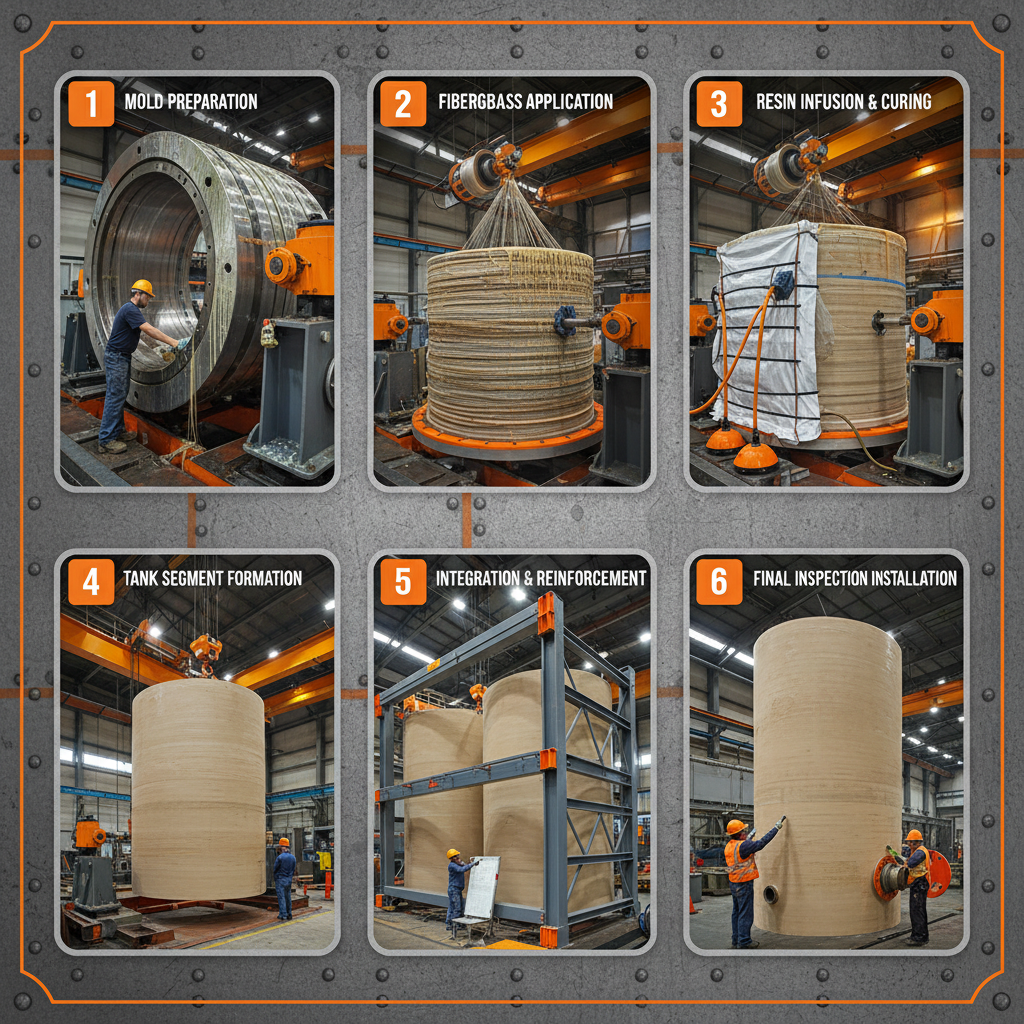
Why Choose Large Fiberglass Tanks?
Fiberglass reinforced plastic (FRP) tanks offer numerous advantages over traditional materials like steel or concrete. Most significantly, fiberglass is highly resistant to corrosion, even when exposed to harsh chemicals and extreme weather conditions. This translates to a longer lifespan and reduced maintenance costs. They are also significantly lighter than steel tanks, reducing transportation and installation expenses. Furthermore, fiberglass tanks can be custom-designed to meet specific volume and dimensional requirements, offering greater flexibility compared to standardized options. Jrain-FRP specializes in tailored fiberglass tank solutions.
Key Benefits: Corrosion resistance, lightweight, customizability, long lifespan, reduced maintenance.
Common Applications of Large Fiberglass Tanks
The versatility of large fiberglass tanks makes them ideal for a wide range of applications across diverse industries. Common uses include: water storage (potable, wastewater, rainwater harvesting), chemical storage (acids, bases, solvents), agricultural applications (fertilizer storage, nutrient mixing), and industrial processes (process water, plating solutions). They are also used in the food and beverage industry for storing ingredients and finished products. The ability to customize the tank’s lining and materials makes it suitable for even highly sensitive applications.
Application Examples:
• Water and Wastewater Treatment
• Chemical Processing Plants
• Agricultural Operations
• Food & Beverage Manufacturing
Large Fiberglass Tanks vs. Other Tank Materials
Choosing the right tank material involves considering various factors. While steel tanks are strong, they are susceptible to corrosion and require regular maintenance. Concrete tanks are durable but heavy and prone to cracking. Polyethylene tanks are cost-effective but lack the structural strength of fiberglass for larger volumes. Fiberglass tanks provide a balanced solution, combining strength, durability, and corrosion resistance at a competitive price point.
Key Considerations When Selecting a Large Fiberglass Tank
Several factors should be considered when choosing a large fiberglass tank. The type of liquid or material being stored is paramount, as different chemicals require specific resin formulations. The tank’s volume and dimensions must also be carefully calculated based on storage needs and available space. Furthermore, consider environmental factors like temperature fluctuations and UV exposure. Finally, ensure the tank meets all relevant industry standards and regulations. Jrain-FRP provides expert guidance in selecting the optimal tank for your specific application.
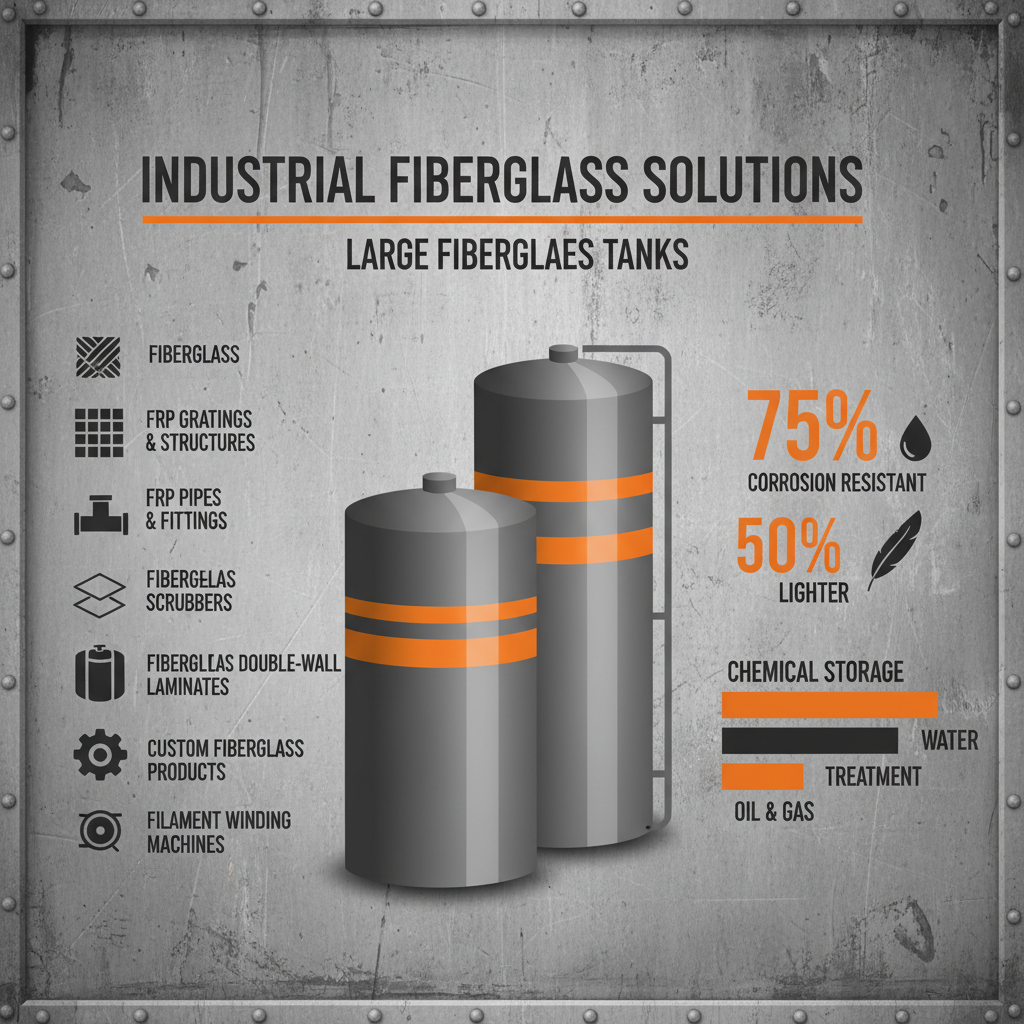
Product Specifications
Below are some general specifications for our large fiberglass tanks. Custom sizes and configurations are available.
Conclusion: A Durable Storage Solution
Investing in large fiberglass tanks offers a long-term, cost-effective solution for storing a wide variety of liquids and materials. Their corrosion resistance, lightweight nature, and customizability make them an ideal choice for numerous industries. Contact Jrain-FRP today to discuss your specific storage needs.
Frequently Asked Questions (FAQs)
What is the typical lifespan of a large fiberglass tank?
With proper installation and maintenance, a large fiberglass tank can easily last 25-50 years or even longer. The longevity depends on the specific application, the chemical compatibility of the tank material, and the environmental conditions. Regular inspections for cracks, leaks, or damage to the tank's surface are crucial for maintaining its integrity. Avoiding abrasive cleaning methods and protecting the tank from physical impacts will also extend its lifespan. Choosing a high-quality tank from a reputable manufacturer, like Jrain-FRP, is essential for ensuring long-term durability.
Are fiberglass tanks suitable for storing potable water?
Yes, fiberglass tanks are widely used for potable water storage. However, it's crucial that the tank is manufactured using a food-grade resin and meets all relevant health and safety standards, such as NSF/ANSI Standard 61. This certification ensures that the tank won't leach any harmful chemicals into the water. Regular cleaning and disinfection are also necessary to maintain water quality. Jrain-FRP offers fiberglass tanks specifically designed and certified for potable water storage.
What maintenance is required for large fiberglass tanks?
Fiberglass tanks require relatively little maintenance compared to other materials. Regular inspections for cracks, leaks, and damage to the gel coat are essential. The exterior should be cleaned periodically to remove dirt and debris. Avoid using abrasive cleaning agents or high-pressure washers, as these can damage the gel coat. For tanks storing certain chemicals, regular testing of the tank material may be recommended to ensure compatibility and prevent degradation. Addressing any issues promptly will help extend the tank's lifespan and prevent costly repairs.



Latest news
-
Industrial High Pressure Fiberglass Pipe Guide and Technical SpecsNewsApr.16,2026
-
Industrial Storage Guide for Fiberglass Chemical TanksNewsApr.09,2026
-
Explore Durable and Customizable Custom Fiberglass Tanks for Your IndustryNewsApr.07,2026
-
Comprehensive Guide to Fiberglass Roof Tanks for Liquid Storage SolutionsNewsApr.04,2026
-
Comprehensive Guide to Durable and Corrosion Resistant Glass Fiber TanksNewsMar.31,2026
-
Comprehensive Guide to Tank Fiberglass Solutions and Their Diverse ApplicationsNewsMar.28,2026