

Durable Fiberglass Shells for Industrial Equipment | JRAIN FRP
Fiberglass Shell: Durable Solutions for Industrial Applications
Having worked in the industrial equipment sector for over a decade, I can tell you fiberglass shells are something I’ve grown to appreciate more than I initially expected. At first, they seemed just another material option. But over the years, watching how they hold up under demanding environments, I’d say their versatility and durability give them a special spot in our toolkit.
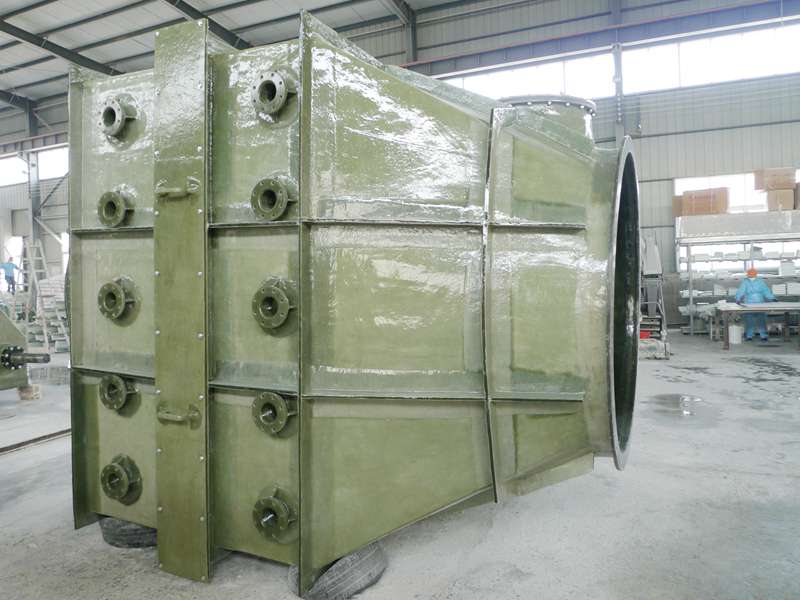
Fiberglass shells are essentially tough, lightweight structures made by layering glass fibers with resin. They’re used in everything from protective housings on pumps to fully customized enclosures for complex machinery. What honestly surprises many newcomers is how customizable these fiberglass shell solutions can be, fitting niches large and small.
In industry jargon, they often go by “FRP shells” (fiber-reinforced polymer), and their advantage lies not just in strength but in resisting corrosion and harsh chemicals—a big deal in sectors like chemical processing or wastewater treatment plants. Many engineers say that once they specify a fiberglass enclosure for a task, the maintenance headaches just disappear or drop noticeably.
Now, about design — these shells aren’t just slapped together. It’s a carefully controlled process involving layering chopped or woven glass fibers impregnated with resin, often polyester or vinyl ester. That mix, once cured properly, yields impressive tensile strength while keeping the piece lightweight. Plus, since fiberglass doesn’t rust like metal, it’s especially suited to wet environments (trust me, I've seen metal shells corrode too quickly in those conditions).
Testing is another aspect I respect. The shells undergo rigorous mechanical stress tests and chemical resistance checks to ensure they hold up under real-life industrial abuse. Oddly enough, some clients have reported fiberglass shells lasting decades with minimal upkeep—a testament to the material and craftsmanship.
A quick look at product specifications:
| Specification | Details |
|---|---|
| Material Composition | E-Glass fibers + Polyester or Vinyl Ester Resin |
| Tensile Strength | ~100 MPa (depends on resin and fiber orientation) |
| Typical Thickness | 5 - 20 mm (customizable) |
| Weight | Approximately 1.5 - 2.5 g/cm³ |
| Corrosion Resistance | Excellent in acidic/alkaline environments |
Customization, frankly, is where fiberglass shells shine. I recall a project where a municipal water plant needed housings that fit unusual machinery shapes, while also withstanding constant exposure to chlorinated water. Off-the-shelf metal options wouldn’t last, so the manufacturer built shells shaped exactly to spec. The operators noted how light they were to maneuver during installation and how well they resisted cracking even after months of sun and chemical exposure.
Vendor Comparison for Fiberglass Shell Providers
| Vendor | Customization | Lead Time | Pricing | Quality Certifications |
|---|---|---|---|---|
| JRAIN FRP | High (custom shapes & sizes) | 4-6 weeks | Competitive | ISO 9001, ASTM standards |
| FiberTech Solutions | Moderate (standard molded parts) | 3-5 weeks | Mid-range | ISO 14001 |
| EcoShell Manufacturing | Low (predefined configurations) | 2-4 weeks | Budget-friendly | No formal certifications |
I often mention fiberglass shell solutions from JRAIN because they strike a good balance between customization and quality. They cover the bases nicely, with certifications you want to see when equipment safety and longevity are non-negotiable. When you’re specifying shells that need to last harsh industrial lifecycles, that kind of reliability matters. It’s not just about price but peace of mind, too.
In real terms, fiberglass shells have become indispensable in heavy industries where metal simply doesn’t cut it anymore — whether due to corrosion or weight. Plus, the ability to tailor shells for precise operational needs lowers installation and upkeep headaches significantly.
All said and done, if you find yourself recommending or specifying enclosures, you might want to add fiberglass shells to your list. They’ve proven themselves quietly but reliably, and oddly enough, once you start using them, it’s hard to go back.
Takeaway: Fiberglass shells offer the sweet spot of durability, customization, and corrosion resistance every industrial operator hopes for.
References
- JRAIN FRP Technical Datasheets, 2023
- ASTM Standards on FRP Materials, 2022
- Industrial Maintenance Journal - “Corrosion Solutions,” 2021
Latest news
-
Industrial High Pressure Fiberglass Pipe Guide and Technical SpecsNewsApr.16,2026
-
Industrial Storage Guide for Fiberglass Chemical TanksNewsApr.09,2026
-
Explore Durable and Customizable Custom Fiberglass Tanks for Your IndustryNewsApr.07,2026
-
Comprehensive Guide to Fiberglass Roof Tanks for Liquid Storage SolutionsNewsApr.04,2026
-
Comprehensive Guide to Durable and Corrosion Resistant Glass Fiber TanksNewsMar.31,2026
-
Comprehensive Guide to Tank Fiberglass Solutions and Their Diverse ApplicationsNewsMar.28,2026