

Exploring the Versatility and Benefits of Fiberglass Grid for Modern Applications
Fiberglass Grid: A Comprehensive Guide to Applications and Benefits
Fiberglass grid, a versatile material renowned for its strength, lightweight nature, and corrosion resistance, is increasingly utilized across diverse industries. From construction reinforcement to chemical plant flooring, its applications are expanding rapidly. This article delves into the core properties of fiberglass grid, its key benefits, common uses, and explores why JRAIN FRP stands as a leading supplier of high-quality fiberglass grid solutions. Understanding these features allows for informed decisions when selecting the optimal material for your project.
What is Fiberglass Grid?
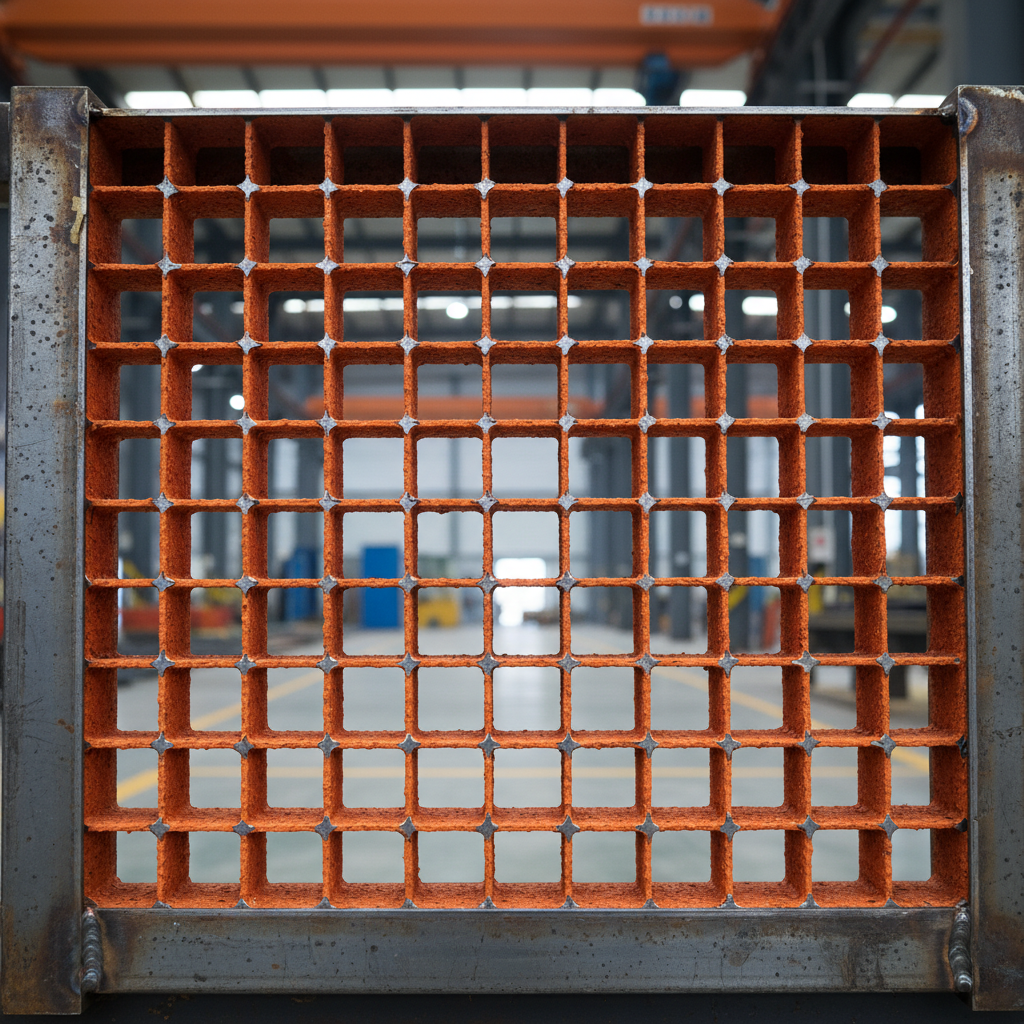
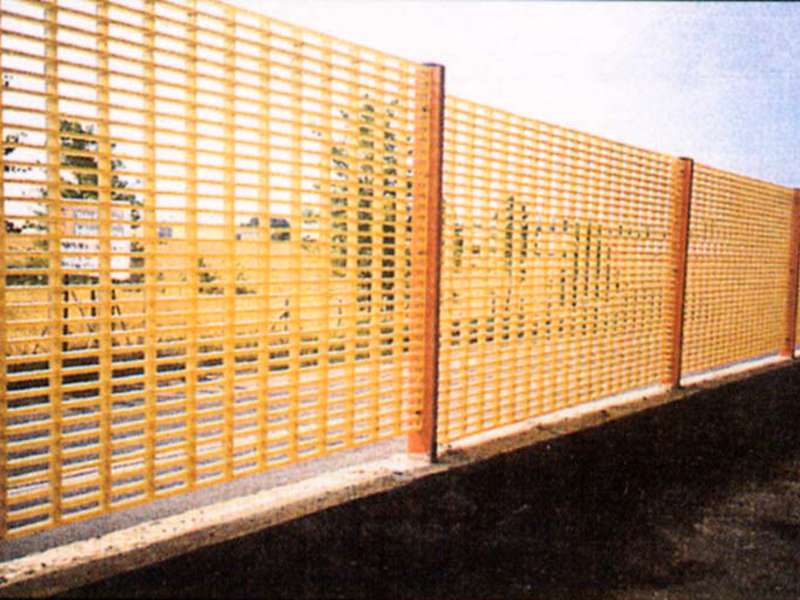
Fiberglass grid is a composite material manufactured by interlacing fiberglass rovings in a grid pattern and bonding them with resin. This construction creates a robust and dimensionally stable structure that provides exceptional strength-to-weight ratio. Unlike traditional materials like steel, fiberglass grid doesn’t corrode, making it ideal for challenging environments. The grid's open structure also allows for excellent light transmission and ventilation, beneficial in certain applications. JRAIN FRP offers a variety of fiberglass grid types to meet diverse project requirements.
Key Highlights: Exceptional strength-to-weight ratio, corrosion resistance, dimensional stability, and versatility in application.
Fiberglass Grid Applications Across Industries
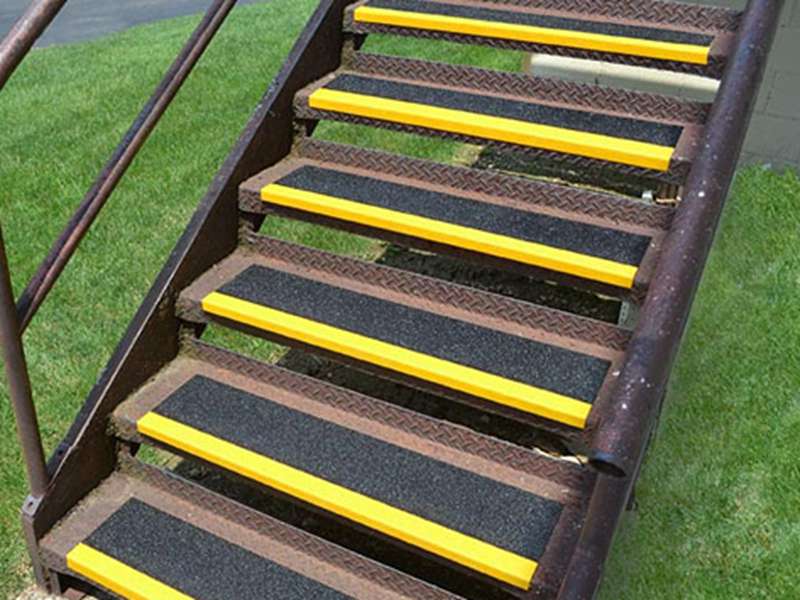
The versatility of fiberglass grid makes it a preferred material across numerous sectors. In the construction industry, it’s used as reinforcement for concrete, reducing cracking and increasing structural integrity. Chemical processing plants utilize fiberglass grid for platforms, walkways, and grating due to its corrosion resistance. Wastewater treatment facilities benefit from its durability in harsh chemical environments. Other applications include secondary containment structures, trench covers, and even in the automotive industry for lightweight components. JRAIN FRP’s fiberglass grid solutions cater to these diverse demands.
Common Applications:
• Concrete Reinforcement
• Walkways & Platforms
• Trench Covers
• Secondary Containment
Fiberglass Grid vs. Steel Grating: A Comparative Analysis
Comparing fiberglass grid to traditional steel grating reveals significant advantages. Steel is susceptible to corrosion, requiring ongoing maintenance and potentially leading to structural failure. Fiberglass grid, being non-corrosive, eliminates these concerns, resulting in lower lifecycle costs. Furthermore, fiberglass is significantly lighter than steel, simplifying installation and reducing support structure requirements. While steel might initially appear more cost-effective, the long-term savings from reduced maintenance and increased lifespan often favor fiberglass grid. JRAIN FRP provides solutions that offer both cost-effectiveness and longevity.
Selecting the Right Fiberglass Grid: Key Considerations
Choosing the appropriate fiberglass grid requires careful consideration of several factors. The load-bearing capacity, mesh size, resin type, and thickness all influence the grid’s performance. Environmental conditions, such as exposure to chemicals or UV radiation, also play a role. It’s crucial to select a grid that meets the specific demands of your application. JRAIN FRP’s team of experts can assist in selecting the optimal fiberglass grid for your project.
JRAIN FRP: Your Trusted Fiberglass Grid Supplier
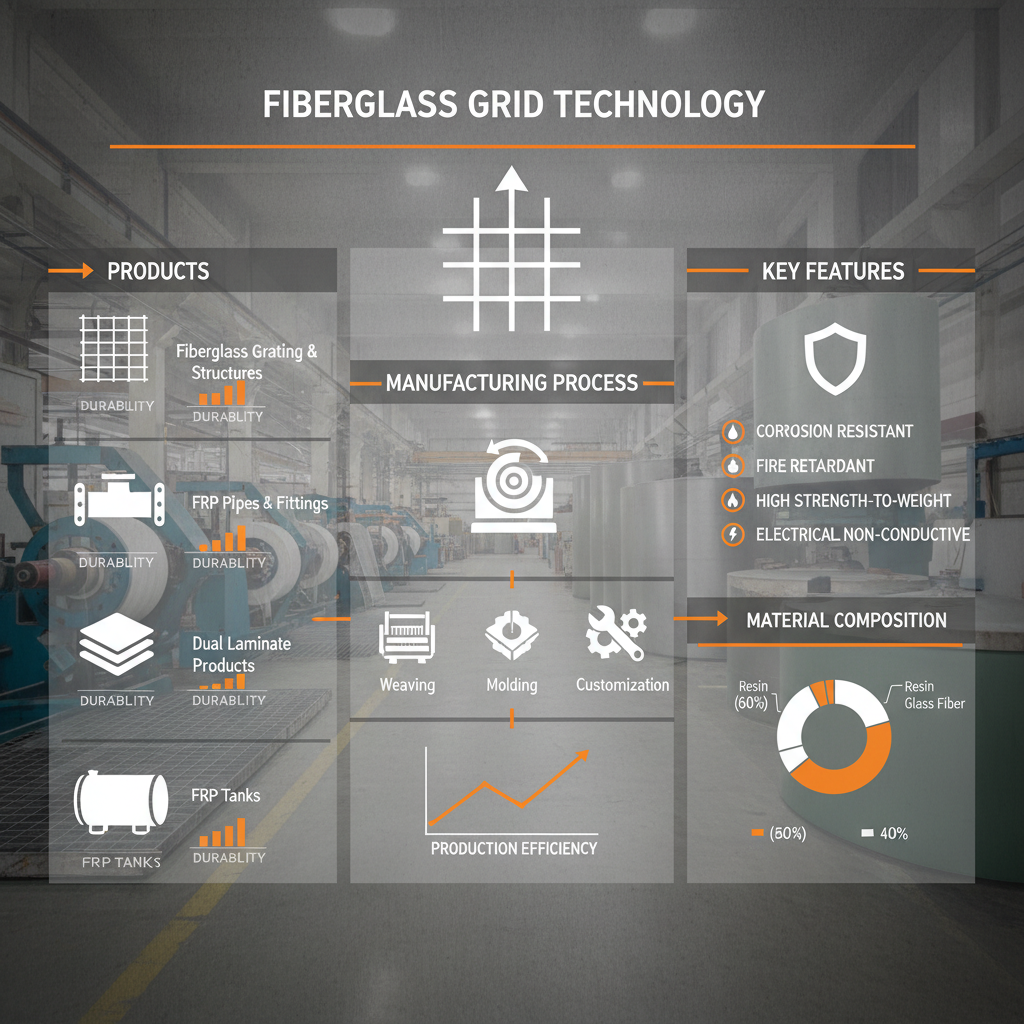
JRAIN FRP is a leading manufacturer and supplier of high-quality fiberglass grid products. We are committed to delivering innovative solutions that meet the evolving needs of our customers. Our extensive product range, coupled with our technical expertise, ensures that we can provide the ideal fiberglass grid solution for any application. We prioritize quality control, ensuring that all our products meet the highest industry standards.
Conclusion: Embracing the Advantages of Fiberglass Grid
Fiberglass grid offers a compelling alternative to traditional materials, delivering superior performance, durability, and cost-effectiveness. By choosing JRAIN FRP as your supplier, you gain access to top-quality products and expert support. Invest in a future built on strength, reliability, and sustainability with fiberglass grid.
Frequently Asked Questions (FAQs)
What is the typical lifespan of fiberglass grid?
The lifespan of fiberglass grid is significantly longer than that of steel, often exceeding 25 years with proper installation and minimal maintenance. Its resistance to corrosion and degradation ensures long-term structural integrity. However, lifespan can be influenced by factors such as UV exposure and chemical environments. Regular inspections can help identify any potential issues and ensure continued performance. JRAIN FRP provides detailed guidelines on fiberglass grid maintenance to maximize its lifespan.
Is fiberglass grid suitable for use in corrosive environments?
Yes, fiberglass grid excels in corrosive environments. Its inherent resistance to a wide range of chemicals, including acids, alkalis, and salts, makes it an ideal choice for applications in chemical processing plants, wastewater treatment facilities, and marine environments. Unlike steel, which requires protective coatings to prevent corrosion, fiberglass grid requires minimal maintenance and provides long-lasting performance.
How does the installation of fiberglass grid compare to steel grating?
Fiberglass grid is significantly lighter than steel grating, making it easier and faster to install. Reduced weight translates to lower installation costs and requires less heavy machinery. Fiberglass grid can be cut and drilled using standard tools, simplifying modifications and adjustments. However, proper handling procedures should be followed to avoid damage during installation. JRAIN FRP offers installation support and guidance to ensure successful project completion.
What safety precautions should be taken when working with fiberglass grid?
While generally safe, it's important to wear appropriate personal protective equipment (PPE) when cutting or drilling fiberglass grid, including safety glasses, gloves, and a dust mask. Fiberglass particles can irritate the skin and respiratory system. Ensure adequate ventilation during cutting and grinding operations. Follow manufacturer's recommendations for handling and disposal of fiberglass waste.
Latest news
-
Industrial High Pressure Fiberglass Pipe Guide and Technical SpecsNewsApr.16,2026
-
Industrial Storage Guide for Fiberglass Chemical TanksNewsApr.09,2026
-
Explore Durable and Customizable Custom Fiberglass Tanks for Your IndustryNewsApr.07,2026
-
Comprehensive Guide to Fiberglass Roof Tanks for Liquid Storage SolutionsNewsApr.04,2026
-
Comprehensive Guide to Durable and Corrosion Resistant Glass Fiber TanksNewsMar.31,2026
-
Comprehensive Guide to Tank Fiberglass Solutions and Their Diverse ApplicationsNewsMar.28,2026