

High-Performance Grp Fan for Industrial Ventilation | Jrain FRP Solutions
Grp Fan is a key solution in the industry, specifically within ventilation and industrial air handling. This article explores how https://www.jrain-frp.com supports professionals with durable, high-performance products, and explains why this product is an ideal choice for businesses in these sectors.
Table of Contents
- Grp Fan Overview
- Benefits & Use Cases of Grp Fan
- Cost, Maintenance & User Experience
- Sustainability & Market Trends
Grp Fan Overview
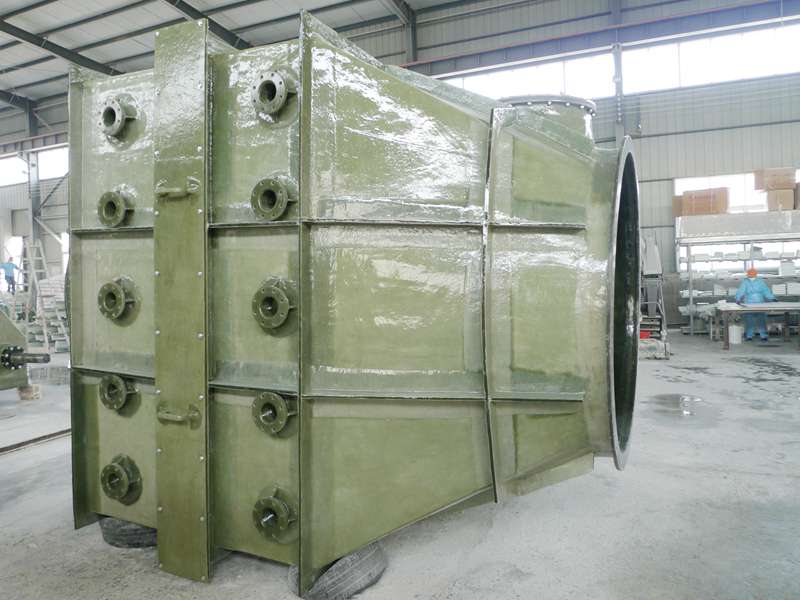
At its core, the Grp Fan is a ventilation fan made from Glass Reinforced Plastic (GRP), also known as fiberglass. It's strange to think that something as seemingly simple as a fan could play such a pivotal role in industrial and commercial ventilation, but this product brings a lot more to the table than just airflow. The use of GRP materials means it's lightweight yet extremely resistant to corrosion, which is a huge plus if you deal with harsh chemical environments or coastal locations.
In real terms, these fans have to handle continuous operation under tough conditions – think factories with caustic fumes or power plants with moisture and heat. The technical specs often include custom blade designs optimized for energy-efficient air movement, and thanks to the non-metallic structure, they minimize downtime caused by rust or metal fatigue. For example, the centrifugal GRP fan variant boasts higher pressure capacities and quieter operation compared to traditional metal fans, which many engineers say is a genuine game changer.
| Specification | Parameters | Units |
|---|---|---|
| Material | Glass Reinforced Plastic (FRP) | – |
| Fan Type | Centrifugal / Axial | – |
| Max Airflow | 10,000 | m³/h |
| Max Static Pressure | 1500 | Pa |
| Operating Temp. Range | -20 to 80 | °C |
| Weight | 50 - 150 | Kg |
Benefits & Use Cases of Grp Fan
Considering the variety of industrial contexts, the Grp Fan really shines in applications where corrosion resistance and weight savings are non-negotiable. I've seen many sectors benefit: chemical plants, wastewater treatment, food processing, and even marine environments. Its adaptability is kind of impressive.
Unlike conventional metallic fans that rust and deteriorate, GRP fans tend to last much longer without regular paint coating or metal treatment. They’re often chosen for exhausting corrosive gases or humid air since fiberglass doesn’t degrade as quickly. Plus, because they’re lighter, installation can be faster and less labor-intensive, which is something anyone managing installation schedules deeply appreciates.
- Non-corrosive and chemical resistant construction
- Energy-efficient blade designs for optimal airflow
- Lightweight, easing transportation and installation
- Customizable sizes and motor options to fit diverse applications
Cost, Maintenance & User Experience
Naturally, when decision makers consider the Grp Fan, cost is part of the equation. Frankly, the upfront price is often a bit higher than standard steel or aluminum fans. But if you look at the total cost of ownership over its lifespan — say, 10 to 15 years — the extra investment pays off. Less corrosion means fewer repairs, reduced downtime, and lower maintenance costs overall.
Repeated customer feedback, especially from industrial clients dealing with harsh environments, shows a real reduction in unplanned outages. One large wastewater plant I came across reported cutting maintenance hours by nearly 40% after switching to GRP fans. Those kinds of results are pretty telling.
| Feature | Jrain FRP | Competitor A | Competitor B |
|---|---|---|---|
| Customization Options | High | Medium | Low |
| Corrosion Resistance | Excellent | Good | Fair |
| Energy Efficiency | High | Medium | Medium |
| Lead Time | 2-3 weeks | 4-6 weeks | 5-7 weeks |
Sustainability & Market Trends
Oddly enough, the push toward sustainability in manufacturing lines up nicely with what GRP fans offer. In an era where environmental regulations are tightening and companies want to reduce their carbon footprint, energy-efficient fans made from recyclable composites find themselves favored. The lightweight nature of GRP reduces transportation emissions, and the material itself is stable and often recyclable or reusable.
Market analysts note steady growth in the FRP fan sector, driven by innovation in composite materials and growing awareness of long-term cost savings. Plus, many industries are under pressure to meet stricter emissions and safety standards; fans that perform reliably under challenging conditions without frequent replacement contribute directly to these goals. As a result, Grp Fans from manufacturers like Jrain FRP are becoming not only a practical choice but a strategic one for B2B stakeholders.
Frequently Asked Questions about Grp Fan
- What is Grp Fan and how does it work?
- A Grp Fan is a ventilation fan made from Glass Reinforced Plastic, designed to move air efficiently while resisting corrosion and wear. It works by using blades, either axial or centrifugal, to push or pull air through ducts or spaces, utilizing the composite material’s durability to withstand harsh environmental factors.
- What are the main benefits of using Grp Fan in industrial applications?
- The key advantages include superior corrosion resistance, longer service life, lighter weight for easier installation, and energy efficiency. This results in lower maintenance costs and less downtime, crucial for continuous industrial operations.
- How does Grp Fan compare to traditional alternatives?
- Compared to metal fans, Grp Fans don’t corrode, require less upkeep, and tend to be quieter. They may have a higher initial cost but deliver better ROI over time through reduced failures and energy savings.
- What industries can benefit most from Grp Fan implementation?
- Industries like chemical processing, wastewater management, power generation, food processing, and marine operations gain the most, especially where corrosive or humid environments are common.
Conclusion on Grp Fan from china
To wrap it up, the Grp Fan presents a compelling mix of durability, efficiency, and cost-effectiveness that aligns well with modern industrial demands. While the upfront costs might be slightly higher than traditional fans, the long-term benefits in reduced maintenance and enhanced performance are significant. For decision makers seeking reliable ventilation solutions engineered for harsh environments, Grp Fan options from trusted suppliers like Jrain FRP are certainly worth considering.
- Recap the value of Grp Fan as a durable and efficient solution
- Visit our website: https://www.jrain-frp.com
Ultimately, choosing the right fan is about understanding what fits your particular environment and needs. Many industry veterans tell me it feels like having the right tool in your workshop makes all the difference – and Jrain FRP’s Grp Fans qualify simply as the right tool.
- Industry standards on ventilation: ASHRAE guidelines, 2023 update.
- Corrosion resistance in composites – Journal of Materials Science, 2022.
- Market report: Global FRP fan demand, Technavio 2023.
Latest news
-
Industrial High Pressure Fiberglass Pipe Guide and Technical SpecsNewsApr.16,2026
-
Industrial Storage Guide for Fiberglass Chemical TanksNewsApr.09,2026
-
Explore Durable and Customizable Custom Fiberglass Tanks for Your IndustryNewsApr.07,2026
-
Comprehensive Guide to Fiberglass Roof Tanks for Liquid Storage SolutionsNewsApr.04,2026
-
Comprehensive Guide to Durable and Corrosion Resistant Glass Fiber TanksNewsMar.31,2026
-
Comprehensive Guide to Tank Fiberglass Solutions and Their Diverse ApplicationsNewsMar.28,2026