




ព័ត៌មាន
-
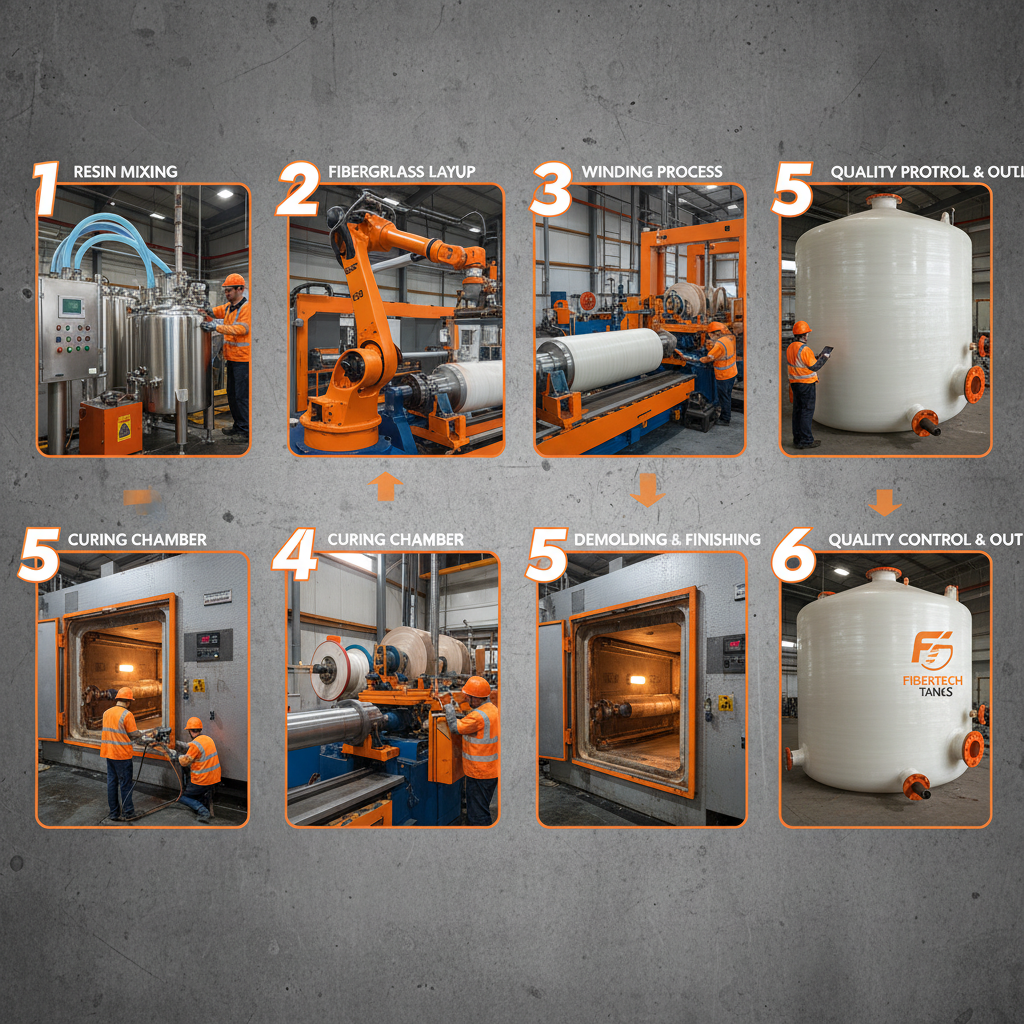 When it comes to reliable and durable water storage solutions, fiberglass water storage tanks are increasingly becoming the preferred choice for a wide range of applications. Their superior strength, corrosion resistance, and cost-effectiveness make them an ideal alternative to traditional materials like steel and concrete. This article will explore the benefits, applications, and considerations when choosing a fiberglass water storage tank from Jrain FRP, providing you with the information you need to make an informed decision. Investing in the right water storage tank is crucial for ensuring a consistent and safe water supply for your needs. Fiberglass water storage tanks are constructed from fiberglass reinforced plastic (FRP), a composite material comprised of glass fibers embedded in a resin matrix. This construction creates a tank that is lightweight yet incredibly strong, capable of withstanding significant pressure and impact. The smooth, non-porous surface of fiberglass also prevents bacterial growth and contamination, ensuring the water remains clean and safe for its intended use.អានបន្ថែម
 -
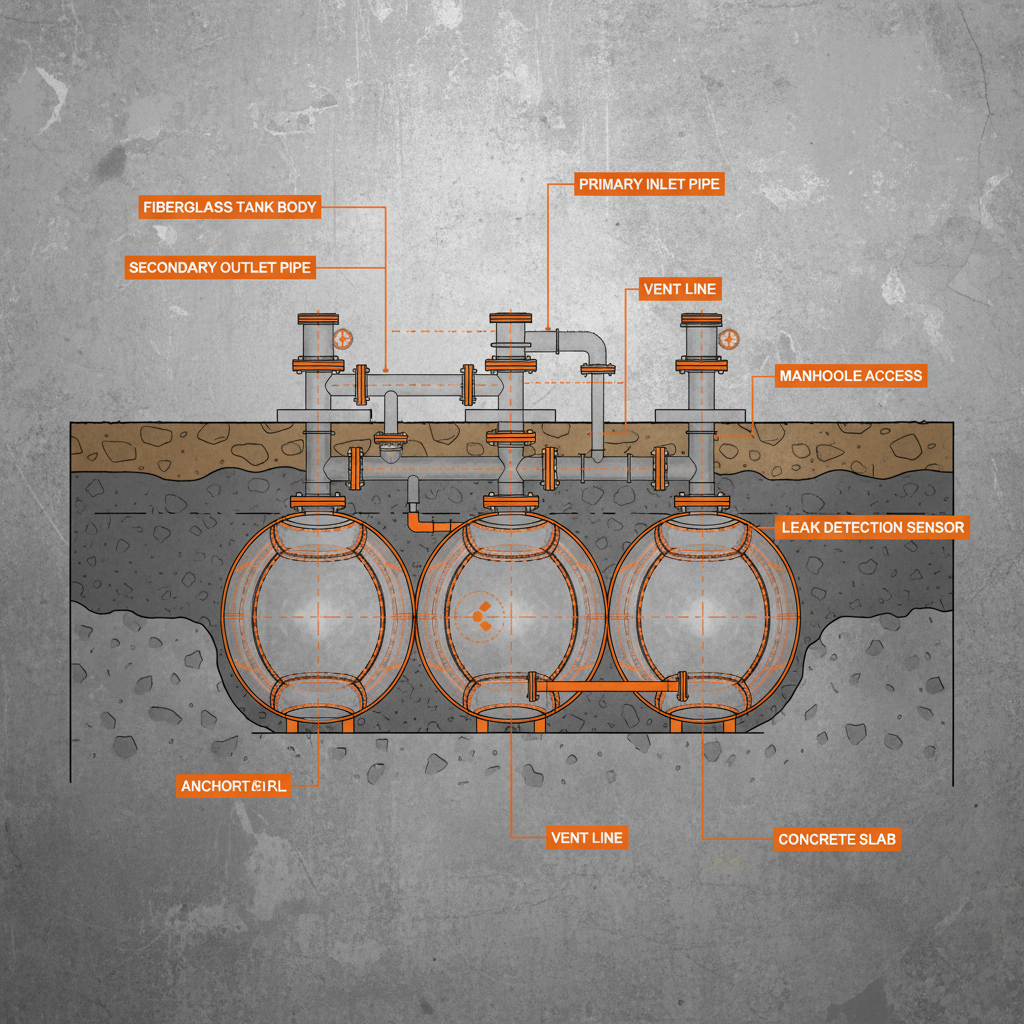 Underground fiberglass tanks are a crucial component in various industries, providing safe and reliable storage solutions for liquids and gases. From fuel storage at gas stations to wastewater management and chemical containment, these tanks offer a durable and corrosion-resistant alternative to traditional steel tanks. This article will explore the benefits, applications, installation, and maintenance of underground fiberglass tanks, helping you understand why they are becoming the industry standard. Proper selection and maintenance are essential to ensuring long-term performance and environmental protection. Compared to steel or concrete tanks, fiberglass offers significant advantages. Most notably, fiberglass is inherently corrosion-resistant, eliminating the need for expensive coatings and cathodic protection. This translates to a longer lifespan and reduced maintenance costs. Fiberglass is also lighter than steel, simplifying installation and reducing transportation expenses.អានបន្ថែម
 -
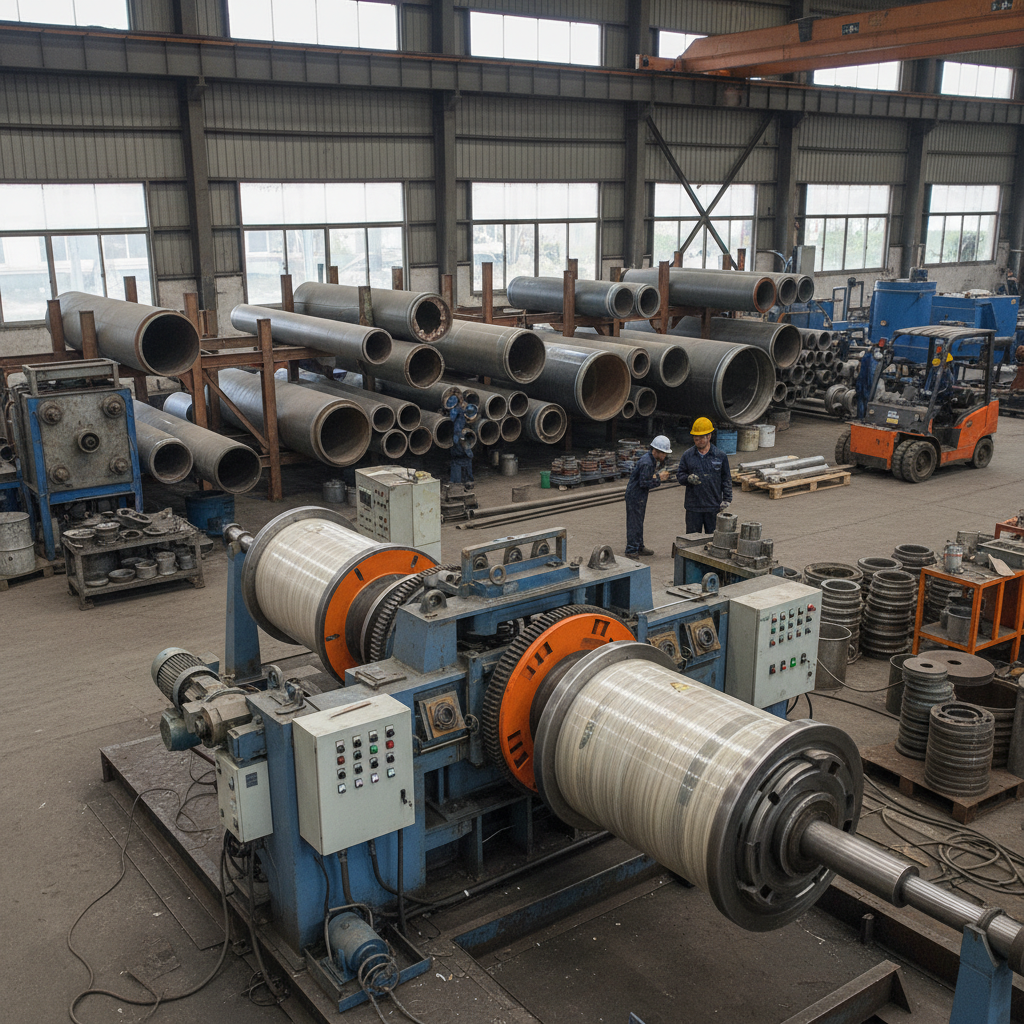 Fiberglass reinforced pipe (FRP) is a versatile and increasingly popular material for a wide range of applications, from municipal water systems to chemical processing plants. Known for its strength, durability, and corrosion resistance, FRP offers significant advantages over traditional piping materials like steel or concrete. This article will delve into the benefits, applications, manufacturing processes, and considerations for utilizing fiberglass reinforced pipe, providing a comprehensive overview for engineers, project managers, and anyone considering this innovative material. FRP's lightweight nature and ease of installation also contribute to significant cost savings. FRP offers a compelling array of benefits compared to traditional piping solutions. Perhaps the most significant is its exceptional corrosion resistance. Unlike steel, FRP won't rust or corrode, even in highly corrosive environments, significantly extending its lifespan and reducing maintenance costs. It’s also remarkably lightweight, making it easier and faster to install, reducing labor costs and project timelines.អានបន្ថែម
 -
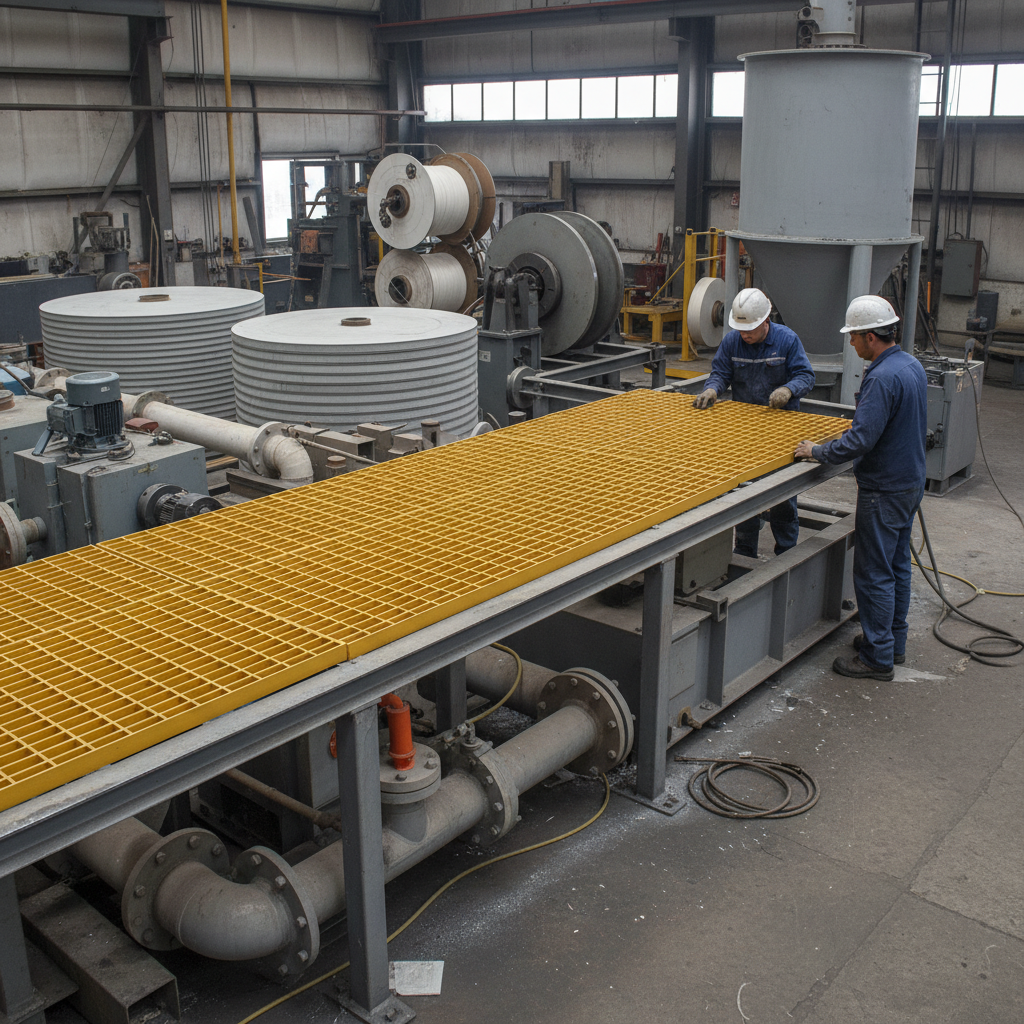 Molded fiberglass grating offers a robust and versatile solution for a variety of industrial and commercial applications. Combining strength, durability, and corrosion resistance, it's become a preferred alternative to traditional materials like steel and aluminum. This article delves into the benefits, applications, specifications, and key considerations when choosing molded fiberglass grating, providing a thorough overview for engineers, contractors, and facility managers. Investing in the right grating material can dramatically reduce maintenance costs and enhance workplace safety. The advantages of utilizing molded fiberglass grating are numerous. Firstly, it is significantly lighter than steel, simplifying installation and reducing support structure requirements. Secondly, it offers exceptional corrosion resistance, even in harsh chemical environments, making it ideal for applications in wastewater treatment plants, chemical processing facilities, and marine environments.អានបន្ថែម
 -
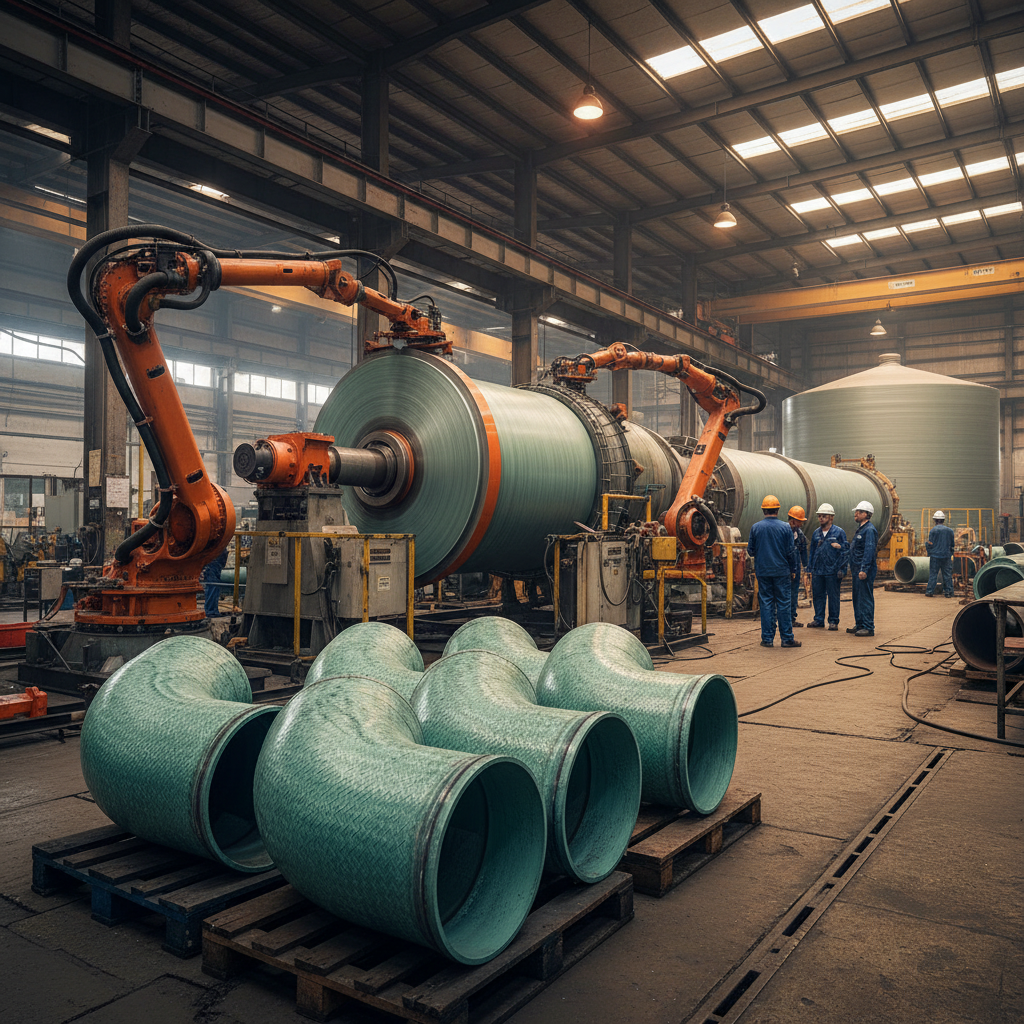 Fiberglass pipe fittings are rapidly becoming the material of choice across a wide spectrum of industries, from chemical processing and wastewater treatment to oil & gas and infrastructure. Renowned for their exceptional corrosion resistance, lightweight nature, and cost-effectiveness, these fittings offer significant advantages over traditional materials like steel and ductile iron. This article provides a detailed overview of fiberglass pipe fittings, exploring their benefits, applications, types, and installation considerations. Understanding the unique properties of these fittings can empower you to make informed decisions for your projects. JRain-FRP specializes in high-quality fiberglass pipe fitting solutions. The appeal of fiberglass pipe fittings lies in their impressive array of benefits. Firstly, they exhibit superior corrosion resistance, crucial in handling corrosive fluids and harsh environments. Unlike metal pipes, fiberglass doesn't rust or corrode, leading to longer service life and reduced maintenance costs. Secondly, fiberglass is significantly lighter than steel, simplifying installation and reducing transportation expenses.អានបន្ថែម
 -
 When selecting flooring and structural support for demanding environments, pultruded fiberglass grating stands out as a superior solution. Renowned for its exceptional strength, corrosion resistance, and lightweight nature, it's an ideal choice across numerous industries. This article provides a detailed overview of pultruded fiberglass grating, its benefits, applications, and how to select the right grating for your specific needs. Understanding the features and advantages of this material can lead to safer, more durable, and cost-effective infrastructure. Pultruded fiberglass grating is a composite material created by pulling glass fibers through a resin bath and then forming them into a grid pattern. This "pultrusion" process results in a product with exceptional strength-to-weight ratio and consistent structural properties. Unlike traditional materials like steel, fiberglass grating doesn’t corrode, making it exceptionally durable in harsh environments. The resulting grating is incredibly strong in multiple directions, making it suitable for load-bearing applications.អានបន្ថែម
 -
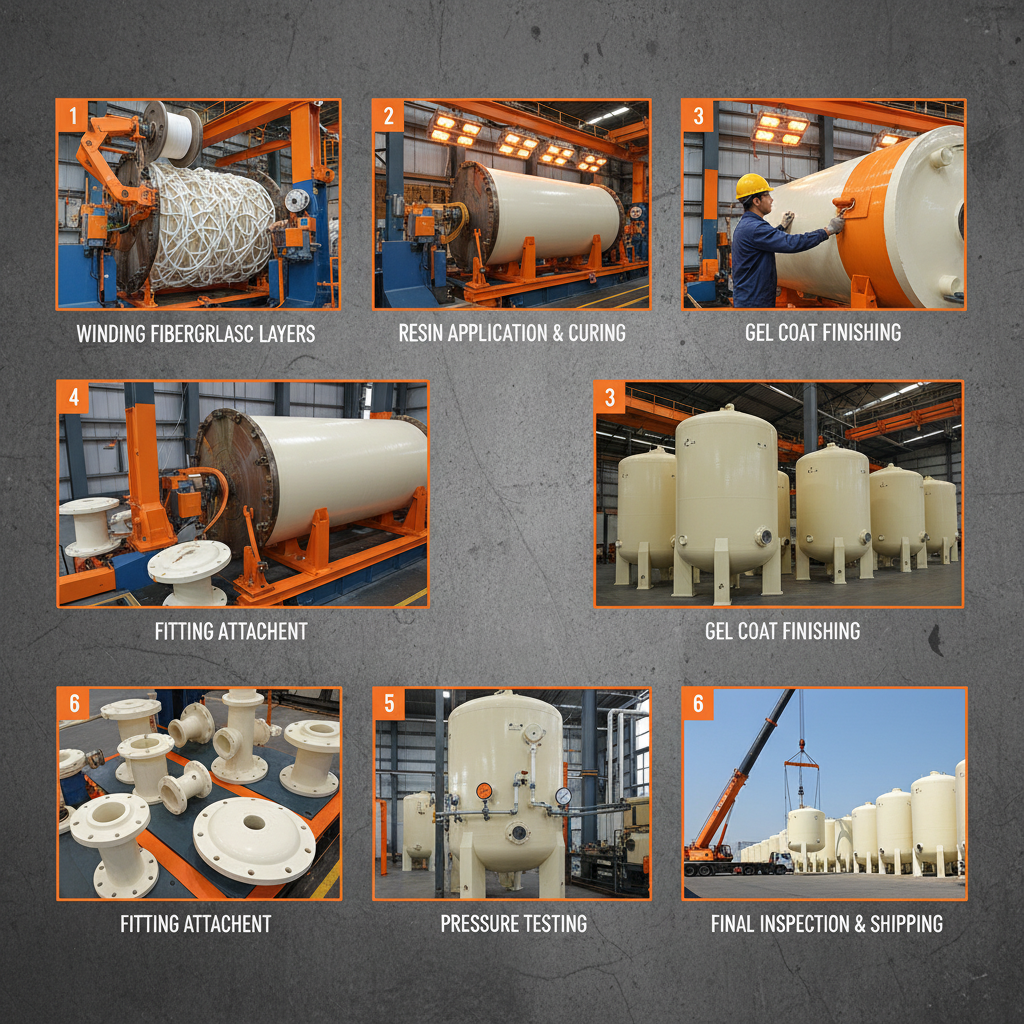 Fiberglass storage tanks are a reliable and cost-effective solution for a wide range of liquid and chemical storage needs. Offering corrosion resistance, durability, and design flexibility, they've become a staple across industries like agriculture, water treatment, and chemical processing. This article provides a detailed overview of fiberglass storage tanks, exploring their benefits, applications, construction, and factors to consider when choosing the right tank for your specific needs. Understanding these details is crucial for maximizing efficiency and safety. Compared to traditional materials like steel or concrete, fiberglass offers significant advantages. First and foremost is its exceptional corrosion resistance. Unlike steel, fiberglass doesn't rust or corrode, even when exposed to harsh chemicals or saltwater. This translates to a longer lifespan and reduced maintenance costs.អានបន្ថែម
 -
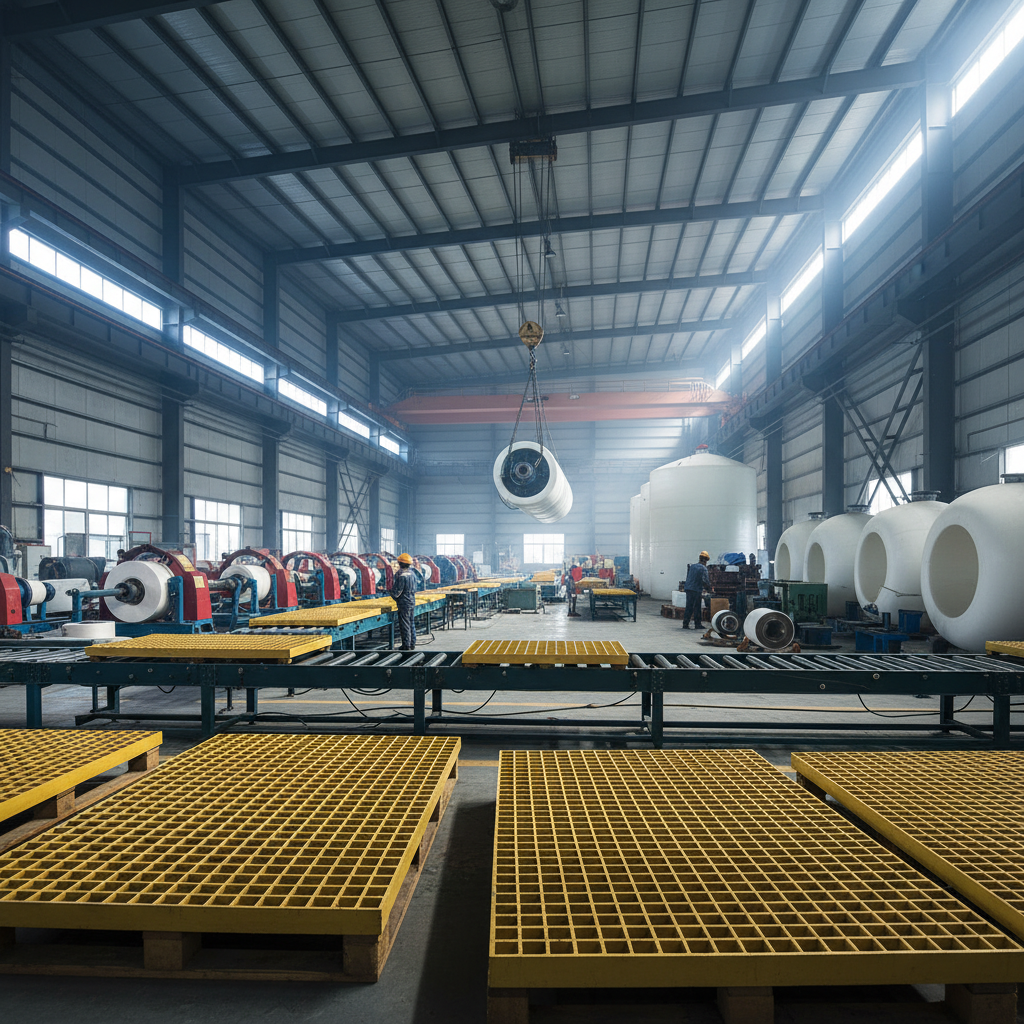 Fiberglass floor grating is a versatile and durable material used extensively in various industrial, commercial, and infrastructure applications. Known for its exceptional strength-to-weight ratio, corrosion resistance, and safety features, it’s a superior alternative to traditional materials like steel in many scenarios. This article provides an in-depth exploration of fiberglass floor grating, covering its benefits, applications, types, installation, and maintenance. Understanding the properties of fiberglass floor grating is crucial for making informed decisions for your project. Fiberglass floor grating offers a multitude of advantages over traditional materials. Firstly, it's incredibly lightweight, making installation easier and reducing structural support requirements. Secondly, it’s highly resistant to corrosion from harsh chemicals, saltwater, and weathering, significantly extending its lifespan. Furthermore, it's non-conductive, providing electrical safety in potentially hazardous environments.អានបន្ថែម
 -
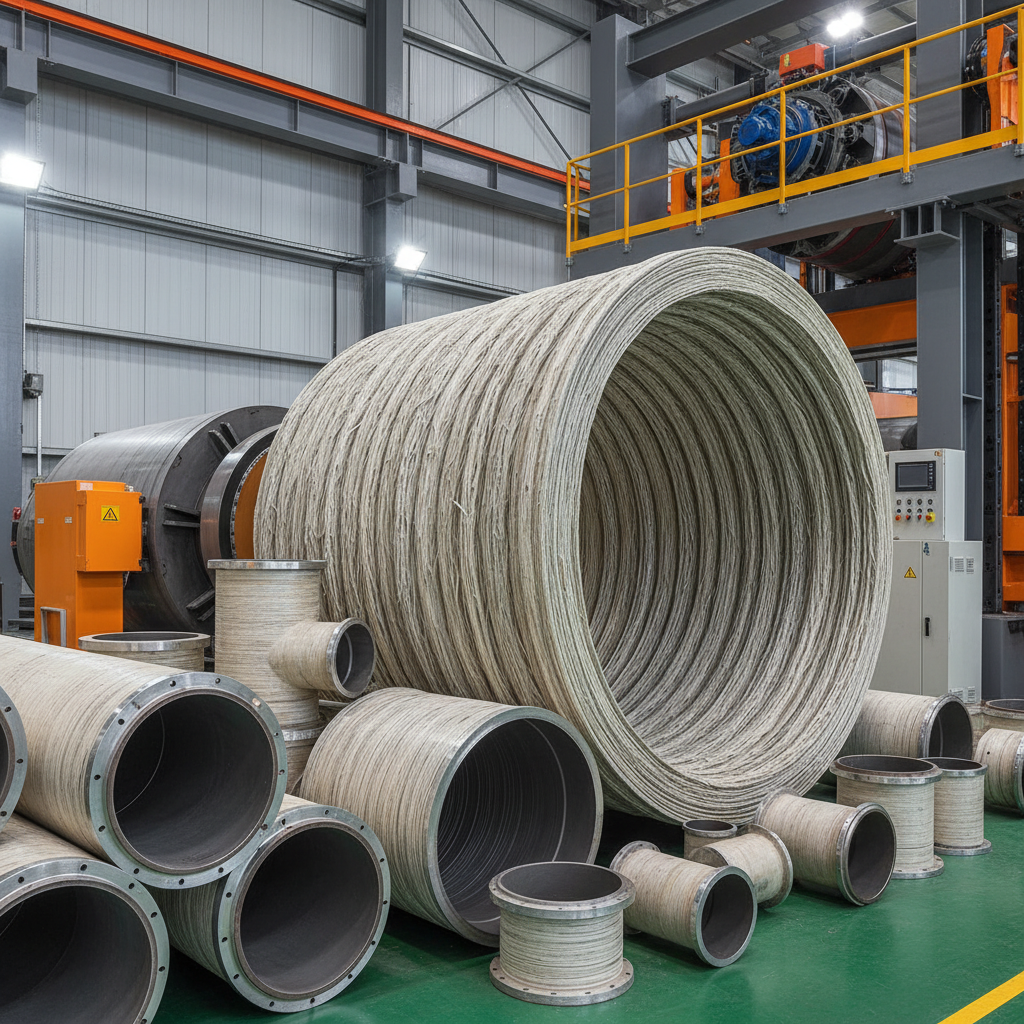 When considering material options for pipelines, fiberglass pipe stands out as a robust and versatile solution. It’s increasingly favored across numerous industries due to its superior strength-to-weight ratio, corrosion resistance, and cost-effectiveness. This article will delve into the benefits, applications, and considerations when purchasing fiberglass pipe, offering a detailed guide for businesses and individuals alike. Understanding the unique properties of fiberglass piping is crucial for making an informed decision that ensures long-term performance and reliability. Fiberglass pipe, formally known as Fiber Reinforced Polymer (FRP) pipe, is created by combining glass fibers with a resin matrix – typically polyester, vinyl ester, or epoxy. This composition provides exceptional strength and resistance to a wide range of corrosive substances. The manufacturing process generally involves filament winding, where continuous strands of glass fibers are wrapped around a mandrel and saturated with resin. This process creates a pipe with uniform strength and durability.អានបន្ថែម
 -
Fiberglass fuel tanks are rapidly becoming the preferred choice for fuel storage across various industries due to their durability, safety, and cost-effectiveness. From agricultural operations to commercial fueling stations, understanding the benefits of fiberglass fuel tanks is crucial for making informed decisions. This article delves into the advantages, applications, specifications, and considerations when choosing a fiberglass fuel tank, providing a thorough overview for businesses and individuals alike. We'll explore why these tanks are often superior to traditional steel alternatives. Fiberglass fuel tanks are constructed from a composite material consisting of fiberglass reinforced plastic. This construction provides exceptional strength and resistance to corrosion, making them ideal for storing gasoline, diesel, biofuels, and other fuels. Unlike steel tanks, fiberglass doesn't rust or corrode, eliminating the risk of fuel contamination and costly repairs. They are also lighter in weight than steel tanks, simplifying installation and transportation.អានបន្ថែម
-
Fiberglass oil tanks are becoming increasingly popular for storing heating oil, diesel fuel, and other liquids due to their durability, corrosion resistance, and environmental benefits. Choosing the right tank is crucial for safe and reliable fuel storage. This article will explore the advantages of fiberglass oil tanks, discuss key features to consider, and compare them to traditional steel tanks. Understanding your options will help you make an informed decision. Fiberglass oil tanks offer a compelling alternative to steel tanks. Their primary advantage lies in their resistance to corrosion. Unlike steel, fiberglass doesn’t rust, even when exposed to moisture or harsh weather conditions. This extends the tank’s lifespan significantly and reduces the risk of leaks and environmental contamination. Furthermore, fiberglass is a lightweight material, making installation easier and reducing transportation costs.អានបន្ថែម
-
Fiberglass water tanks are increasingly becoming the preferred choice for water storage across various industries. Their lightweight nature, durability, and corrosion resistance offer significant advantages over traditional materials like steel or concrete. This article provides a detailed overview of fiber water tanks, exploring their applications, benefits, construction, and important considerations when making a purchase. Choosing the right water storage solution is critical for ensuring water quality and long-term reliability. Understanding the nuances of fiberglass tanks can empower you to make an informed decision. Fiber water tanks, also known as FRP (Fiber Reinforced Polymer) tanks, are constructed using layers of fiberglass reinforced with resin. This combination creates a robust and lightweight structure capable of storing a wide range of liquids, including potable water, wastewater, chemicals, and rainwater. The manufacturing process involves winding or molding the fiberglass layers around a core, resulting in a seamless, leak-proof tank.អានបន្ថែម