

Comprehensive Guide to Fiberglass Pipe Fittings and Their Industrial Applications
Fiberglass Pipe Fittings: A Comprehensive Guide
Fiberglass pipe fittings are rapidly becoming the material of choice across a wide spectrum of industries, from chemical processing and wastewater treatment to oil & gas and infrastructure. Renowned for their exceptional corrosion resistance, lightweight nature, and cost-effectiveness, these fittings offer significant advantages over traditional materials like steel and ductile iron. This article provides a detailed overview of fiberglass pipe fittings, exploring their benefits, applications, types, and installation considerations. Understanding the unique properties of these fittings can empower you to make informed decisions for your projects. JRain-FRP specializes in high-quality fiberglass pipe fitting solutions.
Key Benefits of Fiberglass Pipe Fittings
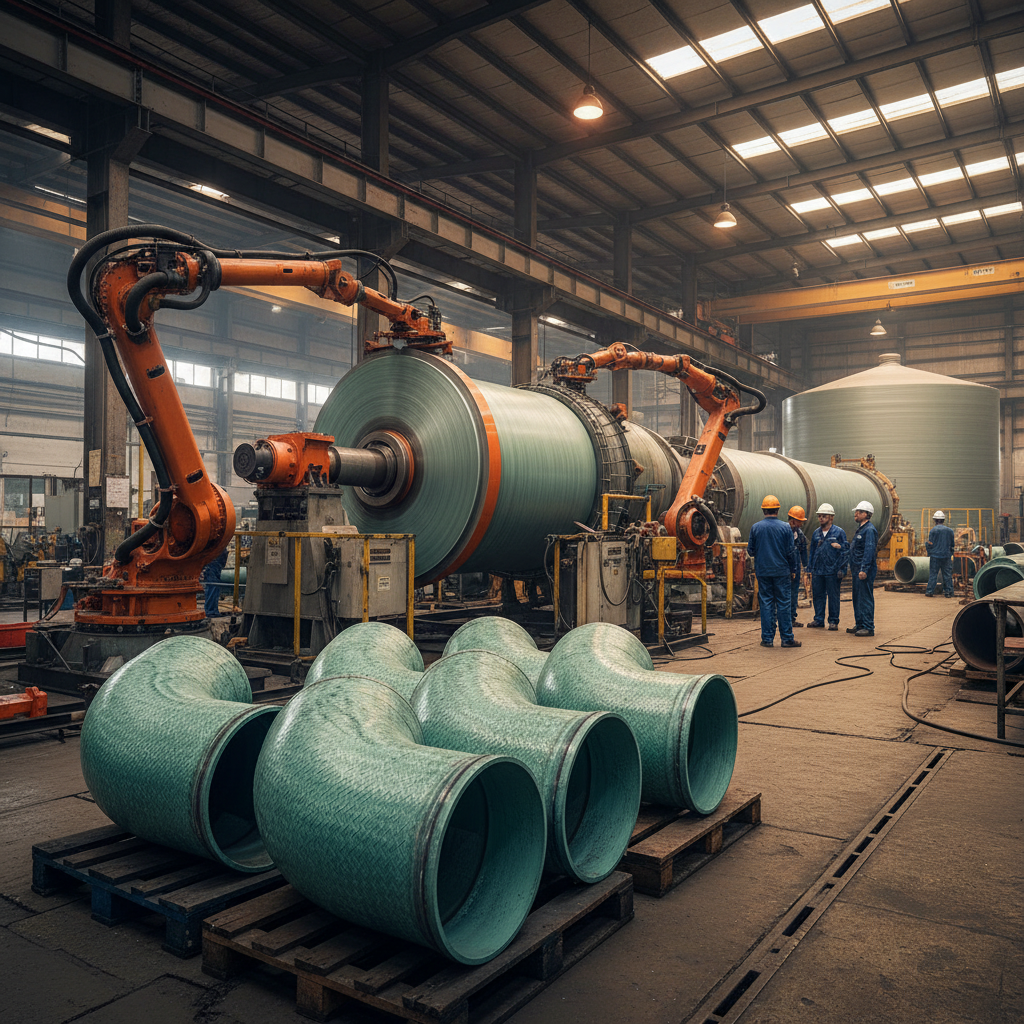
The appeal of fiberglass pipe fittings lies in their impressive array of benefits. Firstly, they exhibit superior corrosion resistance, crucial in handling corrosive fluids and harsh environments. Unlike metal pipes, fiberglass doesn't rust or corrode, leading to longer service life and reduced maintenance costs. Secondly, fiberglass is significantly lighter than steel, simplifying installation and reducing transportation expenses. Thirdly, its high strength-to-weight ratio ensures durability and reliability. Furthermore, the smooth inner surface minimizes friction loss, optimizing flow rates. Finally, fiberglass pipe fittings are electrically non-conductive, enhancing safety in various applications. JRain-FRP offers a wide selection of these durable and reliable fittings.
Key Highlights: Superior corrosion resistance, lightweight construction, high strength-to-weight ratio, smooth inner surface for reduced friction, and electrical non-conductivity.
Applications of Fiberglass Pipe Fittings
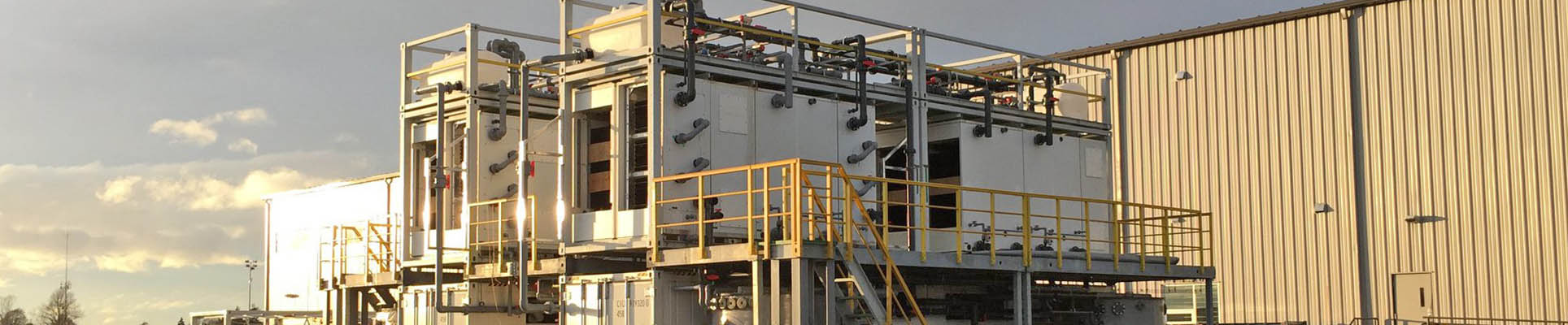
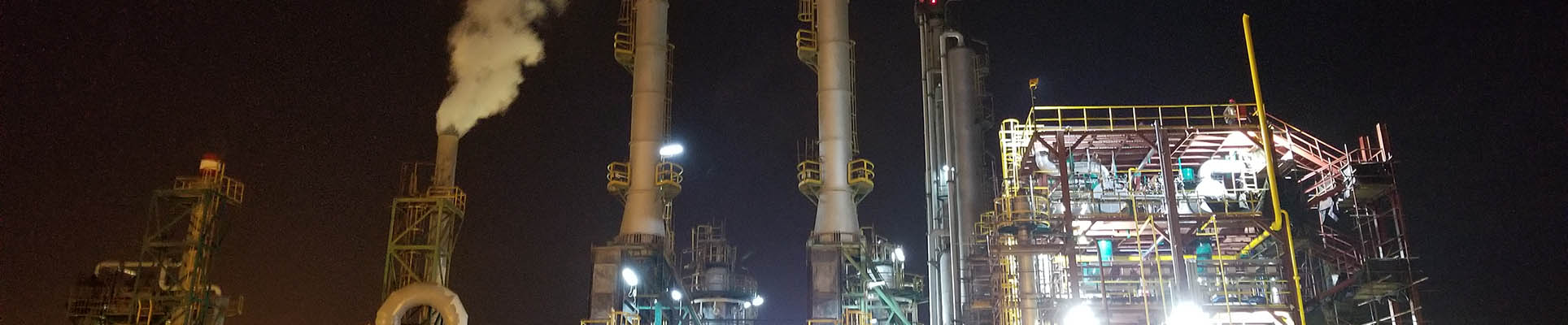
The versatility of fiberglass pipe fittings makes them ideal for a broad range of applications. In the chemical processing industry, they handle aggressive chemicals without degradation. Wastewater treatment plants utilize them for their resistance to corrosive effluents. The oil and gas sector employs them in pipelines and storage tanks. Infrastructure projects benefit from their longevity and minimal maintenance. Furthermore, they are frequently used in water distribution systems, cooling towers, and marine applications. Their adaptability makes them a superior choice for challenging environments. JRain-FRP provides tailored solutions for diverse industrial needs.
Common Applications:
• Chemical Processing
• Wastewater Treatment
• Oil & Gas
• Water Distribution
• Infrastructure Projects
Types of Fiberglass Pipe Fittings
Fiberglass pipe fittings come in various types to accommodate different connection requirements. Common types include flanges, elbows, tees, reducers, couplings, and caps. Flanges provide a strong, bolted connection, ideal for applications requiring frequent disassembly. Elbows facilitate changes in direction. Tees allow for branching of pipelines. Reducers transition between different pipe diameters. Couplings join pipe sections together. Caps seal the end of a pipe. The specific type of fitting chosen depends on the system design and operational needs. JRain-FRP offers a complete range of these fitting types to meet your project specifications.
Installation Considerations for Fiberglass Pipe Fittings
Proper installation is crucial for ensuring the long-term performance of fiberglass pipe fittings. Always follow the manufacturer’s instructions and relevant industry standards. Use appropriate tools and techniques to avoid damaging the fittings. Ensure the pipe ends are clean and free from debris before joining. Use compatible adhesives or sealants designed for fiberglass. Avoid over-tightening bolts on flanged connections. Regular inspections and maintenance are recommended to identify and address any potential issues. JRain-FRP provides detailed installation guides and support to ensure successful project completion.
Fiberglass vs. Traditional Materials: A Comparative Overview
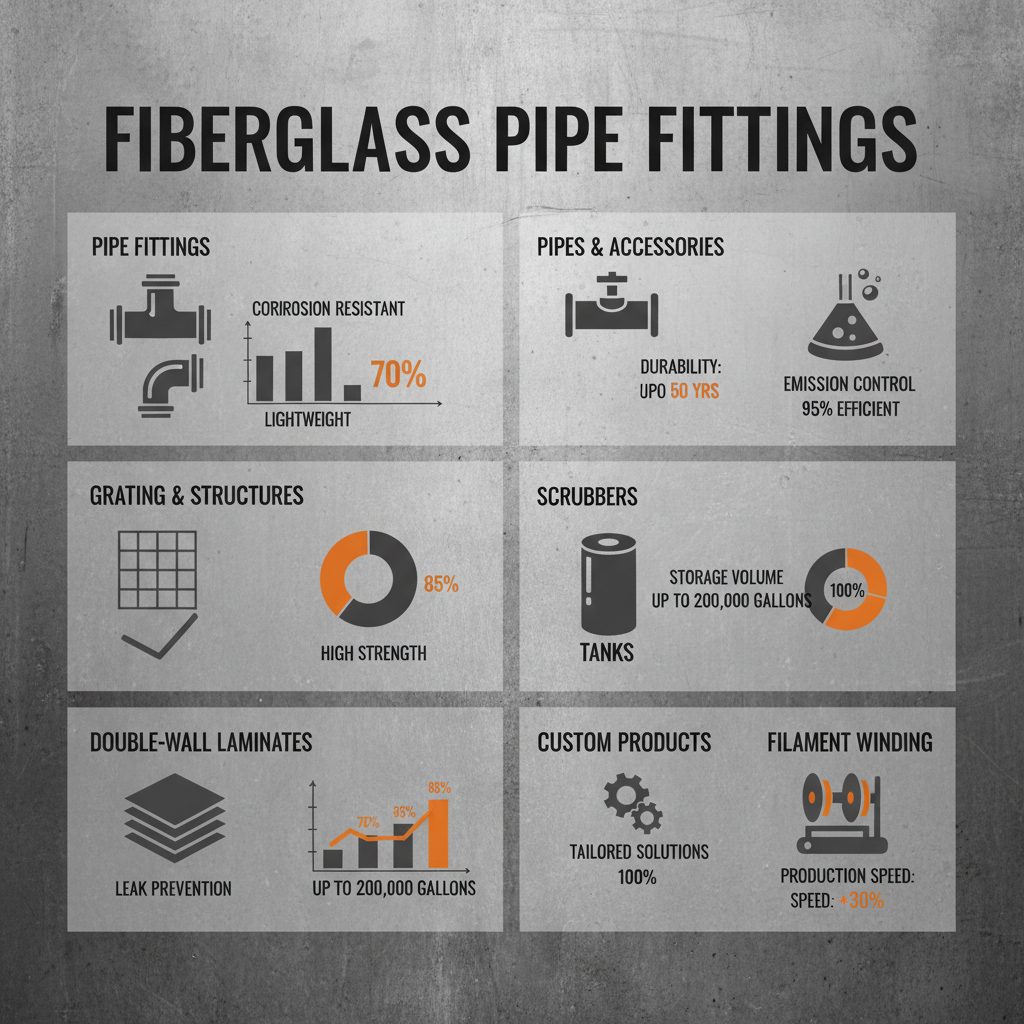
Compared to traditional materials like steel and ductile iron, fiberglass pipe fittings offer distinct advantages. Steel is susceptible to corrosion, requiring costly maintenance and replacements. Ductile iron, while corrosion-resistant, is significantly heavier and more expensive than fiberglass. Fiberglass provides a superior balance of cost, performance, and longevity. The table below provides a more detailed comparison.
Conclusion: The Future is Fiberglass
Fiberglass pipe fittings represent a smart investment for a wide array of applications. Their durability, corrosion resistance, and cost-effectiveness make them a superior choice over traditional materials. JRain-FRP is committed to providing high-quality fiberglass solutions tailored to your specific needs. Embrace the future of piping with fiberglass!
Frequently Asked Questions (FAQs)
What is the typical service life of fiberglass pipe fittings?
Fiberglass pipe fittings boast an exceptionally long service life, often exceeding 50 years, depending on the application and environmental conditions. Their resistance to corrosion and degradation contributes to this longevity. Regular inspections are recommended to identify any potential issues, but generally, these fittings require minimal maintenance. Proper installation and adherence to manufacturer's guidelines are crucial for maximizing their lifespan. JRain-FRP provides high-quality materials designed for long-term performance.
Are fiberglass pipe fittings suitable for high-pressure applications?
Yes, fiberglass pipe fittings can be engineered to withstand high-pressure applications. The pressure rating depends on the diameter of the pipe, the wall thickness, and the resin system used in the manufacturing process. It’s crucial to select fittings specifically designed for the intended pressure requirements. JRain-FRP offers fiberglass fittings with various pressure ratings to meet diverse industrial demands. Always consult with a qualified engineer to determine the appropriate fittings for your specific application.
What adhesives are compatible with fiberglass pipe fittings?
It's essential to use adhesives specifically designed for bonding fiberglass materials. Common compatible adhesives include epoxy resins, polyester resins, and vinyl ester resins. The choice of adhesive depends on the specific application and the resin system used in the fitting. Ensure the adhesive is compatible with the fluid being conveyed through the pipe. JRain-FRP can provide recommendations on suitable adhesives for our fittings.
Latest news
-
Industrial High Pressure Fiberglass Pipe Guide and Technical SpecsNewsApr.16,2026
-
Industrial Storage Guide for Fiberglass Chemical TanksNewsApr.09,2026
-
Explore Durable and Customizable Custom Fiberglass Tanks for Your IndustryNewsApr.07,2026
-
Comprehensive Guide to Fiberglass Roof Tanks for Liquid Storage SolutionsNewsApr.04,2026
-
Comprehensive Guide to Durable and Corrosion Resistant Glass Fiber TanksNewsMar.31,2026
-
Comprehensive Guide to Tank Fiberglass Solutions and Their Diverse ApplicationsNewsMar.28,2026