

Comprehensive Guide to Fiberglass Pipe for Sale and Industrial Applications
Fiberglass Pipe for Sale: A Comprehensive Guide
When considering material options for pipelines, fiberglass pipe stands out as a robust and versatile solution. It’s increasingly favored across numerous industries due to its superior strength-to-weight ratio, corrosion resistance, and cost-effectiveness. This article will delve into the benefits, applications, and considerations when purchasing fiberglass pipe, offering a detailed guide for businesses and individuals alike. Understanding the unique properties of fiberglass piping is crucial for making an informed decision that ensures long-term performance and reliability.
Understanding Fiberglass Pipe Composition and Manufacturing
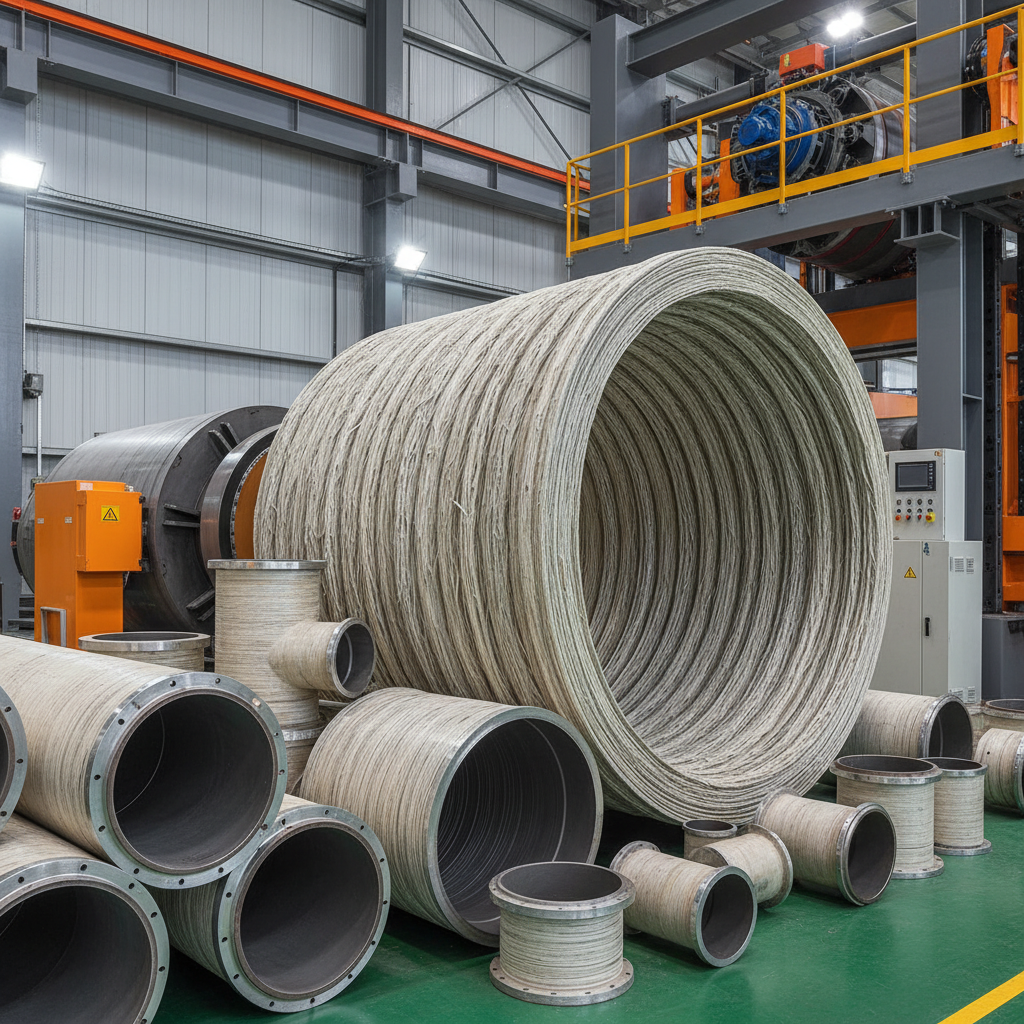
Fiberglass pipe, formally known as Fiber Reinforced Polymer (FRP) pipe, is created by combining glass fibers with a resin matrix – typically polyester, vinyl ester, or epoxy. This composition provides exceptional strength and resistance to a wide range of corrosive substances. The manufacturing process generally involves filament winding, where continuous strands of glass fibers are wrapped around a mandrel and saturated with resin. This process creates a pipe with uniform strength and durability. Different manufacturing techniques can affect the pipe's properties, such as wall thickness and fiber orientation. Choosing the right manufacturing process is crucial for specific application requirements.
Key Advantages of Fiberglass Pipe
Fiberglass pipe boasts several advantages over traditional materials like steel, concrete, and PVC. Its lightweight nature simplifies installation and reduces transportation costs. More importantly, fiberglass is highly resistant to corrosion, even in harsh chemical environments, minimizing maintenance and extending its lifespan. Furthermore, fiberglass pipe offers excellent structural strength, capable of withstanding high pressures and temperatures. This makes it an ideal choice for demanding applications. Compared to traditional materials, the total cost of ownership can be significantly lower due to reduced maintenance and replacement frequency.
Key Highlights: Fiberglass pipe's corrosion resistance, lightweight construction, and high strength make it a cost-effective and long-lasting solution for various piping needs.
Fiberglass Pipe for Sale: Applications Across Industries
The versatility of fiberglass pipe makes it suitable for a broad spectrum of applications. In the chemical processing industry, its corrosion resistance is paramount for safely conveying aggressive chemicals. Municipalities utilize fiberglass pipe for sewer lines, water distribution, and drainage systems. Agricultural applications benefit from its resistance to fertilizers and pesticides. Additionally, fiberglass pipe is employed in power generation, oil and gas, and wastewater treatment. Its adaptability ensures optimal performance in diverse operational environments. The demand for fiberglass pipe for sale is steadily increasing as industries seek durable and reliable piping solutions.
Application Benefits:
• Chemical Processing: Resistance to corrosive substances.
• Municipalities: Long-lasting water and sewer lines.
• Agriculture: Withstands fertilizers and pesticides.
• Oil & Gas: Reliable conveyance of various fluids.
Fiberglass vs. Other Piping Materials: A Comparative Analysis
Comparing fiberglass pipe to alternatives reveals its distinct advantages. Steel is susceptible to corrosion, requiring frequent maintenance and coatings. Concrete is heavy and prone to cracking. PVC, while cost-effective, lacks the strength and temperature resistance of fiberglass. The following table highlights key differences:
Choosing the Right Fiberglass Pipe Supplier
Selecting a reliable supplier is essential when purchasing fiberglass pipe. Look for a supplier with a proven track record, strong quality control measures, and a comprehensive range of products. JRAIN FRP offers high-quality fiberglass pipe solutions tailored to diverse industry needs. Consider factors such as lead times, shipping costs, and customer support when making your decision.
Product Specifications & Available Sizes
We offer a wide range of fiberglass pipe specifications to meet your project needs. Below is a sample of our available sizes:
Conclusion: Investing in a Durable and Reliable Piping Solution
Investing in fiberglass pipe provides a long-term, cost-effective, and reliable solution for a wide range of applications. Its superior properties, including corrosion resistance, lightweight construction, and high strength, make it an ideal choice for industries seeking optimal performance and minimal maintenance. Partner with a trusted supplier like JRAIN FRP to ensure you receive high-quality products and expert support.
Frequently Asked Questions (FAQs)
What is the typical lifespan of fiberglass pipe?
Fiberglass pipe boasts a remarkably long lifespan, typically exceeding 50 years, even in harsh environments. This longevity is due to its exceptional corrosion resistance and robust construction. However, the actual lifespan can vary based on factors like exposure to UV radiation, chemical concentrations, operating temperature, and installation quality. Regular inspections are recommended to identify any potential issues and ensure continued performance. With proper care and maintenance, fiberglass pipe can provide decades of reliable service, minimizing long-term costs.
What industries commonly utilize fiberglass pipe?
Fiberglass pipe is used across a wide array of industries due to its versatile properties. Some of the most common applications include chemical processing, water and wastewater treatment, oil and gas, pulp and paper, mining, power generation, agriculture, and transportation. Its resistance to corrosion and chemicals makes it ideal for handling aggressive fluids, while its lightweight nature simplifies installation and reduces costs. The demand for fiberglass pipe continues to grow as industries seek durable and reliable piping solutions.
How does temperature affect the performance of fiberglass pipe?
Fiberglass pipe generally performs well across a wide temperature range, typically from -40°F to 150°F (-40°C to 65°C). However, sustained exposure to extreme temperatures can affect its mechanical properties. High temperatures can reduce the pipe's strength and stiffness, while low temperatures can make it more brittle. The specific temperature limits depend on the type of resin used in the pipe's construction. Choosing the appropriate resin and ensuring proper insulation can mitigate the effects of temperature extremes.
Latest news
-
Industrial High Pressure Fiberglass Pipe Guide and Technical SpecsNewsApr.16,2026
-
Industrial Storage Guide for Fiberglass Chemical TanksNewsApr.09,2026
-
Explore Durable and Customizable Custom Fiberglass Tanks for Your IndustryNewsApr.07,2026
-
Comprehensive Guide to Fiberglass Roof Tanks for Liquid Storage SolutionsNewsApr.04,2026
-
Comprehensive Guide to Durable and Corrosion Resistant Glass Fiber TanksNewsMar.31,2026
-
Comprehensive Guide to Tank Fiberglass Solutions and Their Diverse ApplicationsNewsMar.28,2026