



Comprehensive Guide to Fiberglass Storage Tanks and Their Applications
Fiberglass Storage Tanks: A Comprehensive Guide
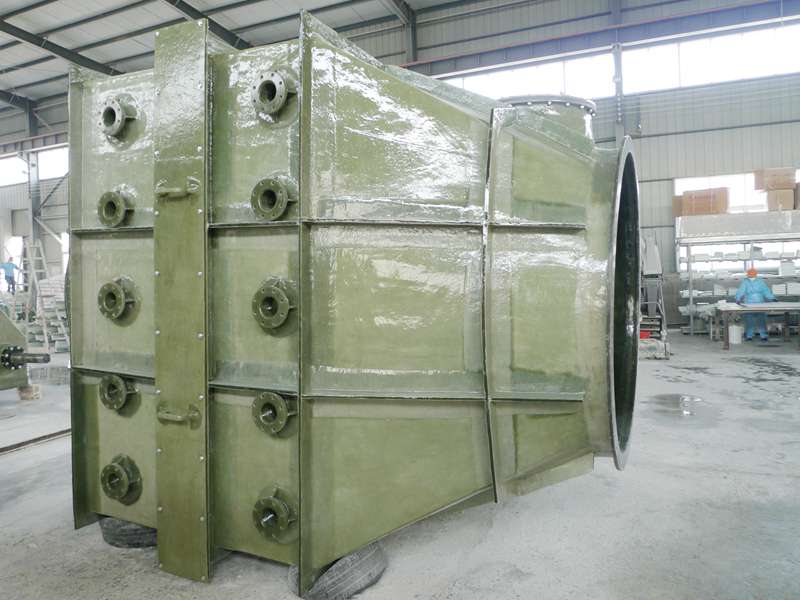
Fiberglass storage tanks are a reliable and cost-effective solution for a wide range of liquid and chemical storage needs. Offering corrosion resistance, durability, and design flexibility, they've become a staple across industries like agriculture, water treatment, and chemical processing. This article provides a detailed overview of fiberglass storage tanks, exploring their benefits, applications, construction, and factors to consider when choosing the right tank for your specific needs. Understanding these details is crucial for maximizing efficiency and safety. Learn why JRAIN FRP is a leading supplier of high-quality fiberglass tanks.
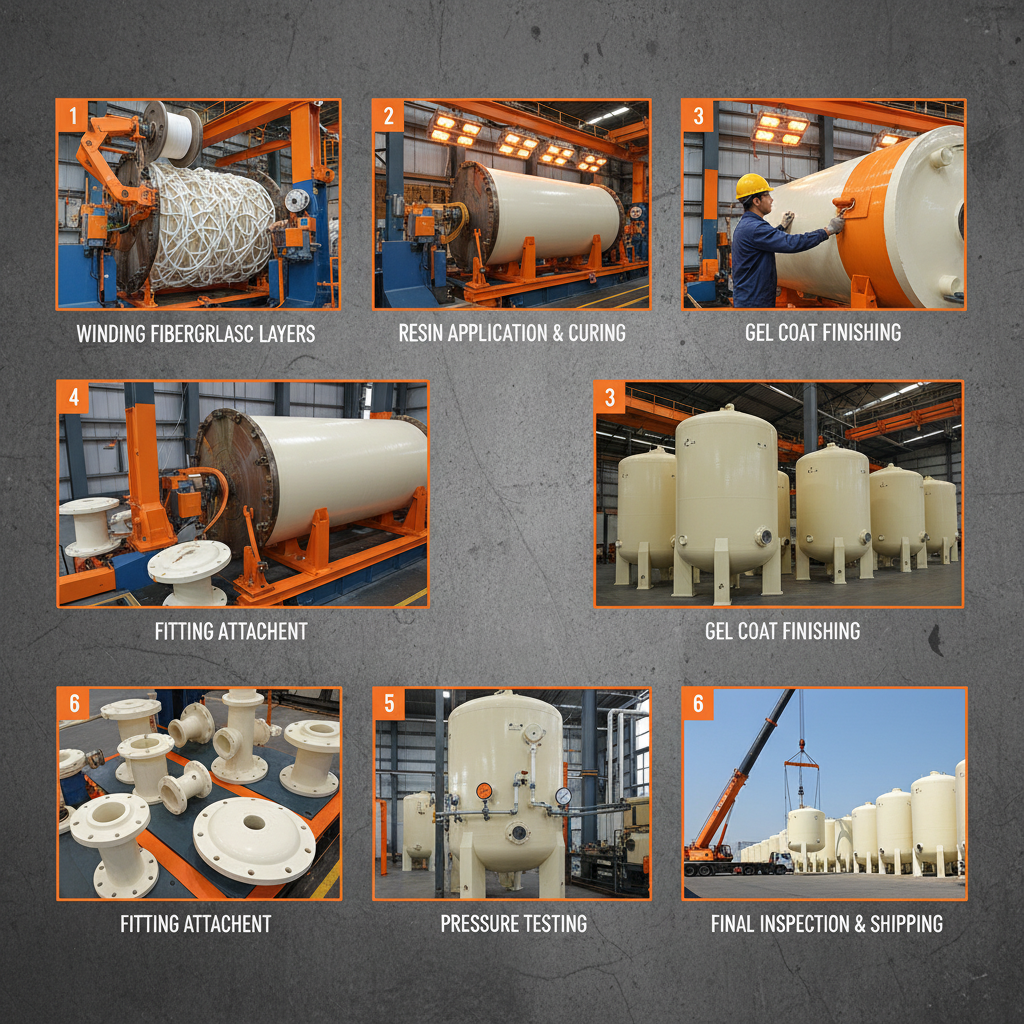
The Advantages of Fiberglass Storage Tanks
Compared to traditional materials like steel or concrete, fiberglass offers significant advantages. First and foremost is its exceptional corrosion resistance. Unlike steel, fiberglass doesn't rust or corrode, even when exposed to harsh chemicals or saltwater. This translates to a longer lifespan and reduced maintenance costs. Fiberglass tanks are also considerably lighter than steel tanks, simplifying installation and reducing transportation expenses. Furthermore, fiberglass is a non-conductive material, enhancing safety in certain applications. The design flexibility of fiberglass allows for custom shapes and sizes, optimizing space utilization. Finally, fiberglass tanks require minimal ongoing maintenance, contributing to long-term cost savings.
Key Highlights: Corrosion resistance, lightweight construction, design flexibility, and low maintenance make fiberglass tanks a smart investment.
Applications of Fiberglass Storage Tanks
The versatility of fiberglass storage tanks allows for use in numerous industries and applications. In agriculture, they are ideal for storing fertilizers, pesticides, and irrigation water. Water and wastewater treatment facilities rely on them for chemical storage, effluent holding, and digester tanks. Chemical processing industries use fiberglass tanks for storing a wide variety of corrosive chemicals. Other common applications include fuel storage, oil and gas production, and food processing. JRAIN FRP offers customized solutions tailored to diverse industry needs.
Common Applications:
• Agriculture: Fertilizers, Pesticides, Irrigation Water
• Water/Wastewater: Chemical Storage, Effluent Holding
• Chemical Processing: Corrosive Chemical Storage
• Fuel Storage
Fiberglass vs. Other Tank Materials: A Comparison
Choosing the right tank material is crucial. While steel, concrete, and plastic tanks are available, fiberglass often provides the best overall value. Steel tanks are prone to corrosion and require regular coatings and maintenance. Concrete tanks are heavy, expensive to install, and can crack over time. Plastic tanks may not be suitable for storing certain chemicals and can become brittle with age. Fiberglass offers a superior combination of strength, durability, and corrosion resistance at a competitive price point. Consider the long-term costs and performance benefits when making your decision.
Factors to Consider When Choosing a Fiberglass Tank
Several factors influence the selection of the appropriate fiberglass tank. First, identify the specific chemical or liquid to be stored. Ensure the tank is compatible with the stored substance to prevent corrosion or degradation. Next, determine the required tank capacity based on your storage needs. Consider future expansion and potential increases in demand. The tank’s location, both indoor and outdoor, will dictate design needs (e.g., UV resistance for outdoor tanks). Also, assess the regulatory requirements applicable to your industry and location. JRAIN FRP’s expert team can assist you in navigating these considerations.
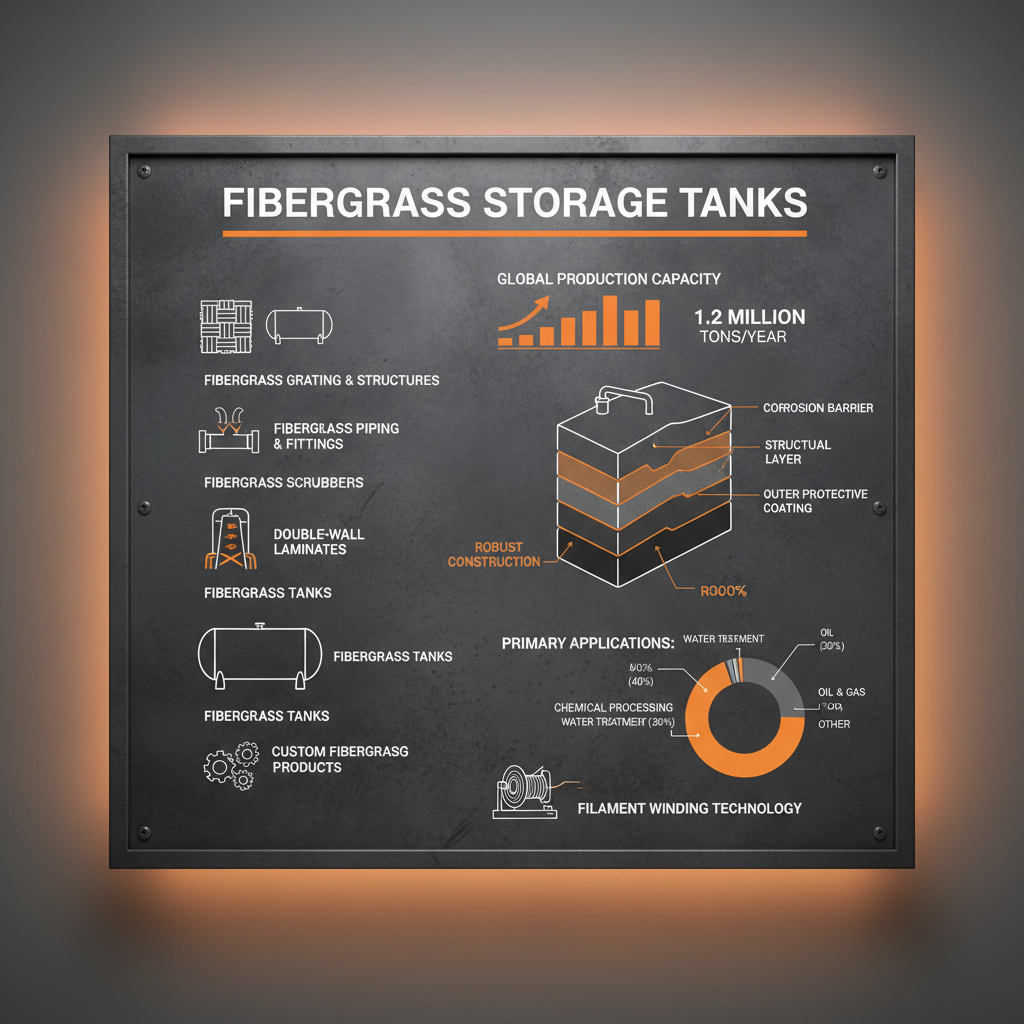
Product Specifications
Understanding the specifications of a fiberglass tank is crucial for ensuring it meets your requirements. Below is a general overview of commonly offered specifications:
Conclusion: Choosing the Right Fiberglass Storage Tank
Investing in a fiberglass storage tank is a smart decision for businesses requiring safe, durable, and cost-effective liquid storage solutions. With their superior corrosion resistance, lightweight construction, and design flexibility, fiberglass tanks offer a long-term value proposition. JRAIN FRP is committed to providing high-quality fiberglass tanks and expert support to meet your specific needs. Contact us today for a consultation.
Frequently Asked Questions (FAQs)
What is the typical lifespan of a fiberglass storage tank?
With proper care and maintenance, a fiberglass storage tank can last for 25-50 years or even longer. Several factors contribute to longevity, including the quality of the resin used, the tank’s exposure to UV radiation, and the types of chemicals stored within. Regular inspections for cracks, blistering, or signs of degradation are crucial. Avoiding physical damage and ensuring proper support are also essential for maximizing lifespan.
What types of chemicals can be safely stored in a fiberglass tank?
Fiberglass tanks offer excellent chemical resistance, but compatibility varies depending on the specific resin used. Generally, they are well-suited for storing acids, alkalis, salts, and many solvents. However, some chemicals, like strong oxidizing agents or ketones, may not be compatible. It’s essential to consult a chemical compatibility chart or contact JRAIN FRP’s experts to ensure the tank material is appropriate for your specific application.
Are fiberglass tanks susceptible to cracking?
While fiberglass is a strong and durable material, it can be susceptible to cracking under certain conditions. Overstressing the tank, impacts from foreign objects, or thermal stress can all contribute to cracking. Proper installation, adequate support, and avoiding extreme temperature fluctuations are crucial for preventing cracks. Regular inspections can help identify and address any potential issues before they escalate.



Latest news
-
Industrial High Pressure Fiberglass Pipe Guide and Technical SpecsNewsApr.16,2026
-
Industrial Storage Guide for Fiberglass Chemical TanksNewsApr.09,2026
-
Explore Durable and Customizable Custom Fiberglass Tanks for Your IndustryNewsApr.07,2026
-
Comprehensive Guide to Fiberglass Roof Tanks for Liquid Storage SolutionsNewsApr.04,2026
-
Comprehensive Guide to Durable and Corrosion Resistant Glass Fiber TanksNewsMar.31,2026
-
Comprehensive Guide to Tank Fiberglass Solutions and Their Diverse ApplicationsNewsMar.28,2026