



Durable Fiberglass Chemical Tank Solutions for Industrial Applications | Jrain FRP
Fiberglass Chemical Tank is a key solution in the industry, specifically within sectors that require robust, corrosion-resistant storage for aggressive chemicals and liquids. This article explores how https://www.jrain-frp.com supports professionals with durable, high-performance products, and explains why this product is an ideal choice for businesses in these sectors.
Table of Contents
- Fiberglass Chemical Tank Overview
- Benefits & Use Cases of Fiberglass Chemical Tank
- Cost, Maintenance & User Experience
- Sustainability & Market Trends
Fiberglass Chemical Tank Overview
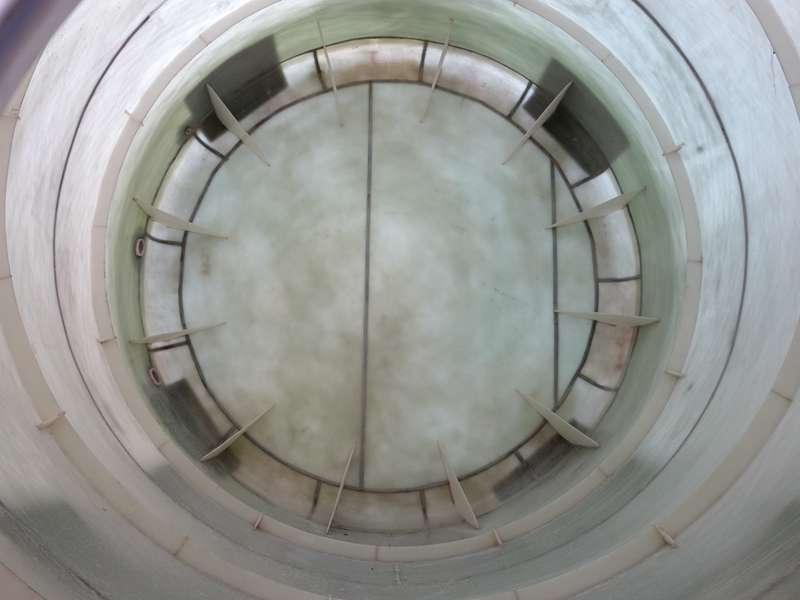
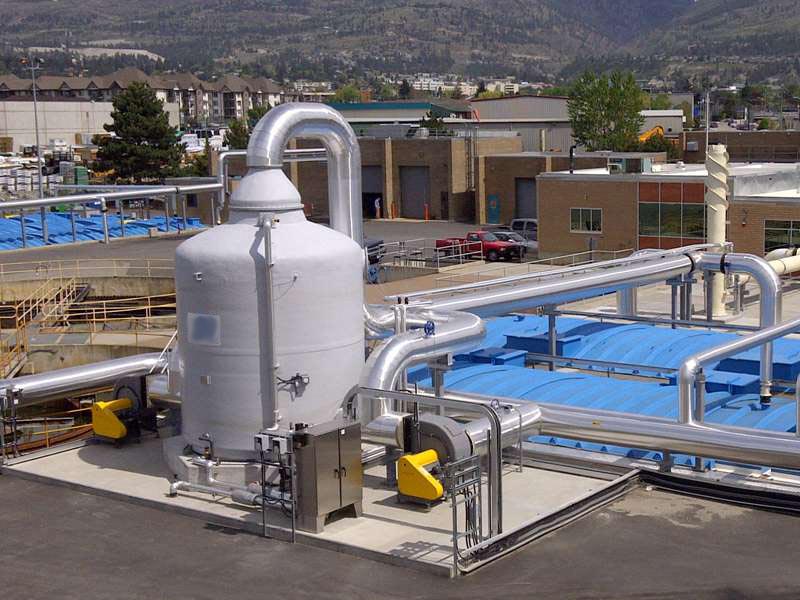
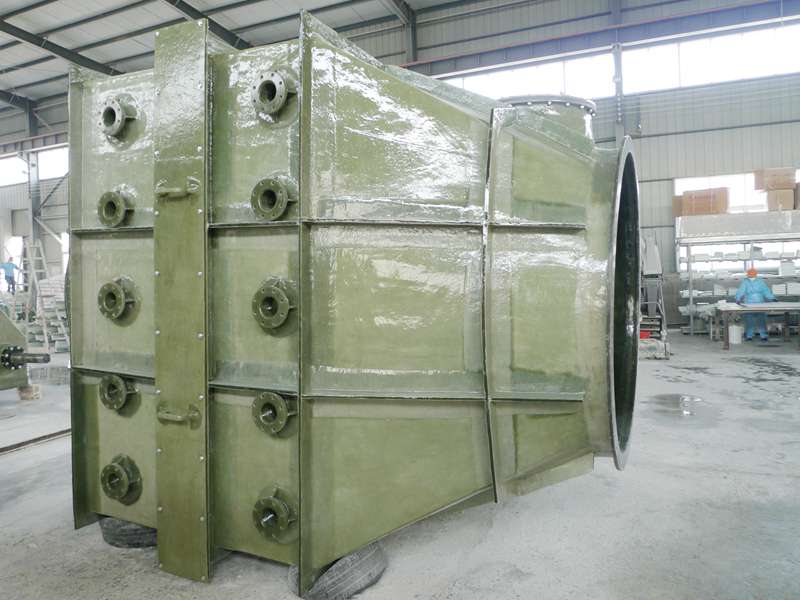
The Fiberglass Chemical Tank is essentially a storage vessel designed with reinforced fiberglass to handle highly corrosive fluids in industries such as chemical processing, water treatment, and petrochemical production. Its material composition makes it uniquely resistant to corrosion compared to traditional steel or concrete tanks, which tend to degrade quickly in harsh chemical environments.
Technically, these tanks utilize filament winding or hand layup of fiberglass reinforced plastic (FRP), tailored to the specific chemical and temperature requirements of the stored substance. For example, tanks from trusted suppliers like Jrain offer customizable wall thicknesses and resin types to meet industry standards like ASTM D4097. A recent case study I reviewed noted a wastewater treatment plant switching to fiberglass tanks — the result? A significant drop in maintenance costs over three years, alongside reliable chemical resistance under variable loads.
| Specification | Details |
|---|---|
| Material | Fiberglass Reinforced Plastic (FRP) |
| Capacity Range | 500 - 50,000 liters (custom sizes available) |
| Operating Temperature | -40°C to 120°C |
| Chemical Resistance | Strong resistance to acids, alkalis, solvents |
| Customization | Shape, fittings, and reinforcement customizable per project needs |
Benefits & Use Cases of Fiberglass Chemical Tank
In real terms, the benefits of fiberglass chemical tanks often come down to their lightweight construction combined with exceptional durability. Unlike metal tanks, these don’t rust or need frequent repainting. Because fiberglass is inherently corrosion-resistant, it stands up remarkably well to the aggressive chemicals used in industries like mining, pharmaceuticals, and food processing — all of which demand fail-safe storage.
Additionally, the design flexibility means they can be tailored to fit tight plant footprints or non-standard process needs, which frankly can save considerable installation time and cost. Among the standout features are excellent thermal insulation properties and minimal maintenance demands — big wins when plants run 24/7. From what many engineers say, these tanks often outlast metal alternatives by a factor of two in similar environments. It’s no wonder sectors like fertilizer manufacturing and pulp & paper are increasingly turning to fiberglass solutions.
Cost, Maintenance & User Experience
While upfront costs for fiberglass tanks might seem a bit higher than traditional steel, the total cost of ownership usually tips the scale in their favor. You save not only on corrosion-related downtime but also on labour and material costs for coating and repairs. Moreover, fiberglass has a long fatigue life, which means fewer replacements - something that savvy procurement folks often factor in during ROI calculations.
From user feedback, especially in chemical plants, it’s clear that once operators get used to the ease of inspection and the reduced risk of leaks, there’s a marked drop in unexpected maintenance calls. Oddly enough, some companies reported process improvements simply because their storage was so reliable and uncontaminated. The data just keeps supporting the idea that investing in quality fiberglass tanks pays dividends over several years.
| Vendor | Price Range | Product Range | Lead Time | Customization |
|---|---|---|---|---|
| Jrain FRP | $$$ | Extensive (500L - 50,000L) | 4-6 weeks | Full customization |
| Competitor A | $$ | Medium (1000L - 20,000L) | 6-8 weeks | Limited |
| Competitor B | $$$ | Wide (500L - 40,000L) | 5-7 weeks | Moderate |
Sustainability & Market Trends
Sustainability is no longer just a buzzword; it’s a business imperative. In that context, fiberglass chemical tanks offer some interesting advantages. They're lighter, which reduces transportation emissions, and their longevity means fewer replacements and thus less material waste. Plus, advances in bio-based resins and recyclable composites are making the product even greener.
Market trends suggest an uptick in demand, driven by stricter environmental regulations and the growing need for safer chemical handling, especially in emerging markets. Suppliers like Jrain have reportedly been investing in R&D around advanced polymer systems that resist wider ranges of chemicals and higher temperatures — a clear sign the industry is evolving fast. Frankly, anyone involved in large-scale chemical storage should keep an eye on how these technologies improve safety and regulatory compliance over the coming years.
Frequently Asked Questions about Fiberglass Chemical Tank
- What is Fiberglass Chemical Tank and how does it work?
- A Fiberglass Chemical Tank is a storage container made from fiberglass reinforced plastic (FRP). It works by safely holding corrosive or hazardous liquids, with the fiberglass material providing excellent resistance to chemical damage — which protects both the tank and the contents.
- What are the main benefits of using Fiberglass Chemical Tank in industrial applications?
- They resist corrosion, have a long service life, require minimal maintenance, and can be customized to specific sizes and chemical compatibilities, often resulting in cost savings and improved operational reliability.
- How does Fiberglass Chemical Tank compare to traditional alternatives?
- Compared to steel or concrete tanks, fiberglass tanks are lighter, more corrosion-resistant, and often more cost-effective over time. They also have design flexibility for space and process constraints.
- What industries can benefit most from Fiberglass Chemical Tank implementation?
- Industries such as chemical processing, water treatment, pharmaceuticals, food & beverage, mining, and petrochemicals benefit most due to their need for reliable, corrosion-resistant storage solutions.
Conclusion on Fiberglass Chemical Tank from china
To sum it up, the Fiberglass Chemical Tank is truly a smart investment for industrial entities seeking durability, customization, and long-term savings. Its robustness in harsh chemical settings combined with low maintenance demands offers tangible operational benefits. For businesses in demanding sectors, considering fiberglass tanks simply feels like a forward-thinking choice.
- Recap the value of Fiberglass Chemical Tank.
- - Visit our website: https://www.jrain-frp.com
In closing, it’s worth keeping an eye on how advances in materials and environmental regulations continue to shape fiberglass tank technology. After all, these tanks aren’t just containers; they’re a vital part of chemical safety and operational efficiency in many industries.


Latest news
-
Industrial High Pressure Fiberglass Pipe Guide and Technical SpecsNewsApr.16,2026
-
Industrial Storage Guide for Fiberglass Chemical TanksNewsApr.09,2026
-
Explore Durable and Customizable Custom Fiberglass Tanks for Your IndustryNewsApr.07,2026
-
Comprehensive Guide to Fiberglass Roof Tanks for Liquid Storage SolutionsNewsApr.04,2026
-
Comprehensive Guide to Durable and Corrosion Resistant Glass Fiber TanksNewsMar.31,2026
-
Comprehensive Guide to Tank Fiberglass Solutions and Their Diverse ApplicationsNewsMar.28,2026