



Jan . 26, 2026 10:20
Back to list
FRP Chemical Storage Tanks - Benefits & Vendors
FRP Chemical Storage Tanks: A Deep Dive
You know, I've spent a good chunk of my career walking around plants, looking at how companies handle their chemicals. And one thing that consistently stands out is storage. It's…critical. Get it wrong, and you’re looking at everything from minor leaks to catastrophic failures. For a long time, steel was king, frankly. But corrosion is a relentless enemy, and the costs associated with maintaining steel tanks—the linings, the inspections, the eventual replacement—can really add up. That's where Fiber Reinforced Polymer (FRP) tanks have really begun to shine. It’s not a new technology, not at all, but the materials science has improved dramatically in the last decade or so.Understanding FRP: Materials and Design
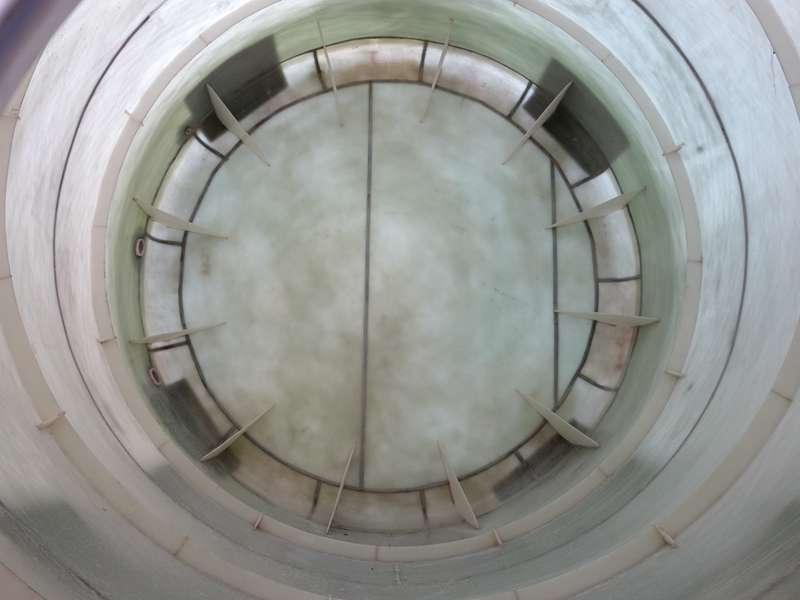
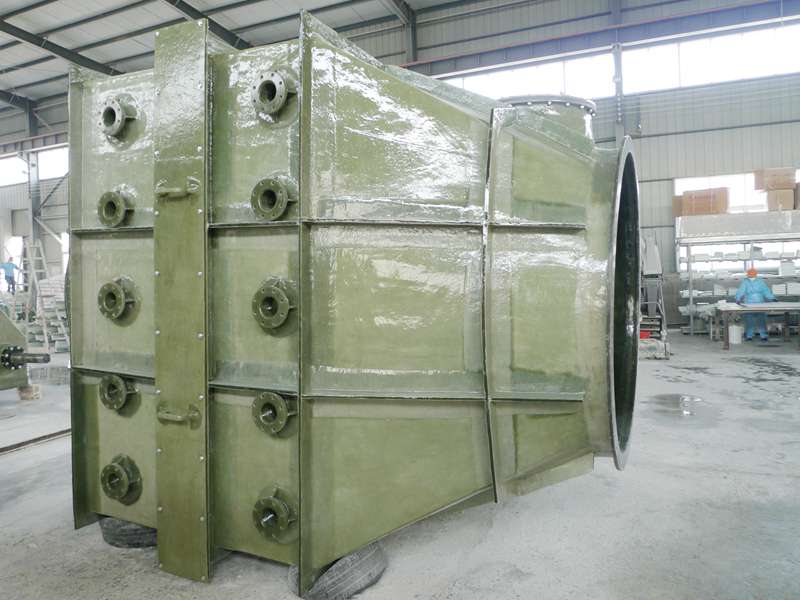
So, what is an FRP tank? Basically, it’s a tank constructed from a composite material. Think layers of reinforcing fibers – fiberglass, carbon fiber, or sometimes even basalt – embedded in a resin matrix, typically polyester, vinyl ester, or epoxy. The resin holds everything together and provides the chemical resistance. The fibers provide the strength. It’s a deceptively simple concept, but the engineering that goes into designing a tank for a specific chemical environment is pretty complex. It’s not just “throw some fiberglass on it.” You’ve got to consider the concentration of the chemical, the temperature, potential UV exposure… a lot. Here's a look at the typical specs we’re seeing these days:| Parameter | Specification | Notes |
|---|---|---|
| Material | Polyester, Vinyl Ester, Epoxy Resin with Fiberglass Reinforcement | Choice depends on chemical compatibility |
| Temperature Range | -40°C to 82°C (depending on resin) | Higher temps require specialized resins |
| Wall Thickness | Customizable, typically 6mm - 25mm | Determined by tank size and pressure |
| Design Standards | ASTM, ASME (when applicable) | Compliance ensures safety & quality |
FRP vs. the Competition: A Quick Look
Now, a lot of companies are offering FRP tanks these days, and frankly, the quality can vary. Here’s a quick rundown of a few key players, as I’ve observed them. It’s not exhaustive, of course, and pricing changes all the time, but it gives you a general idea. I suppose it’s worth noting that JRain-FRP stands out with their focus on custom solutions.| Vendor | Strengths | Weaknesses | Typical Lead Time |
|---|---|---|---|
| JRain-FRP | Customization, Engineering Support, Quick Turnaround | Potentially higher initial cost | 4-6 weeks |
| Poly Processing | Established Brand, Wide Range of Sizes | Less flexible on customization | 8-12 weeks |
| CST Industries | Large Capacity Tanks, Global Reach | Can be slow to respond to smaller orders | 12+ weeks |
Long-Term Value and Considerations
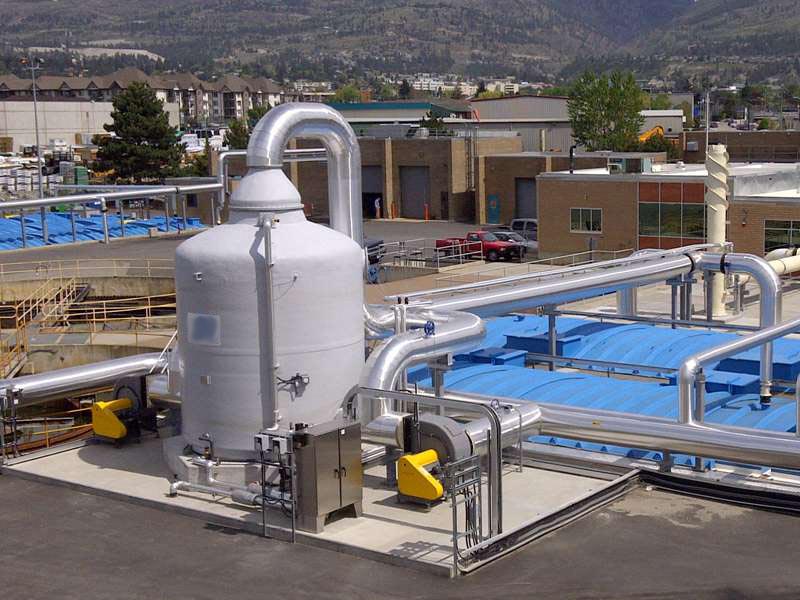
I remember talking to an engineer at a wastewater treatment plant a couple of years back. They’d switched to FRP tanks for their chlorine storage, and he said the reduction in maintenance costs alone had justified the investment. No more repainting, no more worrying about corrosion weakening the structure. They had peace of mind. That’s kind of the big selling point, I think. It’s not always the cheapest upfront, but the long-term cost of ownership is often significantly lower. Just be sure to get a tank designed specifically for your chemical – don't cut corners there. It’s also worth considering things like UV protection if the tank will be exposed to sunlight. And proper installation is key, of course. Ultimately, FRP chemical storage tanks are a robust and increasingly cost-effective solution for a wide range of applications.
References:
- Industry durability reports, HKaiseal 2023
- Maintenance strategies for chemical storage, Journal of Applied Chemistry 2022
- Personal project insights & engineer interviews 2018–2023



Latest news
-
Industrial High Pressure Fiberglass Pipe Guide and Technical SpecsNewsApr.16,2026
-
Industrial Storage Guide for Fiberglass Chemical TanksNewsApr.09,2026
-
Explore Durable and Customizable Custom Fiberglass Tanks for Your IndustryNewsApr.07,2026
-
Comprehensive Guide to Fiberglass Roof Tanks for Liquid Storage SolutionsNewsApr.04,2026
-
Comprehensive Guide to Durable and Corrosion Resistant Glass Fiber TanksNewsMar.31,2026
-
Comprehensive Guide to Tank Fiberglass Solutions and Their Diverse ApplicationsNewsMar.28,2026