




बातम्या
-
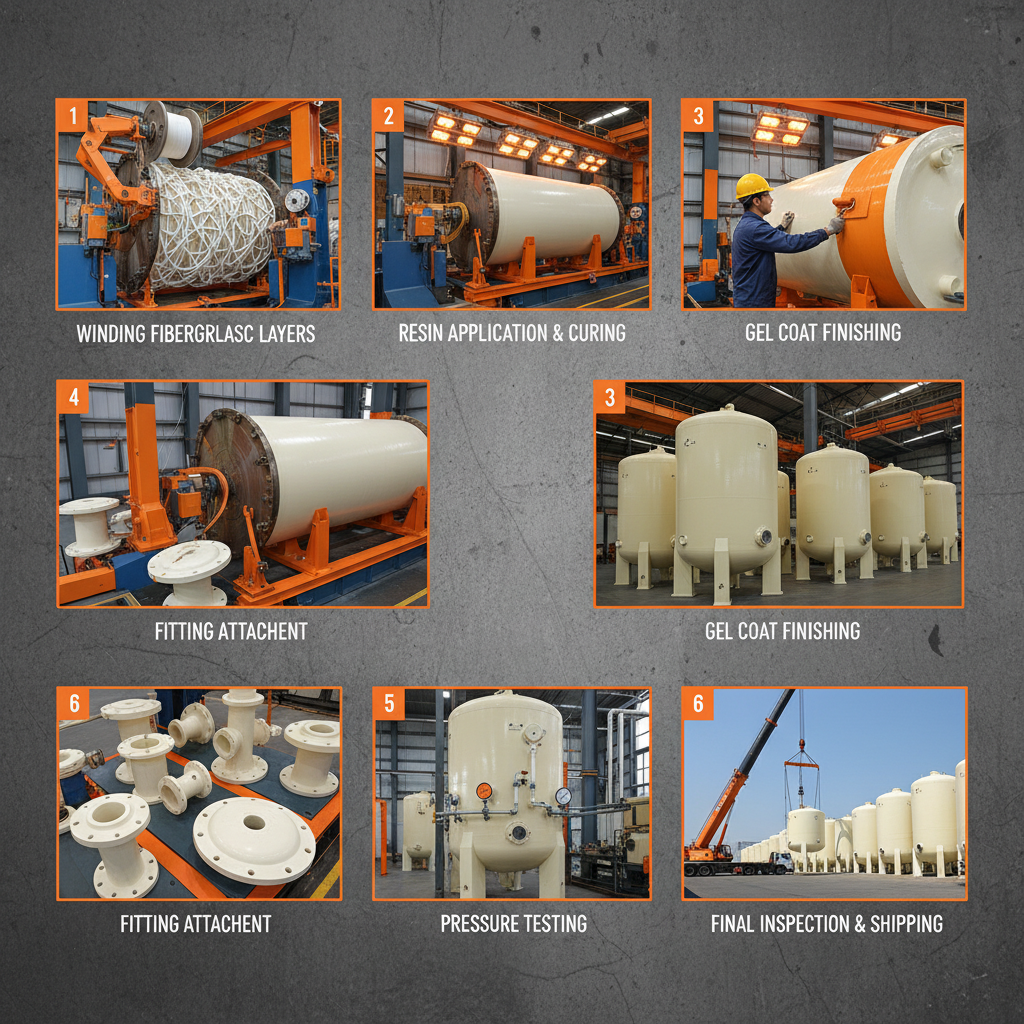 Fiberglass storage tanks are a reliable and cost-effective solution for a wide range of liquid and chemical storage needs. Offering corrosion resistance, durability, and design flexibility, they've become a staple across industries like agriculture, water treatment, and chemical processing. This article provides a detailed overview of fiberglass storage tanks, exploring their benefits, applications, construction, and factors to consider when choosing the right tank for your specific needs. Understanding these details is crucial for maximizing efficiency and safety. Compared to traditional materials like steel or concrete, fiberglass offers significant advantages. First and foremost is its exceptional corrosion resistance. Unlike steel, fiberglass doesn't rust or corrode, even when exposed to harsh chemicals or saltwater. This translates to a longer lifespan and reduced maintenance costs.पुढे वाचा
-
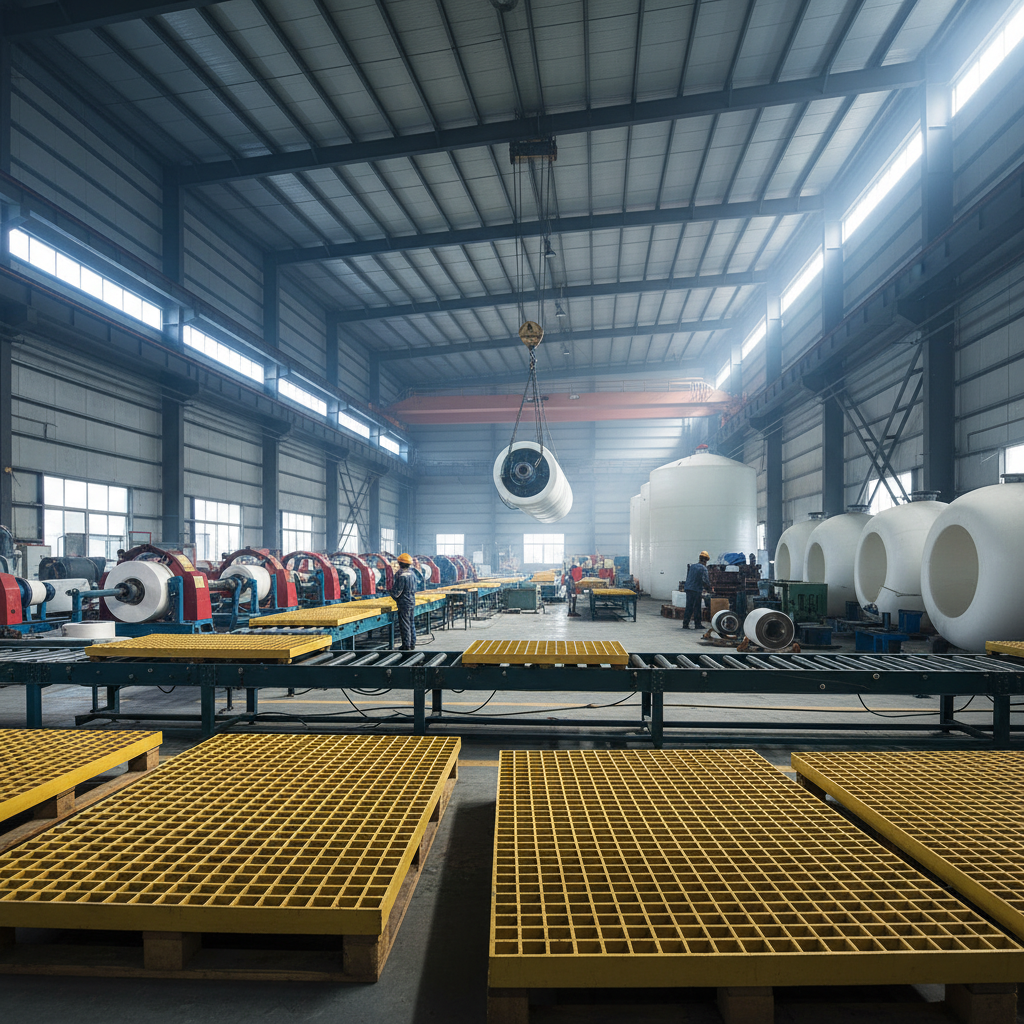 Fiberglass floor grating is a versatile and durable material used extensively in various industrial, commercial, and infrastructure applications. Known for its exceptional strength-to-weight ratio, corrosion resistance, and safety features, it’s a superior alternative to traditional materials like steel in many scenarios. This article provides an in-depth exploration of fiberglass floor grating, covering its benefits, applications, types, installation, and maintenance. Understanding the properties of fiberglass floor grating is crucial for making informed decisions for your project. Fiberglass floor grating offers a multitude of advantages over traditional materials. Firstly, it's incredibly lightweight, making installation easier and reducing structural support requirements. Secondly, it’s highly resistant to corrosion from harsh chemicals, saltwater, and weathering, significantly extending its lifespan. Furthermore, it's non-conductive, providing electrical safety in potentially hazardous environments.पुढे वाचा
-
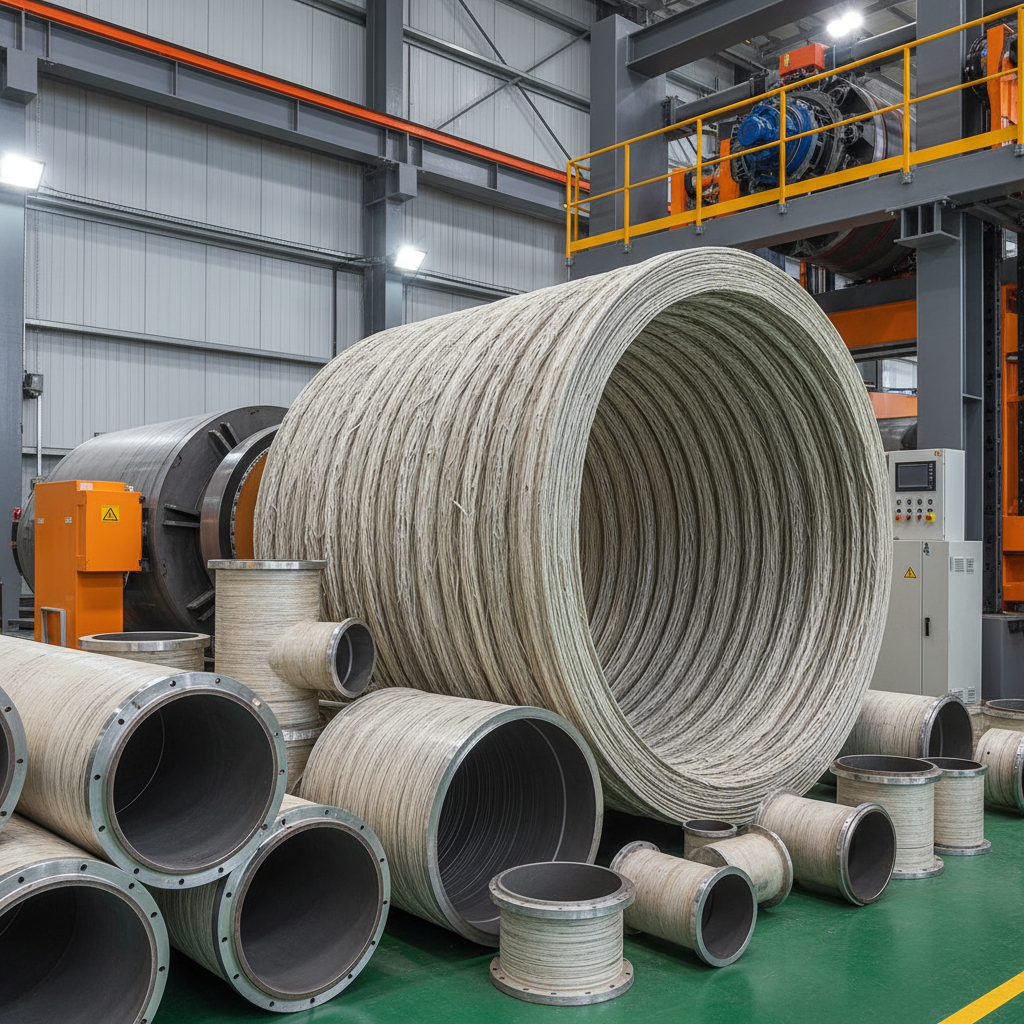 When considering material options for pipelines, fiberglass pipe stands out as a robust and versatile solution. It’s increasingly favored across numerous industries due to its superior strength-to-weight ratio, corrosion resistance, and cost-effectiveness. This article will delve into the benefits, applications, and considerations when purchasing fiberglass pipe, offering a detailed guide for businesses and individuals alike. Understanding the unique properties of fiberglass piping is crucial for making an informed decision that ensures long-term performance and reliability. Fiberglass pipe, formally known as Fiber Reinforced Polymer (FRP) pipe, is created by combining glass fibers with a resin matrix – typically polyester, vinyl ester, or epoxy. This composition provides exceptional strength and resistance to a wide range of corrosive substances. The manufacturing process generally involves filament winding, where continuous strands of glass fibers are wrapped around a mandrel and saturated with resin. This process creates a pipe with uniform strength and durability.पुढे वाचा
-
Fiberglass fuel tanks are rapidly becoming the preferred choice for fuel storage across various industries due to their durability, safety, and cost-effectiveness. From agricultural operations to commercial fueling stations, understanding the benefits of fiberglass fuel tanks is crucial for making informed decisions. This article delves into the advantages, applications, specifications, and considerations when choosing a fiberglass fuel tank, providing a thorough overview for businesses and individuals alike. We'll explore why these tanks are often superior to traditional steel alternatives. Fiberglass fuel tanks are constructed from a composite material consisting of fiberglass reinforced plastic. This construction provides exceptional strength and resistance to corrosion, making them ideal for storing gasoline, diesel, biofuels, and other fuels. Unlike steel tanks, fiberglass doesn't rust or corrode, eliminating the risk of fuel contamination and costly repairs. They are also lighter in weight than steel tanks, simplifying installation and transportation.पुढे वाचा
-
Fiberglass oil tanks are becoming increasingly popular for storing heating oil, diesel fuel, and other liquids due to their durability, corrosion resistance, and environmental benefits. Choosing the right tank is crucial for safe and reliable fuel storage. This article will explore the advantages of fiberglass oil tanks, discuss key features to consider, and compare them to traditional steel tanks. Understanding your options will help you make an informed decision. Fiberglass oil tanks offer a compelling alternative to steel tanks. Their primary advantage lies in their resistance to corrosion. Unlike steel, fiberglass doesn’t rust, even when exposed to moisture or harsh weather conditions. This extends the tank’s lifespan significantly and reduces the risk of leaks and environmental contamination. Furthermore, fiberglass is a lightweight material, making installation easier and reducing transportation costs.पुढे वाचा
-
Fiberglass water tanks are increasingly becoming the preferred choice for water storage across various industries. Their lightweight nature, durability, and corrosion resistance offer significant advantages over traditional materials like steel or concrete. This article provides a detailed overview of fiber water tanks, exploring their applications, benefits, construction, and important considerations when making a purchase. Choosing the right water storage solution is critical for ensuring water quality and long-term reliability. Understanding the nuances of fiberglass tanks can empower you to make an informed decision. Fiber water tanks, also known as FRP (Fiber Reinforced Polymer) tanks, are constructed using layers of fiberglass reinforced with resin. This combination creates a robust and lightweight structure capable of storing a wide range of liquids, including potable water, wastewater, chemicals, and rainwater. The manufacturing process involves winding or molding the fiberglass layers around a core, resulting in a seamless, leak-proof tank.पुढे वाचा
-
In various industries, from manufacturing and construction to HVAC systems and recording studios, controlling noise pollution is paramount. Fiberglass absorbers are a highly effective solution for sound dampening and noise reduction. This article will delve into the properties, applications, benefits, and selection criteria for fiberglass absorbers, providing a comprehensive guide for professionals and anyone seeking to improve acoustic environments. Effective noise control can dramatically enhance productivity, safety, and overall well-being. Fiberglass absorbers are acoustic materials crafted from woven or non-woven fiberglass. Their effectiveness stems from their porous structure, which allows sound waves to penetrate and be converted into small amounts of heat through friction.पुढे वाचा
-
Fiberglass dual lamination is a crucial process in creating high-performance composite materials, widely used across industries like marine, automotive, aerospace, and construction. This technique enhances the strength, durability, and overall quality of fiberglass structures. At Jrain FRP, we specialize in advanced fiberglass solutions, and understanding the nuances of dual lamination is key to delivering exceptional products. This article delves into the process, benefits, applications, and considerations for fiberglass dual lamination, offering a comprehensive guide for engineers, designers, and anyone involved in composite manufacturing. Fiberglass dual lamination involves applying two separate layers of fiberglass reinforcement to a mold, typically over a core material. Unlike single-layer lamination, this process allows for optimized fiber orientation in each layer, maximizing strength in multiple directions. The first layer, often referred to as the ‘structural layer’, focuses on providing the primary load-bearing capacity.पुढे वाचा
-
Fiber Reinforced Polymer (FRP) pipelines are revolutionizing industries ranging from oil and gas to water management. They offer a compelling alternative to traditional materials like steel, thanks to their superior corrosion resistance, lightweight nature, and long service life. This article delves into the world of FRP pipelines, exploring their benefits, applications, construction, and future trends. Choosing the right pipeline material is a critical decision impacting long-term costs and operational efficiency. JRAIN-FRP provides high quality FRP pipeline solutions for all your needs. An FRP pipeline is constructed using a combination of reinforcing fibers (like glass, carbon, or aramid) embedded in a resin matrix (typically epoxy, vinyl ester, or polyester). This composite material delivers exceptional strength-to-weight ratios and resists corrosion effectively. The specific composition of the FRP—the type of fiber, resin, and manufacturing process—determines its performance characteristics. These pipelines are designed for a wide range of applications where durability and reliability are paramount.पुढे वाचा
-
Fiberglass grating is a versatile and durable material used in a wide range of applications, from industrial walkways and platforms to wastewater treatment facilities and marine environments. Selecting the right fiberglass grating suppliers is crucial to ensuring you receive a high-quality product that meets your specific needs. This article will explore the key factors to consider when choosing a supplier, the benefits of fiberglass grating, different types available, and how to assess the reliability of potential partners. We aim to provide you with the knowledge to make an informed decision and secure a long-lasting, safe, and cost-effective solution. Fiberglass grating, also known as FRP (Fiber Reinforced Polymer) grating, is a composite material made by interlacing glass fibers with resin systems. This creates a lightweight yet incredibly strong and corrosion-resistant product. Compared to traditional materials like steel, fiberglass grating offers several significant advantages. These include superior resistance to corrosion, a high strength-to-weight ratio, low maintenance requirements, and excellent electrical insulating properties.पुढे वाचा
-
The mining industry demands robust and reliable equipment, especially when dealing with challenging and corrosive environments. Fiberglass mining equipment is increasingly becoming the material of choice for its exceptional strength, corrosion resistance, and lightweight properties. This article delves into the benefits, applications, and considerations when choosing fiberglass equipment for mining operations. Investing in the right equipment not only enhances efficiency but also significantly improves worker safety. We will explore how JRAIN FRP provides superior solutions for the mining sector. Fiberglass Reinforced Polymer (FRP) equipment offers several advantages over traditional materials like steel in mining operations. Firstly, it is significantly lighter, reducing transportation costs and easing installation. Secondly, fiberglass is inherently corrosion-resistant, crucial in environments exposed to harsh chemicals and abrasive materials.पुढे वाचा
-
Fiberglass chemical products are crucial components in a wide range of industrial applications, offering superior resistance to corrosion, high strength-to-weight ratios, and design flexibility. At Jrain FRP, we specialize in manufacturing high-quality fiberglass reinforced plastic (FRP) products tailored to meet diverse chemical handling and storage needs. This article will explore the properties, applications, benefits, and considerations when choosing fiberglass chemical products, offering valuable insights for professionals across various industries. Choosing the right product is paramount for safety, efficiency, and longevity in demanding chemical environments. Fiberglass chemical products, also known as FRP products, are composite materials made by combining glass fibers with a polymer matrix, typically a thermosetting resin like polyester, vinyl ester, or epoxy. This combination creates a material with exceptional properties. The glass fibers provide strength and rigidity, while the resin binds the fibers together and provides chemical resistance.पुढे वाचा