

Durable GRP Settlers for Industrial Water Treatment | JRain FRP
Understanding the GRP Settler: A Durable Solution in Industrial Water Treatment
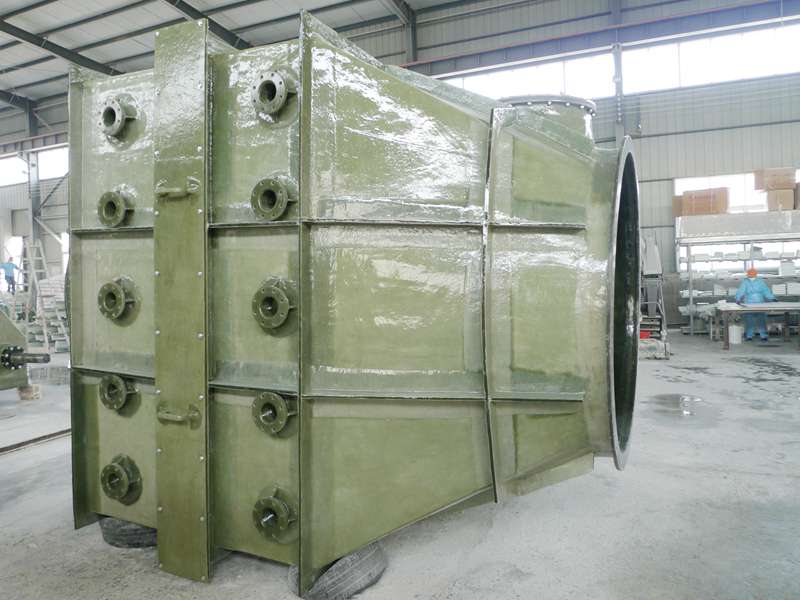
Having spent well over a decade working hands-on with industrial equipment—especially within water treatment—I've seen how settling tanks come and go with various materials and designs. GRP settlers have steadily earned their reputation in the field, primarily for their resilience and longevity in challenging environments. Frankly, if you’re tasked with separating solids from liquids on an industrial scale, understanding why a Glass Reinforced Plastic (GRP) settler might be your best bet can save you time, and a lot of headaches down the line.
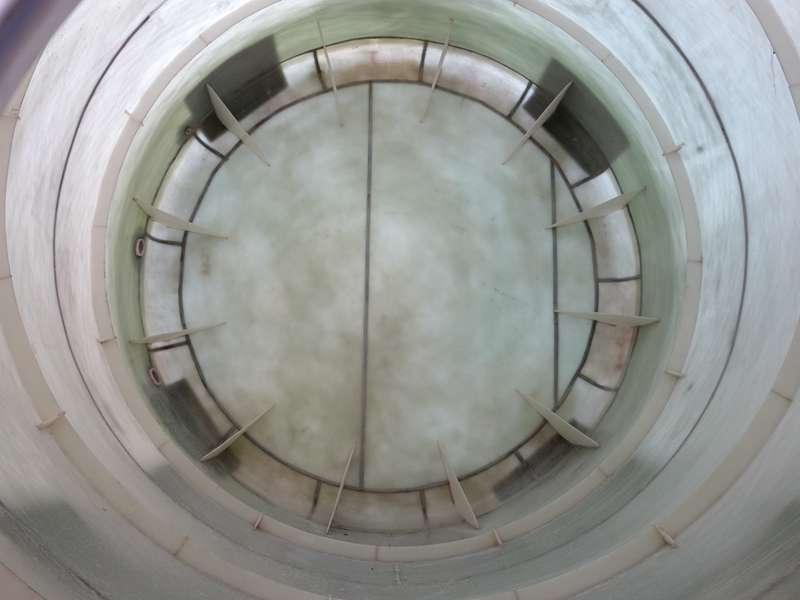
The technology behind GRP settlers is pretty straightforward in principle, yet nuanced in performance. Essentially, these tanks provide an environment where suspended solids can settle out of wastewater or process water by gravity. Their material—GRP—stands out because it’s resistant to corrosion and doesn’t suffer from the cracking or degradation issues common in steel or concrete tanks over time.
Oddly enough, what I find most impressive isn’t just the material itself, but how vendors fine-tune the design to meet specific operational demands. From modular panels to seamless molding techniques, these settlers can be outfitted with baffling, weirs, and even special coatings to boost settling efficiency.
In real terms, working with GRP means you’re looking at roughly a 20-year service life under typical industrial conditions, often without intensive maintenance cycles. In some plants I've visited, these tanks just keep going, year after year, unlike older carbon steel versions that needed repainting or replacement after a decade.
As for specs, here’s a typical GRP settler you’d find in mid-scale water treatment at chemical or food processing facilities:
| Specification | Details |
|---|---|
| Material | Glass Reinforced Plastic (GRP) |
| Typical Capacity | 50 to 500 m³/hr |
| Operating Temperature | -10°C to 60°C |
| Design Pressure | Atmospheric |
| Corrosion Resistance | High (resistant to acids & alkalis) |
| Typical Lead Time | 6 to 10 weeks |
I recall a project where the client initially wanted a stainless-steel settler—standard choice, right? But the corrosive nature of their effluent meant constant maintenance and eventual downtimes. Switching to a GRP settler saved them significant operational costs within the first two years, and frankly, the ease of installation was a nice bonus.
Now, of course, gear selection is never one-size-fits-all. Here’s a brief comparison of popular vendor options I’ve encountered in the field:
| Vendor | Customization | Lead Time | Price Range | After-Sales Support |
|---|---|---|---|---|
| JRain FRP | High (custom sizes & fittings) | 6–8 weeks | Mid to High | Comprehensive, responsive |
| Generic Supplier A | Limited | 10–12 weeks | Budget | Basic |
| Industrial Solutions Co. | Moderate | 8–10 weeks | Mid-range | Good, but slower response |
Many engineers I've talked with lean towards vendors like JRain FRP because, in this business, the small details matter—whether it's panel thickness, custom inlet design, or the quality of the lamination process. You know, the things you don’t necessarily notice until months into operations.
One note to keep in mind: while GRP settlers offer excellent corrosion resistance, they’re not always the best choice for very high-temperature streams, or where mechanical impacts are frequent. So matching the material and design to your process conditions is no afterthought.
All in all, if you’re after a tough, low-maintenance settler that won’t fall apart after a few seasons, seriously consider what a GRP solution offers. It feels like the right mix of durability and adaptability, and from what I’ve seen, the long-term cost savings often justify the initial investment—even if it seems pricier at first.
Hope this sheds some light on the often overlooked but critical role GRP settlers play in water treatment setups. Feel free to check out companies like JRain FRP who really emphasize quality and customer service in this niche.
In my experience, picking the right settler isn’t just about specs; it’s about trusting the craft and expertise behind it.
References:
- Industry Water Treatment Journal, Vol. 42, "Materials for Settling Tanks" (2021)
- Corrosion Resistance in Industrial Systems, Engineering Review (2019)
- Personal Interviews with Process Engineers, Various US Plants (2020–2023)
Latest news
-
Industrial High Pressure Fiberglass Pipe Guide and Technical SpecsNewsApr.16,2026
-
Industrial Storage Guide for Fiberglass Chemical TanksNewsApr.09,2026
-
Explore Durable and Customizable Custom Fiberglass Tanks for Your IndustryNewsApr.07,2026
-
Comprehensive Guide to Fiberglass Roof Tanks for Liquid Storage SolutionsNewsApr.04,2026
-
Comprehensive Guide to Durable and Corrosion Resistant Glass Fiber TanksNewsMar.31,2026
-
Comprehensive Guide to Tank Fiberglass Solutions and Their Diverse ApplicationsNewsMar.28,2026