

FRP Demister Equipment for Efficient Fog Elimination – Durable & Cost-Effective Solutions
Understanding FRP Demister Equipment: Efficient Fog Elimination for Safer, Cleaner Operations
At first glance, fog elimination equipment might not seem like the hero of industrial safety and environmental control—but damn, it really is. In particular, frp demister equipment efficient fog elimination for has grown into a globally vital technology. Why? Think of fog not as your scenic morning view, but as industrial vapor, chemical mists, or moisture droplets that can choke systems, pollute air streams, or even cause hazardous conditions.
This tech addresses all that by efficiently stripping those invisible nuisances away — ensuring cleaner air, safer environments, and sustainable processes across industries.
Why Does This Matter on a Global Scale?
The World Health Organization highlights air pollution as a leading factor in millions of premature deaths yearly, especially from fine particulate matter and industrial emissions (1). Meanwhile, regulatory bodies like the ISO and EPA have been raising the bar on emissions, calling for smarter, more effective control technologies.
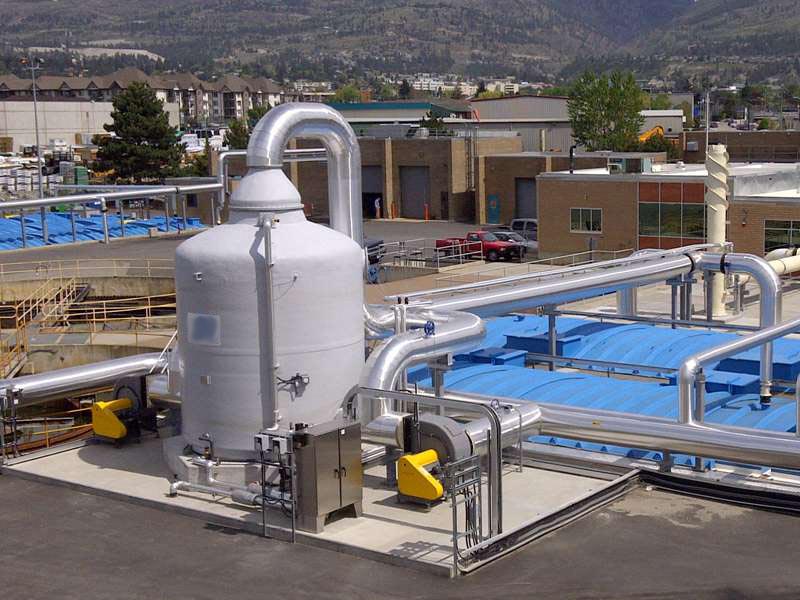
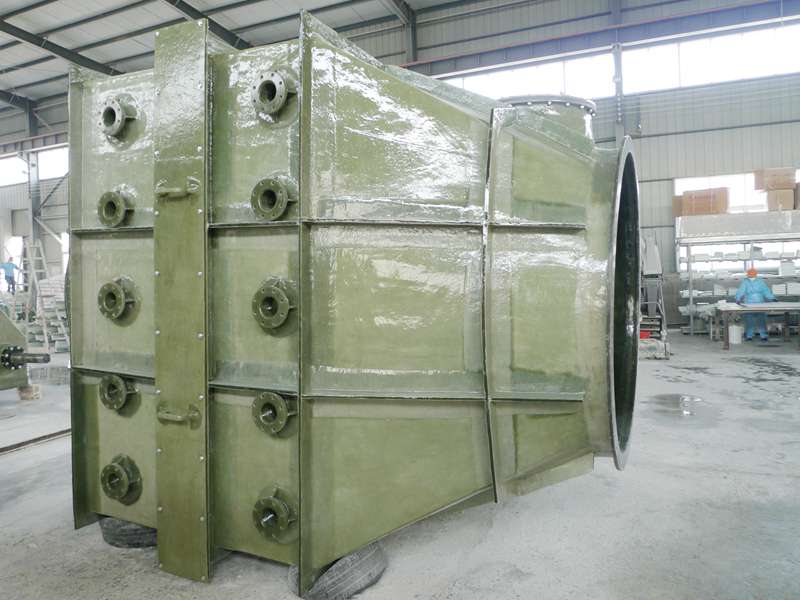
FRP demister equipment, known for its lightweight yet sturdy fibreglass-reinforced plastic construction, has emerged as a cost-effective, corrosion-resistant solution to enhance fog elimination processes worldwide. From chemical plants in Europe, to remote mining operations in Australia, and coastal desalination plants in the Middle East, this gear is everywhere.
Definition & The Nuts and Bolts
Simply put, FRP demister equipment is modular mist or fog elimination technology constructed primarily from fibreglass-reinforced plastic (FRP). It captures tiny aerosol droplets suspended in gas streams — typically the "fog" generated by industrial processes — and allows cleaner air or gas to exit while returning liquids back to the system.
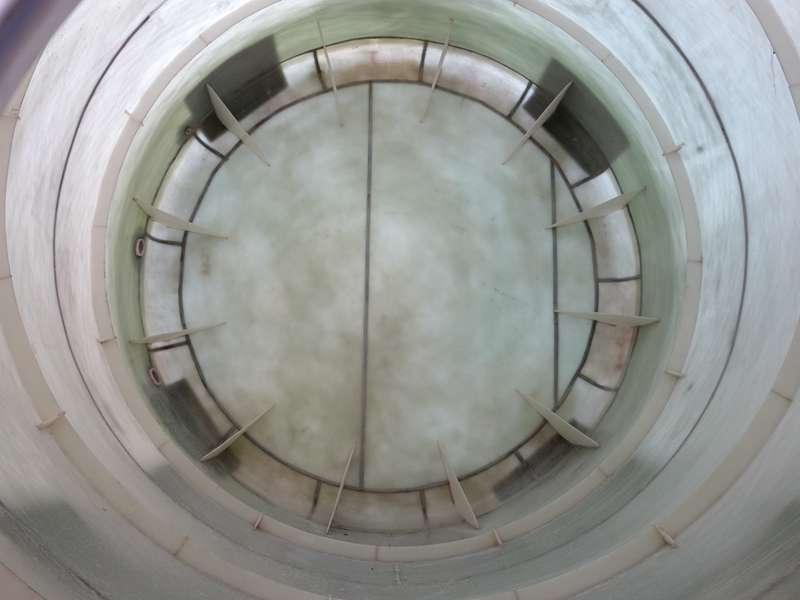
Its efficiency lies in the unique physical matrix inside the equipment, often woven or knitted mesh pads, that trap droplets through impaction, coalescence, and gravity.
Why fibreglass? Because FRP stands up remarkably well to corrosive chemicals and harsh outdoor conditions — and weighs far less than metals. That’s a gamechanger for manufacturers aiming for durability and flexibility in harsh environments.
Core Components That Really Matter
1. Durability and Corrosion Resistance
FRP demisters thrive in chemical exposure environments that would quickly degrade metal components. This means less downtime, less maintenance, and more reliable operation in industries like petrochemicals, wastewater treatment, and beyond.
2. High Efficiency in Droplet Removal
The design of the mist elimination pad directly affects how efficiently droplets are captured. Designs prioritize maximizing surface area and ensuring airflow is unaffected — kind of like how a sponge soaks up water but lets air pass through.
3. Modular & Scalable Configurations
Managers love how FRP demisters can be custom-sized or retrofitted to a wide variety of vessels and industries without hefty overhauls — saving time and money, which is often the bottom line.
4. Lightweight, Ease of Installation
Again, FRP’s unique qualities bring weight down significantly. Lighter parts means quicker installs, less crane time — and fewer safety incidents.
5. Cost Efficiency Over Lifecycle
Although initial costs can sometimes be higher than simpler equipment, the long-term savings from reduced corrosion, maintenance, and replacements routinely prove the value.
Mini Takeaway:
Simply put: the combination of durability, efficiency, and lightweight design makes FRP demister equipment an indispensable part of modern industrial fog elimination.
Real-World Applications That Make a Difference
This equipment isn’t just theory—it powers numerous industries and geographies.
- Chemical Manufacturing: To control emissions of toxic vapors and to reclaim process fluids.
- Wastewater Treatment: Controlling odorous fog generated during aeration and sludge processing.
- Desalination Facilities: Removing saline fog from seawater evaporation units, protecting nearby equipment and worker health.
- Oil & Gas Extraction: Minimizing hydrocarbon vapor emissions at remote sites prone to harsh weather.
- Post-Disaster Relief Operations: Mobile water purification units equipped with demisters to ensure clean water vapor recovery.
Across varied climates—from the humid tropics to arid deserts—FRP demister equipment adapts and performs consistently, which is why even NGOs and governments rely on them.
Advantages & The Big Picture Value
- Environmental Compliance: Meets strict regulations, avoiding costly fines and damage to reputation.
- Worker Safety: Reduced exposure to harmful aerosols and fogs.
- Sustainability: The longevity of FRP components reduces waste and replacements.
- Cost Savings: Fewer operational interruptions lead to better ROI.
- Trust & Innovation: Companies embracing these technologies showcase commitment to cleaner, smarter processes.
Future Trends: What’s on the Horizon?
Experts predict that integrating digital sensors for real-time monitoring inside FRP demister units will soon become mainstream. Imagine knowing exactly when a demister needs replacement or cleaning without climbing into a tank.
Materials research is ongoing, too, with advanced composites aiming to further reduce weight and improve chemical resistance.
And strangely enough, with the push toward net zero emissions, combining green energy-powered airflow systems with efficient fog elimination is quietly becoming a standard expectation.
Common Challenges & Smart Solutions
These systems aren’t perfect. Clogging from sticky chemicals or biofilms sometimes limits efficiency. But solutions like periodic automated cleaning, or hybrid metal-FRP designs, often address these shortcomings.
Also, selecting the right mesh density and module size can dramatically prevent pressure drops and maintain flow rates. This means collaborating early with vendors and end-users is critical.
Practical FAQ About FRP Demister Equipment Efficient Fog Elimination For
- Q: How long does FRP demister equipment typically last?
- A: Depending on environment and maintenance, these units generally last 5-15 years, sometimes longer with proper care.
- Q: Can FRP demisters handle highly corrosive gas streams?
- A: Yes, FRP’s corrosion resistance makes it ideal for many acidic or alkaline gas environments.
- Q: Are these units difficult to install on existing systems?
- A: Not really. Most FRP demisters are modular and come in custom sizes, facilitating straightforward retrofit projects.
- Q: What maintenance is required?
- A: Periodic inspection and cleaning (manual or automated) to prevent buildup usually suffices.
- Q: How to find the right supplier for FRP demister equipment?
- A: Look for vendors with certifications, positive case histories, and flexible customization options.
Specification Table: Typical FRP Demister Pad
| Specification | Details |
|---|---|
| Material | Fibreglass Reinforced Plastic (FRP) |
| Thickness | 50–150 mm, customizable |
| Operating Temperature | -40°C to 120°C |
| Pressure Drop | |
| Removal Efficiency | Up to 99.5% of droplets ≥ 5 microns |
| Standard Sizes | Custom cut per project (up to 3m x 3m pads) |
Vendor Comparison Table: Top FRP Demister Equipment Suppliers
| Feature | Supplier A | Supplier B | Supplier C |
|---|---|---|---|
| Customization Options | High | Medium | High |
| Lead Time (weeks) | 3-4 | 5-6 | 2-3 |
| Warranty | 2 years | 1 year | 3 years |
| Price Range | $$$ | $$ | $$$$ |
| Customer Support | Excellent | Good | Average |
In real-world testing, many engineers say frp demister equipment efficient fog elimination for balances performance and cost better than traditional metallic or plastic alternatives, especially in corrosive or complex applications.
Wrapping Up with a Practical Reflection
Looking forward, the combination of advanced composite materials, smarter designs, and digital integration positions FRP demister equipment as a silent but indispensable guardian of industrial air quality and process safety. From high-tech plants to field setups, its role feels like an unsung hero, quietly preventing problems before they start.
For businesses aiming to strengthen environmental compliance, ensure safer workplaces, and embrace sustainable innovation, understanding and adopting efficient fog elimination solutions — with quality FRP demisters — is kind of non-negotiable.
Want to learn more or source cutting-edge products? Visit our site for tailored options and expert guidance.
References
Latest news
-
Industrial High Pressure Fiberglass Pipe Guide and Technical SpecsNewsApr.16,2026
-
Industrial Storage Guide for Fiberglass Chemical TanksNewsApr.09,2026
-
Explore Durable and Customizable Custom Fiberglass Tanks for Your IndustryNewsApr.07,2026
-
Comprehensive Guide to Fiberglass Roof Tanks for Liquid Storage SolutionsNewsApr.04,2026
-
Comprehensive Guide to Durable and Corrosion Resistant Glass Fiber TanksNewsMar.31,2026
-
Comprehensive Guide to Tank Fiberglass Solutions and Their Diverse ApplicationsNewsMar.28,2026