

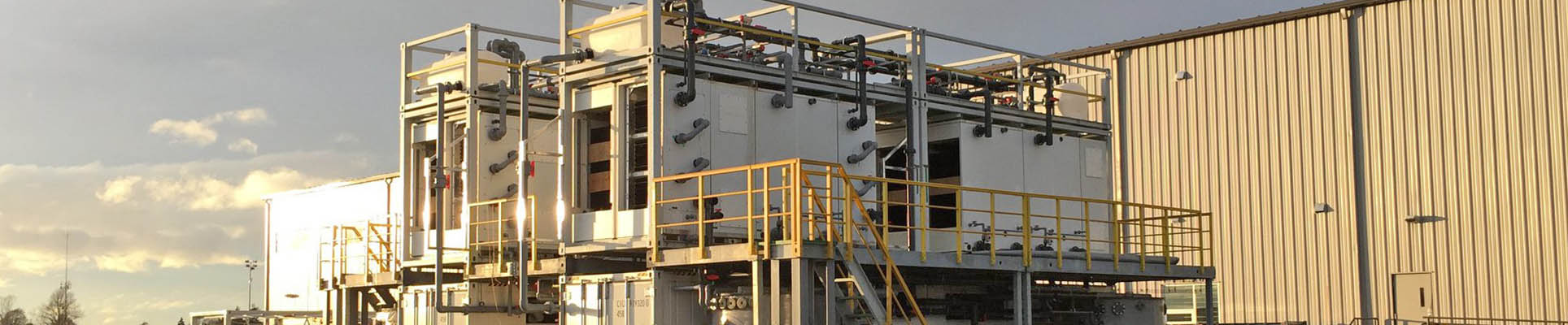

Why FRP Chimney Proves To Be Durable And Efficient: A Modern Industrial Solution
Why FRP Chimneys Matter: Durability and Efficiency in Focus
If you’ve ever wondered how industrial facilities keep their emissions in check while managing maintenance costs, you’re not alone. Fiber Reinforced Polymer chimneys—often just called FRP chimneys—have quietly risen to solve some key problems in modern ventilation and exhaust systems. Simply put, frp chimney proves to be durable and efficient, and this makes them crucial in industries ranging from chemical plants to power generation.
Globally, pollution control and adherence to environmental standards have become top priorities. The United Nations Environment Programme underlines that over 70% of industrial smoke stacks face corrosion challenges that shorten equipment lifespan and inflate costs. Enter FRP chimneys: lightweight, corrosion-resistant, and increasingly popular for their longevity. It’s a small term with huge implications.
Mini takeaway: Like any unsung hero, the FRP chimney quietly extends plant uptime while protecting the environment, making it a cornerstone in sustainable industrial design.
Global Context: Why FRP Chimneys Are More Relevant Than Ever
To appreciate why frp chimney proves to be durable and efficient, let's zoom out. According to the International Organization for Standardization (ISO), industries face mounting pressure to reduce CO2 and sulfur emissions, especially in rapidly developing economies and stricter markets in Europe and North America. Despite their technical complexity, traditional steel and masonry chimneys fall short—susceptible to corrosion, weight challenges, and long installation times.
Data from the World Bank reveals rising operational costs due to frequent chimney repairs in the petrochemical and energy sectors. In this light, FRP chimneys offer a practical solution for a growing sector emphasizing sustainability without sacrificing performance. So, the problem addressed is pretty straightforward: reduce maintenance while boosting reliability and lowering environmental footprint.
What Exactly Is an FRP Chimney?
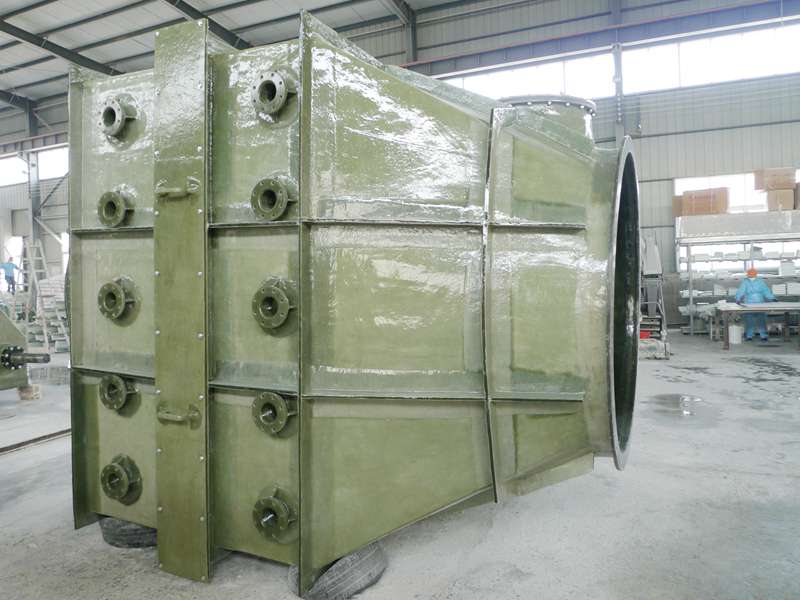
Leaning on a simpler explanation, an FRP chimney is a stack made primarily from fiber-reinforced polymer composites instead of metals or bricks. Think of it as a high-tech tube built to withstand harsh industrial gases, acidic vapors, and weather extremes without the usual rust or cracks.
In modern industrial setups, their light weight simplifies installation, while the composite materials offer superior resistance to corrosion. Organizations concerned about emissions, like those handling waste incineration or chemical processes, find FRP chimneys a practical choice that fits modern environmental standards.
Mini takeaway: FRP chimneys are basically industrial stacks that last longer and require less fuss, aligning well with contemporary regulatory and operational demands.
Core Components That Make FRP Chimneys Stand Out
Durability: A Winning Trait
The prime reason frp chimney proves to be durable and efficient boils down to material science. The composite resin matrix reinforced with glass fibers allows these chimneys to endure aggressive chemical attacks that typically degrade steel or concrete quickly. This durability means fewer shutdowns for repairs.
Lightweight Construction
Weight matters—especially when you're installing tall chimneys on existing plant roofs or difficult terrain. FRP chimneys typically weigh 60-70% less than traditional alternatives, reducing foundation and transport costs.
Cost-Effectiveness Over Time
While the upfront cost of an FRP chimney can be a smidge higher, lifecycle analyses show lower maintenance expenses and longer service life inevitably save money. Less downtime also means better plant efficiency.
Ease of Installation and Customization
The modular structure of FRP chimneys lets engineers customize heights and diameters on site quickly. Many plants appreciate the speed and flexibility, especially when retrofitting.
Environmental and Safety Benefits
Steel chimneys may release rust particles or fail suddenly when corroded; FRP’s corrosion resistance translates to safer operations and reduced risk of harmful emissions.
Product Specification Table: Typical FRP Chimney Features
| Feature | Typical Range / Standard | Notes |
|---|---|---|
| Height | 10m – 60m | Modular sizing allows flexibility |
| Diameter | 500mm – 3500mm | Customizable to process needs |
| Material | Glass fiber reinforced polyester resin | Corrosion resistant compound |
| Temperature Resistance | Up to 120°C continuous | Suitable for most industrial exhaust |
| Lifespan | 20+ years | Depends on environment and maintenance |
Practical Applications Across the Globe
Industries aren't shy about adopting FRP chimneys where corrosion and downtime cost a fortune. For instance, in coastal petrochemical plants of Southeast Asia, salt spray accelerates steel deterioration. Instead, FRP chimneys hold up better.
In the Middle East, where high temperatures and aggressive gases abound, FRP chimneys withstand conditions that wear down traditional materials. Waste-to-energy facilities in Europe also lean on these structures for their efficiency and compliance with strict emission controls.
Oddly enough, even smaller-scale industries in remote parts of Africa have started to install modular FRP chimneys because their quick installation reduces reliance on expensive specialized labor.
Mini takeaway: The versatility shines here — no matter where, FRP chimneys prove their mettle by balancing function, cost, and environmental impact.
Vendor Comparison Table: Leading FRP Chimney Suppliers
| Vendor | Material Quality | Customizability | Lead Time | Price Range |
|---|---|---|---|---|
| Jrain FRP | Premium resin + fibers | High, modular design | 4-6 weeks | Mid to High |
| FiberStack Inc. | Standard industrial grade | Moderate, some options | 6-8 weeks | Budget |
| EcoStack Solutions | Eco-friendly resin blends | High, custom finishes | 5-7 weeks | Mid-range |
Advantages That Make FRP Chimneys a No-Brainer Choice
- Cost savings: Reduced maintenance cycles and longer lifespan mean better budgeting.
- Eco-friendly: Less need for replacement materials equals a smaller carbon footprint.
- Improved safety: Corrosion resistance reduces structural failure risks.
- Quick installation: Minimizes plant downtime during upgrade or repair phases.
Emotionally, there’s peace of mind in trusting a system that won’t fail silently or unexpectedly. From an engineer’s perspective, the reliability means fewer headaches—and frankly, that’s priceless.
Next-Gen Trends in FRP Chimney Technology
Looking forward, the industry is buzzing around integrating sensors within FRP chimneys for real-time emissions monitoring. Add to that the push for bio-based resins which would reduce reliance on petroleum products. Automation in assembly and installation is also set to speed up deployments.
More broadly, with stricter global emissions standards and focus on green energy, materials like FRP are bound to get smarter and more sustainable.
Challenges and Practical Solutions
Admittedly, FRP chimneys can be sensitive to very high temperatures above 120°C. Also, UV exposure over long periods requires protective coatings. There’s the occasional supply chain hiccup in resin availability, too. But companies like Jrain FRP chimney proves to be durable and efficient. have developed proprietary UV-resistant coatings and backup resin sources to tackle such issues.
FAQ: Your Top Questions About FRP Chimneys
1. How long do FRP chimneys typically last in industrial settings?
Generally, FRP chimneys last 20 years or more under normal industrial environments. With periodic inspections and proper coatings—especially UV protection—they can serve even longer.
2. Are FRP chimneys more expensive than steel alternatives?
Initially, yes. But when factoring in lower maintenance, less downtime, and longer lifespan, FRP chimneys often offer better cost efficiency over the long haul.
3. Can FRP chimneys handle all types of industrial exhaust gases?
They are highly resistant to most chemical gases, especially acidic vapors. However, extreme temperatures above 120°C may require special materials or cooling systems.
4. How quickly can an FRP chimney be installed?
Thanks to modular design and light weight, installation typically takes a few days to weeks versus months for traditional chimneys, depending on size and site conditions.
5. Are FRP chimneys environmentally friendly?
Yes, they reduce raw materials consumption due to longevity and require less frequent replacement, which contributes to sustainability goals.
Wrapping It Up: The Long-Term Case for FRP Chimneys
From coastlines battered by salt spray to factories battling acidic gases, frp chimney proves to be durable and efficient isn’t just a tagline—it’s an operational fact. The blend of durability, cost savings, and installation ease means that more industries are taking notice. Plus, future trends only promise to make these chimneys smarter and greener.
If your plant is still leaning on traditional steel or concrete stacks, maybe it’s time for a rethink. Visit our website at https://www.jrain-frp.com to see how modern FRP chimney solutions are changing the game.
Mini takeaway: Industrial chimneys might be tall, silent giants—but choosing the right kind ensures your operations can stand tall for years to come.
References
Latest news
-
Industrial High Pressure Fiberglass Pipe Guide and Technical SpecsNewsApr.16,2026
-
Industrial Storage Guide for Fiberglass Chemical TanksNewsApr.09,2026
-
Explore Durable and Customizable Custom Fiberglass Tanks for Your IndustryNewsApr.07,2026
-
Comprehensive Guide to Fiberglass Roof Tanks for Liquid Storage SolutionsNewsApr.04,2026
-
Comprehensive Guide to Durable and Corrosion Resistant Glass Fiber TanksNewsMar.31,2026
-
Comprehensive Guide to Tank Fiberglass Solutions and Their Diverse ApplicationsNewsMar.28,2026