



Comprehensive Guide to Durable Fiberglass Holding Tanks and Their Applications
Fiberglass Holding Tanks: A Comprehensive Guide
Fiberglass holding tanks are essential components in numerous industries, providing safe and reliable storage for liquids and chemicals. From wastewater management to agricultural applications, these tanks offer a durable, corrosion-resistant solution. This article explores the benefits, applications, and considerations when choosing fiberglass holding tanks, with a focus on understanding your specific needs. Selecting the right tank ensures long-term performance and cost-effectiveness.
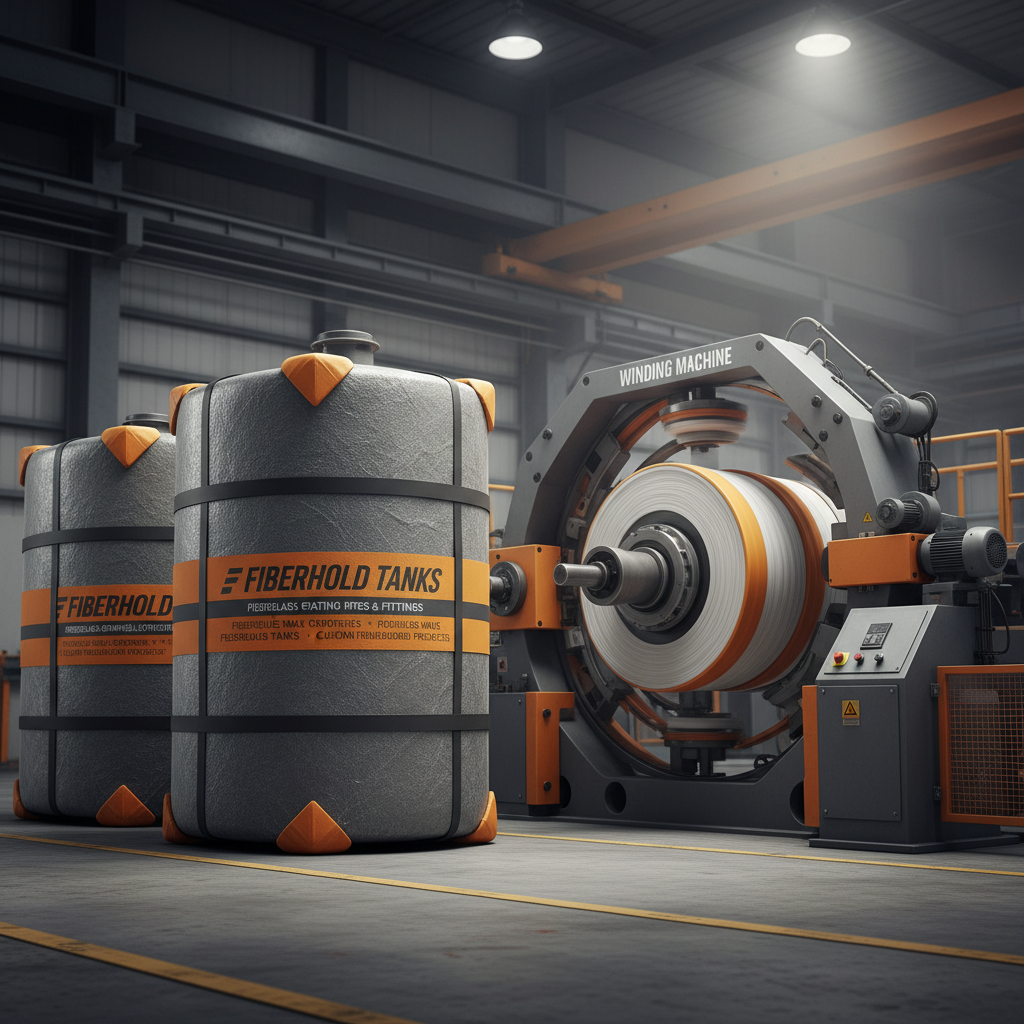
What are Fiberglass Holding Tanks?
Fiberglass holding tanks are constructed using a composite material – fiberglass reinforced plastic (FRP). This material consists of glass fibers embedded in a resin matrix, typically polyester, vinyl ester, or epoxy. This combination creates a tank that is remarkably strong, lightweight, and resistant to a wide range of corrosive substances. Unlike metal tanks, fiberglass won't rust or corrode, leading to a longer lifespan and reduced maintenance costs. They are commonly used for storing water, chemicals, wastewater, and various other liquids.
Key Benefits of Using Fiberglass Holding Tanks
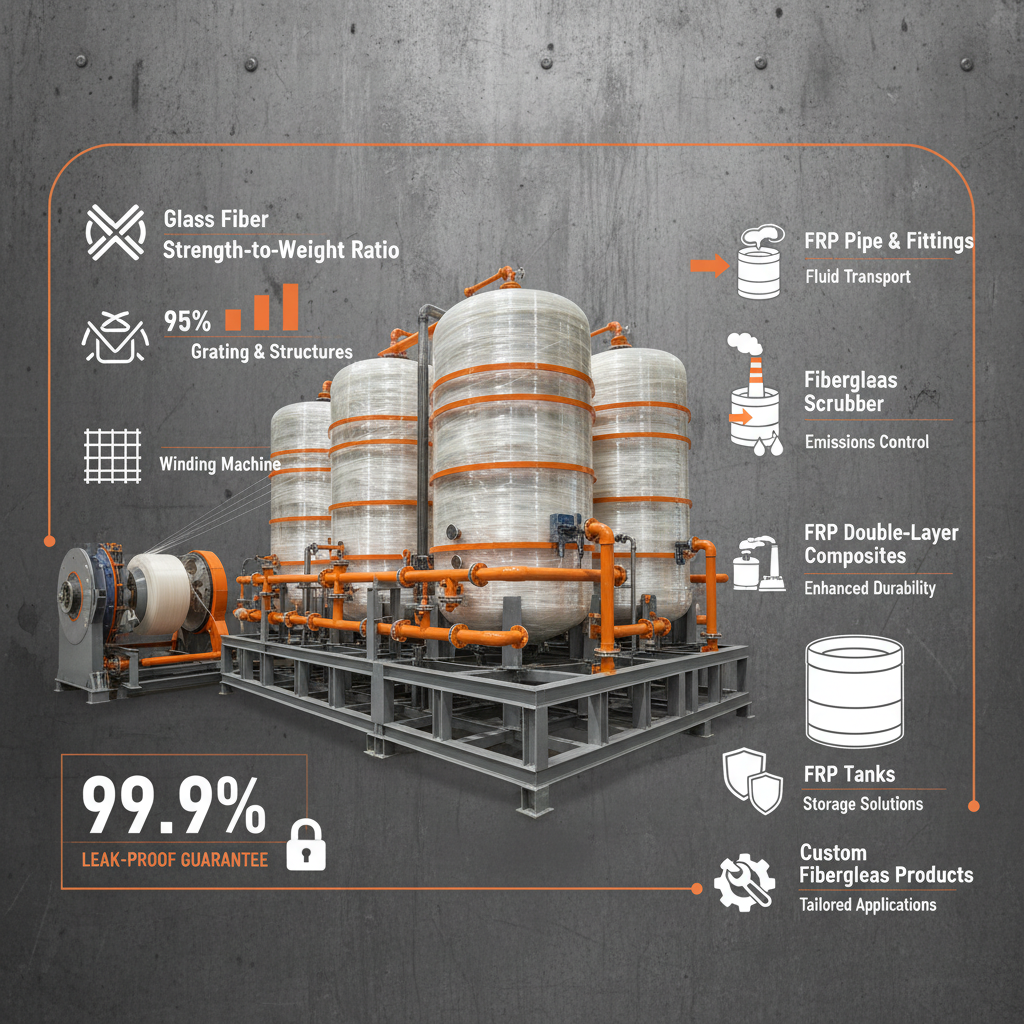
The advantages of using fiberglass holding tanks are numerous. First and foremost is their exceptional corrosion resistance. They are impervious to many chemicals and acids that would quickly degrade metal tanks. Secondly, they offer a long service life, often exceeding 50 years with proper maintenance. Fiberglass is also a lightweight material, making installation easier and reducing transportation costs. Moreover, these tanks require minimal maintenance compared to steel or concrete alternatives. Finally, fiberglass tanks are highly customizable in terms of size, shape, and fittings, allowing you to tailor a solution precisely to your application.
Key Highlights: Corrosion resistance, long service life, lightweight construction, minimal maintenance, and customizable designs.
Applications of Fiberglass Holding Tanks
Fiberglass holding tanks find applications across a vast spectrum of industries. In wastewater treatment, they store effluent and chemicals used in the treatment process. Agricultural businesses use them for storing fertilizers, pesticides, and irrigation water. The chemical processing industry relies on them for safely containing corrosive liquids. Furthermore, they are common in the food and beverage industry for storing ingredients and finished products. They are also used in rainwater harvesting systems and fire protection applications. The versatility of fiberglass tanks makes them a practical choice for diverse storage needs.
Industry Applications:
• Wastewater Treatment
• Agriculture
• Chemical Processing
• Food and Beverage
• Fire Protection
Fiberglass vs. Other Tank Materials
Choosing the right tank material is crucial. While steel, concrete, and polyethylene are common alternatives, fiberglass offers several advantages. Steel tanks are prone to corrosion and require regular painting or coatings. Concrete tanks are heavy and can crack over time. Polyethylene tanks have limitations in terms of chemical compatibility and structural strength. Fiberglass strikes a balance between cost, durability, and performance. Here’s a comparative overview:
Selecting the Right Fiberglass Holding Tank
Choosing the correct fiberglass holding tank involves considering several factors. First, determine the required capacity based on your storage needs. Next, identify the liquid you will be storing to ensure the tank material is compatible. Consider the location of the tank – indoor or outdoor – as this will influence the need for UV protection or insulation. Finally, think about any specific accessories you may require, such as fittings, vents, or level indicators. Jrain-FRP can help you navigate these considerations and select the ideal tank for your application.
Conclusion: Invest in Quality for Long-Term Reliability
Investing in high-quality fiberglass holding tanks is a smart decision that yields long-term benefits. Their durability, corrosion resistance, and low maintenance requirements make them a cost-effective solution for a wide range of applications. Choose a reputable manufacturer like Jrain-FRP to ensure you receive a tank that meets your specific needs and provides years of reliable service.
Frequently Asked Questions (FAQs)
What is the typical lifespan of a fiberglass holding tank?
A properly maintained fiberglass holding tank can easily last 50 years or more. The lifespan depends on the quality of the materials used, the nature of the stored liquid, and environmental conditions. Regular inspections for cracks, leaks, and UV degradation are crucial for maximizing the tank's lifespan. Avoid exposing the tank to extreme temperatures or physical impact, and follow the manufacturer's recommendations for cleaning and maintenance.
Can fiberglass tanks be used for potable water storage?
Yes, fiberglass tanks can be manufactured for potable water storage. However, it’s essential to ensure the tank is constructed using food-grade resins that meet relevant safety standards like NSF/ANSI 61. These resins are certified to be safe for contact with drinking water and won't leach harmful chemicals. Look for tanks specifically labeled and certified for potable water applications.
What maintenance is required for fiberglass holding tanks?
Fiberglass tanks require relatively little maintenance. Regular inspections for cracks, leaks, and UV damage are crucial. Keep the exterior clean to prevent algae growth and staining. Avoid using abrasive cleaners that could damage the gel coat. Periodically check fittings and connections for tightness. For tanks storing corrosive liquids, consult the manufacturer's guidelines for specific maintenance recommendations.
Are fiberglass tanks resistant to UV degradation?
While fiberglass itself is resistant to many forms of corrosion, prolonged exposure to ultraviolet (UV) radiation can cause the resin to degrade over time, leading to fading and potential weakening. Many fiberglass tanks are manufactured with a UV-resistant gel coat to mitigate this issue. For tanks exposed to direct sunlight for extended periods, consider additional UV protection measures, such as painting the tank with a UV-reflective coating or providing shade.


Latest news
-
Industrial High Pressure Fiberglass Pipe Guide and Technical SpecsNewsApr.16,2026
-
Industrial Storage Guide for Fiberglass Chemical TanksNewsApr.09,2026
-
Explore Durable and Customizable Custom Fiberglass Tanks for Your IndustryNewsApr.07,2026
-
Comprehensive Guide to Fiberglass Roof Tanks for Liquid Storage SolutionsNewsApr.04,2026
-
Comprehensive Guide to Durable and Corrosion Resistant Glass Fiber TanksNewsMar.31,2026
-
Comprehensive Guide to Tank Fiberglass Solutions and Their Diverse ApplicationsNewsMar.28,2026