



Comprehensive Guide to Durable Fiberglass Water Storage Tanks
Fiberglass Water Storage Tanks: A Comprehensive Guide
When it comes to reliable and durable water storage solutions, fiberglass water storage tanks are increasingly becoming the preferred choice for a wide range of applications. Their superior strength, corrosion resistance, and cost-effectiveness make them an ideal alternative to traditional materials like steel and concrete. This article will explore the benefits, applications, and considerations when choosing a fiberglass water storage tank from Jrain FRP, providing you with the information you need to make an informed decision. Investing in the right water storage tank is crucial for ensuring a consistent and safe water supply for your needs.
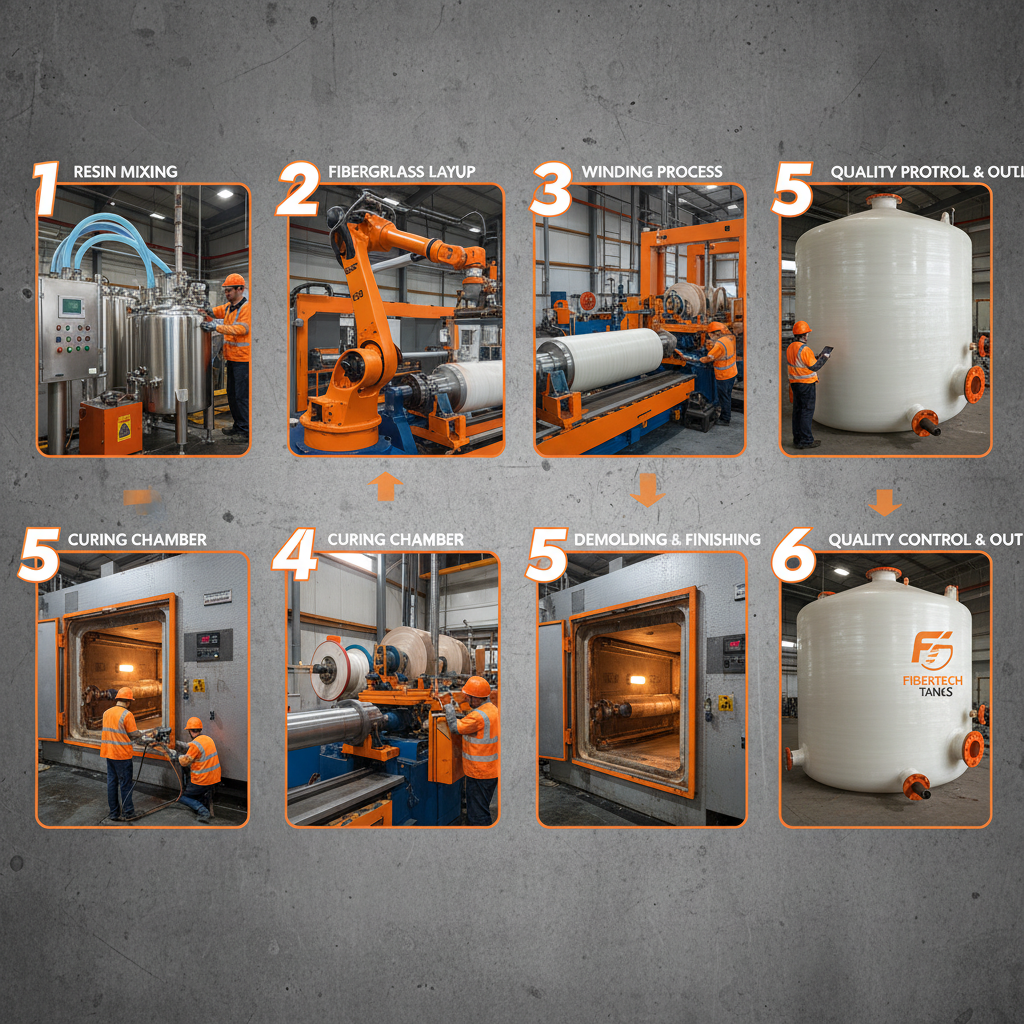
Understanding Fiberglass Water Storage Tanks
Fiberglass water storage tanks are constructed from fiberglass reinforced plastic (FRP), a composite material comprised of glass fibers embedded in a resin matrix. This construction creates a tank that is lightweight yet incredibly strong, capable of withstanding significant pressure and impact. The smooth, non-porous surface of fiberglass also prevents bacterial growth and contamination, ensuring the water remains clean and safe for its intended use. Unlike steel tanks, fiberglass doesn't rust or corrode, significantly reducing maintenance costs and extending the tank's lifespan. Jrain FRP specializes in crafting high-quality, custom fiberglass tanks to meet diverse water storage requirements.
Key Benefits: Lightweight, high strength, corrosion resistance, non-porous surface for water purity, long lifespan, and reduced maintenance.
Applications of Fiberglass Water Storage Tanks
The versatility of fiberglass water storage tanks makes them suitable for a wide array of applications. These include potable water storage for municipalities and residential use, rainwater harvesting, agricultural irrigation, fire suppression systems, and industrial process water. They're also commonly used in chemical storage (depending on resin compatibility) and wastewater treatment. Jrain FRP's tanks are designed to meet the specific needs of each application, with options for customization in size, shape, and fittings.
Common Applications:
• Potable Water Storage
• Rainwater Harvesting
• Agricultural Irrigation
• Fire Suppression Systems
Fiberglass vs. Steel & Concrete: A Comparison
When considering water storage options, it's essential to compare fiberglass with traditional materials like steel and concrete. Steel tanks are susceptible to corrosion, requiring regular painting and maintenance. Concrete tanks can crack and leak, and their weight makes installation more challenging. Fiberglass offers a compelling alternative with superior durability, lower maintenance costs, and a longer lifespan. The table below highlights key differences:
Choosing the Right Fiberglass Water Storage Tank with Jrain FRP
Selecting the appropriate fiberglass water storage tank requires careful consideration of several factors. These include the required capacity, the intended use of the water, the location of the tank (aboveground or underground), and any specific regulatory requirements. Jrain FRP offers a comprehensive range of tanks in various sizes and configurations, and our experienced team can help you determine the best solution for your needs. We use high-quality materials and adhere to strict manufacturing standards to ensure the durability and reliability of our tanks.
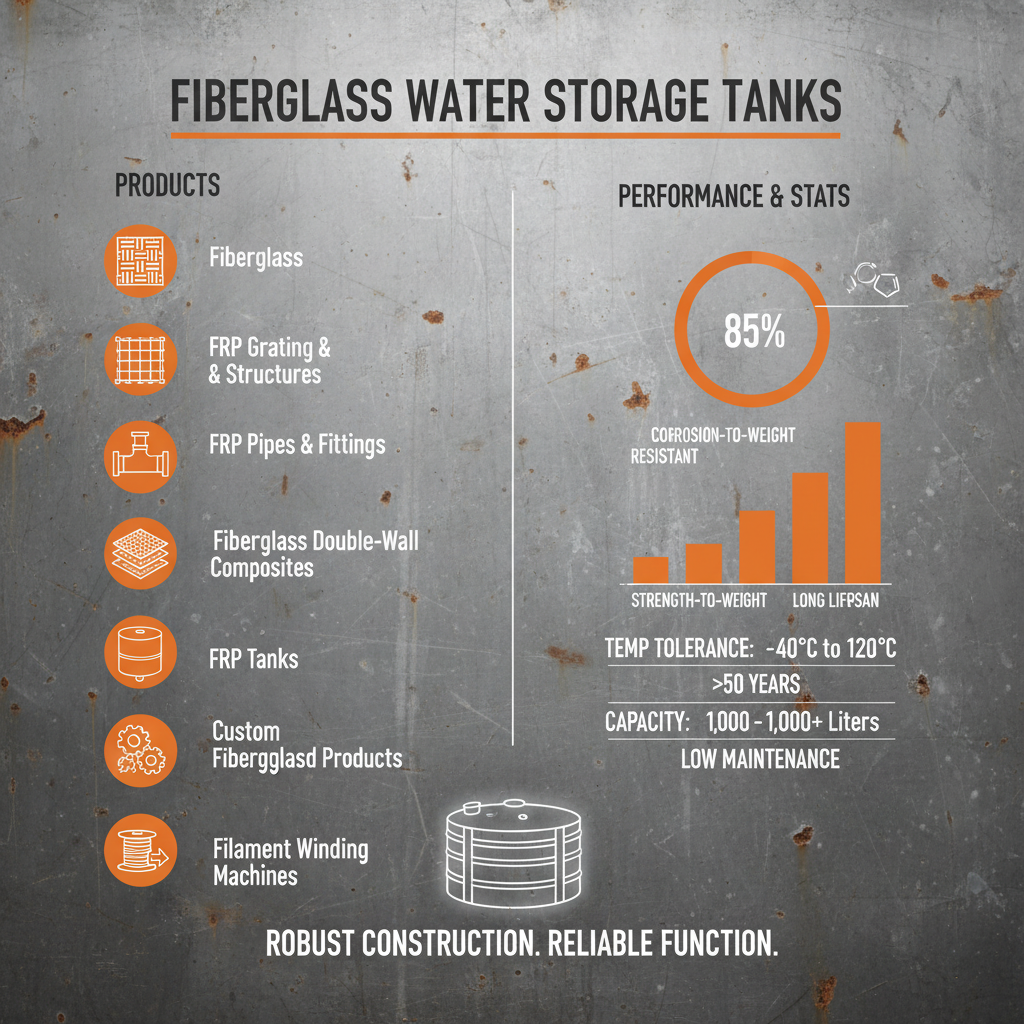
Product Specifications & Tank Sizes
Below is a sample of the specifications for our standard fiberglass water storage tanks. Custom sizes and configurations are available. Please contact us for a tailored quote.
Conclusion: Invest in Quality with Jrain FRP
Choosing fiberglass water storage tanks from Jrain FRP is a smart investment in long-term reliability, durability, and water quality. Our commitment to quality materials, expert craftsmanship, and customer satisfaction ensures you receive a solution tailored to your specific needs. Contact us today for a quote and experience the Jrain FRP difference.
Frequently Asked Questions (FAQs)
What is the typical lifespan of a Jrain FRP fiberglass tank?
Jrain FRP fiberglass tanks are designed for a long service life, typically exceeding 25 years with proper installation and maintenance. The lifespan can be extended with regular inspections and preventative maintenance. Factors influencing longevity include the water chemistry, exposure to UV radiation, and the tank's operating conditions. We recommend periodic cleaning and inspection to ensure optimal performance and longevity. Our tanks are constructed using high-quality resins and fiberglass to withstand harsh environmental conditions.
Can fiberglass tanks be installed underground?
Yes, fiberglass tanks can be installed underground, but proper consideration must be given to backfilling, soil conditions, and potential hydrostatic pressure. Jrain FRP offers tanks specifically designed for underground installation, featuring robust construction and appropriate structural support. It’s crucial to follow local regulations and best practices for underground tank installation, including proper bedding, backfill compaction, and corrosion protection. We can provide guidance and support to ensure a safe and compliant installation.
What types of fittings are available for Jrain FRP tanks?
Jrain FRP offers a wide range of fittings to accommodate various plumbing configurations and application requirements. These include inlet/outlet connections, manways, level indicators, and overflow provisions. We work with various materials, including PVC, CPVC, stainless steel, and polypropylene, to ensure compatibility with the stored liquid. Custom fitting configurations are also available upon request. Our team can assist you in selecting the appropriate fittings for your specific needs.
How do I clean and maintain my fiberglass water tank?
Regular cleaning and maintenance are essential for preserving the longevity and water quality of your fiberglass tank. We recommend an annual inspection and cleaning using a mild detergent and water. Avoid abrasive cleaners or solvents, as they can damage the tank's surface. Check for any signs of cracks, leaks, or damage to the fittings. Proper maintenance will ensure your tank continues to provide reliable water storage for years to come.



Latest news
-
Industrial High Pressure Fiberglass Pipe Guide and Technical SpecsNewsApr.16,2026
-
Industrial Storage Guide for Fiberglass Chemical TanksNewsApr.09,2026
-
Explore Durable and Customizable Custom Fiberglass Tanks for Your IndustryNewsApr.07,2026
-
Comprehensive Guide to Fiberglass Roof Tanks for Liquid Storage SolutionsNewsApr.04,2026
-
Comprehensive Guide to Durable and Corrosion Resistant Glass Fiber TanksNewsMar.31,2026
-
Comprehensive Guide to Tank Fiberglass Solutions and Their Diverse ApplicationsNewsMar.28,2026