



Comprehensive Guide to Durable Underground Fiberglass Tanks and Their Applications
Understanding Underground Fiberglass Tanks: A Comprehensive Guide
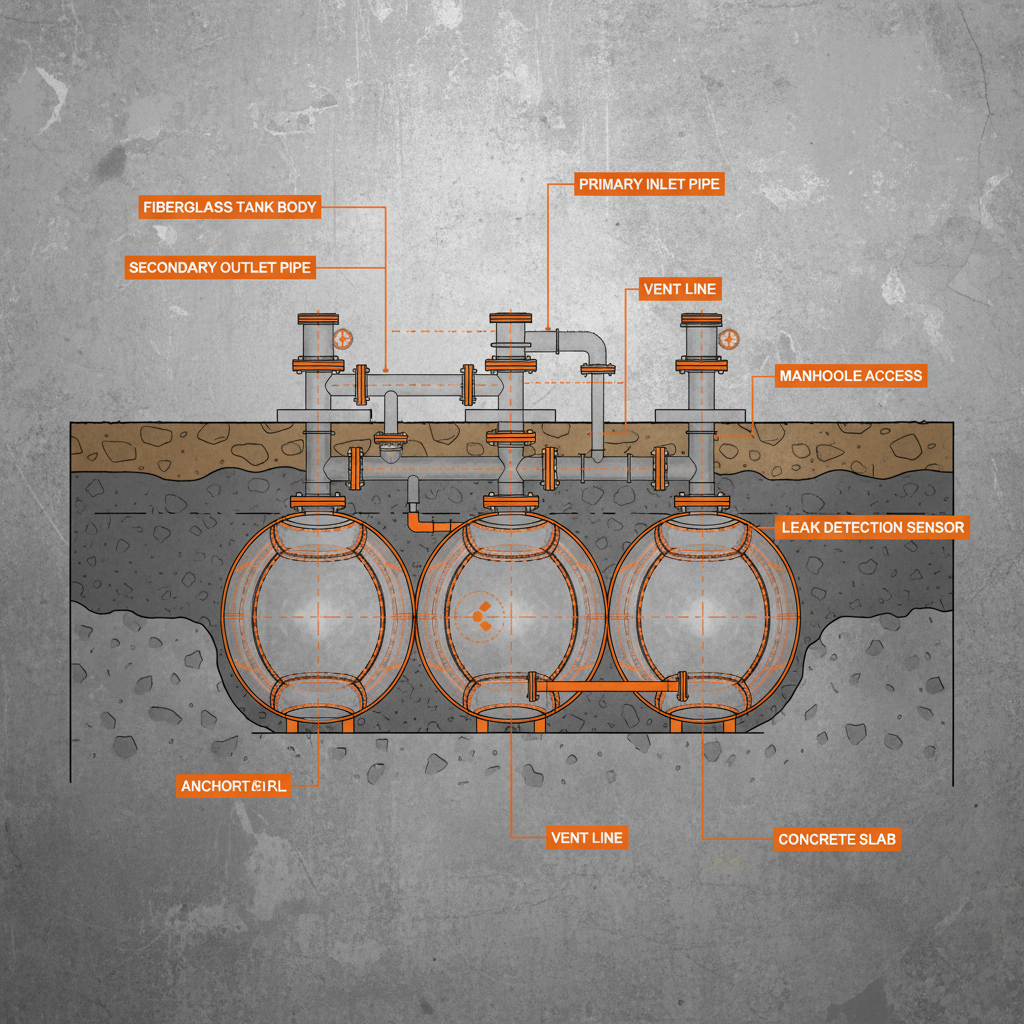
Underground fiberglass tanks are a crucial component in various industries, providing safe and reliable storage solutions for liquids and gases. From fuel storage at gas stations to wastewater management and chemical containment, these tanks offer a durable and corrosion-resistant alternative to traditional steel tanks. This article will explore the benefits, applications, installation, and maintenance of underground fiberglass tanks, helping you understand why they are becoming the industry standard. Proper selection and maintenance are essential to ensuring long-term performance and environmental protection.
The Advantages of Fiberglass Over Traditional Tank Materials
Compared to steel or concrete tanks, fiberglass offers significant advantages. Most notably, fiberglass is inherently corrosion-resistant, eliminating the need for expensive coatings and cathodic protection. This translates to a longer lifespan and reduced maintenance costs. Fiberglass is also lighter than steel, simplifying installation and reducing transportation expenses. Furthermore, its smooth interior surface minimizes friction loss and prevents the buildup of deposits, ensuring efficient flow of contained liquids. The inherent strength and durability of fiberglass make it a reliable choice for long-term underground storage.
Key Benefits: Corrosion resistance, lighter weight, reduced maintenance, longer lifespan, and smoother interior surface for efficient fluid flow.
Common Applications of Underground Fiberglass Tanks
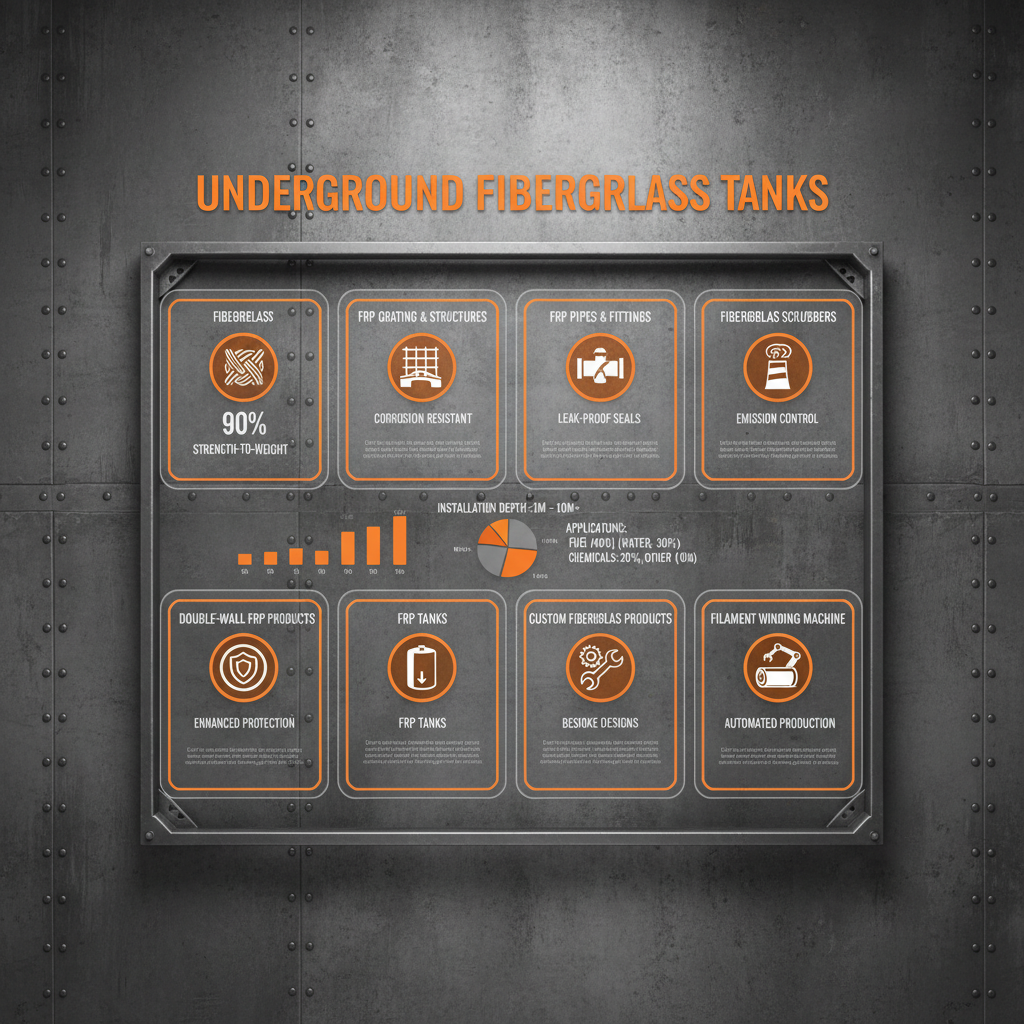
Underground fiberglass tanks find widespread use across a diverse range of industries. Gas stations rely on them for safe and compliant gasoline and diesel fuel storage. Wastewater treatment plants utilize them for effluent holding and septic tank systems. Agricultural operations employ them for fertilizer and pesticide storage. Chemical processing facilities benefit from their chemical resistance for storing a wide variety of compounds. Emergency response teams use them for water storage in disaster relief scenarios. The versatility and reliability of fiberglass tanks make them a valuable asset in numerous applications.
Common Industry Applications:
• Gas Stations (Fuel Storage)
• Wastewater Treatment (Effluent Holding)
• Agriculture (Fertilizer & Pesticide Storage)
• Chemical Processing (Chemical Containment)
Underground Fiberglass Tanks: Comparing Materials and Lifespans
Choosing the right tank material is a critical decision. While steel was traditionally used, its susceptibility to corrosion significantly reduces its lifespan and increases maintenance costs. Concrete tanks can crack and leak over time. Fiberglass, however, offers a superior alternative with a longer service life and minimal maintenance requirements. Here's a comparison to illustrate the differences:
Installation and Maintenance Best Practices
Proper installation is crucial for ensuring the long-term integrity of underground fiberglass tanks. This includes careful site preparation, proper bedding material, and adherence to manufacturer’s specifications. Regular inspections are also essential to identify potential problems early on. Look for signs of leaks, corrosion, or structural damage. Maintaining proper ventilation and preventing excessive loading on the tank are also important maintenance tasks.
Choosing the Right Fiberglass Tank Supplier
Selecting a reputable supplier is paramount. Look for companies with a proven track record of quality, experience, and customer service. Ensure they offer tanks that meet relevant industry standards and regulations. Consider factors such as tank size, capacity, and specific application requirements. JRAIN-FRP is a leading provider of high-quality underground fiberglass tanks, offering customized solutions and expert support to meet your specific needs. We prioritize quality, durability, and customer satisfaction.
Conclusion: A Sustainable and Reliable Storage Solution
Investing in underground fiberglass tanks offers a sustainable, reliable, and cost-effective solution for liquid and gas storage. Their durability, corrosion resistance, and minimal maintenance requirements make them a superior choice compared to traditional materials. By choosing a trusted supplier and following best practices for installation and maintenance, you can ensure long-term performance and environmental protection.
Frequently Asked Questions (FAQs)
What types of liquids can be safely stored in fiberglass tanks?
Fiberglass tanks are compatible with a wide range of liquids, including fuels (gasoline, diesel, ethanol), water, wastewater, chemicals, and agricultural liquids. However, it’s crucial to verify the tank’s chemical resistance to the specific liquid being stored. Some highly corrosive substances may require specialized resin formulations. Always consult the tank manufacturer or a chemical compatibility chart to ensure safe storage.
What is the typical warranty offered on underground fiberglass tanks?
Warranties vary depending on the manufacturer, but typically range from 10 to 20 years for the tank shell. JRAIN-FRP offers a comprehensive warranty on its fiberglass tanks, covering defects in materials and workmanship. The warranty terms and conditions should be reviewed carefully to understand the coverage details and limitations. Proper installation and adherence to maintenance recommendations are often required to maintain warranty validity.
Are fiberglass tanks subject to environmental regulations?
Yes, underground storage tanks, including fiberglass tanks, are subject to stringent environmental regulations at both the federal and state levels. These regulations are designed to prevent leaks and spills that could contaminate soil and groundwater. Compliance requirements typically include leak detection systems, secondary containment measures, and regular inspections. It’s essential to work with a supplier who understands and adheres to all applicable regulations.



Latest news
-
Industrial High Pressure Fiberglass Pipe Guide and Technical SpecsNewsApr.16,2026
-
Industrial Storage Guide for Fiberglass Chemical TanksNewsApr.09,2026
-
Explore Durable and Customizable Custom Fiberglass Tanks for Your IndustryNewsApr.07,2026
-
Comprehensive Guide to Fiberglass Roof Tanks for Liquid Storage SolutionsNewsApr.04,2026
-
Comprehensive Guide to Durable and Corrosion Resistant Glass Fiber TanksNewsMar.31,2026
-
Comprehensive Guide to Tank Fiberglass Solutions and Their Diverse ApplicationsNewsMar.28,2026