



Comprehensive Guide to Fiber Water Tank Solutions and Applications
Fiber Water Tank: A Comprehensive Guide
Fiberglass water tanks are increasingly becoming the preferred choice for water storage across various industries. Their lightweight nature, durability, and corrosion resistance offer significant advantages over traditional materials like steel or concrete. This article provides a detailed overview of fiber water tanks, exploring their applications, benefits, construction, and important considerations when making a purchase. Choosing the right water storage solution is critical for ensuring water quality and long-term reliability. Understanding the nuances of fiberglass tanks can empower you to make an informed decision.
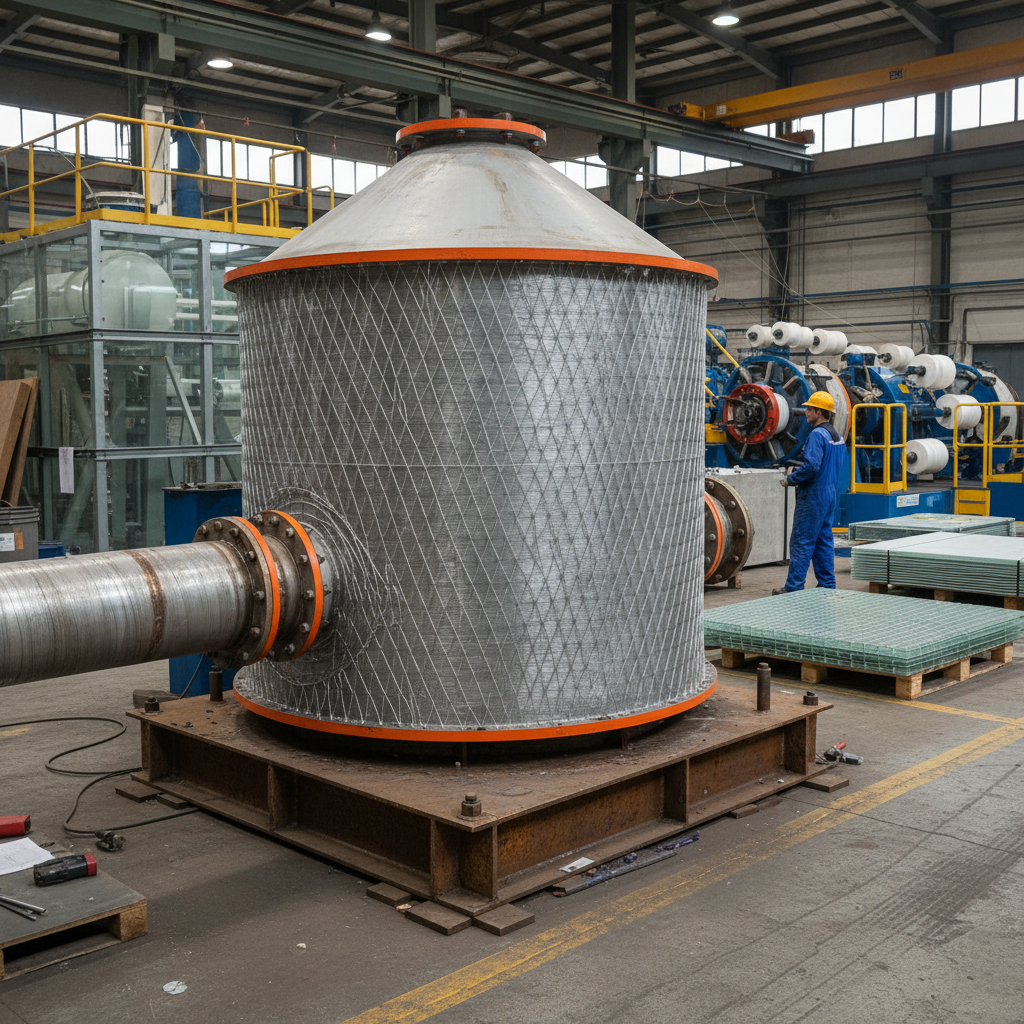
What are Fiber Water Tanks?
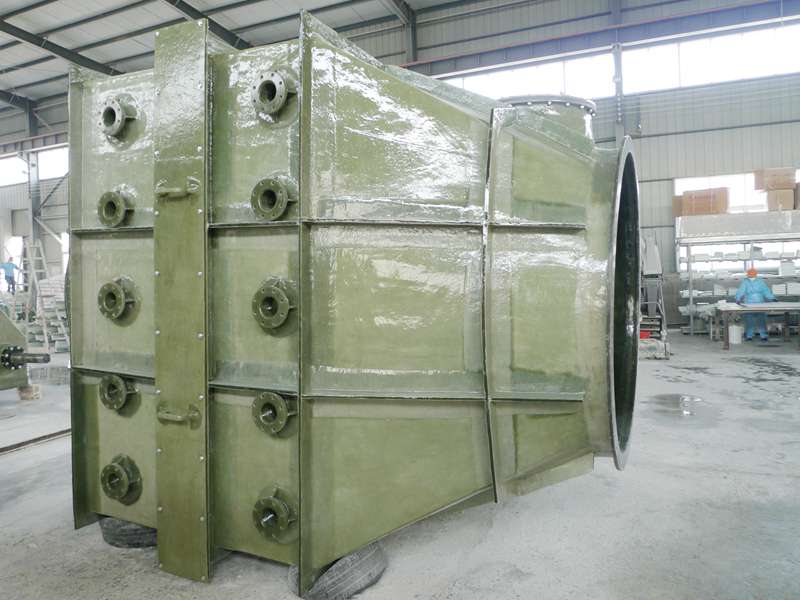
Fiber water tanks, also known as FRP (Fiber Reinforced Polymer) tanks, are constructed using layers of fiberglass reinforced with resin. This combination creates a robust and lightweight structure capable of storing a wide range of liquids, including potable water, wastewater, chemicals, and rainwater. The manufacturing process involves winding or molding the fiberglass layers around a core, resulting in a seamless, leak-proof tank. JRAIN-FRP specializes in high-quality fiberglass water tanks tailored to meet diverse storage needs.
Key Highlights: Fiberglass water tanks are seamless, lightweight, corrosion-resistant and require minimal maintenance, making them a cost-effective long-term solution.
Applications of Fiber Water Tanks
The versatility of fiber water tanks makes them suitable for a wide variety of applications. Common uses include: potable water storage for residential, commercial, and municipal purposes; rainwater harvesting systems; agricultural irrigation; chemical storage in industrial settings; wastewater treatment and septic tank systems; and fire suppression systems. Their ability to withstand harsh environmental conditions and resist corrosion makes them ideal for both indoor and outdoor installations. They are a popular choice for remote locations where access to traditional materials is limited.
Key Benefits:
• Corrosion resistance ensures long life and water purity.
• Lightweight construction simplifies installation and reduces transportation costs.
• High strength-to-weight ratio provides structural integrity.
• Low maintenance requirements minimize ongoing costs.
Fiber Water Tank vs. Traditional Materials
Comparing fiber water tanks to traditional materials like steel and concrete reveals significant advantages. Steel tanks are prone to corrosion, requiring regular maintenance and painting, while concrete tanks are heavy and susceptible to cracking. Fiberglass tanks offer a superior combination of durability, corrosion resistance, and weight savings. Moreover, the manufacturing process allows for custom shapes and sizes, providing greater flexibility in installation. JRAIN-FRP provides customized solutions based on your specific needs.
Selecting the Right Fiber Water Tank: Key Considerations
When choosing a fiber water tank, consider factors like tank capacity, dimensions, liquid being stored, temperature requirements, and local regulations. Ensure the tank is manufactured from high-quality materials and certified to meet relevant industry standards. Proper installation is crucial for ensuring long-term performance and preventing leaks. JRAIN-FRP offers expert guidance and support throughout the selection and installation process.
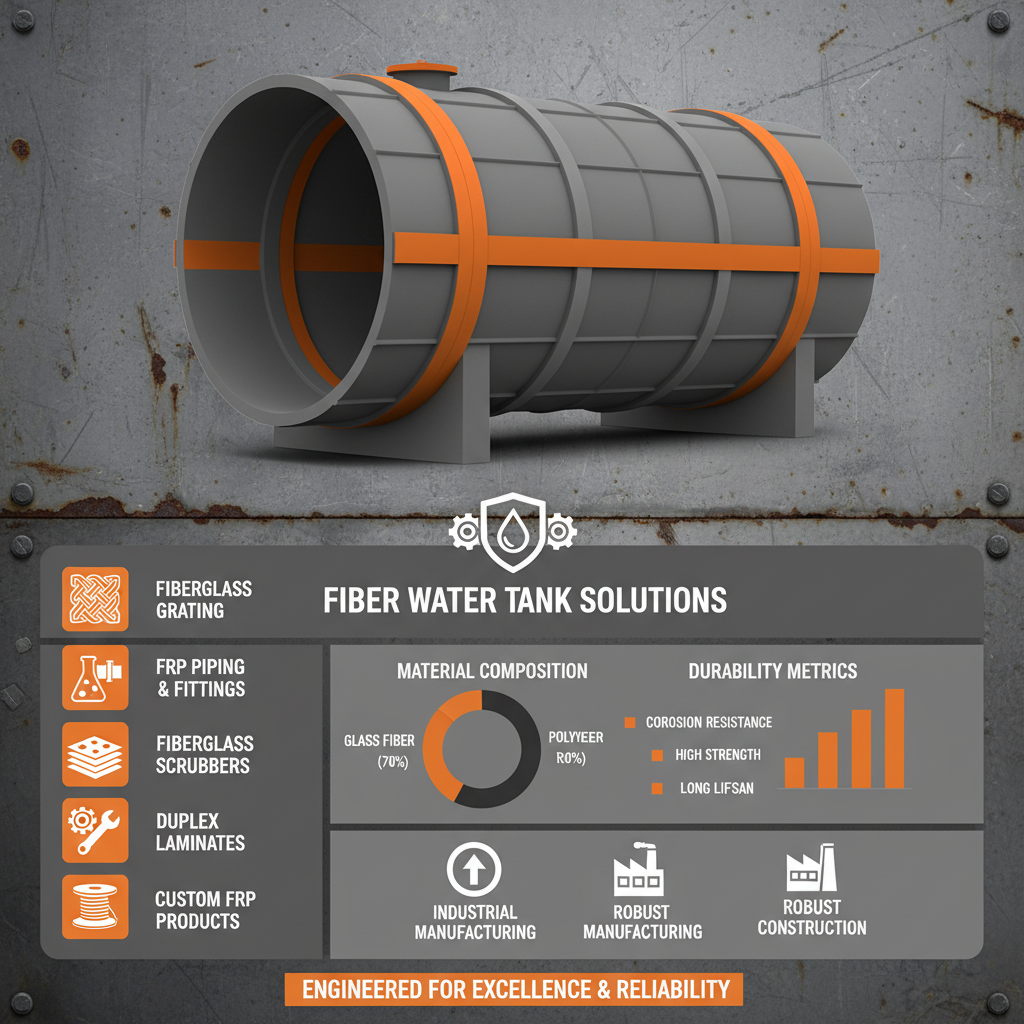
Product Specifications and Options
Fiber water tanks from JRAIN-FRP are available in a wide range of capacities, from a few hundred gallons to tens of thousands of gallons. We offer both vertical and horizontal tank configurations, as well as custom designs to meet specific project requirements. Options include various inlet/outlet connections, manways, and level indicators. Our tanks are manufactured using food-grade resins suitable for potable water storage.
Conclusion: Investing in a Reliable Water Storage Solution
Fiber water tanks offer a compelling combination of durability, cost-effectiveness, and versatility. Choosing a reputable manufacturer like JRAIN-FRP ensures you receive a high-quality product backed by expert support. Investing in a reliable water storage solution is a crucial step towards ensuring water security and long-term peace of mind.
Frequently Asked Questions (FAQs)
What is the expected lifespan of a JRAIN-FRP fiber water tank?
With proper installation and maintenance, a JRAIN-FRP fiber water tank can reliably serve for 25-50 years or even longer. The lifespan is influenced by factors such as the liquid stored, environmental conditions, and adherence to recommended maintenance practices. Regular inspections for any signs of damage, such as cracks or leaks, are crucial. We utilize high-quality materials and rigorous quality control processes to ensure the longevity of our tanks.
Can fiber water tanks be installed underground?
Yes, JRAIN-FRP fiber water tanks can be installed underground, provided they are properly supported and protected from external loads. Backfilling procedures must adhere to manufacturer's recommendations to prevent deformation or damage. Underground installation offers benefits such as temperature regulation and space saving. However, it's essential to consider accessibility for maintenance and inspection.
What types of liquids can be stored in a JRAIN-FRP fiber water tank?
JRAIN-FRP tanks are suitable for storing a wide range of liquids, including potable water, rainwater, wastewater, chemicals, and fertilizers. The specific resin type used in the tank's construction determines its compatibility with different chemicals. It is crucial to confirm chemical compatibility with our team before storing any corrosive or aggressive substances to ensure the tank's integrity isn't compromised.



Latest news
-
Industrial High Pressure Fiberglass Pipe Guide and Technical SpecsNewsApr.16,2026
-
Industrial Storage Guide for Fiberglass Chemical TanksNewsApr.09,2026
-
Explore Durable and Customizable Custom Fiberglass Tanks for Your IndustryNewsApr.07,2026
-
Comprehensive Guide to Fiberglass Roof Tanks for Liquid Storage SolutionsNewsApr.04,2026
-
Comprehensive Guide to Durable and Corrosion Resistant Glass Fiber TanksNewsMar.31,2026
-
Comprehensive Guide to Tank Fiberglass Solutions and Their Diverse ApplicationsNewsMar.28,2026