

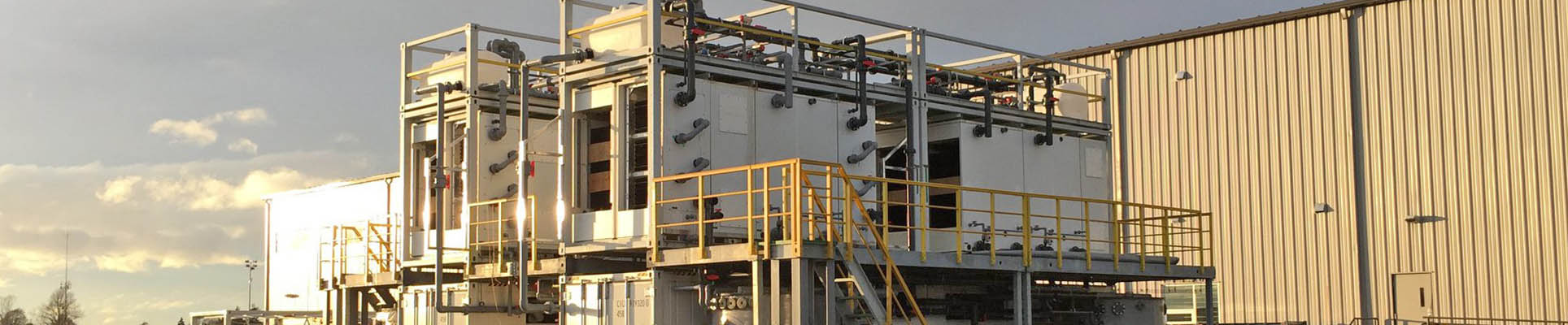
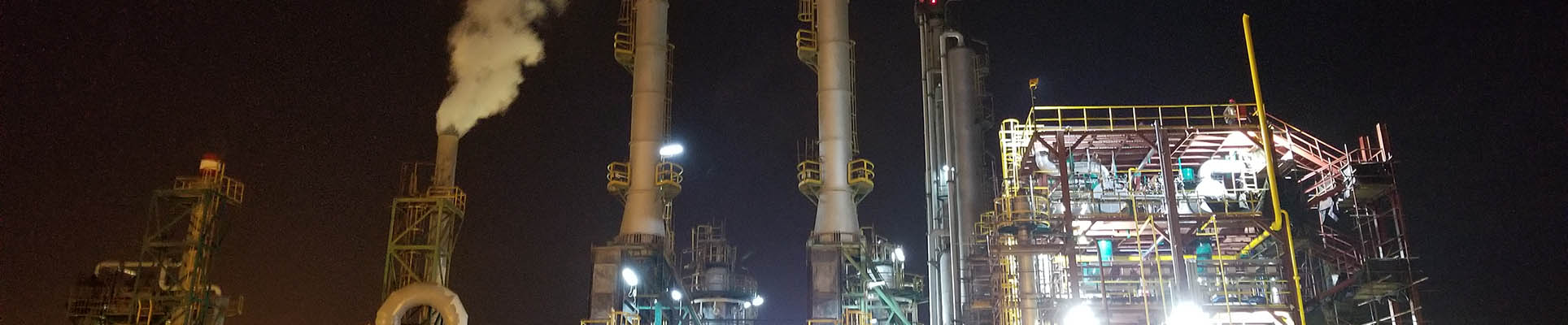
Fiberglass for Steel Smelting Plant: Enhancing Efficiency & Sustainability
Understanding Fiberglass for Steel Smelting Plant: Why It Matters
At first glance, fiberglass might just seem like a common industrial material — you know, that stuff in boats, insulation, or car parts. But when it comes to steel smelting plants, fiberglass plays a quietly crucial role in modern industry. The metal production world relies on materials that handle extreme heat, chemical exposure, and mechanical stress, all while keeping operations safe and efficient. Fiberglass fits right into this niche. Its unique properties help steel smelting plants achieve higher operational resilience, reduce maintenance costs, and improve sustainability efforts globally.
Why the big deal? Well, steel is foundational to everything from skyscrapers to vehicles to infrastructure, and steel smelting plants are the beating heart of this industry. Improving their safety and efficiency with materials like fiberglass helps the global economy tangibly — less downtime, fewer hazards, and an overall greener footprint. As steel production accounts for roughly 7-9% of global CO₂ emissions (according to the World Steel Association), any incremental innovation in plant materials can have significant environmental impacts.
The Global Context of Fiberglass in Steel Smelting
Steel production is a hallmark of industrial progress worldwide but also a major energy and resource consumer. According to the United Nations Industrial Development Organization (UNIDO), refining operational materials like fiberglass in these plants can improve longevity and cut waste. The challenge? Steel smelting environments are notoriously harsh — with temperatures exceeding 1600°C, corrosive chemicals, and intense mechanical strain. Fiberglass composites help to bridge this gap by providing thermal resistance and structural durability that traditional materials struggle with.
Globally, places with heavy steel-producing industries — China, India, the EU, and the US — constantly seek innovations that reduce plant downtime and increase overall environmental compliance. Fiberglass systems also support newer, greener steel production methods, including electric arc furnaces (EAFs), which demand more efficient insulation and safer containment materials. So, when we talk about fiberglass for steel smelting plants, we’re essentially discussing a key enabler for industrial modernization and sustainability on a global scale.
Mini takeaway:
- Steel smelting plants operate under extreme conditions, demanding specialized materials.
- Fiberglass composites offer thermal, mechanical, and chemical resilience needed.
- Global industrial leaders prioritize these materials for efficiency and green goals.
What Exactly Is Fiberglass for Steel Smelting Plants?
Fiberglass is basically a fiber-reinforced polymer made by weaving fine glass fibers together and binding them with a resin. When used in steel smelting plants, it acts as insulation, lining, or structural components that withstand the enormous heat and stress of molten metal processing. Think of it as the steady guardian keeping extreme temperatures at bay while protecting steel infrastructure.
This material’s core strength lies in combining flexibility with durability. Unlike steel, it doesn’t rust or conduct heat rapidly. This means less energy loss, safer plant environments, and lower repair expenses. It also fits into the humanitarian side: steel production underpins infrastructure projects vital to developing nations. Reliable and efficient plants translate to better urban growth, safer construction, and job creation.
Mini takeaway:
- Fiberglass is a composite of glass fibers and resin tailored for extreme heat.
- In steel plants, it provides durable insulation and protection against corrosion.
- It supports both industrial and broader social development through improved infrastructure.
Key Components That Make Fiberglass Ideal for Steel Smelting
1. Heat Resistance
Thermal stability is the headline feature. Fiberglass can comfortably handle temperatures up to 600°C and beyond depending on resin type. This makes it perfect for linings and insulation inside the smelter’s furnace and vents, reducing heat loss and improving efficiency.
2. Chemical Durability
Molten steel environments often produce corrosive gases and slag residues. Fiberglass resists these chemical attacks better than many metals or ceramics, which can degrade quickly or require frequent replacement.
3. Lightweight Nature
Compared to metal parts, fiberglass is far lighter. This simplifies handling, installation, and allows for designs with greater flexibility without compromising strength.
4. Cost Efficiency
Long-term savings come into play. The durability of fiberglass means less frequent maintenance cycles and parts replacements. Over a steel plant’s lifecycle, this can amount to significant reductions in both downtime and operational costs.
5. Versatility and Customization
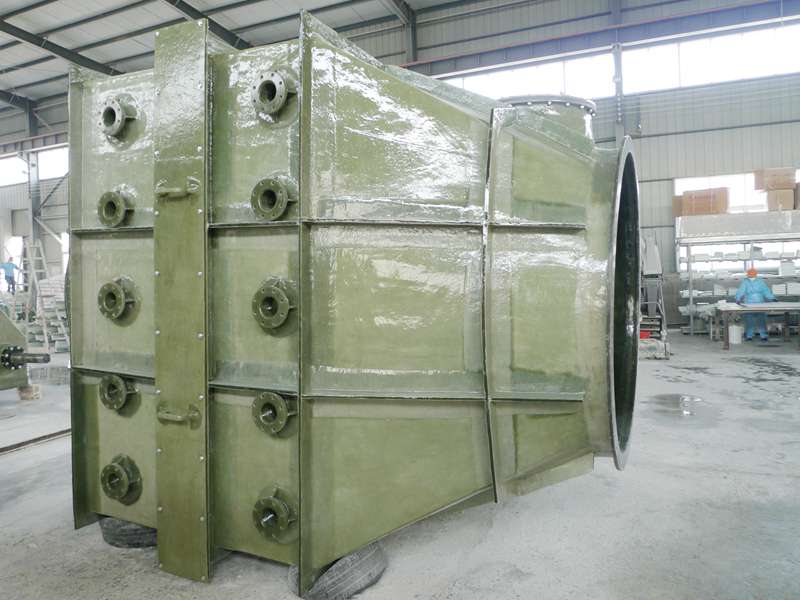
Fiberglass can be molded into different shapes and layered for specific uses, from pressure-resistant pipes to custom insulation panels. This adaptability is essential when confronting the varied needs of modern steel plants.
Mini takeaway:
- Heat resistance and chemical durability are the fiberglass’s biggest assets.
- Its light weight and versatility improve operational flexibility and cost savings.
Industrial Applications and Examples Worldwide
Fiberglass finds diverse applications across steel smelting plants on almost every continent. In Europe, leading steel producers utilize fiberglass for furnace linings and exhaust ducts, benefiting from the material’s longevity and energy-saving insulation. India’s rapidly scaling steel plants employ fiberglass components to meet increasingly strict environmental standards without straining budgets.
Particularly interesting is the deployment in remote industrial zones in Russia and Canada. These regions face extreme cold and logistical challenges, so fiberglass parts reduce installation time and maintenance complexity — critical given the harsh weather and limited workforce access.
One interesting case from China involved a large state-owned steelmaker that replaced older refractory brick linings with advanced fiberglass composite panels. The result? A notable 12% reduction in energy consumption and a significant drop in furnace maintenance interruptions. It’s a prime illustration of how smart material choices impact productivity and sustainability.
For readers needing more technical insight, check out fiberglass for steel smelting plant.
Mini takeaway:
- Fiberglass improves plant efficiency in Europe, Asia, and remote zones like Russia.
- Specific case studies highlight measurable energy savings and reliability gains.
A Practical Look: Product Specifications for Fiberglass Parts
| Specification | Typical Range | Notes |
|---|---|---|
| Operating Temperature | Up to 600°C (variable with resin) | High-temp resins improve limits |
| Tensile Strength | 350 - 700 MPa | Depends on fiber weave and resin |
| Thermal Conductivity | 0.04 - 0.06 W/m·K | Compared to steel ~50 W/m·K |
| Corrosion Resistance | Excellent | Resists acids, alkalis, salts |
| Weight | ~1.8 - 2.0 g/cm³ | Much lighter than steel (7.85 g/cm³) |
Vendor Comparison for Fiberglass Solutions
| Vendor | Product Range | Lead Time | Customization | Price Range |
|---|---|---|---|---|
| FRP Global | Insulation panels, pipes, tubes | 3-5 weeks | High (custom shapes, sizes) | $$$ |
| SteelInsulate Inc. | Standard fiberglass linings | 2-4 weeks | Moderate (standard sizes) | $$ |
| EcoFiberglass Solutions | Eco-friendly resins, composites | 5-7 weeks | Custom eco designs | $$$ |
Advantages & Long-Term Value of Using Fiberglass
To be frank, the benefits of fiberglass in steel smelting plants aren’t just technical jargon; they ripple across economic, environmental, and even emotional domains. For plant managers, fiberglass means fewer shutdowns — translating to less stress and continuity headaches. From a cost perspective, reduced wear means spending less on repairs and material replacement. And in terms of sustainability, fiberglass supports lower energy use due to its insulating properties, aligning steel production with green initiatives.
Personally, I find the safety angle compelling. Using non-metallic materials reduces risks related to electrical conduction and corrosion-related failures — keeping workers safer. And feeling confident your plant won’t be sidelined by unexpected breakdowns? That's priceless for any industrial operation.
Emerging Trends and Innovations in Fiberglass for Steel Smelting
What’s next for fiberglass in this sector? High-temperature resin systems are evolving, pushing thermal thresholds further, meaning fiberglass can be used closer to molten metal than ever before. Also, combining fiberglass with nanomaterials is opening new frontiers in strength and durability, though it's still early days.
Automation and digital monitoring integrate with fiberglass usage too, where smart sensors embedded in fiberglass panels provide real-time feedback on conditions — a massive step for predictive maintenance. And naturally, the shift towards green manufacturing boosts demand for eco-friendly fiberglass composites that reduce environmental impact during production and disposal.
Common Challenges and How to Overcome Them
It’s not all smooth sailing. Fiberglass can be brittle under impact and sometimes tricky to install without specialist training. Also, the initial upfront cost can seem steep compared to steel or brick, which scares some budget-conscious decision makers.
But many plants find that proper worker training dramatically reduces installation issues, and thoughtful design mitigates brittleness — layering fiberglass with flexible underlays, for example. Plus, when you calculate lifecycle costs (energy savings, fewer breakdowns), that apparent upfront expense evaporates quickly.
FAQs About Fiberglass for Steel Smelting Plant
- What makes fiberglass better than traditional refractory bricks in steel plants?
- Fiberglass is lighter, easier to install, and more resistant to chemical corrosion. While refractory bricks offer excellent heat resistance, fiberglass composites provide better insulation and flexibility, reducing maintenance downtime.
- How long can fiberglass components last inside a steel smelting environment?
- With proper care, fiberglass parts can last 10+ years, depending on operating conditions and resin quality. Regular inspections further extend longevity by catching wear or damage early.
- Is fiberglass environmentally friendly for steel plants?
- Fiberglass helps reduce energy consumption thanks to its insulation. Newer eco-resins also minimize environmental impacts during production and disposal, making it a greener choice compared to some traditional materials.
- Can fiberglass be customized for different plant designs?
- Absolutely. Fiberglass’s versatility allows customization in shape, thickness, and temperature rating — perfect for unique furnace configurations or piping systems.
- How quickly can fiberglass solutions be sourced and delivered?
- Lead times vary between vendors but typically range from 2 to 7 weeks, depending on complexity and customization requirements.
Conclusion: Why Fiberglass Remains a Smart Choice
In the end, choosing fiberglass for your steel smelting plant isn’t just about ticking boxes on specs. It’s investing in a material that tangibly improves efficiency, safety, and sustainability. The global push for cleaner steel production, coupled with the need to maximize uptime and minimize costs, means fiberglass solutions will keep growing in demand.
For a deeper dive and reliable products, don't miss visiting fiberglass for steel smelting plant. Seriously, it might just be that edge your operation needs.
References
Latest news
-
Industrial High Pressure Fiberglass Pipe Guide and Technical SpecsNewsApr.16,2026
-
Industrial Storage Guide for Fiberglass Chemical TanksNewsApr.09,2026
-
Explore Durable and Customizable Custom Fiberglass Tanks for Your IndustryNewsApr.07,2026
-
Comprehensive Guide to Fiberglass Roof Tanks for Liquid Storage SolutionsNewsApr.04,2026
-
Comprehensive Guide to Durable and Corrosion Resistant Glass Fiber TanksNewsMar.31,2026
-
Comprehensive Guide to Tank Fiberglass Solutions and Their Diverse ApplicationsNewsMar.28,2026