



Grp Damper: Durable, Lightweight Airflow Control Solutions for Industry | Jrain Frp
Grp Damper is a key solution in the industry, specifically within ventilation and environmental control sectors. This article explores how https://www.jrain-frp.com supports professionals with durable, high-performance products, and explains why this product is an ideal choice for businesses in these sectors.
Table of Contents
- Grp Damper Overview
- Benefits & Use Cases of Grp Damper
- Cost, Maintenance & User Experience
- Sustainability & Market Trends
Grp Damper Overview
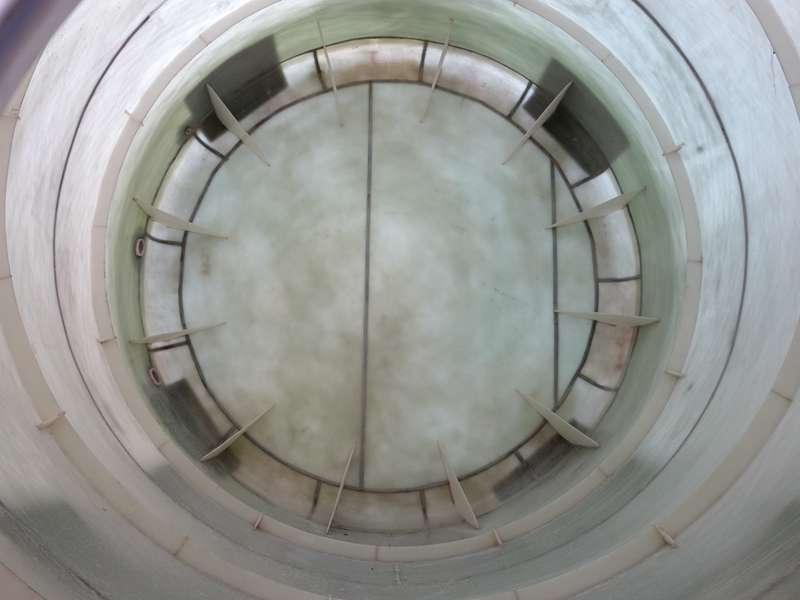
The term Grp Damper refers to a damper component constructed primarily from Glass Reinforced Plastic (GRP), a composite material known for its strength-to-weight ratio and corrosion resistance. In real terms, this means that for industries managing airflow control—think HVAC systems, exhaust outlets, or ventilation shafts—Grp Dampers are a reliable, long-lasting choice. Their inherent resistance to environmental wear and chemical corrosion makes them stand out, especially when compared to metallic or traditional dampers.
Technically, Grp Dampers combine fiberglass reinforcements and resin matrices to form a sturdy yet light part. The design typically features precise blade assemblies that rotate to regulate air passage efficiently. What I find interesting is how customization plays a big role; many engineers specify blade sizes, torque specifications, or sealing systems to tailor the damper for specific airflow or pressure conditions. A case study I’ve seen involved a chemical processing plant where Grp Dampers replaced corroded metal ones, extending the maintenance interval by over 50%.
| Specification | Grp Damper Detail |
|---|---|
| Material | Glass Reinforced Plastic with UV protection |
| Operating Temperature | -40°C to 120°C |
| Weight | Up to 40% lighter than metal alternatives |
| Corrosion Resistance | Highly resistant to chemical and moisture attack |
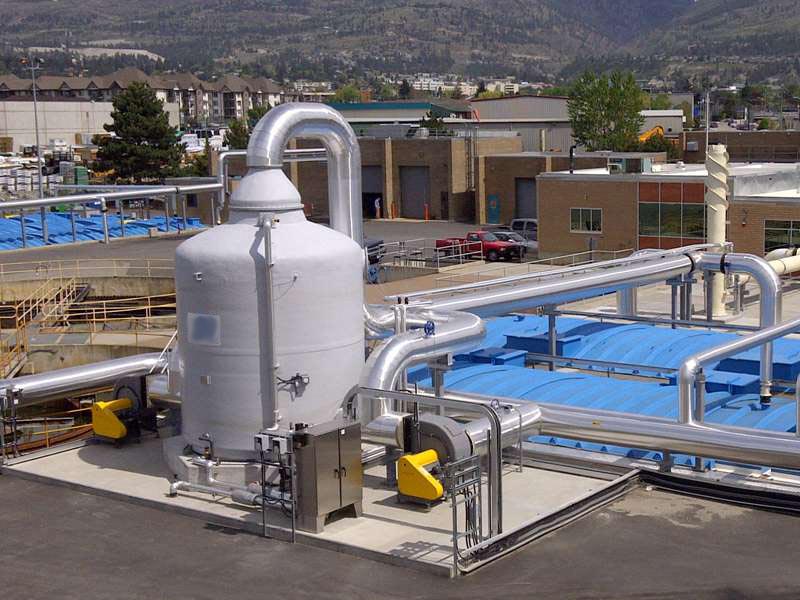
| Typical Applications | HVAC, industrial ventilation, exhaust systems |
Benefits & Use Cases of Grp Damper
Many industries have realized the potential of Grp Dampers to overcome persistent challenges related to corrosion and weight. For example, in plants where aggressive chemicals and moisture are a constant threat, traditional metal dampers can deteriorate fast, leading to costly shutdowns for repairs. Oddly enough, Grp Dampers sidestep this by virtue of their composite nature, resisting corrosion and thus enhancing uptime.
Benefits include reduced structural load due to their light weight, which in turn eases installation and reduces support infrastructure costs. The non-conductive aspect of GRP is frequently cited by engineers who work on electrical or hazardous environments, where spark risk must be minimized. Plus, the ease of customization offered by companies like Jrain Frp ensures that businesses get tailor-made dampers that fit their airflow requirements seamlessly — a feature that frankly makes the difference in performance optimization.
Cost, Maintenance & User Experience
When considering the total cost of ownership, many decision-makers have found that Grp Dampers offer excellent ROI. While the initial purchase price may be slightly higher than some conventional dampers, the durability and minimal maintenance needs balance things out quickly. Users report fewer breakdowns and lower downtime costs — which, you know, counts a lot more in real industrial settings than just sticker price.
Maintenance usually boils down to simple inspections and occasional cleaning since the material naturally stands up to common environmental wear. Feedback from industrial customers — including HVAC contractors and chemical plant managers — often highlights satisfaction with the product’s longevity and consistent performance. One user shared how switching to Grp Dampers halted the frequent replacements they used to endure, improving their maintenance cycles.
| Aspect | Grp Damper (Jrain Frp) | Traditional Metal Damper |
|---|---|---|
| Initial Cost | Moderate | Lower |
| Maintenance Frequency | Low | High |
| Corrosion Resistance | Excellent | Poor to Moderate |
| Weight | Lightweight | Heavy |
| Installation Flexibility | High | Moderate |
Sustainability & Market Trends
Sustainability continues to be a driving force across B2B industries, and oddly enough, Grp Dampers align quite well with this trend. Because they last longer and require less material-intensive upkeep, they reduce the overall environmental footprint in terms of energy and resource consumption. Moreover, many governments and industrial standards are tightening regulations around materials used in emission-control and ventilation systems, pushing manufacturers to adopt more eco-friendly composites like GRP.
Market analysis suggests steady growth in adoption as industries look for products that not only perform well but also comply with green standards. If you walk through any modern chemical processing or waste treatment facility, it’s almost guaranteed you’ll see Grp Dampers at work, given their resilience and sustainability edge.
Frequently Asked Questions about Grp Damper
- What is Grp Damper and how does it work?
- In simple terms, a Grp Damper is a device made from glass-reinforced plastic that regulates airflow inside ducts or ventilation systems by opening or closing adjustable blades. Its composite structure provides strength and corrosion resistance, essential for controlling air or gas flow reliably over time.
- What are the main benefits of using Grp Damper in industrial applications?
- Key benefits include high corrosion resistance, reduced weight compared to metal dampers, customizable designs for various airflow requirements, and lower maintenance needs. These contribute to longer service life and improved operational efficiency.
- How does Grp Damper compare to traditional alternatives?
- Unlike metal dampers that can corrode and are heavier, Grp Dampers are lightweight, non-corrosive, and often easier to install. Their materials also offer electrical insulation properties, which metal dampers do not provide.
- What industries can benefit most from Grp Damper implementation?
- Industries such as chemical processing, HVAC manufacturing, wastewater treatment, and power generation can benefit substantially, especially where aggressive environmental conditions or electrical safety are concerns.
Conclusion on Grp Damper from china
To wrap it up, Grp Dampers represent a solid investment for businesses looking to improve airflow control with fewer maintenance headaches and longer-lasting products. Their blend of lightweight, corrosion resistance, and customization options makes them a smart choice in various industrial applications. For anyone asking where to find proven, durable Grp Dampers, visit our website and see how these solutions can support your operation’s needs.
In the end, it kind of comes down to getting the right material for the right job — and GRP dampers do just that, quietly but effectively.
References
- Jrain Frp technical brochures and case studies.
- Industry standards on ventilation and corrosion resistance.
- Customer testimonials from chemical and HVAC sectors.
Latest news
-
Industrial High Pressure Fiberglass Pipe Guide and Technical SpecsNewsApr.16,2026
-
Industrial Storage Guide for Fiberglass Chemical TanksNewsApr.09,2026
-
Explore Durable and Customizable Custom Fiberglass Tanks for Your IndustryNewsApr.07,2026
-
Comprehensive Guide to Fiberglass Roof Tanks for Liquid Storage SolutionsNewsApr.04,2026
-
Comprehensive Guide to Durable and Corrosion Resistant Glass Fiber TanksNewsMar.31,2026
-
Comprehensive Guide to Tank Fiberglass Solutions and Their Diverse ApplicationsNewsMar.28,2026