


Comprehensive Guide to Fiberglass Elbows for Piping Systems and Infrastructure
Understanding Fiberglass Elbows: A Comprehensive Guide
Fiberglass elbows are critical components in various industries, providing directional changes in piping systems while offering exceptional corrosion resistance and lightweight properties. This article will explore the benefits, applications, types, and crucial considerations when selecting fiberglass elbows. From chemical processing to wastewater management, understanding these components is key to ensuring efficient and long-lasting piping infrastructure. We will delve into their advantages over traditional materials and provide guidance for optimal performance.
What are Fiberglass Elbows and Why Choose Them?
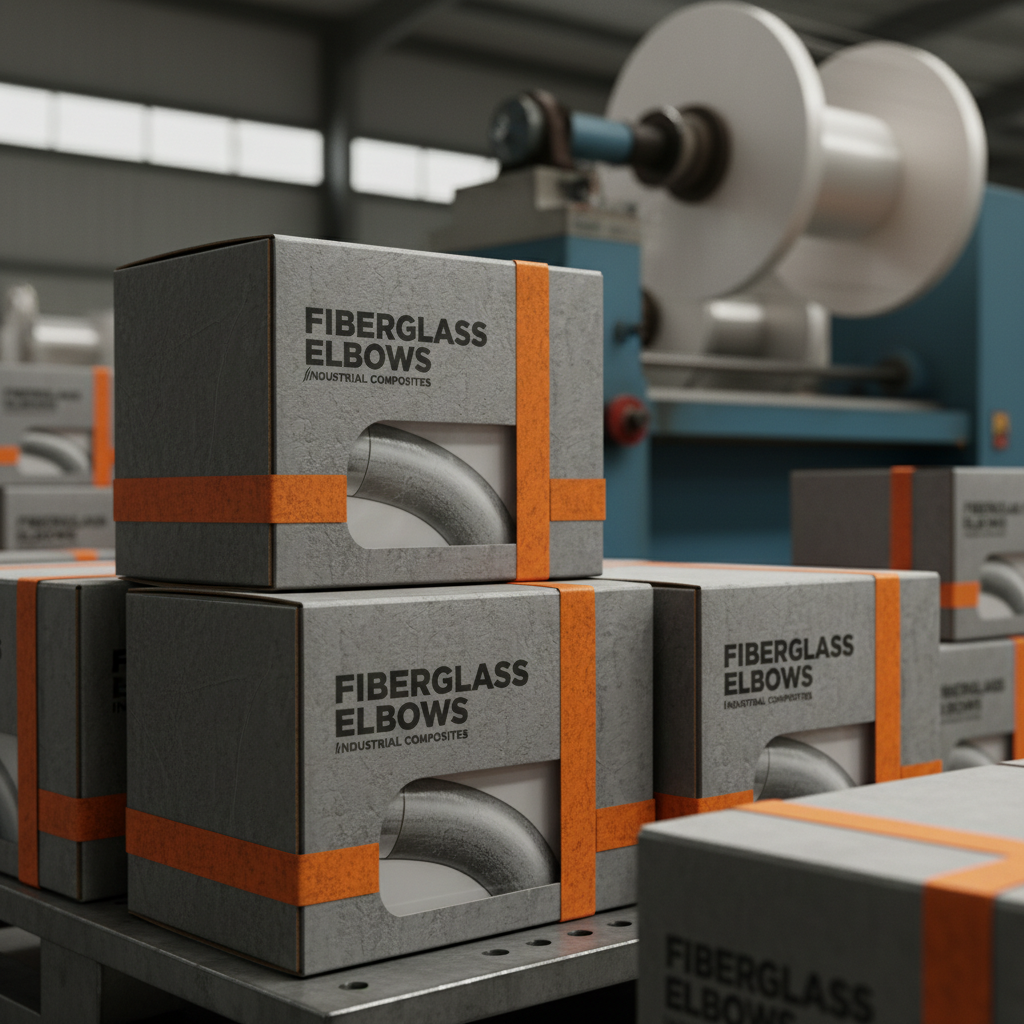
Fiberglass elbows, also known as FRP (Fiber Reinforced Polymer) elbows, are manufactured using a combination of glass fibers and a resin matrix. This construction creates a lightweight, yet incredibly strong and durable product. Unlike metallic elbows, fiberglass is resistant to a wide range of corrosive chemicals, making it ideal for demanding environments. The non-conductive nature of fiberglass also provides an added safety benefit in applications where electrical hazards exist. Choosing fiberglass elbows translates to reduced maintenance costs, extended service life, and increased system reliability. They're a smart long-term investment for any project requiring reliable fluid conveyance.
Key Advantages: Lightweight, corrosion-resistant, high strength, non-conductive, and low maintenance.
Types of Fiberglass Elbows Available
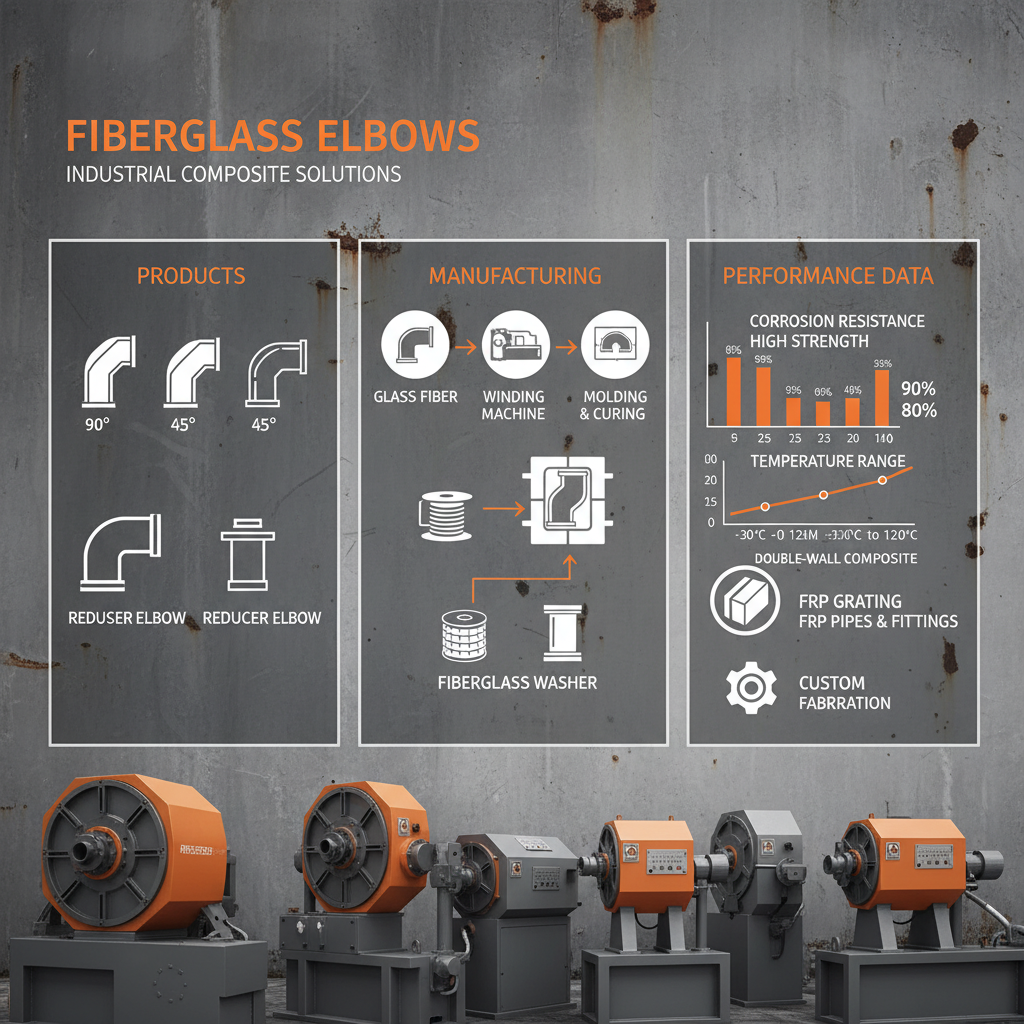
Fiberglass elbows come in various configurations to suit diverse piping system requirements. Common types include 90-degree elbows, 45-degree elbows, and custom-fabricated elbows for unique angles. They can also be categorized by their manufacturing method, such as filament winding, hand lay-up, or resin transfer molding. The choice of manufacturing process impacts the elbow's strength, cost, and lead time. Jrain FRP offers a comprehensive selection of these types to meet specific project needs. Understanding these variations is crucial for selecting the most appropriate elbow for your application.
Fiberglass Elbow Types:
• 90-degree Elbows: For sharp turns in piping systems.
• 45-degree Elbows: For gradual directional changes.
• Custom Elbows: Tailored to specific angle requirements.
Fiberglass Elbows vs. Traditional Materials: A Comparison
When compared to traditional materials like steel or ductile iron, fiberglass elbows offer significant advantages. Steel is susceptible to corrosion, requiring regular painting and maintenance. Ductile iron, while corrosion-resistant, is significantly heavier than fiberglass. The table below illustrates a direct comparison of key properties.
Applications of Fiberglass Elbows
Fiberglass elbows find applications across a broad spectrum of industries, including: Chemical processing plants, Wastewater treatment facilities, Pulp and paper mills, Power generation, Mining operations, and Water distribution systems. Their ability to handle corrosive fluids and withstand harsh environments makes them essential for maintaining the integrity of these critical infrastructure systems. Selecting the right elbow for each application ensures optimal performance and longevity. Jrain FRP offers custom solutions for specific industry challenges.
Selecting the Right Fiberglass Elbow: Key Considerations
When selecting fiberglass elbows, consider factors such as fluid type, temperature, pressure, and operating environment. Ensure the elbow's resin system is compatible with the fluid being conveyed. Verify the elbow's pressure rating meets or exceeds the system's operating pressure. Proper installation is also crucial; follow manufacturer's guidelines to ensure a secure and leak-free connection. Choosing a reputable supplier like Jrain FRP guarantees quality and expert support.
Conclusion: Invest in Durability and Reliability
Investing in high-quality fiberglass elbows is a proactive step towards ensuring the longevity and efficiency of your piping systems. Their superior corrosion resistance, lightweight nature, and low maintenance requirements translate to significant cost savings and reduced downtime. Choose Jrain FRP for reliable products and expert support.
Frequently Asked Questions (FAQs)
What is the typical service life of a fiberglass elbow?
The service life of a fiberglass elbow can extend for decades, often exceeding 50 years, when properly installed and maintained. However, it’s influenced by the operating environment, the types of fluids conveyed, and exposure to UV radiation. Regular inspections are recommended to identify any potential issues such as cracks or delamination. Properly maintained, fiberglass elbows offer a significantly longer service life than traditional metal alternatives, minimizing replacement costs and downtime.
What temperature ranges can fiberglass elbows withstand?
Fiberglass elbows can typically withstand temperatures ranging from -40°C to +85°C (-40°F to +185°F), although this can vary depending on the specific resin system used. For applications involving extreme temperatures, specialized resin formulations are available. It's important to consult with the manufacturer to ensure the selected elbow is suitable for the intended operating temperature. Exceeding the temperature limitations can compromise the elbow's structural integrity and lead to failure.
How are fiberglass elbows joined together?
Fiberglass elbows are typically joined using a variety of methods, including flange connections, solvent cementing, and bonding with structural adhesives. Flange connections provide a robust and reliable joint suitable for high-pressure applications. Solvent cementing is a cost-effective option for smaller diameter pipes, while structural adhesives offer excellent bonding strength and resistance to environmental factors. Proper surface preparation and adherence to manufacturer's instructions are crucial for ensuring a successful and leak-free connection. Jrain FRP can provide guidance on the most appropriate joining method for your specific application.
Latest news
-
Industrial High Pressure Fiberglass Pipe Guide and Technical SpecsNewsApr.16,2026
-
Industrial Storage Guide for Fiberglass Chemical TanksNewsApr.09,2026
-
Explore Durable and Customizable Custom Fiberglass Tanks for Your IndustryNewsApr.07,2026
-
Comprehensive Guide to Fiberglass Roof Tanks for Liquid Storage SolutionsNewsApr.04,2026
-
Comprehensive Guide to Durable and Corrosion Resistant Glass Fiber TanksNewsMar.31,2026
-
Comprehensive Guide to Tank Fiberglass Solutions and Their Diverse ApplicationsNewsMar.28,2026